



Traditional Corner Seat
A traditional corner seat tucks neatly into a room, offering clever seating built from solid timber and rush.
Traditional Corner Seat
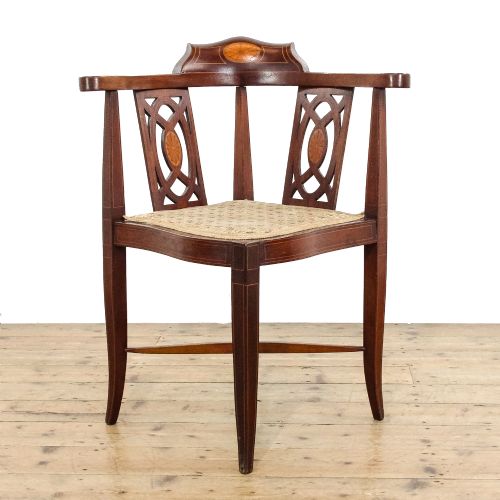
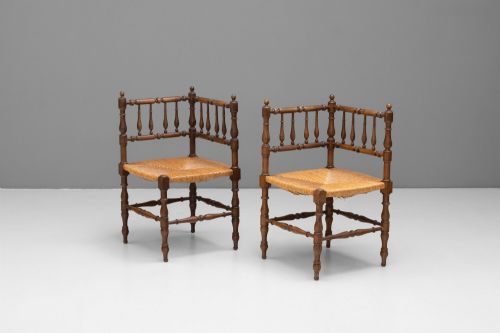
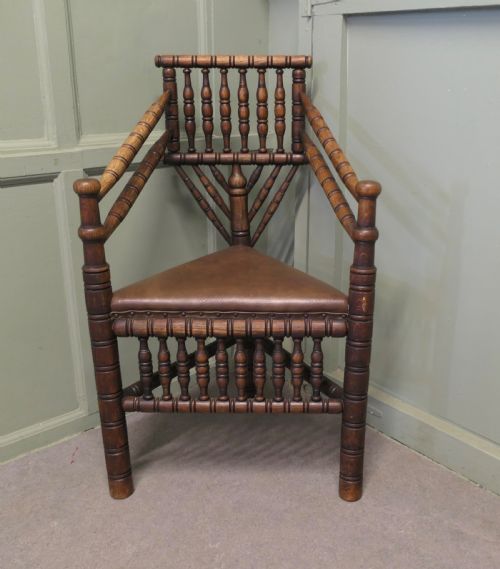
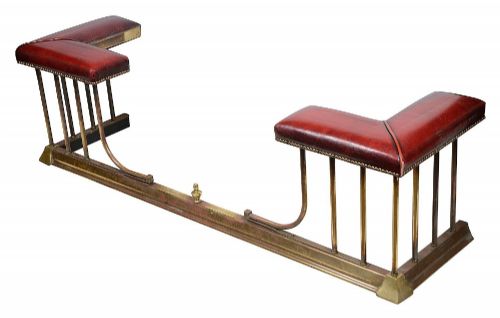
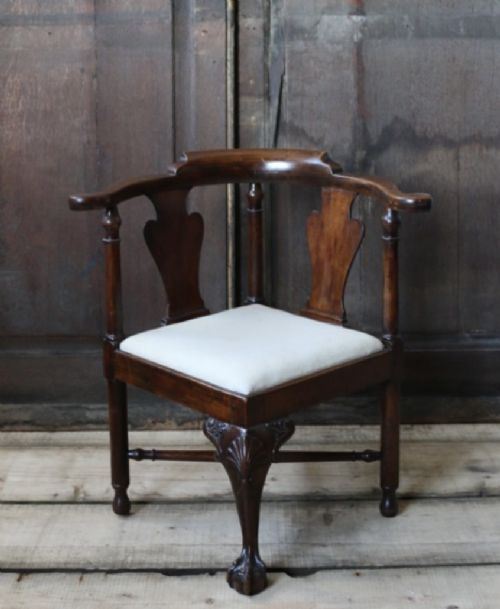
A traditional corner seat takes many forms across this selection, from Georgian mahogany corner chairs to Victorian turner's chairs and Edwardian inlaid examples. You will frequently find wood frames paired with rush, fabric, or leather seats designed to fit snugly into room angles. The styles span eighteenth-century George II designs up through nineteenth-century vernacular pieces and early twentieth-century interpretations.
The objects listed under this phrase encompass corner chairs, side chairs, and elbow seats alongside related seating forms. Oak and mahogany appear regularly as primary timbers, shaped into sturdy frames that have survived centuries of domestic use. Each piece reflects the functional requirements of period domestic interiors where corner space demanded specific furniture solutions.
How they were made
Cabinet makers utilised solid hardwoods such as oak, mahogany, walnut, and beech to construct the supportive frames of these seats. Joinery techniques relied on pegged mortise and tenon joints to withstand the pressures placed upon angled seating.
Surfaces were finished with natural polishing methods, while seats incorporated woven rush or were upholstered in leather and fabric over supportive stuffing. Decorative touches included marquetry inlay and hand carving on structural members.
The listings here span oak, mahogany, walnut, and beech timbers across Georgian, Victorian, and Edwardian periods.
What varies in quality
The distinction between ordinary and superior examples lies in the selection of timber and the crispness of the hand-carved details. Timbers with rich, natural grain and minimal replacement parts demonstrate higher grade craftsmanship from the period.
Structural integrity and the retention of original elements dictate the standing of a piece. Finer examples maintain their original rush or tight joinery without excessive alterations to the frame over time.
The Traditional Corner Seat Glossary
- Corner chair
- A seating form designed specifically to fit into the ninety-degree angle of a room, featuring a diagonal seat and a continuous curved backrest supported by multiple posts.
- Turner's chair
- A sturdy armchair constructed entirely from turned wooden spindles and members, often associated with traditional vernacular woodworking traditions.
- Squab seat
- A loose, removable cushion placed upon the wooden or rush base of a chair to provide comfort during use.
- Marquetry
- The art of applying decorative pieces of veneer to a wooden structure to form intricate geometric or floral patterns.
- Rush
- Dried marsh grass twisted into cord and woven tightly to form a durable, flexible seat base.
Traditional Corner Seat: Frequently Asked Questions
Where did people put corner chairs?
These seats were designed to occupy unused room corners efficiently without blocking pathways through the interior.
They also served desk duties or provided conversational seating in smaller parlours.
Are rush seats strong?
Woven rush creates a remarkably resilient and supportive surface when properly maintained and kept dry.
Over decades, the natural fibres acquire a polished sheen from everyday use.
How do I date a corner chair?
Cabinet-making methods, timber choice, and decorative styles provide the clearest indicators of age.
Georgian examples display different turning profiles and wood patination compared to Victorian revivals.
Can I use these daily?
Solid timber construction makes these sturdy enough for regular sitting in modern homes.
Placing them away from direct heat sources protects the antique wood and joinery.