






Traditional Copper Basin
These traditional copper basin examples offer the warm metallic tones and historical utility that kitchens and country interiors demand.
Traditional Copper Basin
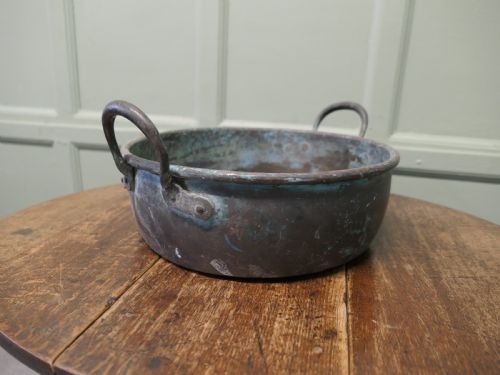
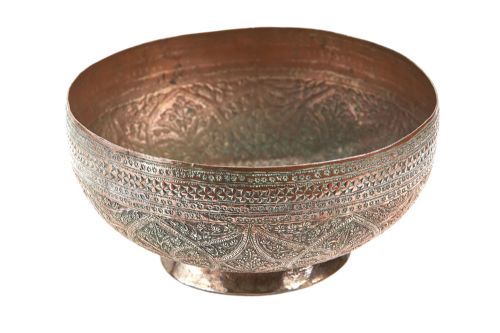
A traditional copper basin brings centuries of domestic history straight into a modern interior, functioning equally well as a display piece or a practical container. When you search for a traditional copper basin, you encounter heavy preserving pans, wine cisterns, and wash basins dating back to the eighteenth and nineteenth centuries.
The selections available here lean heavily towards Victorian farmhouse aesthetics, Georgian utility, and rustic continental forms. You will find items ranging from large heavy preserving pans with iron handles to delicate earthenware pieces adorned with pottery patterns.
Materials and construction methods
Metalworking in these pieces relies heavily on hammered copper sheets, often joined with robust iron handles or brass fittings to handle heavy domestic workloads. Artisans shaped these vessels by hand, leaving subtle hammer marks that record the manual labour involved in their creation.
Other variations incorporate glazed earthenware and enamel surfaces, particularly in toilet basins and patterned pottery items. These mixed material approaches show how utilitarian objects transitioned from purely industrial kitchen tools into decorative household items.
Traditional Copper Basin Retail Price Guide 2026
Typical asking prices for traditional copper basin among the pieces listed under this phrase on Sellingantiques today, from the lower quarter to the upper quarter. They describe what is for sale here now, not the wider market.
Current listings feature materials spanning copper, brass, iron, earthenware, and glaze across the eighteenth and nineteenth centuries.
Distinguishing quality across examples
The thickness of the metal gauge largely determines the substance and longevity of a traditional copper basin, with heavier walled vessels sitting at the top of the range. Lighter items made for decorative display contrast with industrial-grade cooking pans designed for heavy heat exposure.
Maker marks and structural integrity separate standard utility pieces from exceptional survivors. Well-formed handles, tight seams, and uncompromised metal depth indicate superior craftsmanship from workshops of the period.
Hodges and Sons
The Traditional Copper Basin Glossary
- Preserving pan
- A wide, open metal vessel traditionally used for boiling fruit and sugar jams. These items feature sturdy handles to transport heavy boiling contents safely.
- Wine cistern
- A large ornamental basin designed to hold bottles and ice during dining occasions. These pieces often originate from continental workshops and display refined decorative metalwork.
- Jardiniere
- A decorative pot or stand intended to hold potted plants indoors. In metal or pottery forms, they bring organic textures into living spaces.
- Brasero
- A Spanish heating vessel designed to hold hot embers for room warmth. These items showcase distinctive metal shaping and cultural utility.
- Cream setting pan
- A wide shallow vessel utilised in dairies to allow cream to rise to the surface of milk. Their broad diameters maximise the surface area for separation.
Traditional Copper Basin: Frequently Asked Questions
What were traditional copper basins used for?
These vessels served demanding domestic tasks such as preserving fruit, heating water, washing, and cooling dairy products. Their excellent thermal conductivity made them indispensable in historical kitchens.
Over time, many of these utilitarian objects transitioned into decorative roles, serving as planters, wine coolers, or centrepieces in period homes.
How do I date a copper basin?
Dating relies on examining the construction techniques, handle attachments, and material thickness visible on the piece. Eighteenth and nineteenth-century examples often display hand-beaten surfaces and specific joinery methods.
Matching stylistic details from Georgian or Victorian periods helps narrow down the decade of production when maker marks are absent.
Can I use an antique copper basin for cooking?
Most antique metal pans are best preserved for decorative display or light interior use rather than modern stovetop cooking. Historical cookware may lack modern lining requirements or have wear from centuries of use.
Consulting a specialist helps determine whether a specific vessel retains the structural integrity needed for culinary tasks.
How should I clean a copper basin?
Maintaining copper involves gentle cleaning to remove active tarnish while preserving the historical patina that collectors value. Harsh abrasives can damage the surface and strip away centuries of accumulated character.
Using mild, specialised metal cleaners keeps the warm metallic sheen glowing without harming the underlying material.