

Traditional Church Seating
Traditional church seating brings solid timber benches, high-back settles, and pews into domestic halls and dining spaces with utilitarian integrity.
Traditional Church Seating
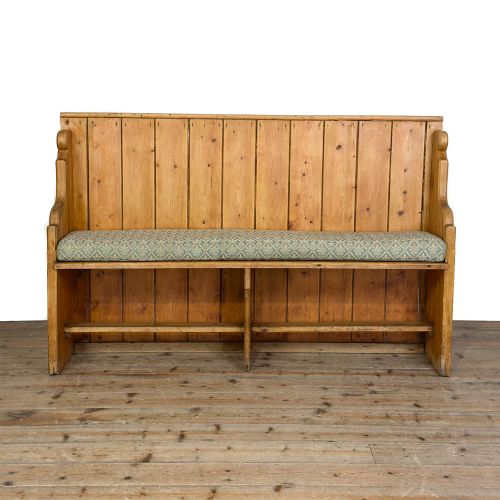
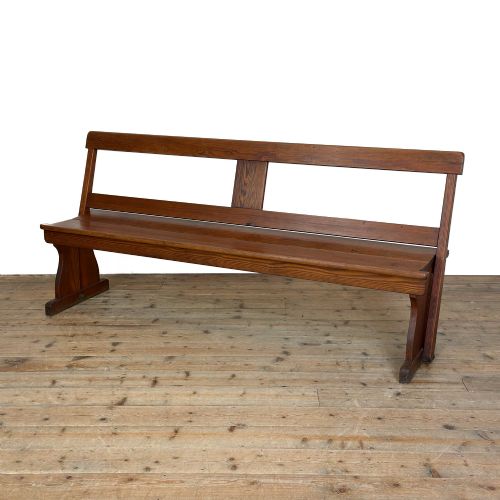
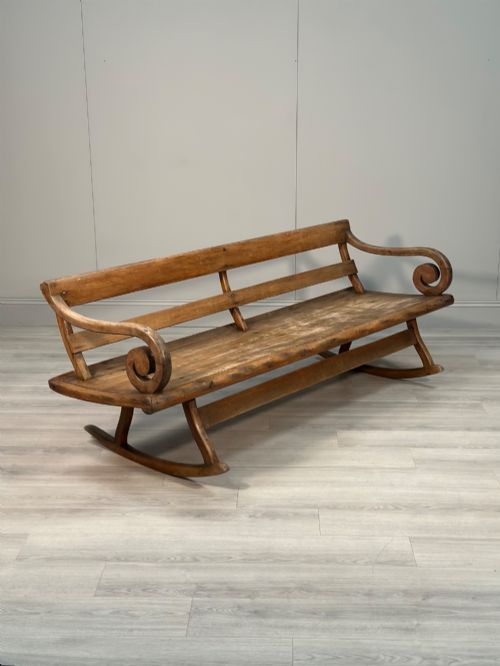
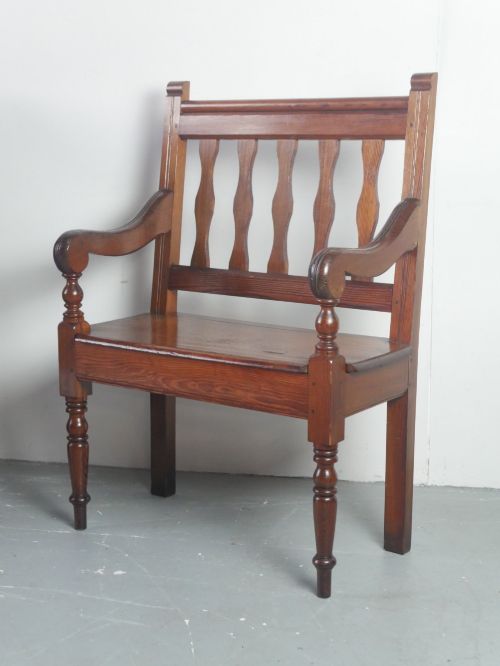
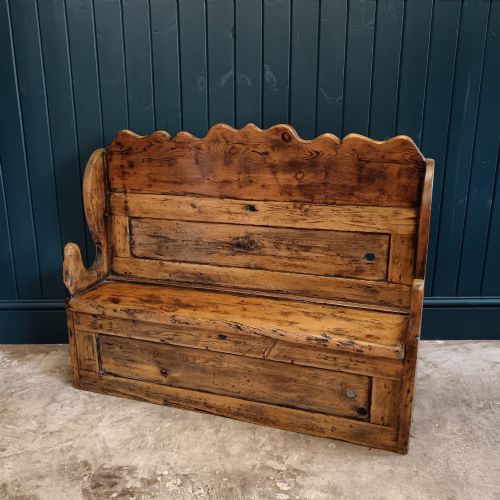
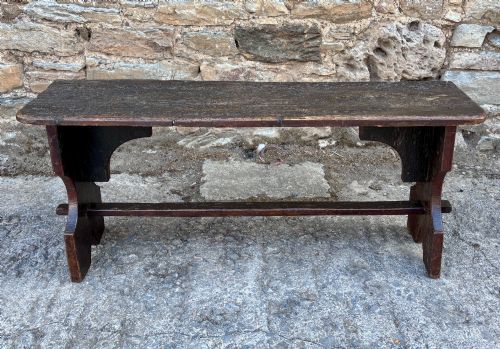
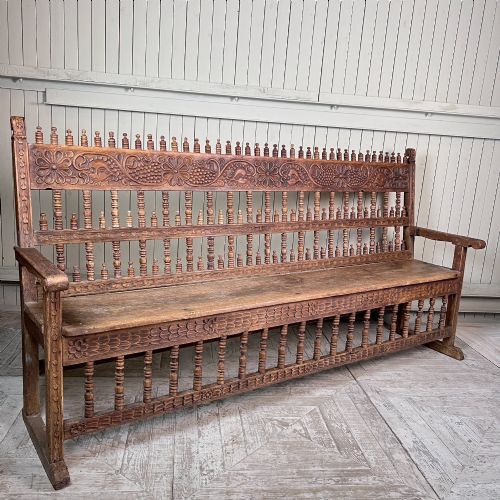
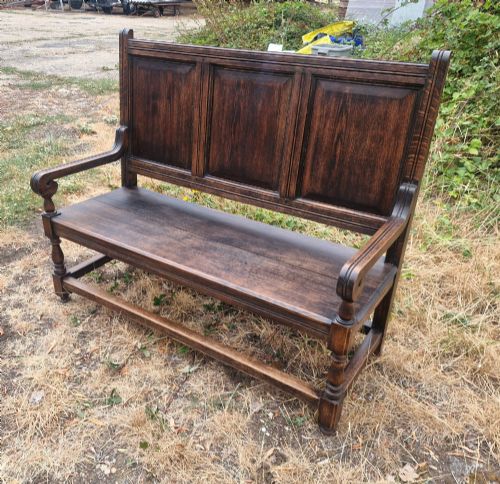
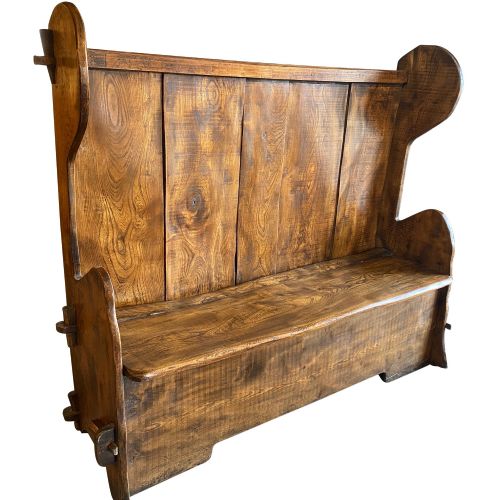
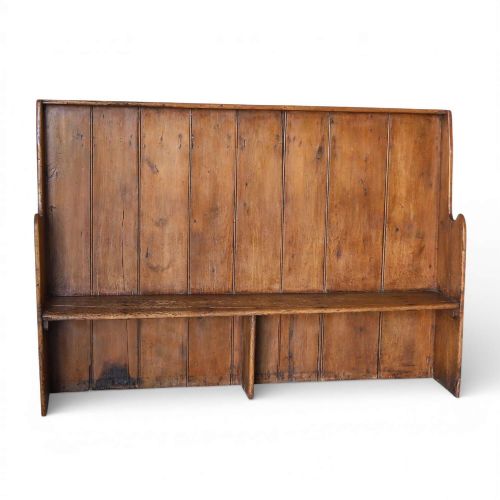
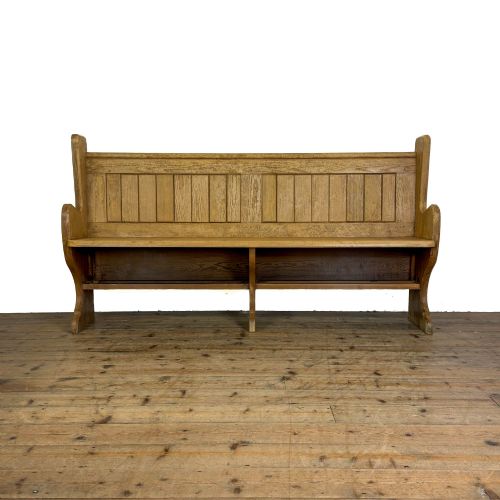
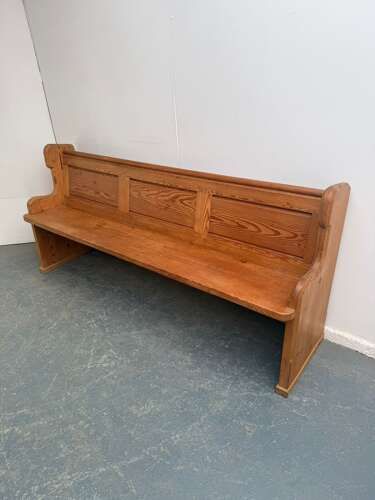
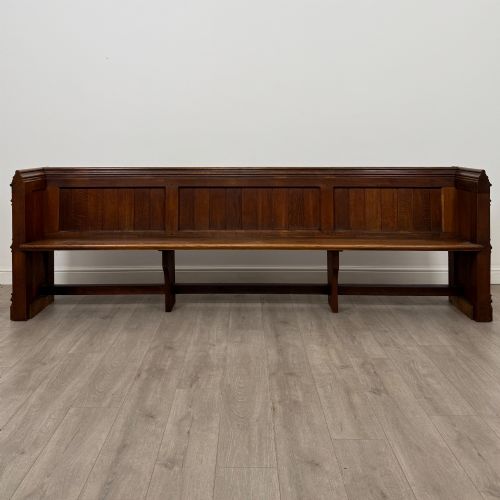
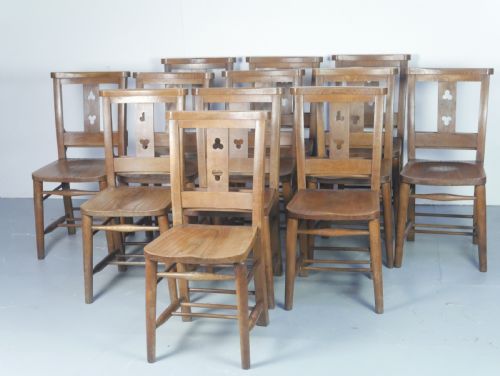
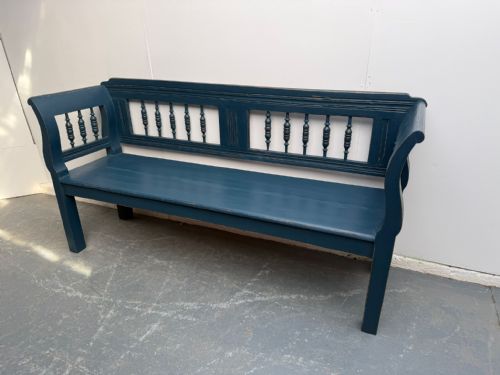
Traditional church seating encompasses pews, chapel benches, and settles originating primarily from the eighteenth and nineteenth centuries, with Victorian examples appearing frequently. These pieces range from simple pine chapel pews to substantial oak settles and painted country benches.
Forms vary from linear benches designed for long halls to high-back settles with storage boxes and flip-over chapel variants. Origins span English country workshops, Welsh traditions, and continental examples including Austrian and Hungarian pieces.
Buyers encounter these items functioning as hallway seating, dining benches, and kitchen perches where deep seats and sturdy timber construction suit daily domestic use.
Assessing Quality and Character
Quality rests upon timber selection and original structural integrity, where dense grain in pitch pine or well-figured oak distinguishes superior examples. The presence of original paint finishes or untouched waxed patinas adds significantly to historical character.
Proportion and scale dictate utility, with narrower hallway benches and neat forms commanding particular attention for domestic spaces compared to institutional lengths.
One listed Victorian pine bench carries a specific painted mark identifying its original service for the chapel at Llanfair.
The Traditional Church Seating Glossary
- Settle
- A wooden bench with a high back, solid arms, and often a storage box beneath the seat. This form provided shelter from drafts in large halls and kitchens.
- Pew
- A long bench with a back, traditionally fixed in churches or chapels for congregational use. Surviving examples often retain cut lengths or original numbering.
- Patina
- The surface sheen and colour developed through handling, age, and waxing over generations. A good patina shows depth without heavy restoration.
- Pitch pine
- A dense, resinous softwood widely utilised in nineteenth-century joinery and seating for its durability and prominent grain.
Traditional Church Seating: Frequently Asked Questions
How do I use a high-back settle in a hallway?
High-back settles fit well against blank walls in entrance halls, offering a place to sit while removing footwear. Models with box seats underneath provide concealed storage for everyday items.
Ensure you measure the depth of the seat and the height of the back relative to your hallway proportions before placement.
Are pine church pews comfortable for dining?
Pews and chapel benches offer upright seating well-suited to long refectory or tavern tables. Many historical examples feature shallow seats designed for utilitarian spaces rather than lounging.
Adding loose cushions can adjust the seat height and comfort level for prolonged dining use.
How do I distinguish eighteenth-century oak from nineteenth-century pine?
Eighteenth-century pieces typically display the darker colour, dense grain, and hand-tooled marks characteristic of earlier oak joinery. Nineteenth-century items often utilise pine or pitch pine with softer surface textures and lighter natural tones.
Examine the underside and fixings for tool marks that indicate the period of manufacture.
Should I touch up original painted finishes?
Original paint finishes, whether blue or muted tones, carry the historical record of the piece and are generally left undisturbed. Cleaning requires only gentle dusting to preserve the extant surface.
Consult a conservator if flaking threatens the stability of the remaining pigment.