



Traditional Chinese Tea Table
These pieces known as a traditional chinese tea table bring low proportions, rich dense timbers and centuries of regional craftsmanship straight into a modern room.
Traditional Chinese Tea Table
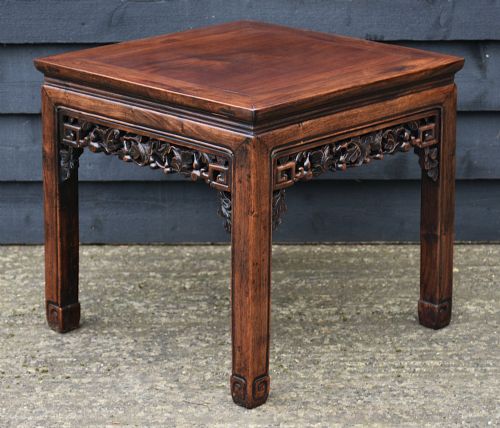
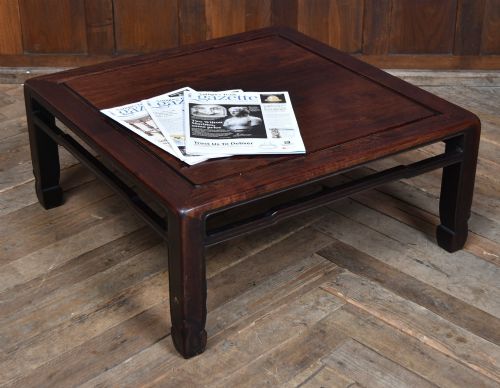
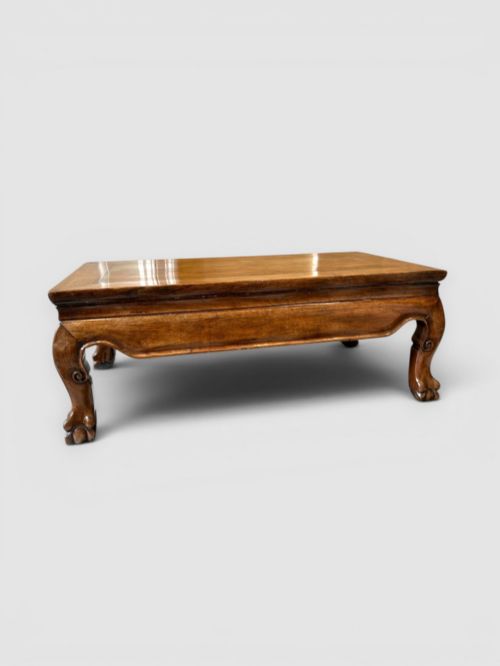
When you search for a traditional chinese tea table, you encounter low-lying forms designed originally for sitting on mats or low platforms, including kang tables, opium tables and low coffee tables. The selections available span coffee tables, side tables, nests of tables, centre tables, occasional tables and seating sets.
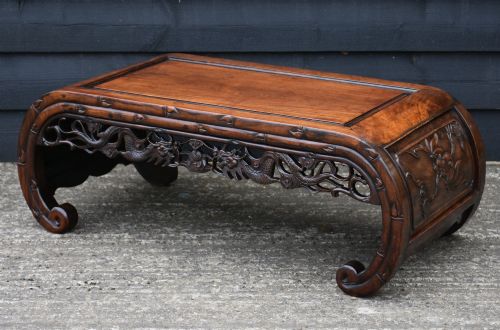
The pieces on this page mostly date from the nineteenth century and the early twentieth century, carrying stylistic influences from the Qing dynasty and Chinese export traditions. You will frequently meet low rectangular shapes, scroll-end designs, and nesting sets intended for flexible arrangement.
Makers utilised dense Asian timbers and functional forms that served daily domestic life in China before adapting to Western interiors as low coffee tables. Their low stature and clean joinery define the character of these domestic furnishings.
What Varies in Quality
The refinement of the carving distinguishes standard joinery from exceptional craftsmanship, particularly on scroll ends and dragon details. Crisp execution of relief work requires patient hand labour from skilled artisans.
The choice of material creates another distinction, where dense rosewood, hongmu and padouk carry deeper natural patinas compared to standard utility timbers. Surface preservation and the depth of the finish determine how well the timber ages over centuries.
Listings feature items built from rosewood, elm, hongmu, padouk and lacquer, spanning the eighteenth century through the early twentieth century.
The Traditional Chinese Tea Table Glossary
- Kang table
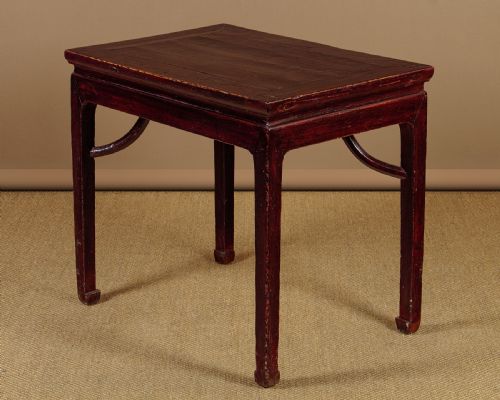
- A low domestic table used in northern China for serving tea or sitting upon heated brick beds known as kangs. These pieces typically feature short legs and scroll ends.
- Opium table
- A common trade term for a low rectangular table utilised for social gatherings and leisure. They share similar low proportions with kang tables.
- Hongmu
- A generic Chinese term translating to red wood, applied to dense and heavy tropical hardwoods including various species of rosewood. It develops a rich patina over time.
- Padouk
- A durable reddish timber utilised in Chinese cabinetmaking for tables and chests. It offers high resistance to wear and possesses a distinct natural warmth.
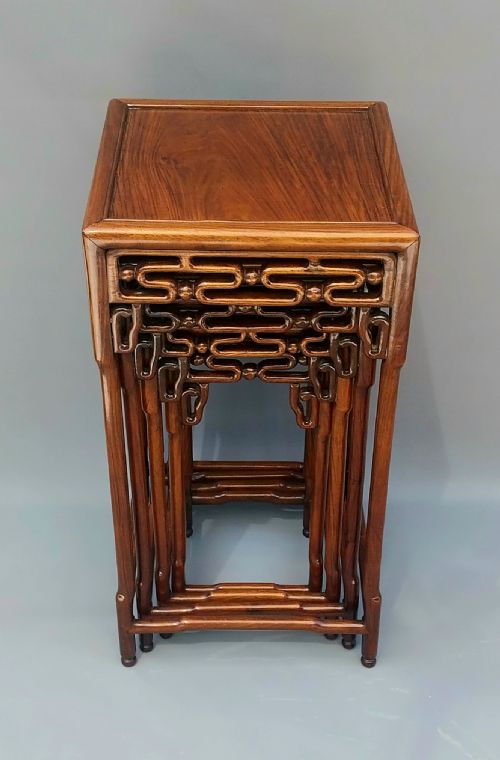
- Nest of tables
- A graduated set of tables designed to fit neatly beneath one another when not in use. They appeared frequently in Chinese export furniture production.
Traditional Chinese Tea Table: Frequently Asked Questions
What is a kang table used for?
A kang table served domestic routines on top of heated brick platforms in traditional northern Chinese homes, functioning as a surface for dining, writing or drinking tea. Their low profile kept items within reach while sitting or kneeling.
Today these low forms translate easily into modern interiors as coffee tables positioned before low seating. They anchor a room without blocking sightlines.
How do I identify a Qing dynasty table?
Qing dynasty pieces often display characteristic details such as scroll ends, carved dragon motifs, or structured recessed leg framing. The overall scale tends to be low and grounded.
Examining the underside reveals traditional joinery methods and the natural ageing of dense hardwoods like rosewood or hongmu. Patina develops gradually through handling and oxidation over generations.
What timber are these tables made from?
Workshop production relied heavily on Asian hardwoods including rosewood, hongmu, padouk, and elm. Cabinetmakers valued these timbers for their structural density and rich natural grain patterns.
Some occasional pieces feature lacquer finishes applied over wood cores. Each material reacts differently to light and oil, creating unique surface patinas across individual items.
Are nesting tables traditional Chinese furniture?
Nesting tables were produced in sets of three or four for both domestic use and the Chinese export market. They provided versatile surfaces that could be expanded or stored compactly.
Carpenters built these sets using matching hardwoods to ensure visual continuity when stacked. Their practical design made them popular across various regional workshops.