
Traditional Chinese Table
A traditional chinese table brings centuries of craftsmanship and rich timber grain into a room, offering both quiet utility and striking form.
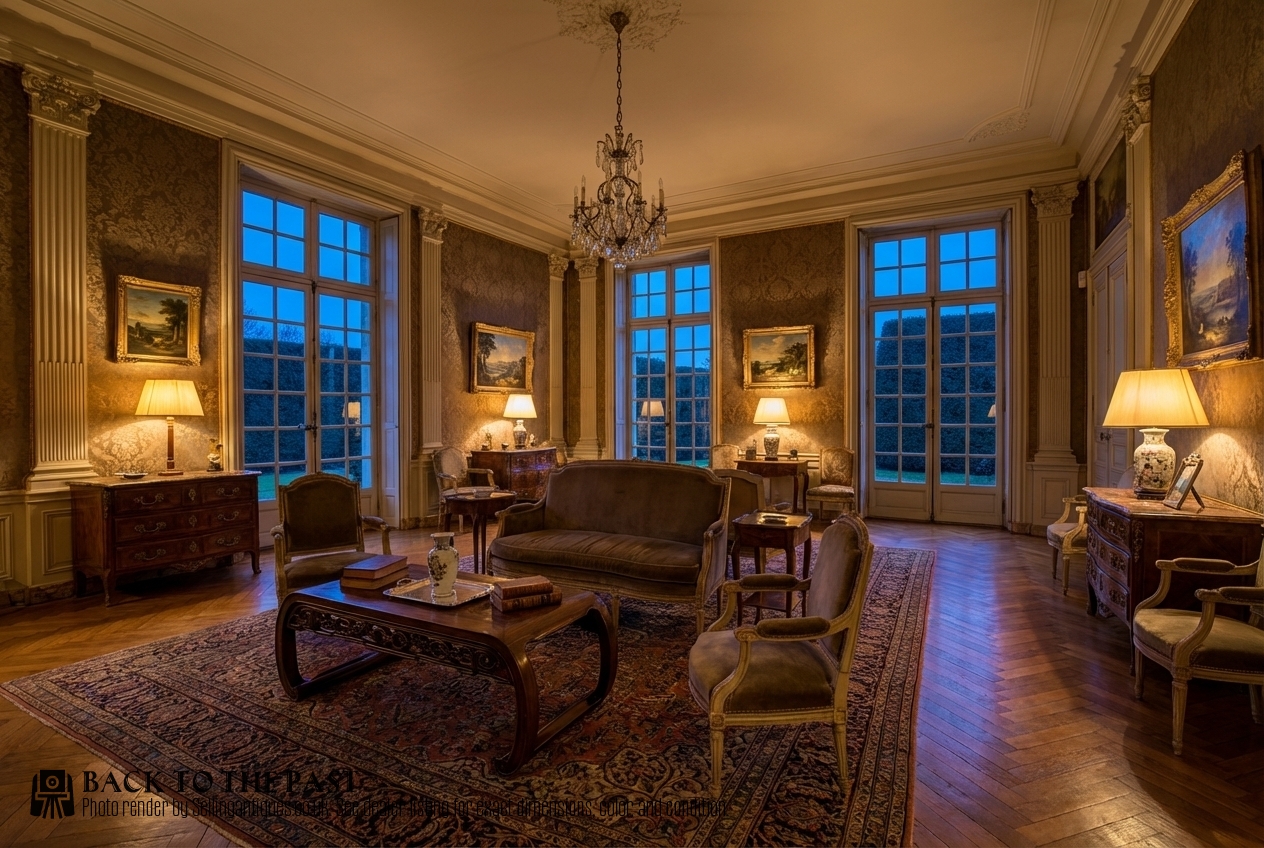
Traditional Chinese Table
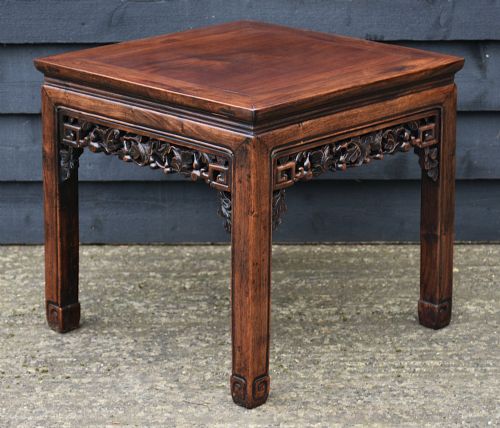
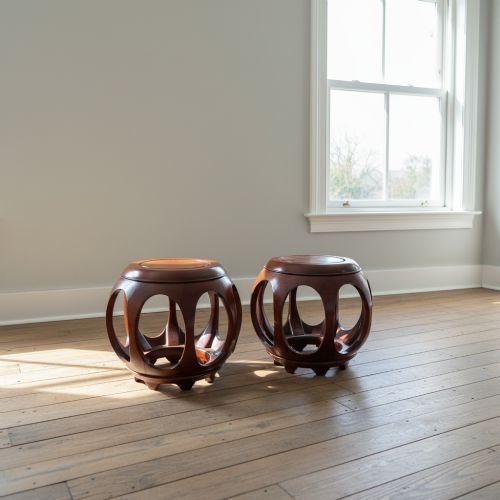
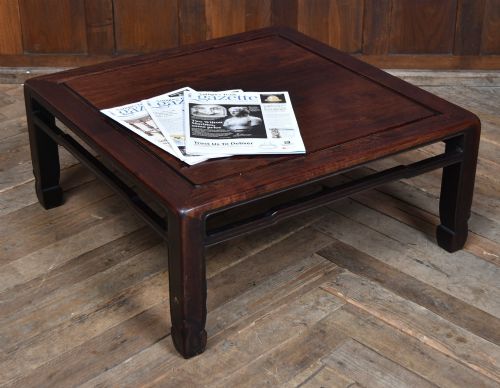
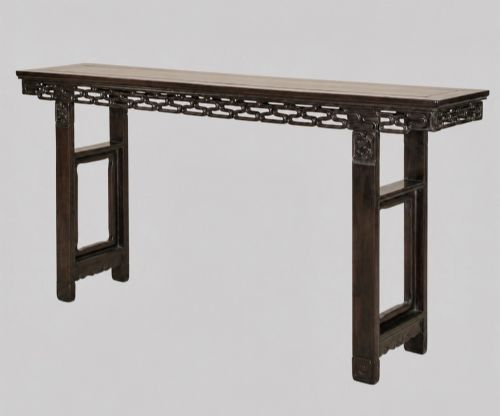
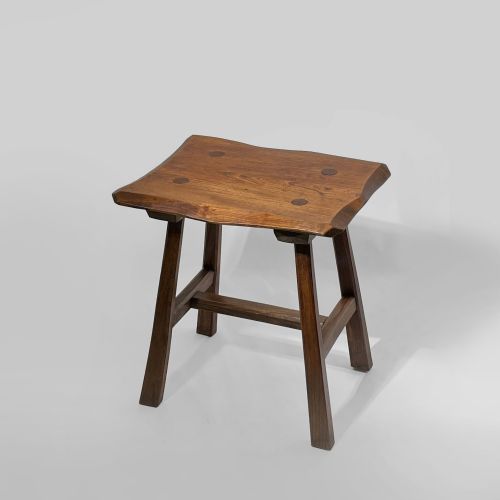
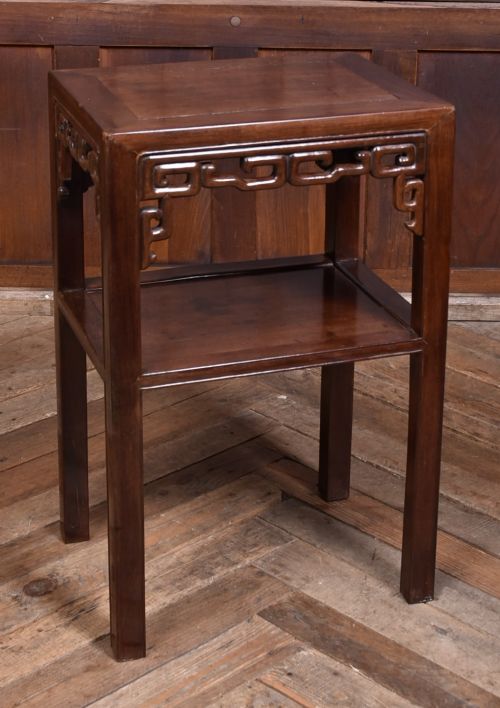
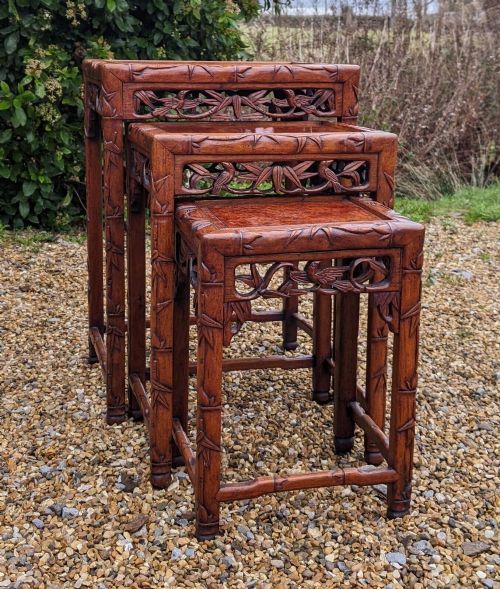
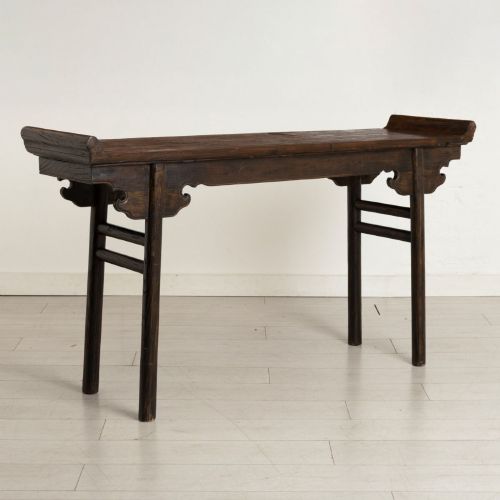
Buyers will frequently encounter resilient elm and dense rosewood or hongmu in these listings, shaped into coffee tables, console tables, and plant stands. These surfaces reflect centuries of vernacular and scholarly woodworking traditions from China.
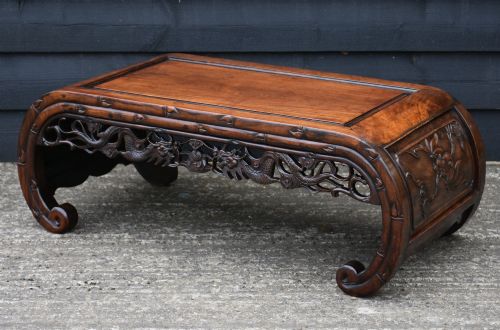
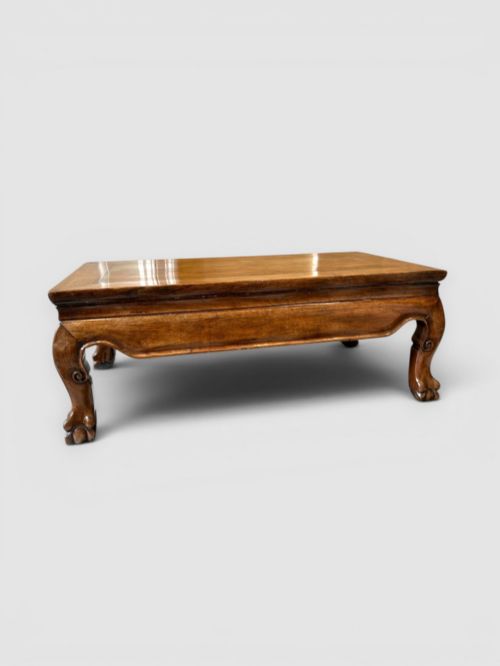
The forms adapt easily to contemporary living spaces while retaining authentic regional characteristics, whether through rustic elm joinery or intricate carved details on low coffee and opium tables.
Materials and technique
Construction relies heavily on dense hardwoods, rosewood, huanghuali, padouk, and native elm, selected for their structural stability and rich natural grain. Craftsmen often utilised traditional mortise and tenon joinery without metal nails, allowing the timber to expand and contract naturally.
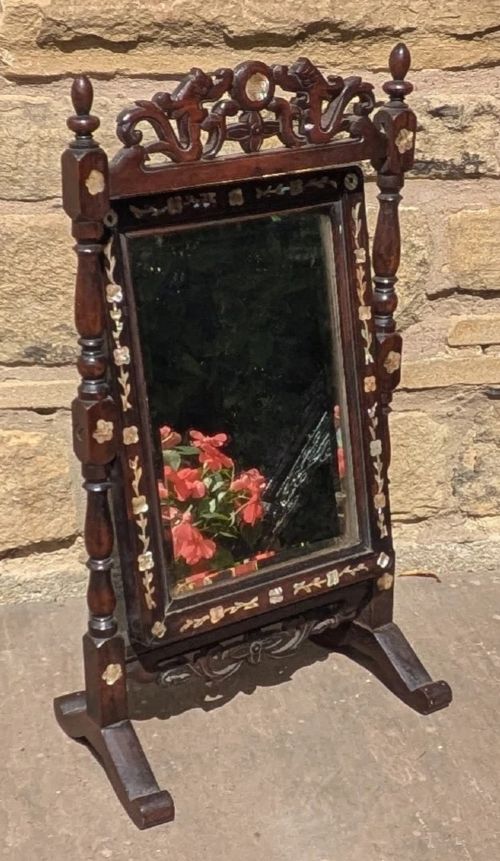
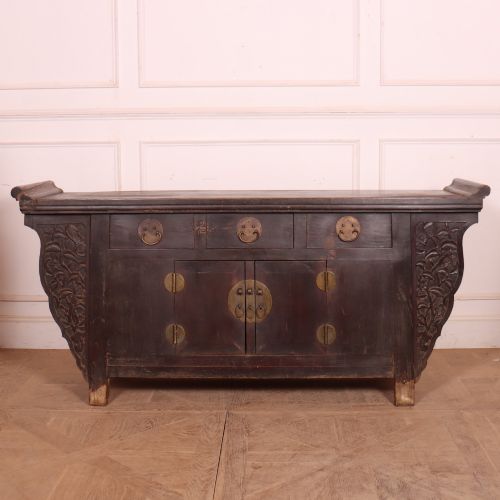
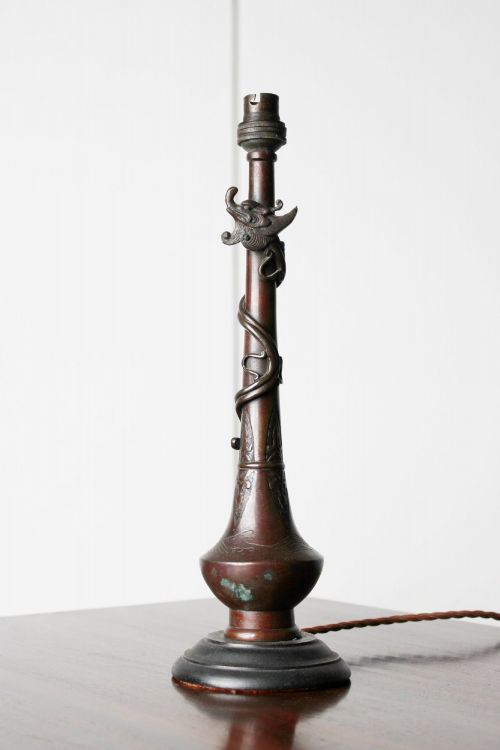
Surfaces receive careful attention, ranging from clear finishes that highlight the burr wood and grain to deep red or dark lacquer applications. Details like mother of pearl inlay, brass fittings, and carved dragon motifs are integrated directly into the timber structure.
Traditional Chinese Table Retail Price Guide 2026
Typical asking prices for traditional chinese table among the pieces listed under this phrase on Sellingantiques today, from the lower quarter to the upper quarter. They describe what is for sale here now, not the wider market.
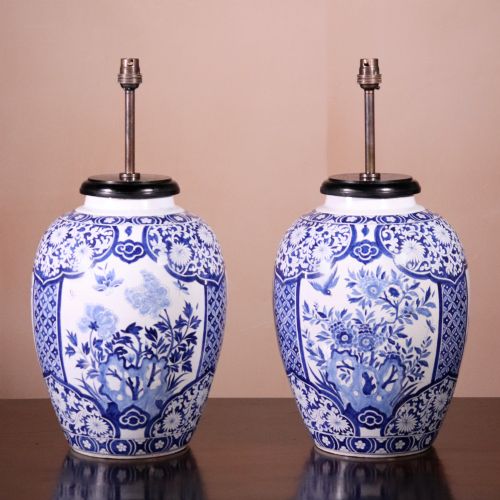
Materials range widely from native elm and dense rosewood to brass, lacquer, porcelain, and mother of pearl inlay.
Judging the quality
Quality rests upon the selection of timber and the precision of the joinery, distinguishing sturdy scholarly pieces from more rustic domestic furniture. Dense rosewood and figured huanghuali demand superior carving skill compared to softer elm varieties.
The crispness of carved dragon details, the integrity of inlaid mother of pearl, and the depth of lacquer finishes separate ordinary utility items from exceptional examples. Balance in proportion and preservation of the original surface patina define the upper tier.
The Traditional Chinese Table Glossary
- Opium table
- A low traditional table originally used for resting or smoking, typically featuring recessed legs and subtle carvings.
- Altar table
- A ceremonial table distinguished by upturned flanges at the short ends and substantial height, often placed against walls.
- Hongmu
- A generic Chinese term meaning red wood, applied to dense, hard tropical timbers such as rosewood.
- Huanghuali
- A prized fragrant yellow-relocated rosewood known for its complex grain patterns and rich honey-brown colour.
- Cloisonne
- An ancient technique for decorating metal object surfaces with coloured glass paste separated by thin metal strips.
Traditional Chinese Table: Frequently Asked Questions
What is an opium table used for today?
These low tables serve as distinctive coffee tables or display platforms in modern sitting rooms, offering a low profile that suits contemporary upholstery.
Their compact scale and rich timber grain allow them to function as focal points without overwhelming smaller spaces.
How do I care for a hardwood table?
Maintain the timber by keeping the surface away from direct heat sources and sudden humidity shifts that might stress the traditional joinery.
Regular dusting with a soft cloth preserves the natural patina and protects the historic finish of the wood.
How can I tell the period of a table?
Dating relies on observing construction methods, timber choice, and decorative motifs such as Qing Dynasty carving styles or late nineteenth-century brass fittings.
Wear patterns and the presence of native elm versus dense rosewood also provide clear clues to the age and origin.
Are nest of tables traditional?
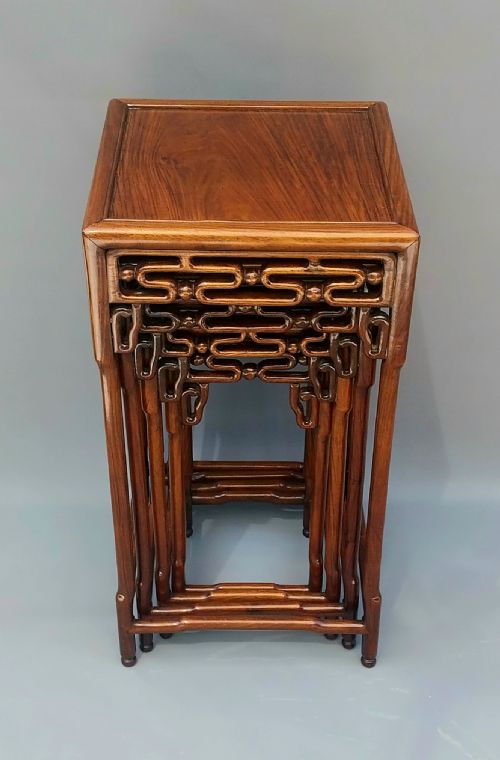
Sets of nesting tables developed to provide flexible surface space that stores compactly when not in use during gatherings or tea ceremonies.
Matching sets in hongmu or rosewood demonstrate sophisticated nineteenth-century Chinese woodworking ingenuity.