





Traditional Chinese Sideboard
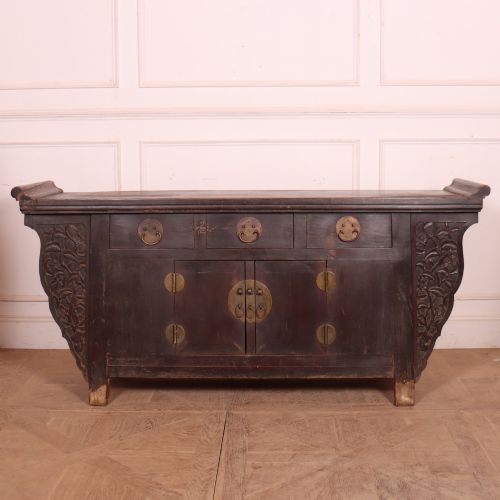
These traditional chinese sideboard examples bring functional storage and centuries of regional craftsmanship into a modern interior.
Traditional Chinese Sideboard
A traditional chinese sideboard covers a diverse group of storage furniture spanning console tables, low cupboards, and storage cabinets. The pieces seen here range from the eighteenth century through to the early twentieth century, drawing on provincial traditions.
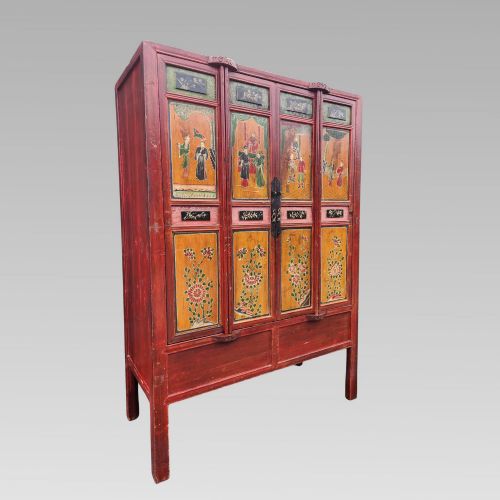
Buyers will encounter elm side tables, red and black lacquered cabinets from Fujian and Shanxi, and marble-topped console tables. These forms served utilitarian domestic or ceremonial roles before arriving in the contemporary marketplace.
The selection leans heavily toward nineteenth-century elm and lacquered wood formats, reflecting regional styles such as Qing Dynasty designs and Chinese provincial aesthetics.
Materials and construction
Makers relied primarily on elm and hardwood timbers, often utilising specific regional varieties like locust wood alongside structural brass hardware. These native timbers provided the sturdy framing necessary for heavy domestic cupboards and long console tables.
Surfaces frequently received multiple coats of red or black lacquer, sometimes augmented with carved relief work, gilding, or inset soapstone panels. This intricate finishing protected the wood while offering a rich canvas for decorative motifs of birds and flowers.
Traditional Chinese Sideboard Retail Price Guide 2026
Typical asking prices for traditional chinese sideboard among the pieces listed under this phrase on Sellingantiques today, from the lower quarter to the upper quarter. They describe what is for sale here now, not the wider market.
Several cupboards hide their contents behind spirited depictions of birds and flowers frozen in red lacquer.
Judging the range
Quality separates through the depth of carving, the preservation of original lacquer surfaces, and the integrity of the timber framing. Pieces retaining their early gilt highlights or complex figurative decoration sit at the upper end of the scale.
Simpler provincial elm tables rely on honest joinery and the natural grain of the wood rather than surface embellishment. The crispness of carved details and the survival of period brass fittings determine the distinction between ordinary and notable examples.
The Traditional Chinese Sideboard Glossary
- Elm
- A durable native hardwood commonly used for structural frames and panels in provincial furniture. Its distinct grain pattern takes wax finishes particularly well.
- Lacquer
- A protective and decorative coating built up in numerous layers from natural resin. It provides a smooth, glossy surface suitable for carving and gilding.
- Console table
- A long table designed to stand against a wall, often featuring decorative legs and marble tops in more formal examples. These pieces served both display and writing functions.
- Qing Dynasty
- The final imperial dynasty of China, lasting from sixteen forty-four to nineteen twelve. Furniture from this era encompasses varied regional carving and lacquer traditions.
- Chinoiserie
- European decorative style reflecting Chinese artistic influences. It appears on domestic cupboards decorated with birds and flowers.
Traditional Chinese Sideboard: Frequently Asked Questions
How do I date a Chinese sideboard?
Dating relies on examining the construction methods, tool marks, and timber shrinkage visible within the piece. Regional styles and the wear patterns on lacquer surfaces also offer clues to the period of origin.
Most examples on this page date from the nineteenth century, with construction details aligning with Qing Dynasty provincial traditions.
Where were these sideboards made?
Production took place across various regions and provinces, including Fujian and Shanxi. Each area developed distinct preferences for wood types, such as elm, and specific decorative schemes.
Local workshops adapted traditional forms to suit domestic storage needs and export markets.
How do I care for lacquered wood?
Lacquered surfaces require protection from direct sunlight and excessive humidity to prevent cracking or fading. Gentle dusting with a dry microfibre cloth keeps the finish clean.
Avoid using harsh chemical polishes or modern cleaning sprays that might damage the historical surface layers.
Can I use a console table for dining storage?
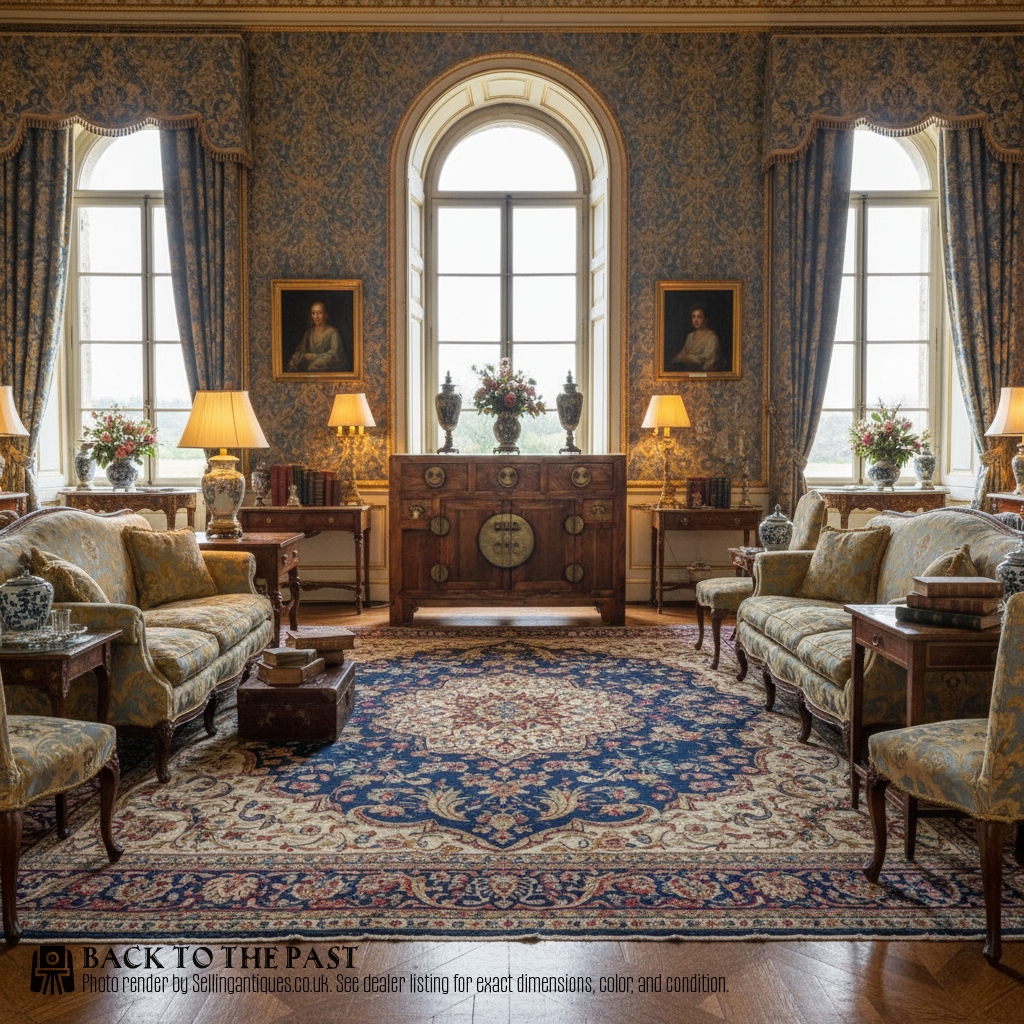
Console tables and low side cabinets offer useful surface space and lower storage compartments for tableware or linens. Their shallow depth allows them to fit easily into dining rooms or hallways.
Original drawer configurations accommodate smaller household items while maintaining the visual lines of the antique timber.