


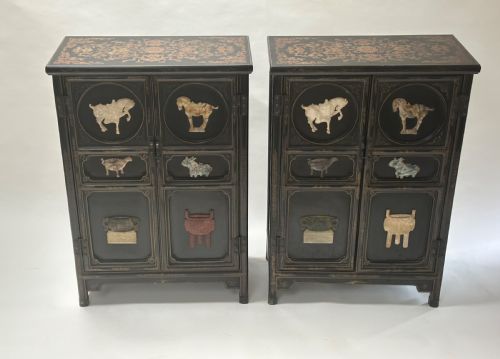
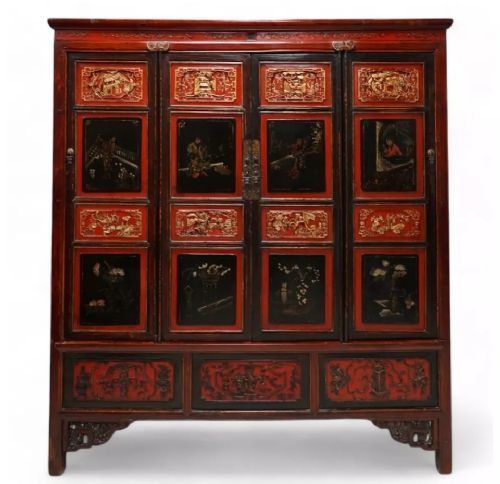
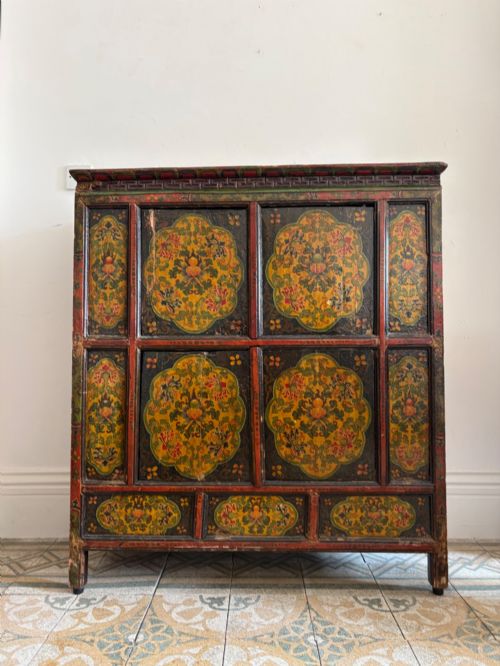

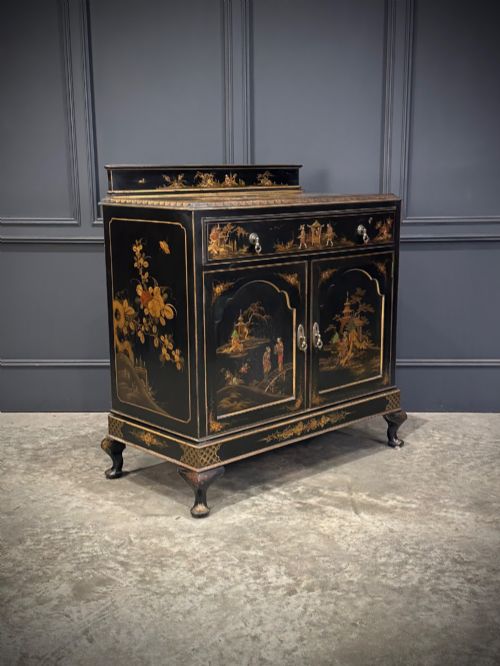
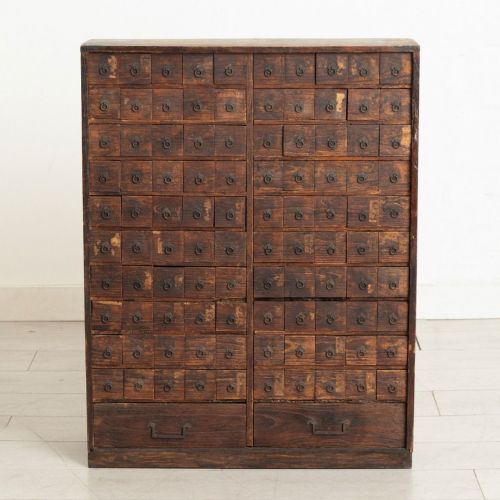

Oriental Storage Cupboard
An oriental storage cupboard brings rich colour and distinct form into a room, offering practical concealment with deep cultural artistry.
Oriental Storage Cupboard
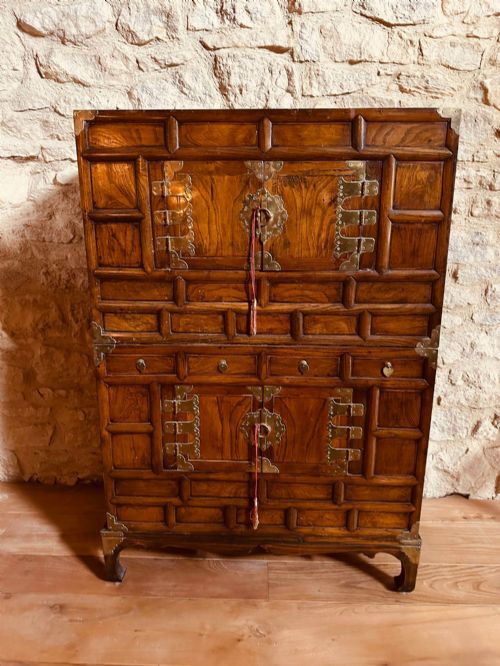
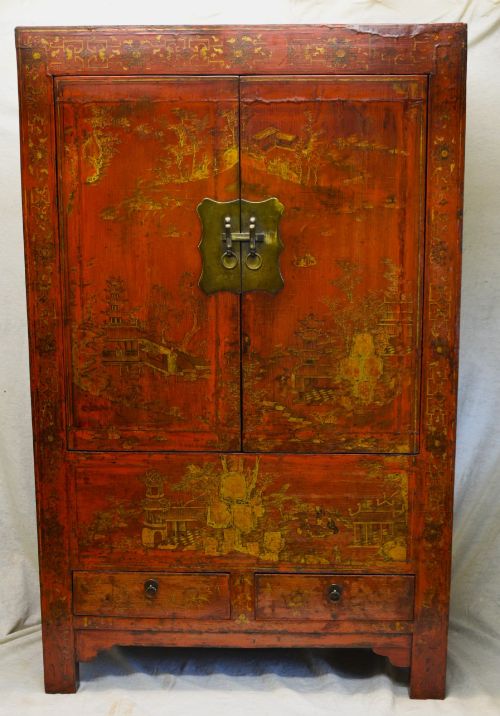
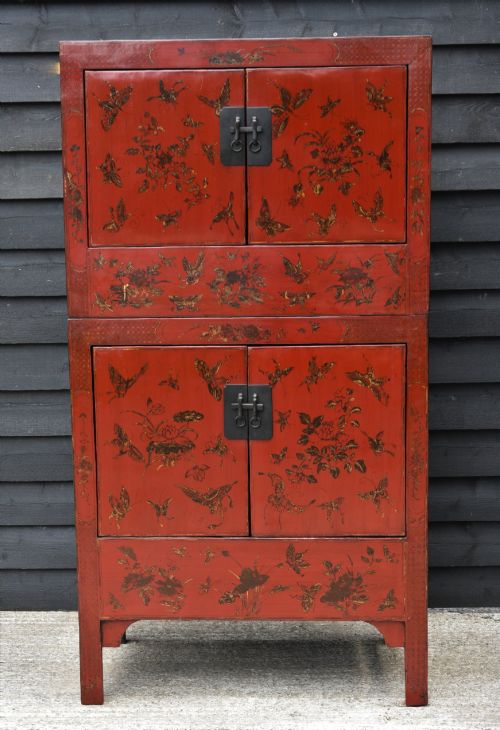
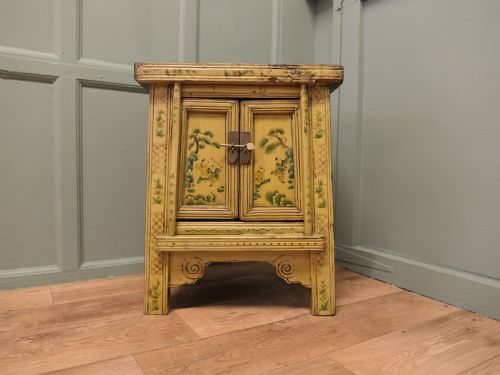
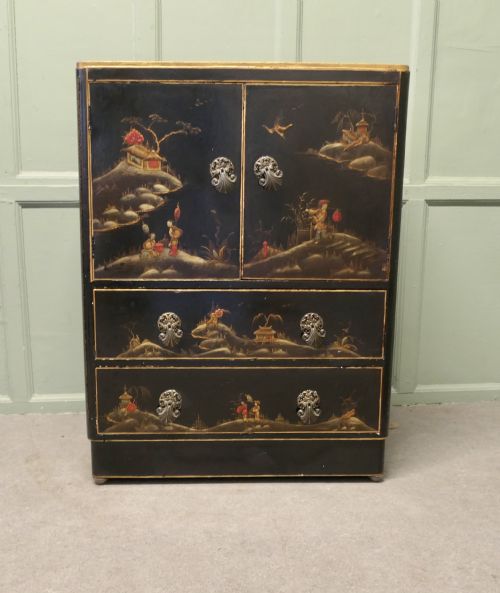
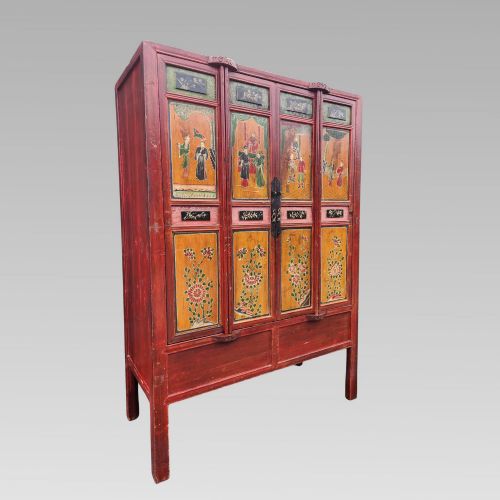
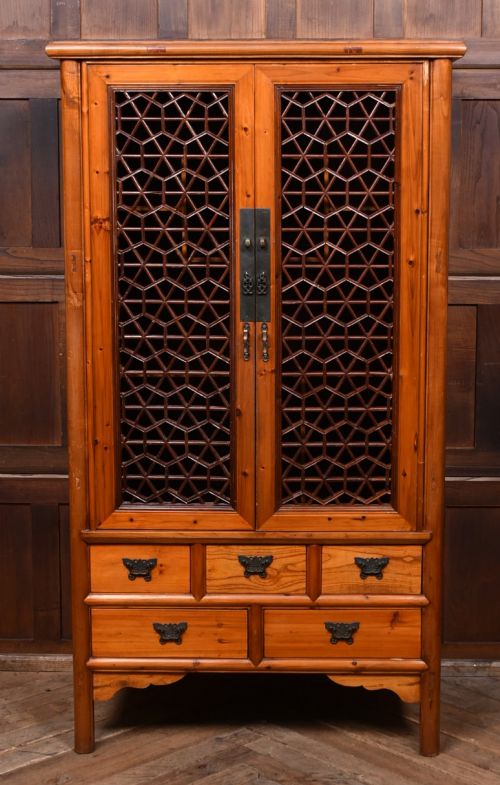
When you search for an oriental storage cupboard, you encounter a diverse range of cabinets, sideboards, and apothecary chests originating from periods spanning the nineteenth and early twentieth centuries. These pieces encompass traditional Chinese marriage cabinets, Japanese tansu chests, and Korean elm storage pieces alongside British and European interpretations in the Chinoiserie style. The most common examples met on this page are nineteenth-century Chinese lacquered cabinets and cupboards featuring red, black, or cream decoration.
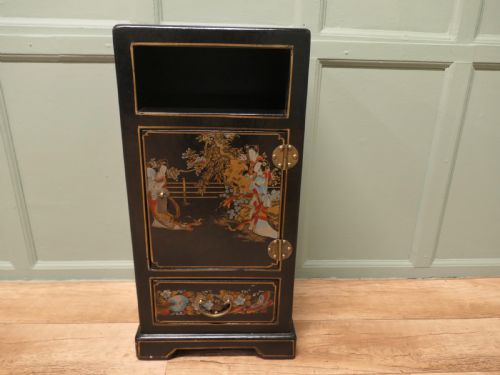
Forms vary from monumental compound cupboards and wedding cabinets to compact table-top units, side cabinets, and multi-drawer apothecary chests. Regional styles emerge strongly, including pieces from Shanxi and Fujian alongside Japanese Meiji period items and Korean painted chests. Buyers select these items to serve as focal storage points in modern interiors, utilising their distinctive silhouettes and painted surfaces.
How they were made
Maker workshops utilised native timbers such as elm, teak, camphor wood, and burr elm as structural foundations for these cabinets. Hardwood frames provided stability, while softer woods served for internal shelving and drawer construction.
Surfaces received multiple coats of lacquer in red, black, or yellow, often paired with hand-painted floral or bird motifs, gilding, and carving. Brass, bronze, and iron hardware including decorative hinges, plates, and lock plates secured the doors and drawers while adding metallic contrast.
Oriental Storage Cupboard Retail Price Guide 2026
Typical asking prices for oriental storage cupboard among the pieces listed under this phrase on Sellingantiques today, from the lower quarter to the upper quarter. They describe what is for sale here now, not the wider market.
Materials represented across the inventory include elm, camphor wood, teak, burr elm, brass, iron, and gilt-adorned lacquered wood.
What varies in quality
Quality rests in the integrity of the original lacquering, the depth of hand-painted or carved detail, and the preservation of the surface finish. Pieces displaying crisp carving, intact gilding, and well-preserved polychrome decoration represent the higher tier of craftsmanship.
Structural honesty and the retention of original brass or iron hardware heavily influence distinction. Items retaining their original stands, unaltered painted schemes, and functional traditional locking mechanisms command greater regard among collectors than heavily restored examples.
Maples and Co
The Oriental Storage Cupboard Glossary
- Chinoiserie
- European decorative style reflecting Chinese artistic influences, popular in furniture and interior design.
- Tansu
- Traditional Japanese mobile storage chest constructed with distinctive metal fittings and specialised drawer arrangements.
- Japanned
- European or British lacquerwork imitating East Asian styles through dark varnishes and raised metallic decoration.
- Marriage cabinet
- Large traditional Chinese cupboard given as a wedding gift, often finished in red lacquer with brass hardware.
- Apothecary cabinet
- Multi-drawer storage chest originally utilised by traditional medicine practitioners for sorting herbs and roots.
Oriental Storage Cupboard: Frequently Asked Questions
Where were these cupboards placed?
Traditional Chinese marriage cabinets and large cupboards stood in primary living areas or sleeping quarters to store garments, linens, and valuables. Smaller side cabinets and apothecary chests functioned in utility spaces, merchant shops, or reception rooms.
Today, buyers place them in living rooms, hallways, and dining spaces where their bold colours and painted panels anchor the room's design scheme.
How do I care for lacquered wood?
Lacquered and painted surfaces require protection from direct sunlight and extreme humidity fluctuations to prevent cracking or fading. Dusting gently with a dry, soft cloth preserves the finish without wearing down delicate gilding.
Avoid chemical polishes and liquid cleaners that can damage historic varnish and paint layers. Applying occasional appropriate wax to unlacquered interior wood maintains the timber's condition.
What is a tansu chest?
A tansu is a traditional Japanese mobile storage chest built for specific domestic functions such as clothing storage or kitchen use. These pieces feature robust wooden frames with prominent iron corner braces and flush drawer pulls.
Characterised by modular stacking ability and practical utility, tansu chests bring industrial warmth and historical craftsmanship into contemporary homes.
How are Chinese and Japanese pieces different?
Chinese storage pieces frequently showcase vibrant red or black lacquer, elaborate brass mounting plates, and painted floral or figural panels. They often take the form of tall wedding cabinets or sideboards with prominent doors.
Japanese cabinetry, such as the mizuya or tansu, emphasises exposed wood grain, functional iron hardware, and multi-drawer arrangements designed for utilitarian storage.