





Qing Dynasty Cupboard
A qing dynasty cupboard brings rich lacquer and solid elm into a room, offering striking storage grounded in centuries of traditional woodworking.
Qing Dynasty Cupboard
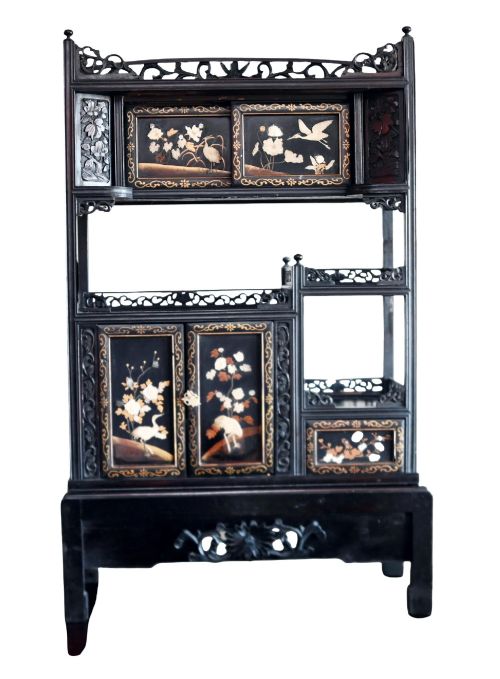
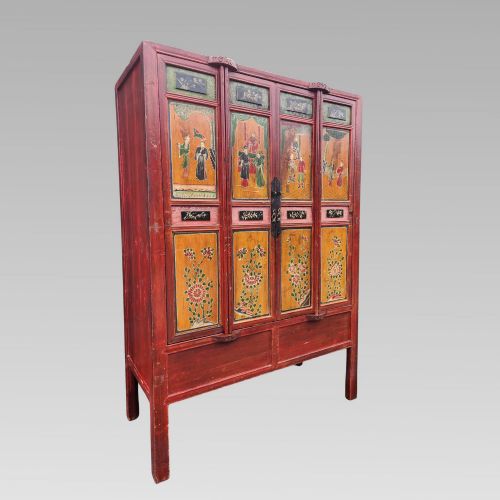
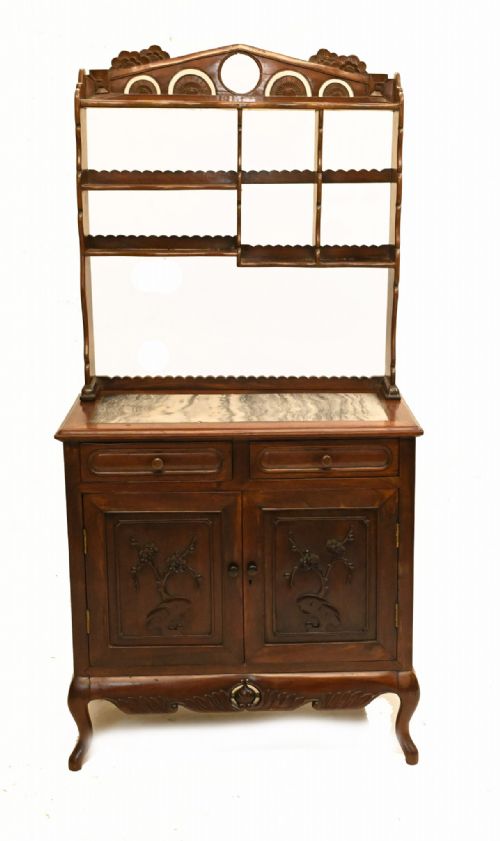
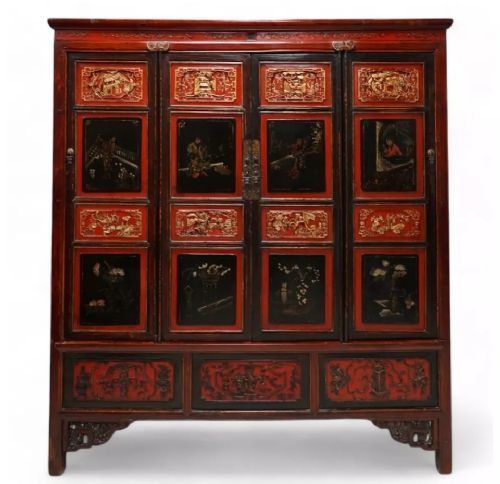
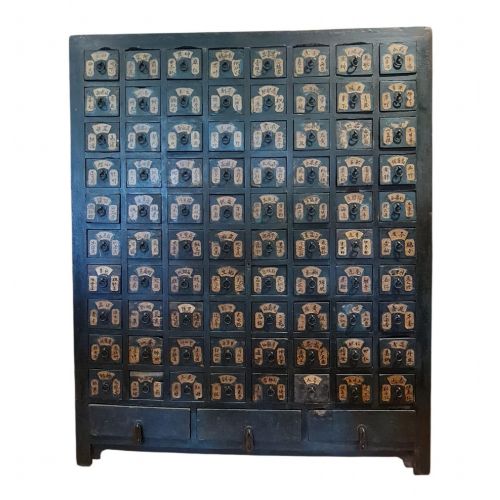
When you search for a qing dynasty cupboard, you encounter substantial storage furniture originating from China, predominantly spanning the nineteenth century. These pieces range from grand red lacquered marriage cabinets to multi-drawer apothecary chests and carved hardwood display cabinets.
The domestic forms on this page include tall compound cabinets, sideboards, and smaller tabletop pieces. Elm and various hardwoods form the structural carcass of many examples, often finished with striking layers of red or black lacquer.
Regional variations appear frequently, connecting specific pieces to provinces such as Shanxi and Fujian. Buyers find both monumental storage cupboards and refined provincial sideboards designed for daily utility and display.
Materials and construction methods
Cabinet makers relied heavily on native timbers like elm and dense hardwoods to build sturdy frames that endure for generations. Joinery techniques often avoided excessive metal nails, utilising interlocking wooden joints to accommodate natural expansion.
Surfaces were frequently sealed with multiple coats of lacquer, sometimes incorporating gold leaf, carved details, or inlaid elements. Brass hardware, including traditional circular plates and pin hinges, secures the doors and drawers across these forms.
Qing Dynasty Cupboard Retail Price Guide 2026
Typical asking prices for qing dynasty cupboard among the pieces listed under this phrase on Sellingantiques today, from the lower quarter to the upper quarter. They describe what is for sale here now, not the wider market.
The listings on this page span the nineteenth century and early twentieth century, featuring elm, hardwood, and lacquered wood.
Distinguishing quality in traditional storage
The standard of a qing dynasty cupboard rests upon the preservation of its original surface finish and the crispness of any carved or gilded decoration. Pieces with intact, deep lacquer layers and original brass mountings display a higher degree of authenticity.
Structural integrity also separates examples, as pieces maintaining their original joinery without heavy timber replacement hold greater integrity. The balance of proportions, from monumental compound cabinets to small sideboards, dictates the visual weight within an interior.
The Qing Dynasty Cupboard Glossary
- Lacquer
- A durable resin finish applied in multiple layers to wooden furniture. It often provides a smooth red or black surface that protects the timber underneath.
- Compound cabinet
- A tall storage form consisting of a main lower cabinet with a smaller matching cabinet stacked securely on top. This design maximised vertical storage space in traditional homes.
- Apothecary chest
- A multi-drawer cabinet originally utilised by traditional medicine practitioners to sort herbs and roots. The numerous small drawers create a distinctive gridded facade.
- Hardwood
- Dense and durable timber varieties used in traditional Chinese furniture construction. These woods support intricate carved details without splitting.
- Gold leaf
- Extremely thin sheets of beaten gold applied to wooden surfaces for decorative highlights. It frequently accentuates carved panels and raised lacquer motifs.
Qing Dynasty Cupboard: Frequently Asked Questions
How do I use a large cabinet today?
A large marriage cabinet or compound cupboard provides substantial wardrobe or linen storage in a modern bedroom or hallway. Its deep interior shelves accommodate bulky items while establishing a strong visual focal point.
Alternatively, these tall cupboards work well in a living area or dining room to store tableware, books, or media equipment behind closed doors. The striking red or black lacquer finishes introduce warmth and colour to neutral interior schemes.
Are these pieces made of solid wood?
Traditional Chinese cabinets and cupboards rely heavily on solid timbers such as elm and various dense hardwoods for their structural frames and panels. These heavy woods provided the necessary strength to support large doors and heavy usage over generations.
Surface finishes like lacquer were then applied over the prepared wooden base to seal and decorate the exterior. This combination of sturdy timber carcasses and protective coatings explains the survival of these pieces.
How do I care for a lacquered surface?
Lacquered furniture requires gentle dusting with a soft, dry cloth to prevent abrasive particles from scratching the glossy finish. Avoid placing these pieces in direct sunlight or near extreme heat sources, which can cause the wood and lacquer to dry out.
Keeping room humidity stable helps protect both the timber substrate and the delicate lacquer layers from cracking. Gentle handling of brass hardware and doors preserves the original mechanics of the cabinet.
What distinguishes provincial styles?
Provincial cabinets often reflect the specific woodworking traditions and aesthetic preferences of regions like Shanxi or Fujian. These pieces may display simpler structural lines or distinct local interpretations of traditional carving and lacquering.
While imperial workshop pieces featured highly refined ornamentation, provincial examples often emphasise robust utility and charming local decorative touches. This regional diversity gives each cupboard its own distinct character.