


Traditional Chinese Cabinet
A traditional chinese cabinet brings centuries of regional craft, elm, and lacquer into a room with striking presence.
Traditional Chinese Cabinet
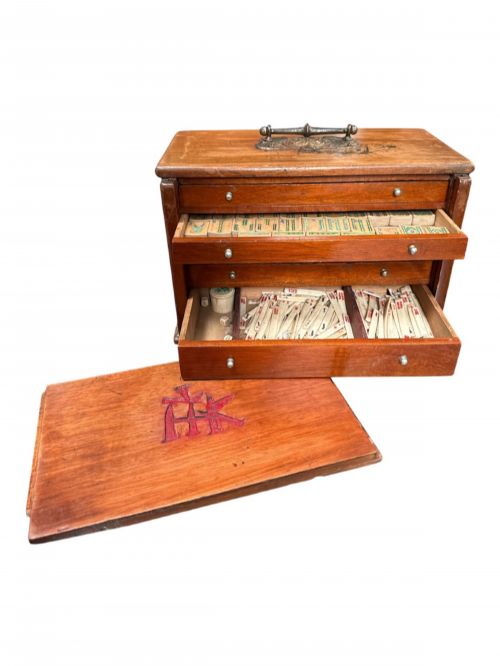
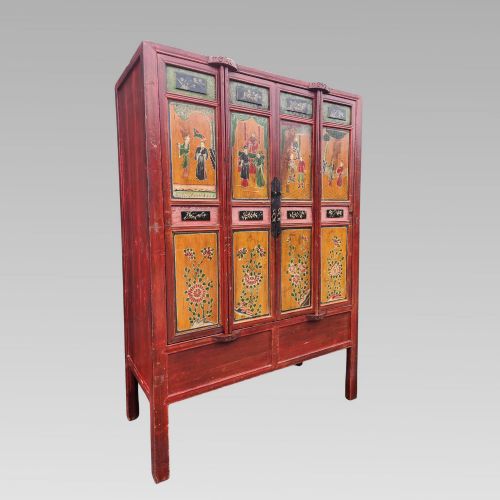
A traditional chinese cabinet encompasses marriage chests, wedding cabinets, compound cupboards, and apothecary drawers spanning the eighteenth and nineteenth centuries. These storage pieces originate from regions such as Shanxi and Fujian, reflecting distinct provincial styles.
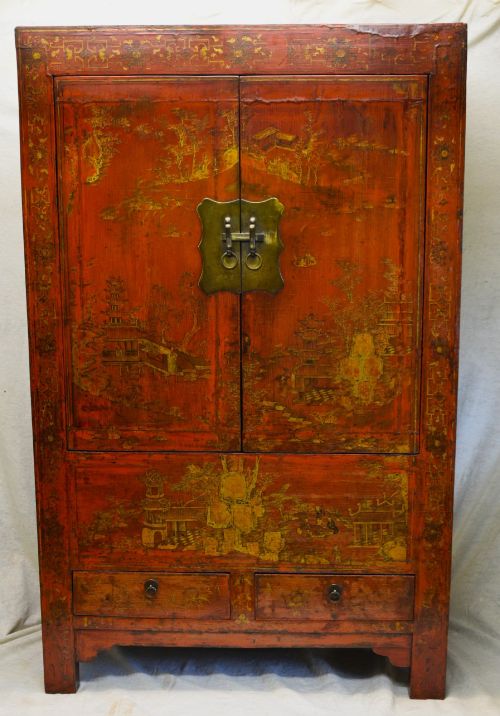
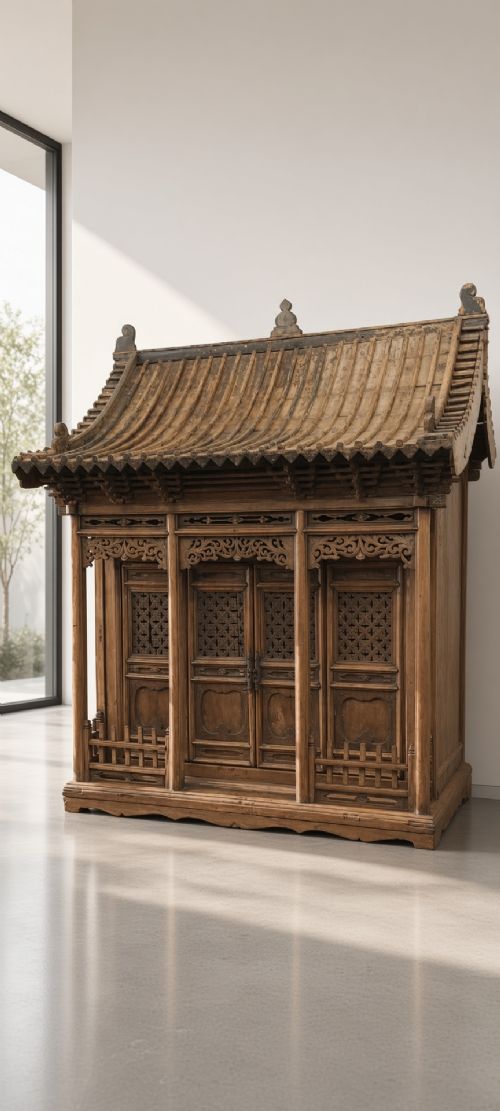
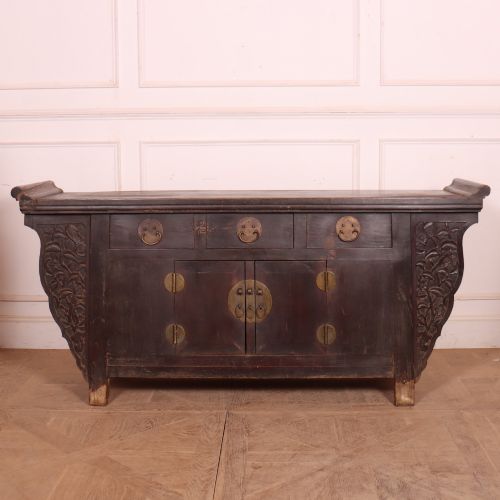
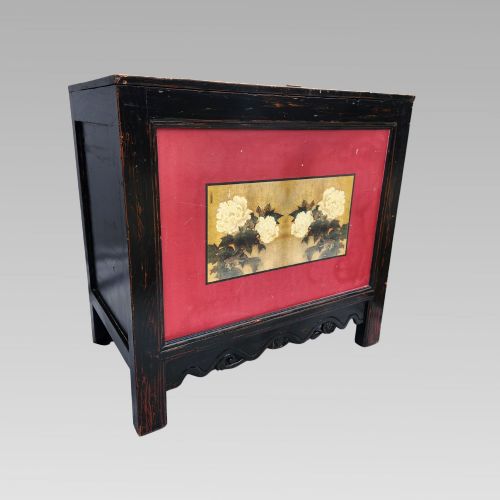
The version most commonly met on this page is the red or black lacquered marriage cabinet, often built from elm or hardwood. Alongside these, sideboards, noodle cabinets, and shrines appear in both Qing Dynasty and Chinoiserie aesthetics.
Buyers look for these cabinets to anchor a space with functional storage while displaying traditional carving, gilding, and metal mountings. Forms range from monumental cupboards to small side cabinets and bedside tables.
Materials and Construction
Elm and various oriental hardwoods form the structural core of these pieces, selected for strength and grain. Camphor wood, zitan, and locust wood variations of elm are also utilised across regional workshops.
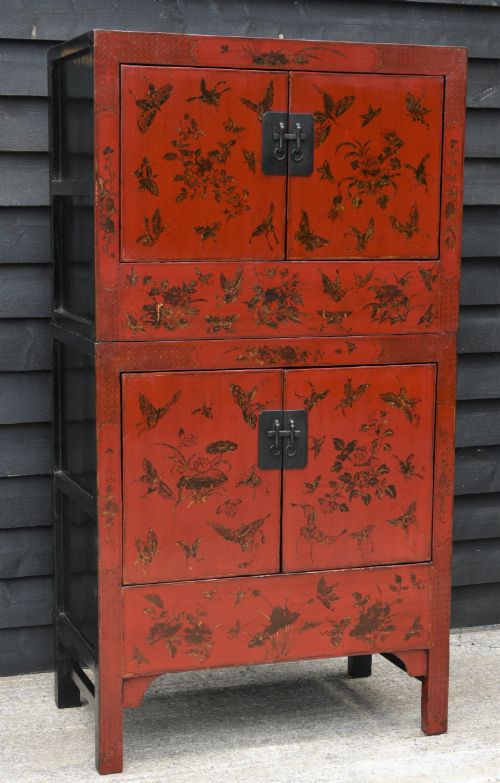
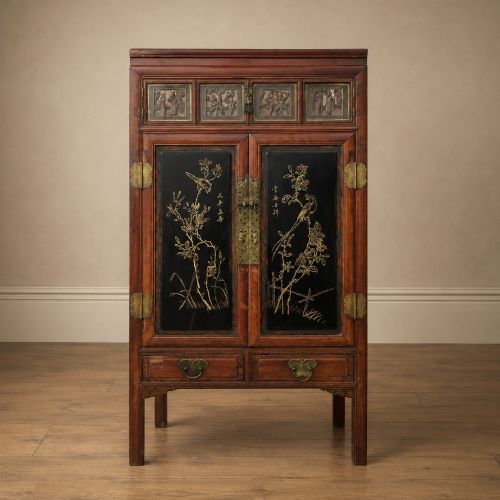
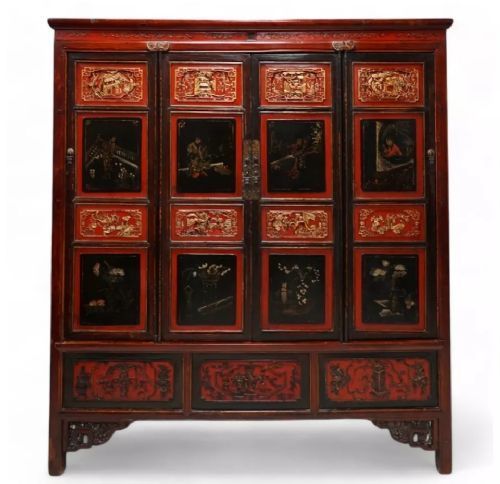
Lacquered wood finishes in red and black provide the iconic surfaces, frequently decorated with floral motifs, birds, and carved relief work. Brass and iron hardware, including hinges and lock plates, secure the doors and drawers.
Joinery traditions allow compound cabinets and chests to assemble without extensive metal fasteners, relying on precise carpentry. Carved and gilded details are applied directly to the hardwood or lacquer layers.
Materials recorded across the inventory include elm, camphor wood, zitan, brass, iron, and lacquered wood.
Assessing Quality and Execution
The distinction between tiers rests in the depth and crispness of the carved decoration, particularly on dragon carvings and floral panels. Finer examples display meticulous control over red and black lacquer layers alongside well-preserved gilding.
Structural integrity of the elm or hardwood frame dictates long-term stability, with superior pieces maintaining original brass or iron hardware. The sophistication of regional provincial styling, from Shanxi proportions to Fujian lacquerwork, defines the upper range.
The Traditional Chinese Cabinet Glossary
- Marriage Cabinet
- A large storage piece traditionally given as a wedding gift, frequently finished in red lacquer with brass hardware. These items often feature double doors enclosing interior shelving.
- Compound Cabinet
- A two-part storage unit consisting of a lower cupboard and a smaller upper top chest, sometimes referred to as a sijiangui. This form maximises vertical storage space in traditional interiors.
- Apothecary Chest
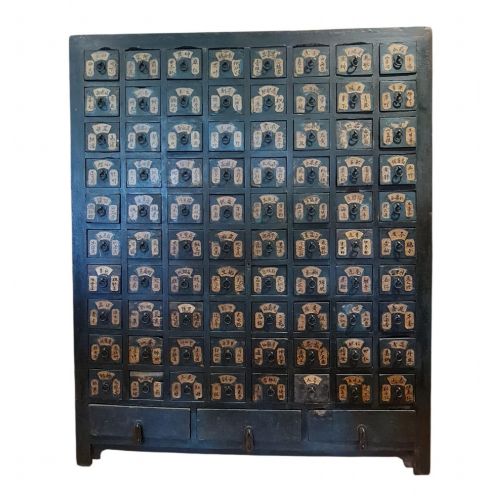
- A multi-drawer cabinet originally utilised for storing traditional Chinese medicine herbs and ingredients. They contain numerous small drawers labelled for specific substances.
- Chinoiserie
- European decorative style imitating Chinese artistic motifs and techniques, appearing on storage chests and cupboards with painted birds and flowers. This aesthetic blends oriental forms with Western taste.
- Lacquer
- A durable resin finish applied in multiple coats to wood surfaces, providing a smooth red or black coating. It protects the timber while accepting detailed carving and gilding.
Traditional Chinese Cabinet: Frequently Asked Questions
What is a traditional chinese cabinet used for?
These cabinets serve as substantial storage furniture in modern homes, holding clothing, linens, or dinnerware behind tall wooden doors.
Their striking red or black lacquer finishes and carved panels also allow them to function as focal decorative art pieces in living areas.
How do I identify a marriage cabinet?
Marriage cabinets typically feature a prominent two-door facade with round brass or iron lock plates and accessible interior shelving.
They frequently display red lacquer surfaces intended to bring good fortune and prosperity to a newlywed household.
What is an apothecary chest?
An apothecary chest is a multi-drawer storage unit designed with dozens of small compartments for medicinal herbs.
In contemporary settings, these low or tall chests provide segmented storage for small household items and collections.
How do Qing Dynasty pieces differ?
Qing Dynasty cabinets incorporate traditional imperial or regional carving styles, utilising dense hardwoods like zitan or lacquered elm.
Provincial examples from areas like Shanxi focus on utilitarian strength combined with simpler regional decorative framing.