


Chinese Coffer Cabinet
A Chinese coffer cabinet brings tactile warmth and historic utility into a room, offering robust storage disguised in rich lacquer or aged timber.
Chinese Coffer Cabinet
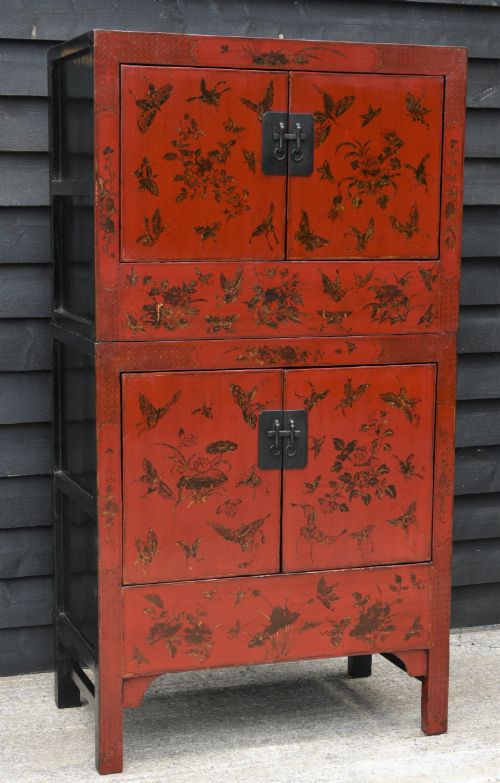
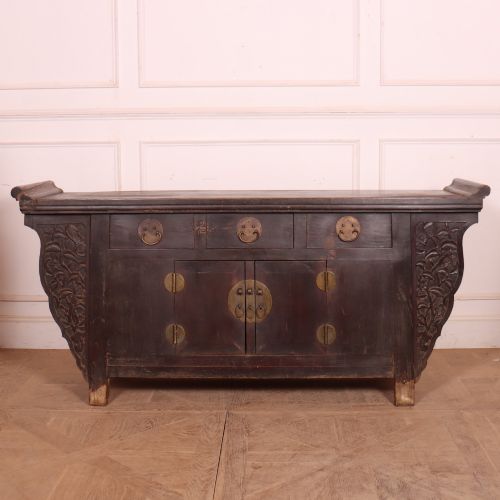
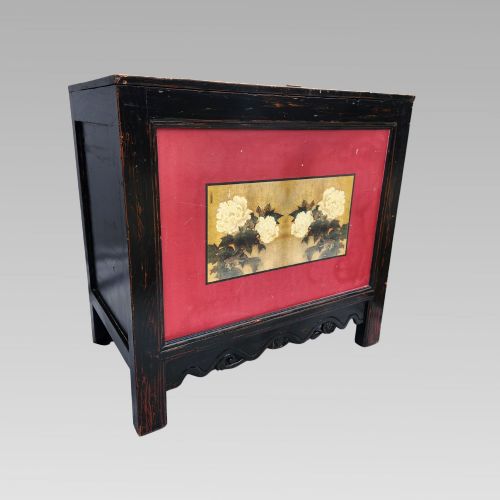
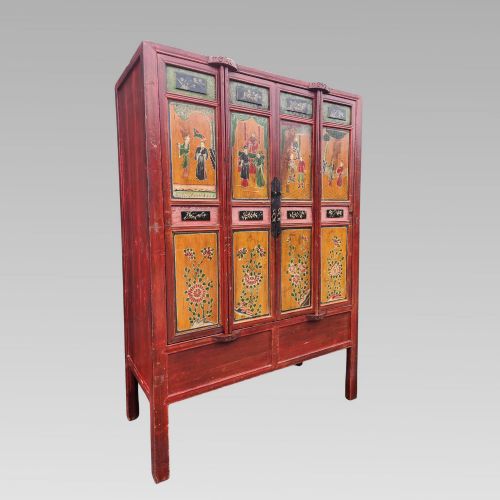
A chinese coffer cabinet represents a blend of domestic utility and traditional craftsmanship, appearing in forms ranging from low sideboards to tall marriage cupboards. These pieces bridge several functional categories on the market, functioning as storage chests, side cabinets, and cupboards.
The versions most commonly met span from the eighteenth century through to the early decades of the twentieth century. Examples often reflect regional aesthetics, including the distinctive style associated with Shanxi province.
Makers utilised various traditional formats, creating pieces that served specific household roles such as wedding storage or general domestic organisation. The enduring appeal lies in their substantial proportions and the interplay of timber and pigment.
Materials and Construction
Construction relies heavily on native timbers such as elm and other sturdy hardwoods, providing the structural skeleton necessary for heavy domestic use. Artisans joined these elements using traditional joinery methods that accommodated seasonal movement in the wood.
Surfaces frequently receive layers of red or black lacquer, sometimes enhanced with applied pigment or detailed floral chinoiserie decoration. Metal elements in brass and iron appear as functional mounts, hinges, and decorative lock plates that secure the doors and lids.
Many a wedding cabinet survived centuries simply because it held the family blankets with more stubborn devotion than the house rats.
Distinctions in Quality
Quality reveals itself through the depth and preservation of the original lacquer finish and the crispness of any carved wooden details. Pieces retaining their early pigment layers and uncompromised structural joinery stand apart from those with heavy later intervention.
The integration of original brass and iron hardware also dictates the standing of an individual piece, as replacement mounts alter the historical integrity. Proportion, balance, and the natural figuring of the elm or hardwood substrate further separate standard examples from superior survivals.
The Chinese Coffer Cabinet Glossary
- Lacquer
- A durable finish made from natural tree sap applied in multiple layers. It provides a glossy, protective surface that accepts pigments and decorative painting.
- Chinoiserie
- European-influenced artistic interpretation of Chinese motifs and styles. This decorative approach became popular in furnishings and surface ornamentation during later periods.
- Elm
- A resilient hardwood utilised extensively in traditional Chinese cabinet making. Its strong grain pattern accepts carving well while providing structural stability.
- Shanxi
- A province in northern China known for distinctive regional furniture traditions. Pieces from this area often exhibit robust proportions and specific decorative treatments.
- Coffer
- A chest or box used for holding valuables and domestic goods. In this context, it forms part of the broader vocabulary of storage furniture.
Chinese Coffer Cabinet: Frequently Asked Questions
What is a Chinese coffer cabinet used for?
These pieces served primarily as secure storage for household textiles, garments, and valuables within traditional homes. Their enclosed spaces kept contents protected from dust and humidity.
Today, they function effectively as sideboards, media consoles, or statement storage units in modern residential interiors.
How do I date a Chinese cabinet?
Dating relies on assessing the timber preparation, the formulation of the lacquer, and the style of the brass or iron hardware. Construction techniques and signs of genuine age in the wood grain also provide reliable indicators.
Earlier pieces often display hand-cut joinery and worn surfaces that reflect centuries of continuous use rather than artificial distressing.
How should I care for lacquered wood?
Maintain lacquered surfaces by keeping them away from direct sunlight and maintaining stable indoor humidity levels. Dust gently with a soft, dry cloth rather than using chemical polishes.
Protect the finish from sharp objects and excessive moisture to preserve the integrity of the original pigment and varnish layers.
What styles of Chinese cabinets exist?
Styles range from austere provincial elm sideboards to ornate red lacquered marriage cabinets decorated with floral motifs. Regional variations, such as Shanxi provincial designs, offer distinct architectural profiles.
Chinoiserie examples reflect cross-cultural design exchanges, while traditional pieces adhere strictly to classic domestic forms.