



Traditional Chimney Glass
Traditional chimney glass encompasses the decorative overmantel mirrors and oil lamps designed to sit above fireplace hearths during the nineteenth and early twentieth centuries.
Traditional Chimney Glass
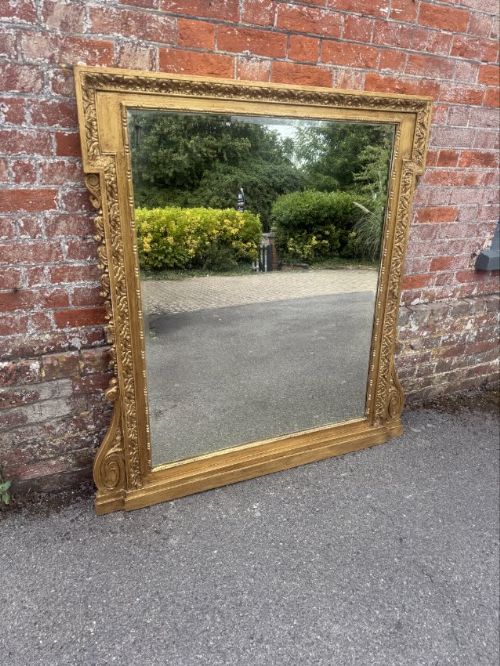
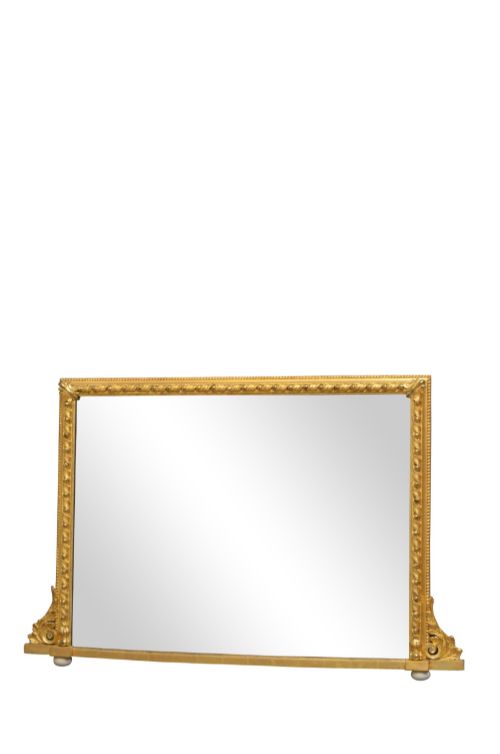
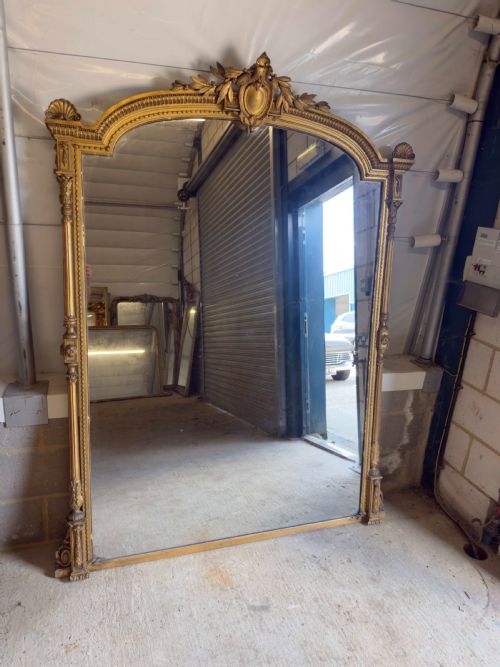
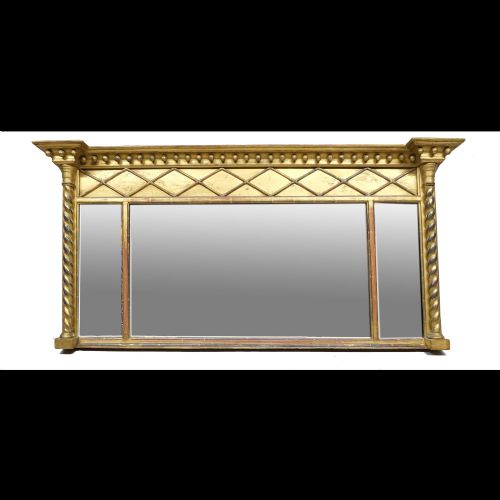
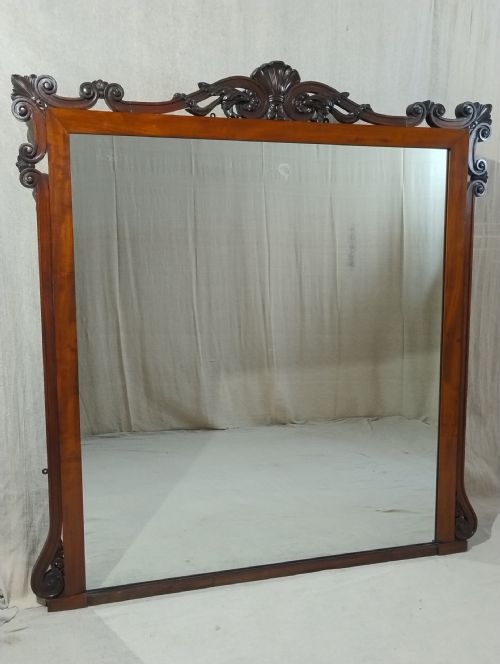
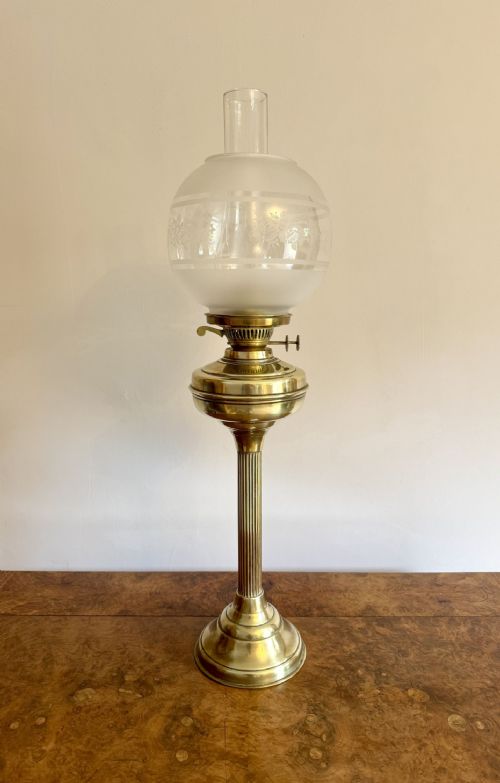
Traditional chimney glass primarily manifests as large overmantel mirrors and functional oil lamps positioned above fireplace mantels. Overmantel mirrors dominate the selection, spanning Victorian, Edwardian, and Regency periods with architectural arched tops and rectangular frames.
Makers fashioned these pieces to bounce hearth light around a room and anchor the chimney breast visually. Alongside mirrors, lighting fixtures in brass and glass provide secondary options for the fireside setting.
Materials and construction methods
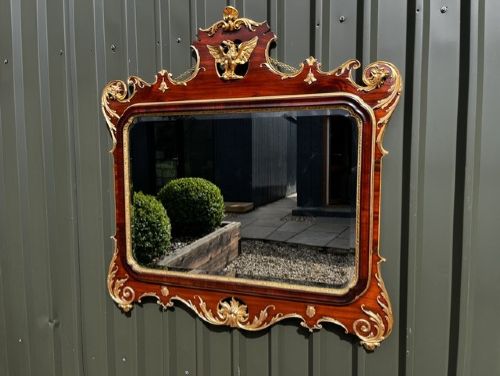
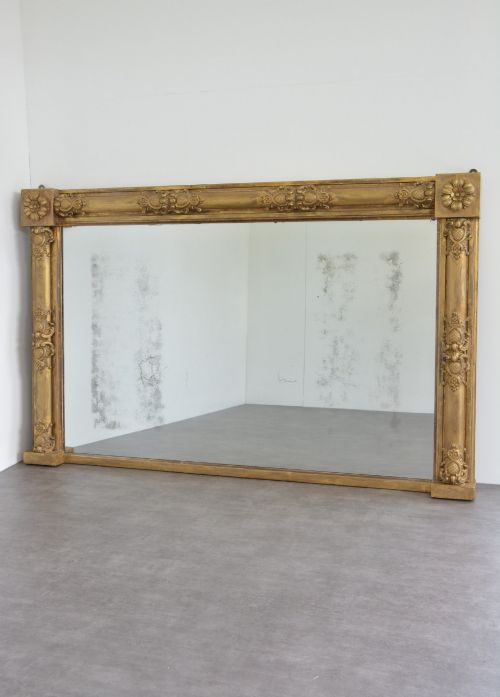
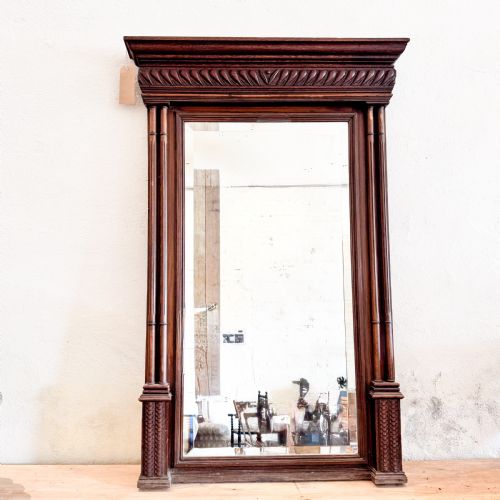
Carved wood, gesso, and giltwood form the structural basis for most frames, utilising gold leaf or paint finishes to achieve gilded surfaces. Craftsmen built mahogany, walnut, and rosewood alternatives alongside these, sometimes incorporating marquetry or inlay details.
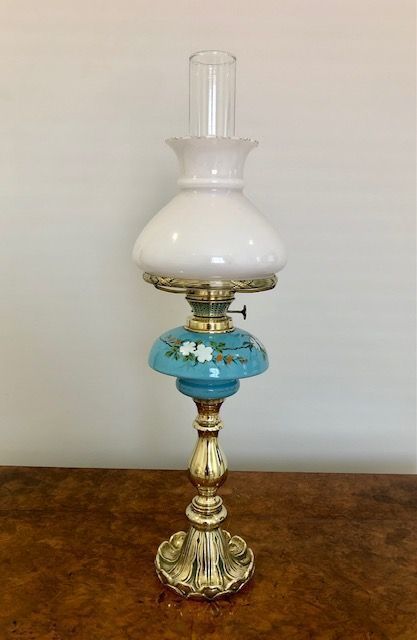
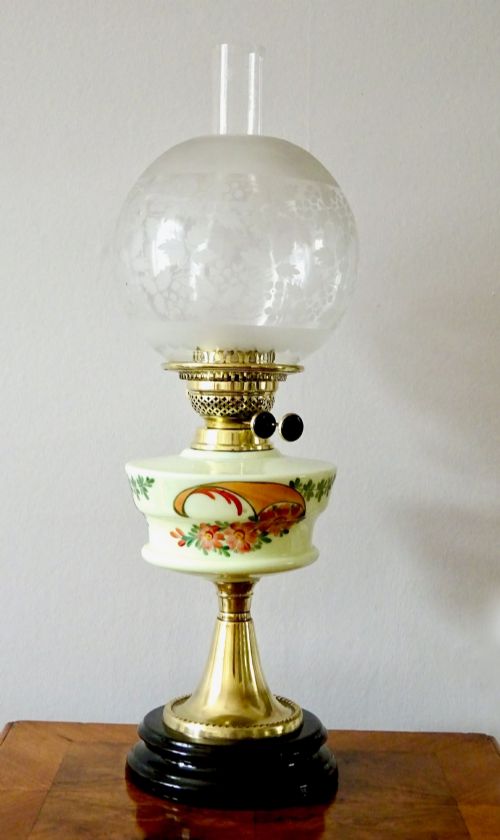
Mirror glass plates sit within these frames, frequently displaying natural foxing from age, while lighting pieces combine turned brass, cut glass, and opaline shades.
Traditional Chimney Glass Retail Price Guide 2026
Typical asking prices for traditional chimney glass among the pieces listed under this phrase on Sellingantiques today, from the lower quarter to the upper quarter. They describe what is for sale here now, not the wider market.
Listings for traditional chimney glass feature pieces spanning the Regency era through to the Edwardian period, constructed from mahogany, giltwood, brass, and rosewood.
Factors influencing quality
Depth and crispness of hand-carved gesso ornamentation separate standard frames from superior examples. The execution of water gilding and the preservation of original mirror plates dictate the standing of an overmantel piece.
Brass oil lamps vary according to the heaviness of their metal castings and the intricacy of their cut glass or opaline reservoirs.
Messengers·Harrods
The Traditional Chimney Glass Glossary
- Overmantel mirror
- A large wall glass specifically designed to hang or rest on the mantelpiece above a fireplace. These frequently feature landscape orientations or arched tops to fit architectural proportions.
- Gesso
- A plaster-like mixture applied to wood frames to create a smooth surface for gilding. Artisans carved intricate decorative motifs directly into this dried layer.
- Foxing
- Discolouration and small dark spots within the silver backing of older mirror plates. This chemical ageing process develops naturally over decades.
- Water gilding
- A traditional technique applying thin sheets of gold leaf over a wet clay base called bole. This method allows the metal to be burnished to a high gloss.
- Opaline shade
- A milky, translucent glass globe used on oil lamps to diffuse light softly. These shades appear in various pastel tones on period lighting.
Traditional Chimney Glass: Frequently Asked Questions
Where should a chimney glass be placed?
These pieces belong directly above a fireplace mantelpiece where their proportions mirror the opening below. They anchor the main wall of a principal reception room.
Positioning them here also allows the reflective surface to bounce ambient daylight and candlelight across the interior space.
How do I identify a Regency mirror?
Regency frames lean towards classical architectural restraint, often utilising smaller proportions and specific timber choices like walnut or gilded finishes. Their silhouettes eschew heavy Victorian ornamentation in favour of cleaner lines.
Examining the construction methods and backboards helps confirm the early nineteenth-century origin.
Were oil lamps used for lighting?
Period oil lamps provided primary illumination on tables and mantels before widespread domestic electricity. They burned paraffin or other oils drawn up through a wick.
Glass chimneys protected the flame while opaline shades softened the glare in daily household use.
What is foxed glass?
Foxed glass refers to the speckled degradation found behind antique mirror plates as the silvering oxidises. This creates mottled patches that do not obscure the reflection entirely.
Collectors prize this characteristic as genuine proof of age rather than a defect.