



Traditional Central Asian Textile
A traditional central asian textile brings bold geometric tribal weaving and embroidered silk panels into contemporary interiors.
Traditional Central Asian Textile
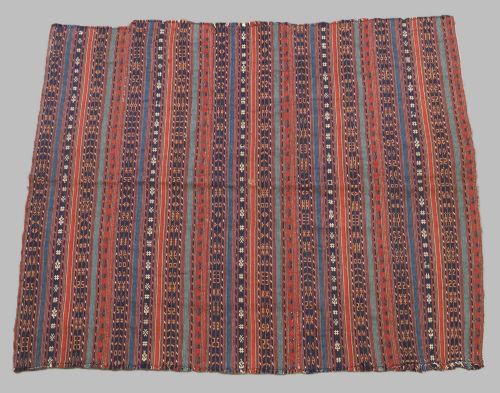
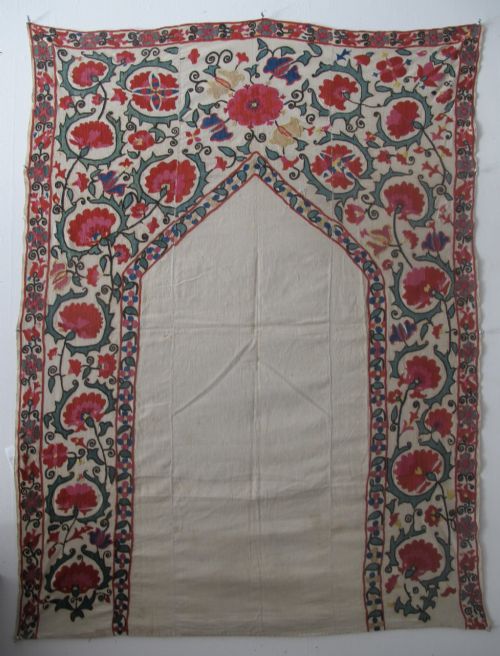
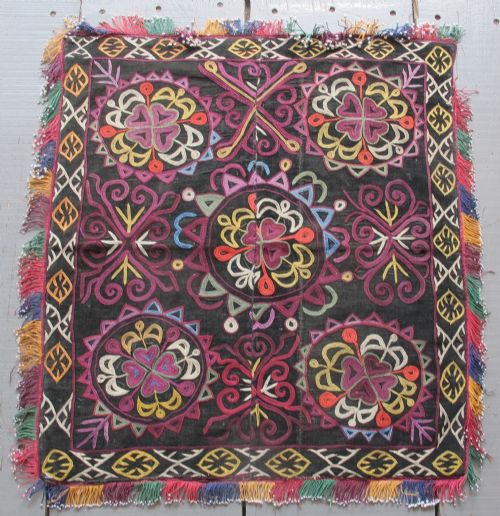
A traditional central asian textile encompasses woven rugs, nomadic bags, embroidered wall hangings, and tailored garments produced across the region. Buyers seek these items for their rich historic character, complex tribal patterns, and vibrant natural palettes.
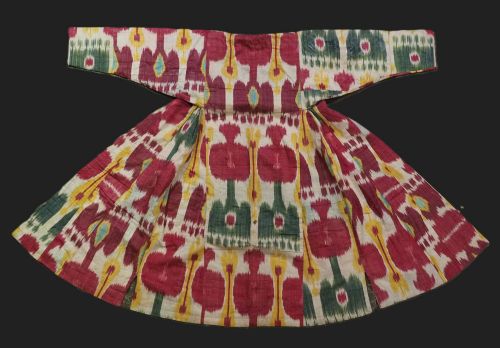
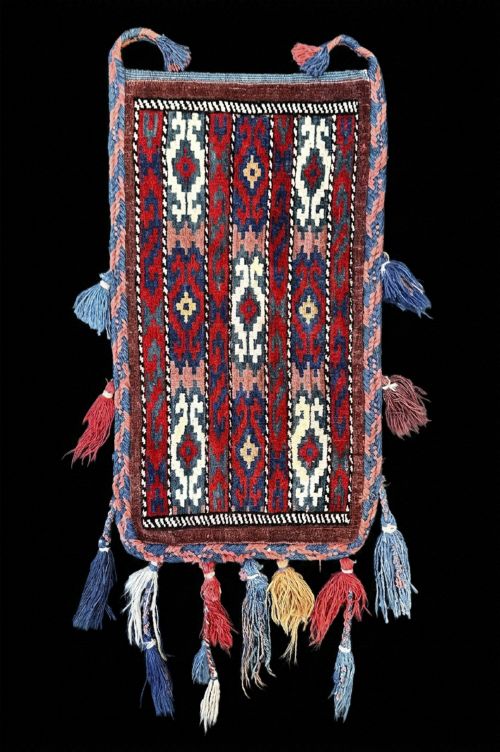
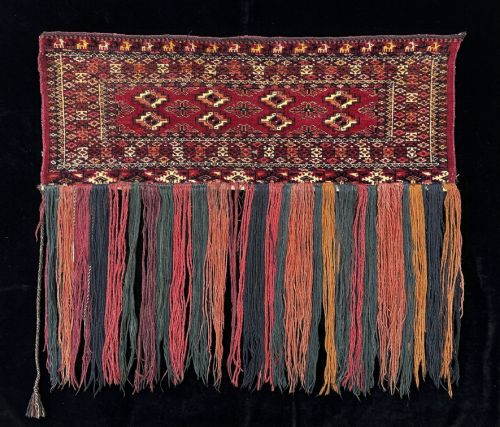
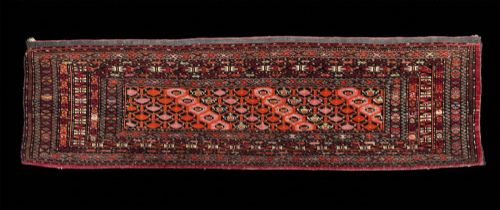
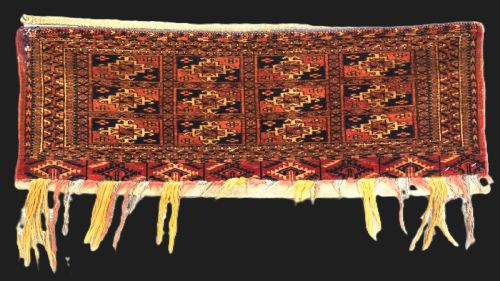
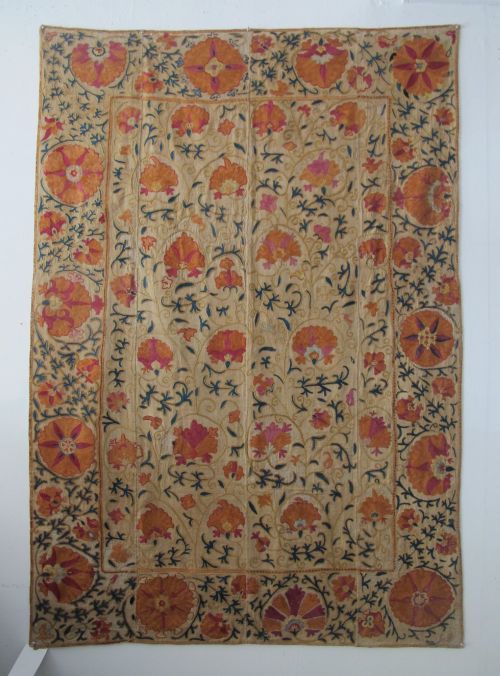
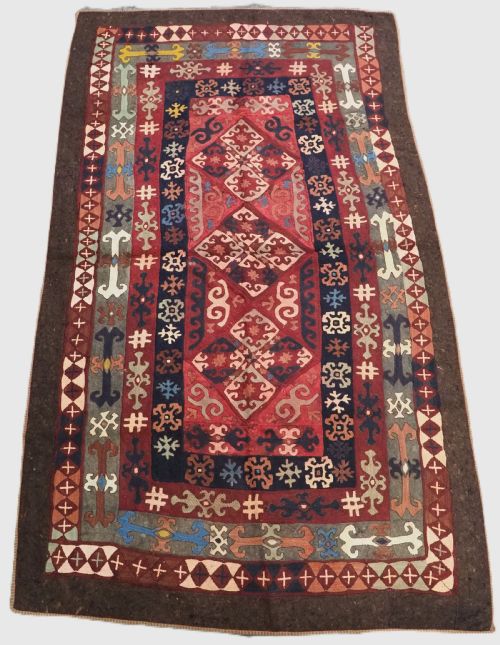
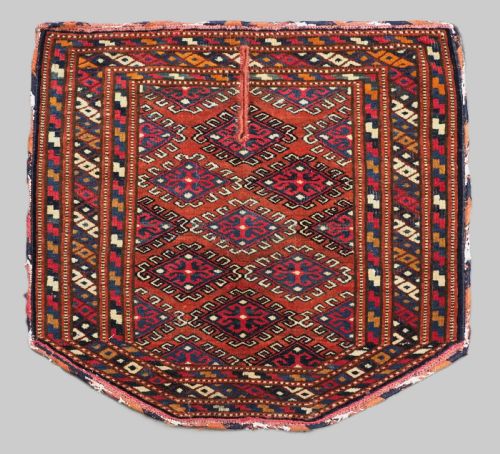
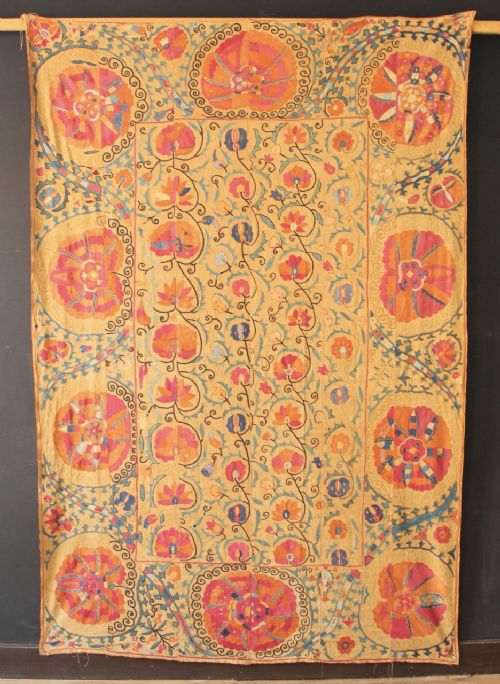
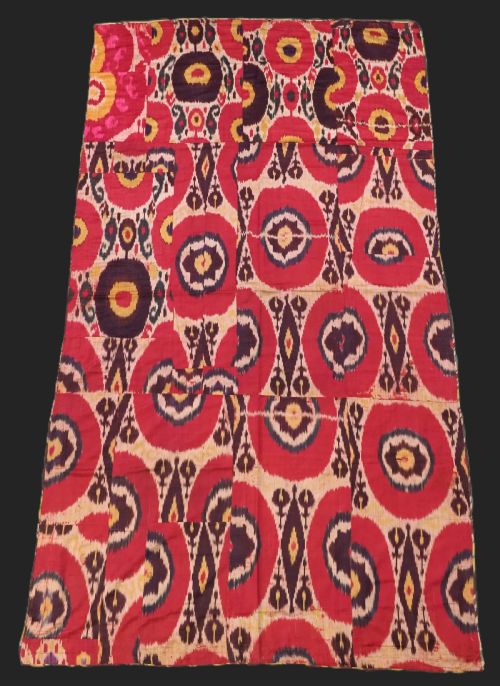
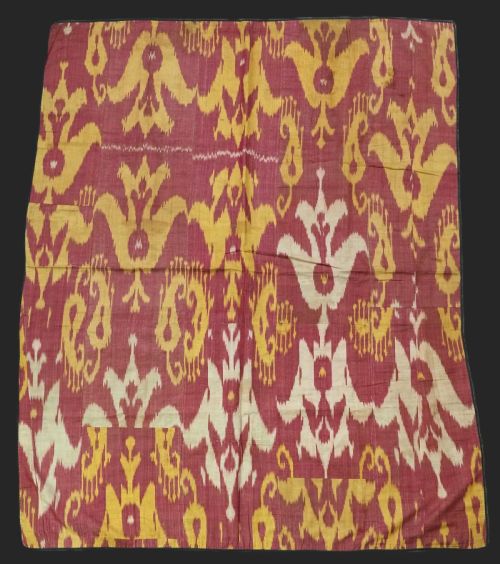
The selections encountered on this page span from the mid nineteenth century through the early twentieth century. Common forms include large embroidered suzanis from Uzbekistan, tribal torbas and chuvals from Turkmen groups, and patterned ikats.
Makers utilised various grounds ranging from plain cotton and wool to silk and felt. Each piece reflects the distinct aesthetic of nomadic and oasis communities.
How They Were Made
Ikat fabrics involve tie-dyeing warp threads before weaving to create distinctive blurred pattern edges. Nomadic items incorporate pile weaving, plain weave, and heavy felted wool for functional durability.
Traditional Central Asian Textile Retail Price Guide 2026
Typical asking prices for traditional central asian textile among the pieces listed under this phrase on Sellingantiques today, from the lower quarter to the upper quarter. They describe what is for sale here now, not the wider market.
Listings span several decades between the mid nineteenth century and the early twentieth century, incorporating cotton, silk, wool, and felt.
What Varies in Quality
Quality rests in the precision of the needlework, the complexity of the design layout, and the saturation of the dye work. Finer suzanis display minute, dense silk stitches across extensive surface areas, whereas simpler pieces utilise looser execution.
Material choice also dictates grade, with pure silk grounds and intricate metal thread brocade representing more ambitious commissions. The integrity of the weave and the preservation of original backings further separate standard utilitarian objects from finer examples.
The Traditional Central Asian Textile Glossary
- Suzani
- An embroidered hanging produced in Uzbekistan and surrounding regions, typically featuring floral and vine motifs worked in silk on a cotton or linen ground.
- Ikat
- A dyeing technique where yarn bundles are tightly wrapped and dyed prior to weaving, producing characteristic hazy pattern outlines.
- Torba
- A small horizontal Turkmen storage bag traditionally hung inside a tent, featuring intricate tribal guls.
- Chyrpy
- A ceremonial ladies coat heavily embroidered with silk thread, worn over the head by Turkmen women.
- Gul
- A medallion or repeating primary motif used in Turkmen carpet and textile design.
Traditional Central Asian Textile: Frequently Asked Questions
How were suzanis used originally?
These large embroidered panels served multiple domestic functions within traditional households, often acting as bridal furnishings, wall decorations, or bed covers.
Families valued them as symbols of status and artistic accomplishment, displaying them proudly during weddings and other significant ceremonies.
What is an ikat coat called?
Tailored garments made from patterned silk and cotton fabrics are commonly known as khalats or chapan coats.
These robes were worn by men and women alike across urban centres like Bukhara and Samarkand, often quilted with cotton padding for winter warmth.
How do I care for antique textiles?
Protect delicate embroidered and woven pieces by mounting them away from direct sunlight to prevent natural dye fading.
Vacuum very gently through a protective mesh screen if cleaning is necessary, avoiding any harsh chemical treatments.
Which tribes made tribal bags?
Nomadic groups such as the Yomut, Tekke, Saryq, and Ersari produced utilitarian bags like torbas and chuvals across the steppes.
Each tribe utilised specific geometric motifs and colour combinations to identify clan lineages and heritage.