





Traditional Caucasian Runner Rug
When you search for a traditional caucasian runner rug, you are looking at hand-knotted tribal floor coverings designed to bring geometric energy to long hallways.
Traditional Caucasian Runner Rug
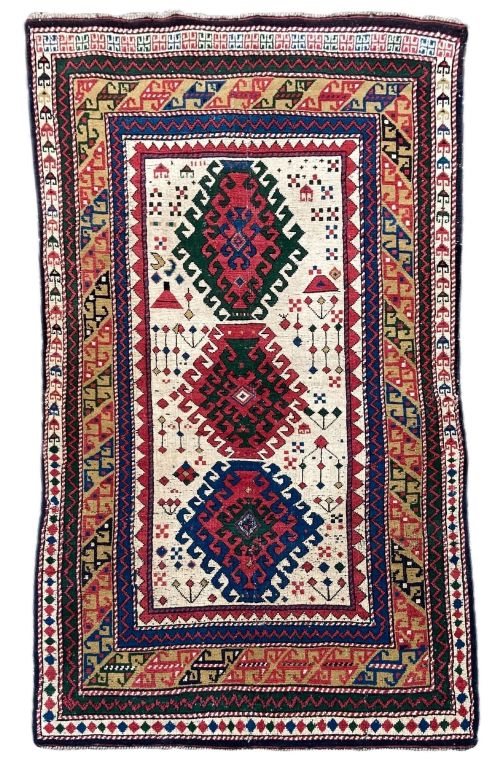
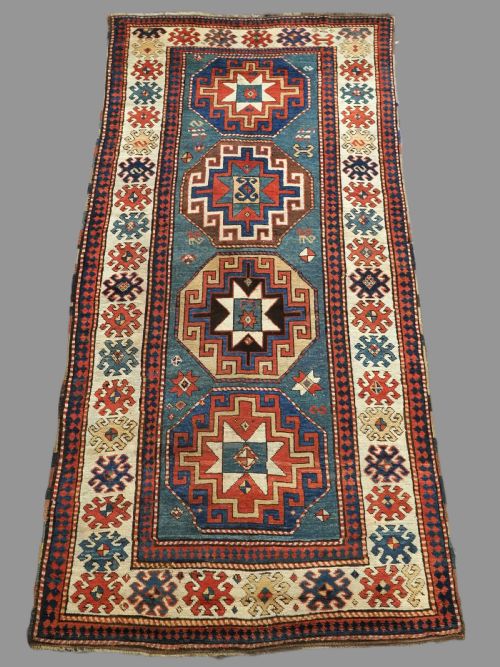
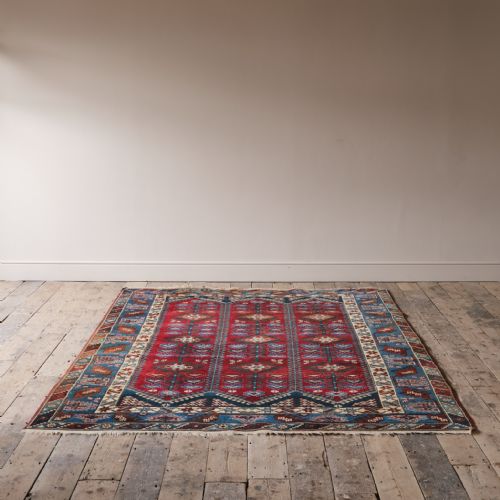
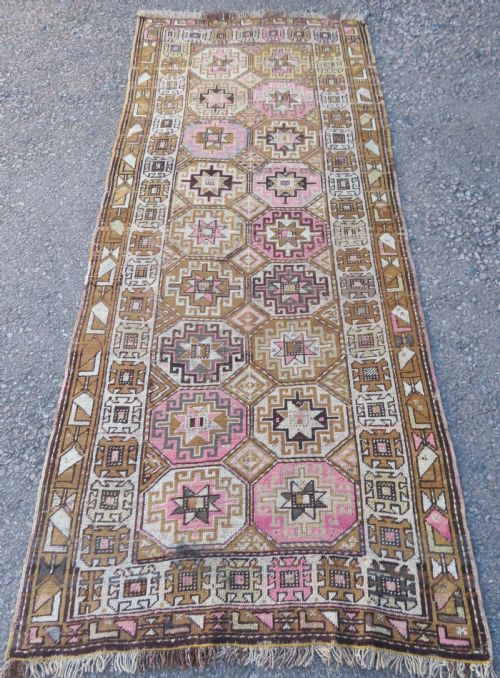
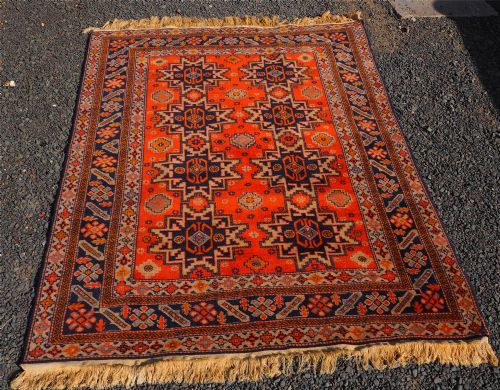
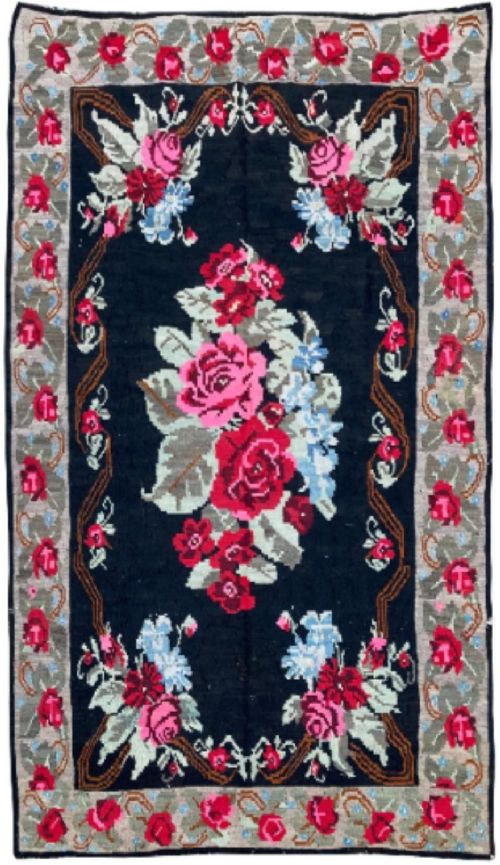
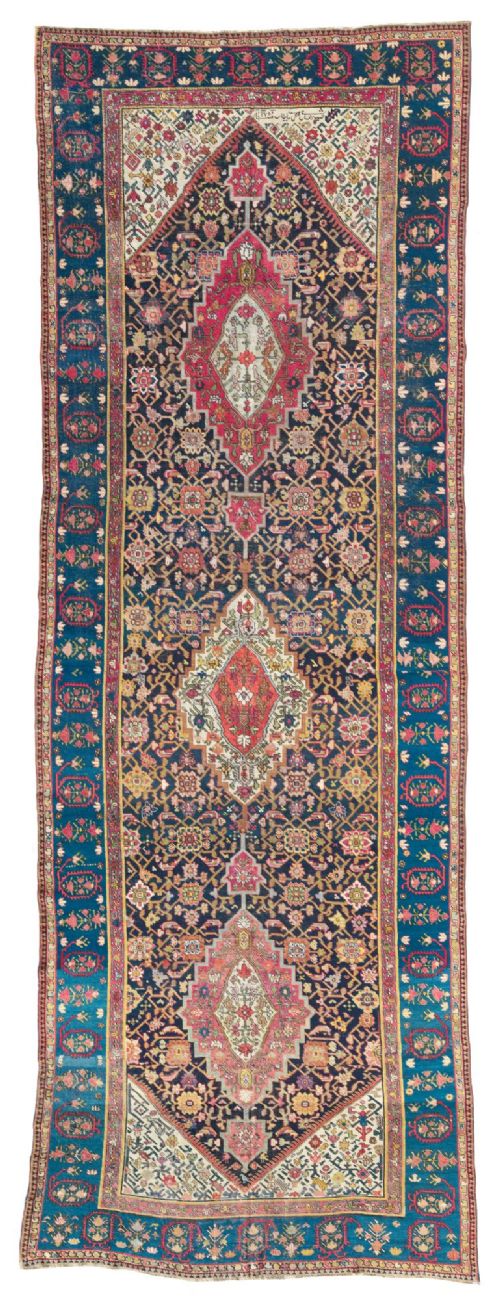
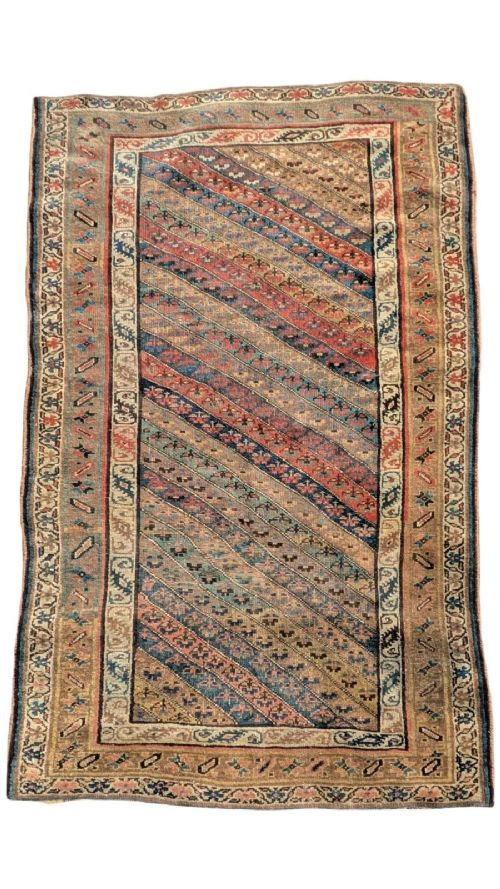
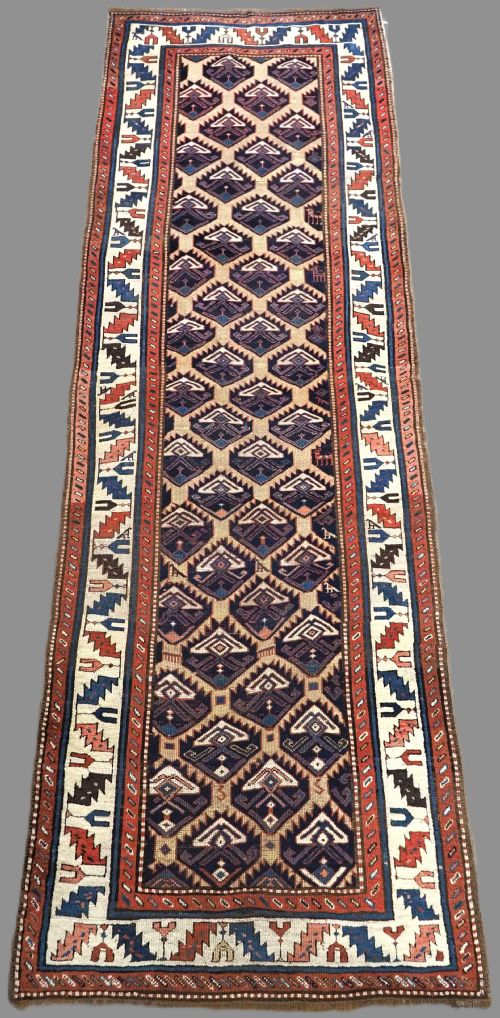
A traditional caucasian runner rug embodies the bold geometry and tribal artistry of the Caucasus region, spanning the nineteenth and early twentieth centuries. These pieces encompass specific regional identities such as Kazak, Karabagh, Shirvan, Gendje, and Daghestan, often featuring distinctive lattice designs, animal motifs, or Lezghi stars. Buyers encountering this selection will find elongated formats suited for corridors alongside wider village carpets and flat-woven kilims.
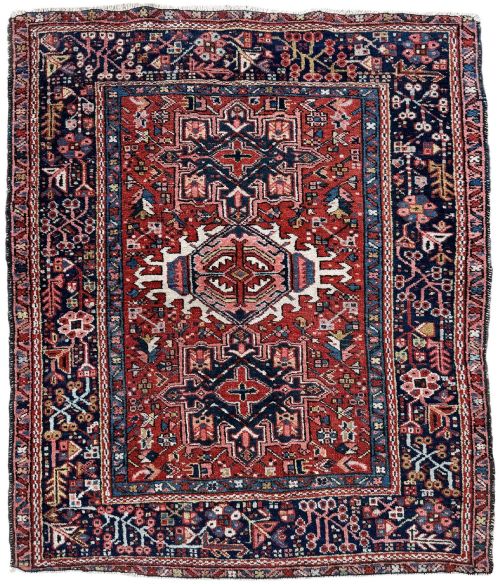
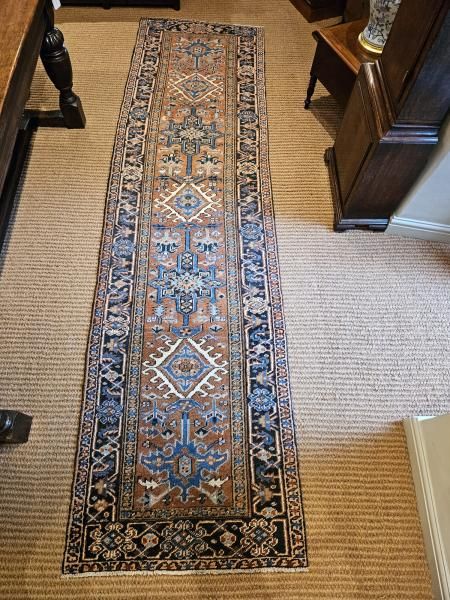
The aesthetic bridges several tribal and regional traditions, occasionally intersecting with Persian styles like Heriz, Gorevan, and Kurdish output. Pieces date from the mid nineteenth century through to the 1940s, capturing a period when hand-knotting remained entirely rooted in domestic or local workshop traditions. The formats range from narrow hallway runners to expansive carpets, all sharing a distinct vernacular of pattern and palette.
Materials and Construction
The physical structure of these pieces relies primarily on wool piles knotted onto cotton or wool foundations, executed through traditional hand-knotting techniques. Artisans utilised hand-spun wool which absorbed natural dyes unevenly, creating the rich, mellow variations in tone visible across the surface. Flat-weave kilim variants dispense with the pile entirely, relying instead on interlocking warp and weft threads to form flat geometric textiles.
Natural dyestuffs dictate the colour lexicon of the pieces, interacting with the lanolin-rich wool over decades of oxidation and wear. The labour-intensive hand-knotting process meant each textile took months to complete, resulting in dense, durable foundations built for heavy traffic areas like hallways and country house corridors.
Listings span periods from the mid-nineteenth century up to 1940, incorporating materials such as hand-spun wool, cotton, and natural dyes across multiple Caucasian and Persian tribal styles.
Evaluating Quality and Character
Quality in these textiles rests upon the clarity of the tribal drawing, the saturation of the natural dyes, and the integrity of the wool. Finer examples display crisp geometry in medallions and lattice work, where the dyer's art produces depth and subtle shifts in hue across the field. The handling of secondary borders and the precision of animal motifs or star symbols further distinguish accomplished village weaving from routine commercial output.
Structural resilience also dictates the upper tier of the range, where densely packed hand-knots ensure the pile maintains its resilience over generations. The transition from stiff geometry to more organic, slightly eccentric drawing adds individual character without compromising the structural rhythm of the runner.
Fachralo Kazak·Karabagh Kelleh·Shahsavan rug·Seychor Runner·Gendje or Shahsavan
The Traditional Caucasian Runner Rug Glossary
- Kazak
- A style of rug originating from the southwestern Caucasus, celebrated for bold geometric medallions, primary colours, and sturdy hand-knotted wool construction.
- Kilim
- A flat-woven carpet or rug produced without a pile, relying on tightly interlaced warp and weft threads to create sharp geometric patterns.
- Natural Dyes
- Colourants derived from plants, insects, and minerals before the advent of synthetic alternatives, prized for their ability to mellow gracefully over time.
- Warp
- The vertical foundation threads stretched tightly on the loom, onto which the wool pile is hand-knotted and held by the horizontal weft.
Traditional Caucasian Runner Rug: Frequently Asked Questions
How do I style a hallway runner?
Place the runner centrally in a hallway or corridor to anchor the space with strong geometric patterns and rich natural colours. Ensure there is adequate margin between the edges of the rug and the skirting boards to let the floorboards frame the textile.
Because these pieces were historically woven for heavy domestic use, they withstand daily foot traffic well while adding warmth and historical character to functional transitional spaces.
What is a Kazak rug?
A Kazak rug is a specific type of hand-knotted textile originating from the Caucasus region, traditionally produced by village weavers using wool and natural dyes. They are easily recognised by their bold, geometric medallions and strong primary colour palettes.
These pieces date predominantly from the nineteenth and early twentieth centuries, valued for their primitive charm and robust structural integrity.
How are different regional types told apart?
Regional attribution relies on specific combinations of border designs, colour saturation, and structural quirks like knot density and foundation materials. For instance, Daghestan pieces often favour crisp lattice work, while Karabagh examples lean towards softer tones and floral influences.
Examining the motifs, such as Lezghi stars or animal figures, helps narrow down whether a piece hails from the Shirvan, Kazak, or Kurdish traditions.
Are flat-weave kilims durable?
Flat-weave kilims lack a raised pile, meaning the structural design is woven directly into the warp and weft threads. This construction makes them lighter and reversible, though they still offer robust performance in domestic settings.
Their slim profile makes them particularly suitable for areas where doors need to swing freely over the floor covering.