


Handwoven Hallway Rug
A handwoven antique hallway rug brings durable tribal character and centuries of regional weaving tradition straight to narrow passageways.
Handwoven Hallway Rug
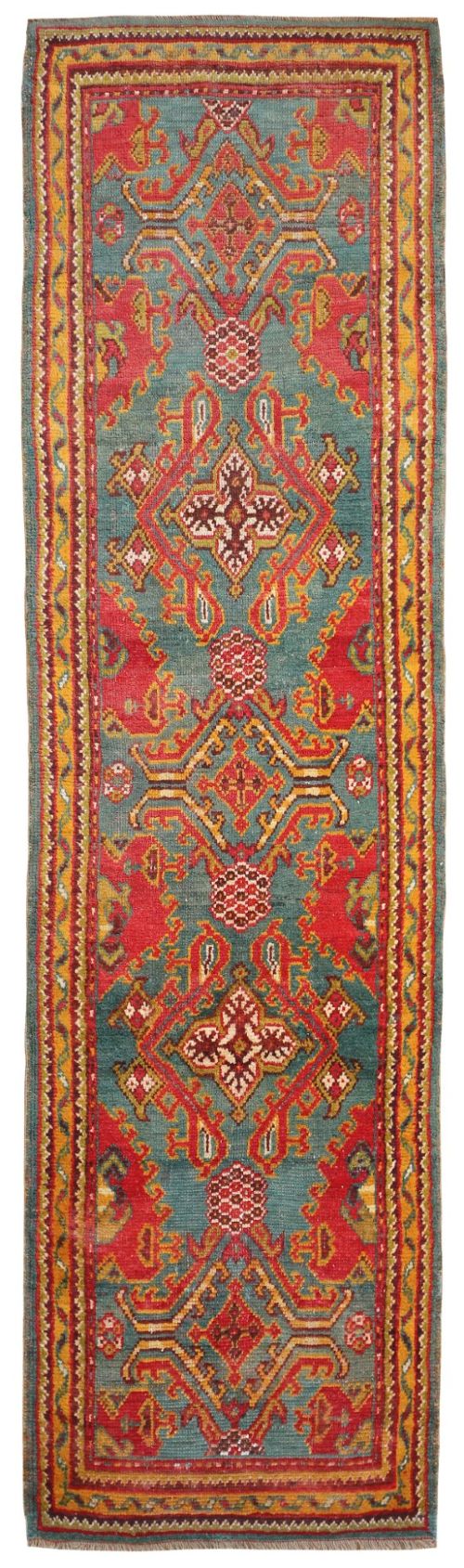
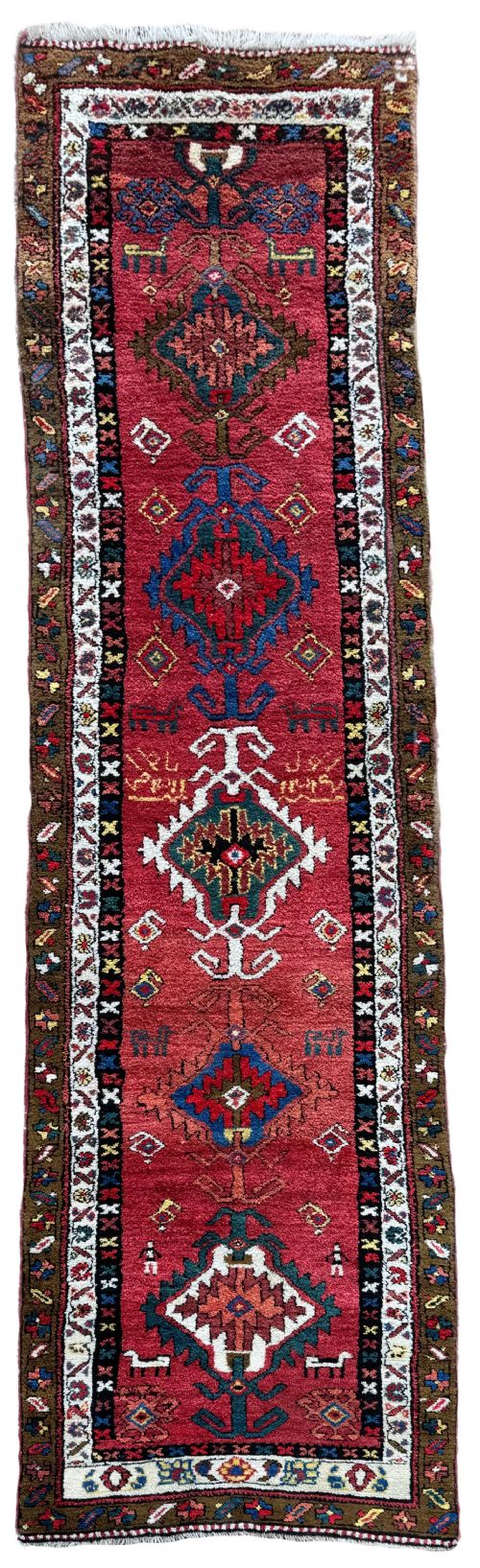
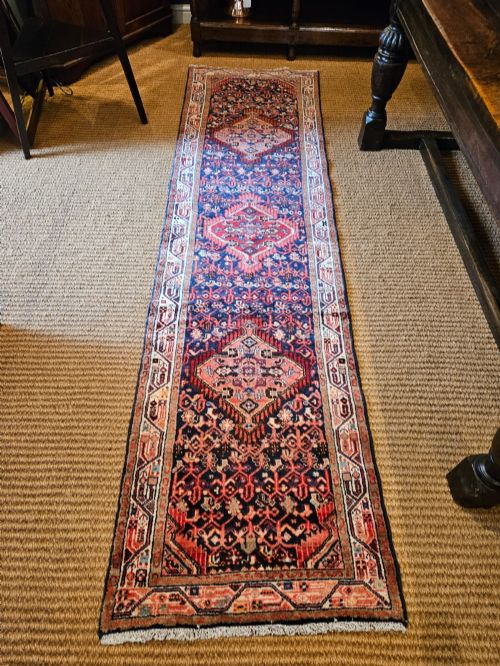
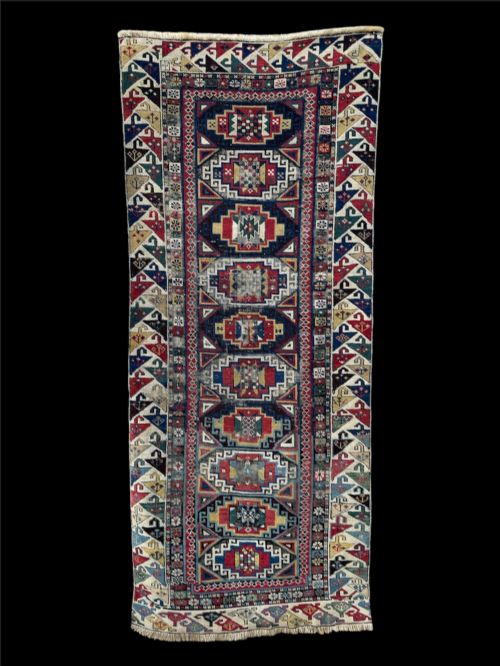
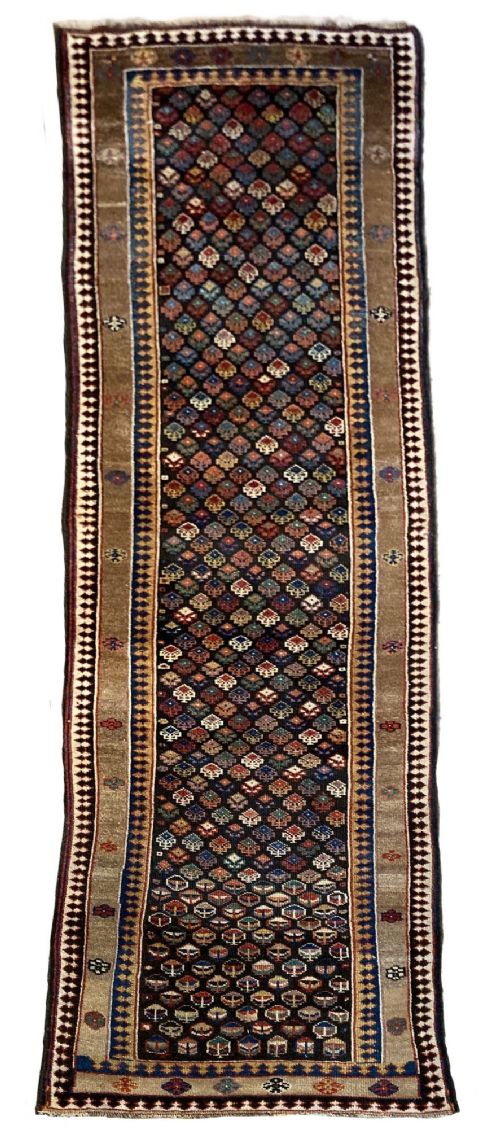
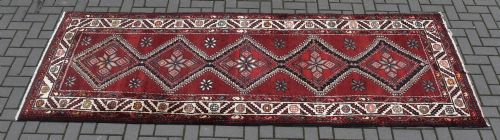
A handwoven antique hallway rug functions as a narrow floor covering designed specifically for corridors and passageways. Buyers encounter long formats originating from Persian, Caucasian, Turkish and Afghan workshops dating from the nineteenth and early twentieth centuries. These textiles span traditional tribal geometries, bold medallion patterns and flatwoven kilim constructions.
The selections available include Heriz, Hamadan, Shirvan, and Kurdish runners alongside Baluch and Afghan pieces. Most examples measure well over two metres in length whilst retaining narrow proportions suited to corridors. The material palette relies heavily on wool pile and cotton foundations enriched by natural dyes.
Materials and construction
Weavers constructed these runners using hand-spun wool for the pile, secured onto sturdy cotton or wool warp and weft foundations. The density of the knotting dictates the weight and resilience of the floor covering. Artisans manipulated natural dyes derived from plants and minerals to achieve enduring colour palettes that mellow gracefully over decades.
Certain pieces utilise flatwoven kilim techniques without a pile, creating lighter textiles with distinct slit-weave motifs. Nomadic and village workshops relied on upright vertical looms, passing yarns through warp threads by hand. This intensive manual labour produced robust edges and firm foundations capable of withstanding heavy foot traffic.
Regional styles represented include Heriz, Hamadan, Shirvan, Kurdish, Bakhtiari, and Baluch woven traditions.
Distinguishing quality
Quality rests upon the fineness of the weave, the clarity of the design geometry and the saturation of the natural dyes. Tightly packed knots provide structural integrity and sharper motif definition across Caucasian and Persian runners. Artisanal skill determines whether botanical and geometric layouts maintain balance and proportion along extended lengths.
The purity and depth of the colour palette influence the visual impact of each textile. Variations in wool quality dictate how the pile handles wear and retains its lustre over generations of use. Well-preserved foundations and intact original borders separate superior survivors from heavily restored examples.
The Handwoven Hallway Rug Glossary
- Runner
- A long, narrow carpet format traditionally utilised in hallways, corridors and staircases. These pieces measure significantly longer than they are wide to fit confined architectural spaces.
- Kilim
- A flatwoven textile produced without a pile by tightly interleaving warp and weft threads. This technique results in a lightweight rug with identical patterns visible on both sides.
- Natural Dyes
- Colouring agents extracted from plants, insects and minerals prior to the widespread adoption of synthetic aniline dyes. These organic pigments yield nuanced tones that develop a soft patina over time.
- Warp
- The vertical structural threads stretched tightly on a loom before weaving commences. Foundation yarns carry the tension and bear the physical burden of the finished textile.
- Pile
- The upright cut or looped wool surface forming the functional layer of a rug. Dense pile cushions footsteps and protects the underlying structural foundation from wear.
Handwoven Hallway Rug: Frequently Asked Questions
How do I choose the correct length?
Measure your hallway while leaving a consistent border of exposed floorboards around the perimeter. Ensure doorways can swing freely over the thickness of the wool pile.
Account for structural obstructions such as radiators or stairs when calculating the final dimensions. Selecting a runner slightly shorter than the corridor maintains balanced visual spacing.
Are these rugs suitable for high traffic?
Traditional village and tribal runners were built for heavy domestic use on stone or wooden floors. Hand-spun wool contains natural lanolin that resists dirt and stands up to frequent footsteps.
Pairing the textile with a quality underlay prevents slipping and cushions the foundation against premature wear. Routine maintenance involves gentle sweeping rather than aggressive beating.
How do I identify a Heriz runner?
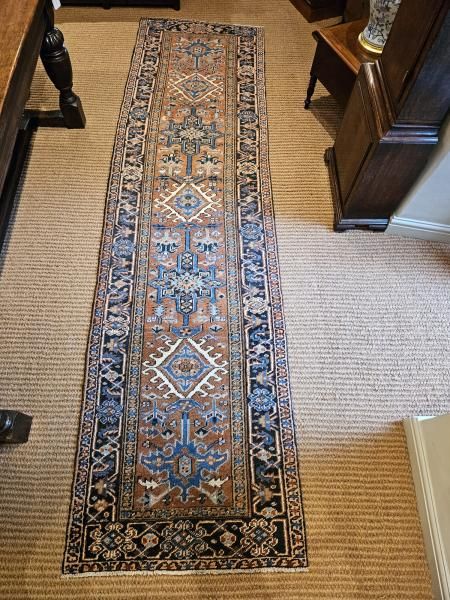
Heriz runners from northwestern Persia typically display large geometric central medallions anchored by robust corner spandrels. The drawing tends to be bold and architectural rather than curving or floral.
These pieces utilise sturdy wool foundations that provide exceptional rigidity and straight lines. Their distinctive palette frequently incorporates rich terracotta, deep blues and ivory accents.
What is a Baluch runner?
Baluch rugs originate from nomadic and semi-nomadic groups inhabiting the borderlands of Iran, Afghanistan and Pakistan. They often feature deep indigo and dark brown grounds punctuated by repeated prayer or geometric guls.
Weavers frequently incorporated goat hair or camel hair into the dark outer borders for added durability. These textiles offer an intimate glimpse into traditional tribal craftsmanship.