
Traditional Carver Seat
A traditional carver seat offers the substance and formal presence of an armchair designed to sit at the head of a dining table.
Traditional Carver Seat
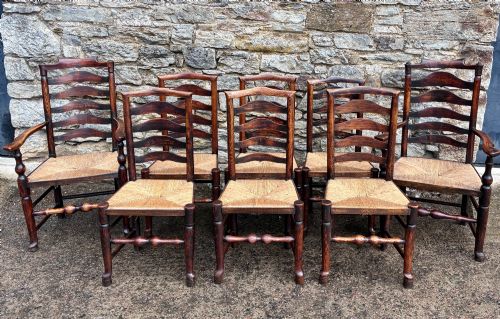
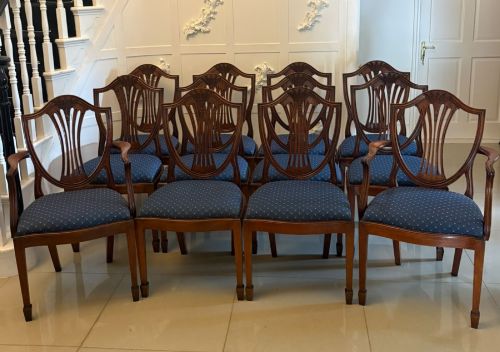
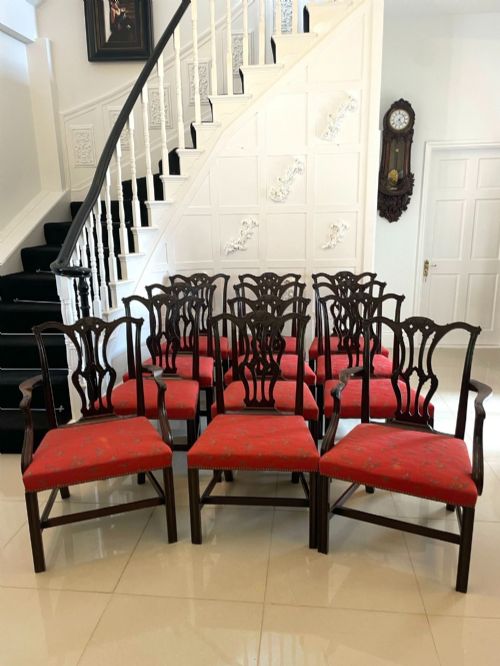
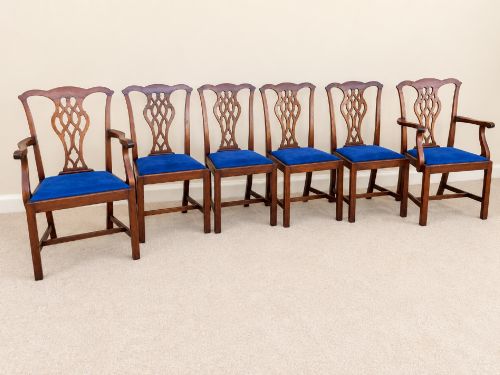
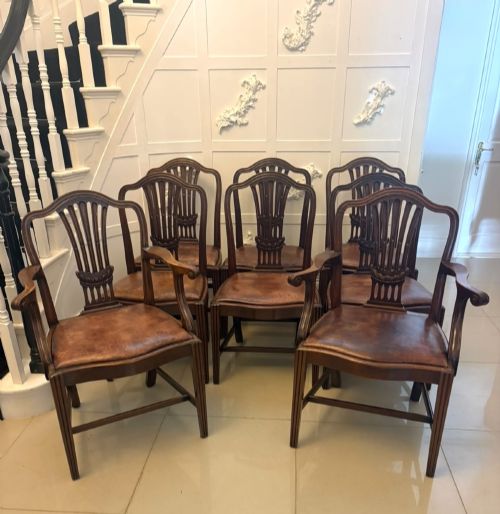
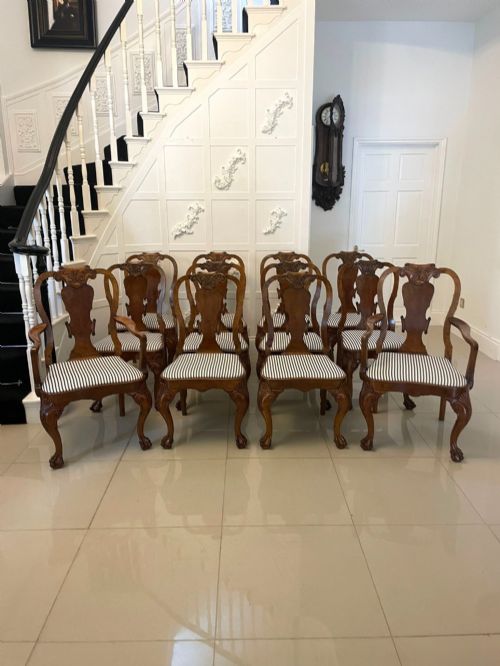
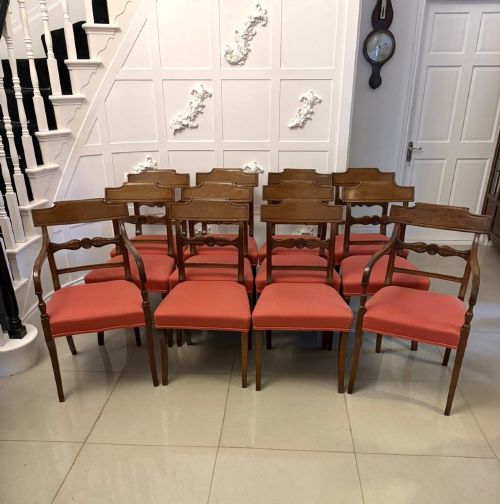
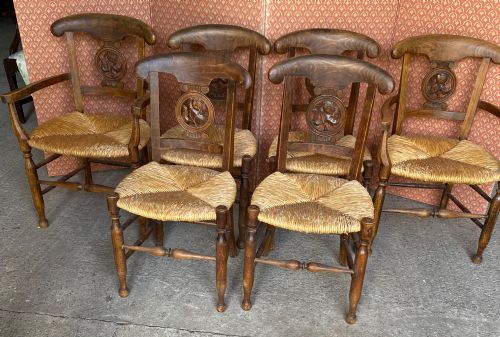
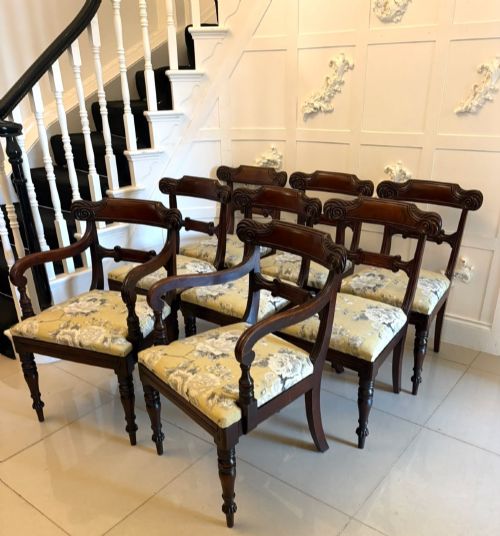
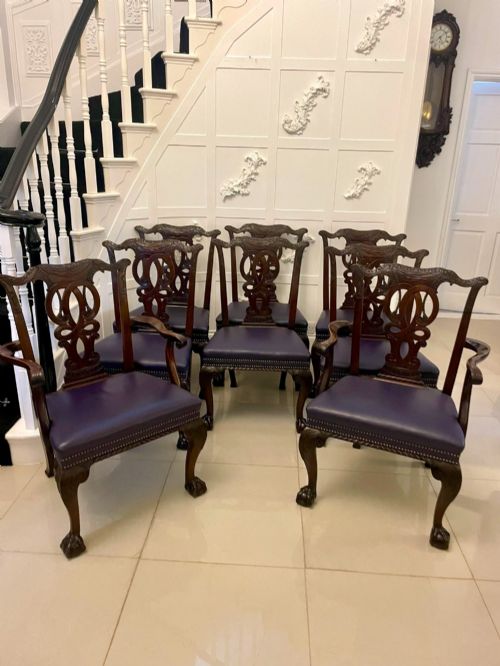
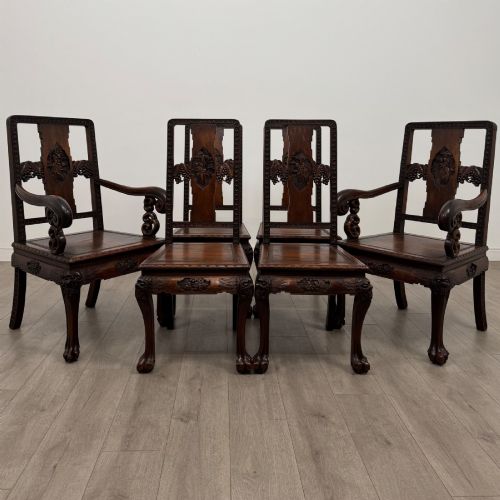
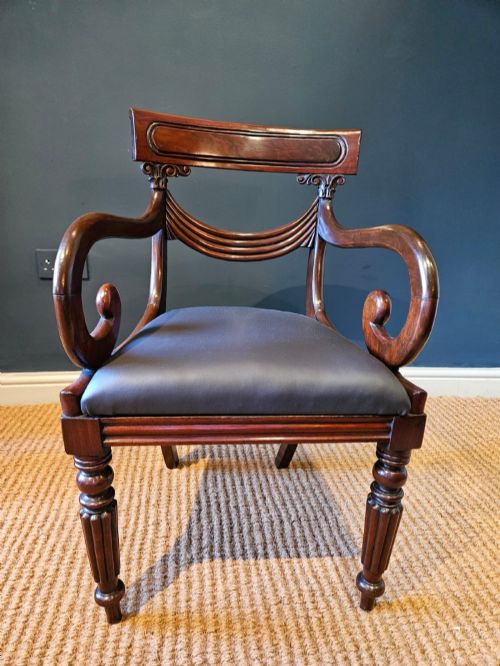
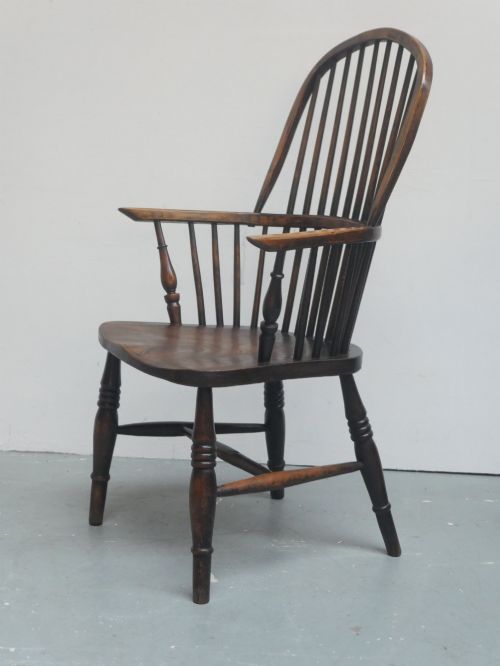
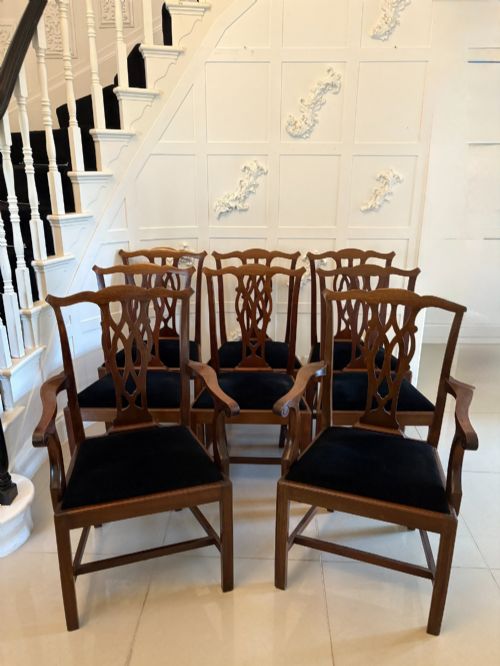
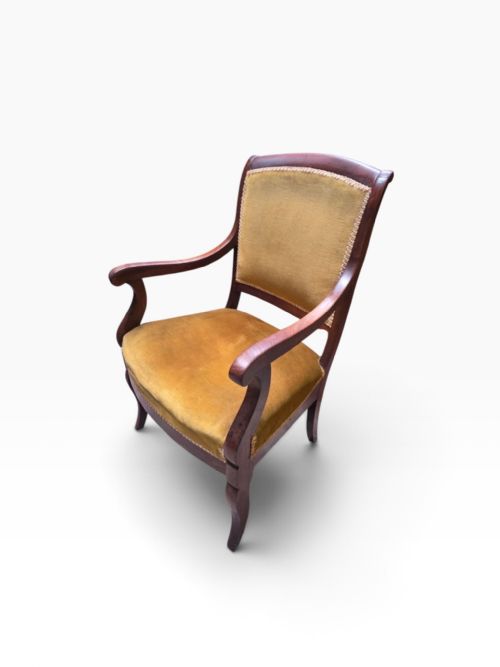
When you search for a traditional carver seat, you look at armchairs built as part of larger dining sets or as standalone country seating. The pieces on this page span formal mahogany designs from the Georgian and Regency periods alongside robust elm and yew Windsor or ladderback chairs from rural workshops.
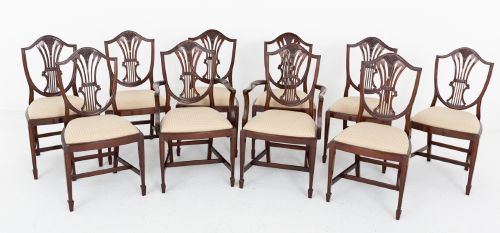
The version you are most likely to meet here is an arm chair forming part of a larger set of dining chairs, or a distinct farmhouse Windsor piece intended for an elbow position. These range from shield back and Hepplewhite mahogany forms to spindle back oak and Lancashire rush seated variants.
How they were made
Cabinet makers and country joiners relied upon native and imported timbers, shaping mahogany, oak, elm, ash, and yew into sturdy frames. Joinery combined traditional mortise and tenon methods with steam bending for curved Windsor backs and hoop frames.
Seats utilised solid timber depressions, woven cane, rush, or upholstered pads covered in fabric, leather, or velvet. Finishes applied to the wood relied upon traditional polishes and oils that preserved the grain over decades of daily use.
Some nineteenth-century country chairs bear deep saddle-shaped seats carved simply by eye to fit the sitter.
What varies in quality
Quality rests upon the selection of timber and the crispness of the carving or turning on the spindles and legs. Heavier gauge woods and well-proportioned arm supports separate standard workshop output from exceptional examples.
Originality of surface finish and the retention of structural integrity across the joints determine the standing of each piece. Chairs that retain their early upholstery foundations or untouched timber patination command greater regard from collectors.
Warings
The Traditional Carver Seat Glossary
- Carver
- An armchair designed with open sides to accommodate the formal clothing of the person carving the joint at the dining table. These typically match a set of single dining chairs.
- Windsor
- A wooden armchair constructed with a solid shaped seat into which the legs and back spindles are wedged directly. Regional variations include hoop backs and pierced splats.
- Shield Back
- A chair back design shaped in the outline of a heraldic shield, popularised during the late eighteenth century by makers following neoclassical patterns.
- Ladderback
- A chair back composed of several horizontal arched slats resembling the rungs of a ladder, frequently found in country dining and farmhouse seating.
Traditional Carver Seat: Frequently Asked Questions
What is a traditional carver seat?
A traditional carver seat is an armchair with integrated armrests built to match a set of dining chairs or to serve as an individual desk or elbow chair. They provide a wider seat and a more commanding presence than standard dining chairs.
Such pieces appear in formal mahogany styles from the Georgian and Regency eras as well as sturdy elm and ash country designs from the nineteenth century.
How were carver seats used?
These chairs were placed at the head and foot of a dining table for the hosts or senior guests. The open arms allowed people wearing bulky historical garments to sit comfortably.
Over time, many of these armchairs also found use in libraries, studies, and morning rooms as desk or reading seats.
How do I date a carver chair?
Dating relies upon identifying the prevailing style, timber choices, and construction methods characteristic of specific periods. Georgian and Regency pieces often feature carved mahogany backs and tapered legs, while Victorian and Edwardian examples show revival styles or steam-bent components.
Examining the underside of the solid seat or the method used to join the arm supports to the frame reveals much about the workshop traditions of the era.
Are carver seats sold individually?
While many carver seats originate from larger dining sets that included twelve or more single chairs, survivors also appear as pairs or individual pieces. Country armchairs such as Windsor or ladderback forms were typically made and sold as single items or pairs.
Listings frequently specify whether an armchair forms part of a matching suite or stands alone.