

Traditional Carver Chair
Traditional carver chair examples are sturdy armed seating options designed for table ends, offering robust construction and historical charm for everyday dining.
Traditional Carver Chair
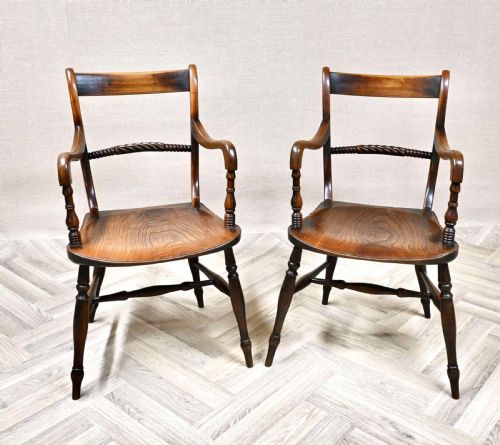
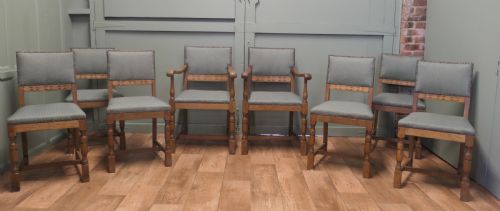
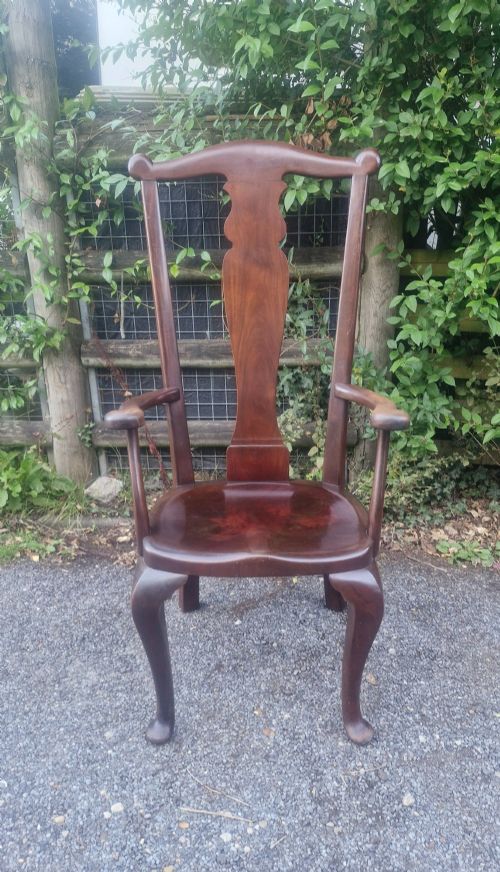
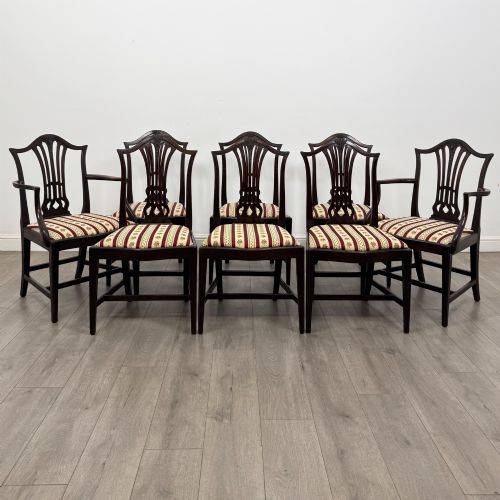
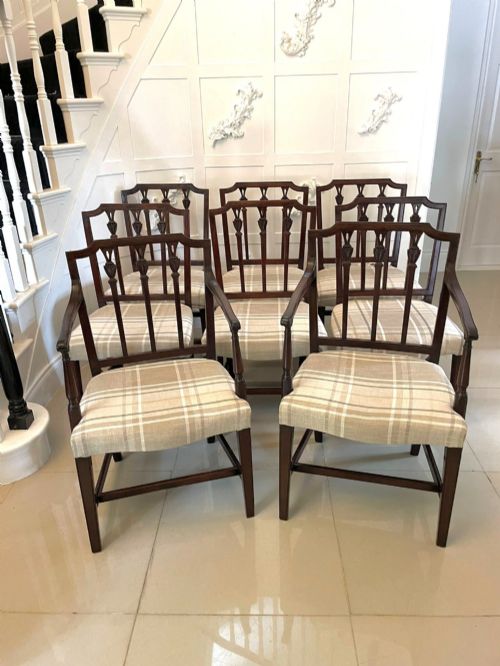
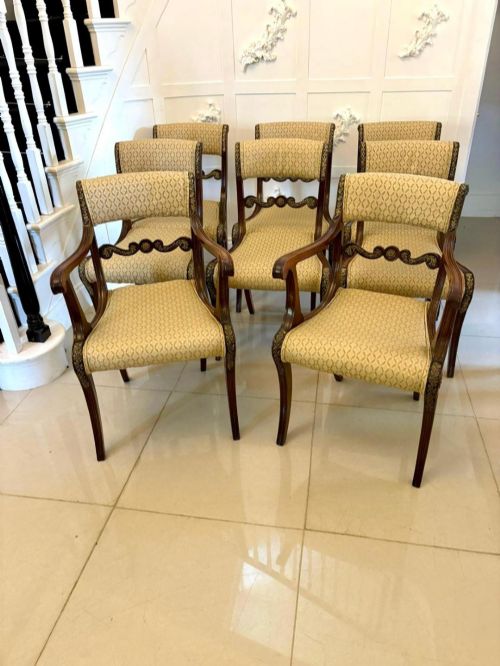
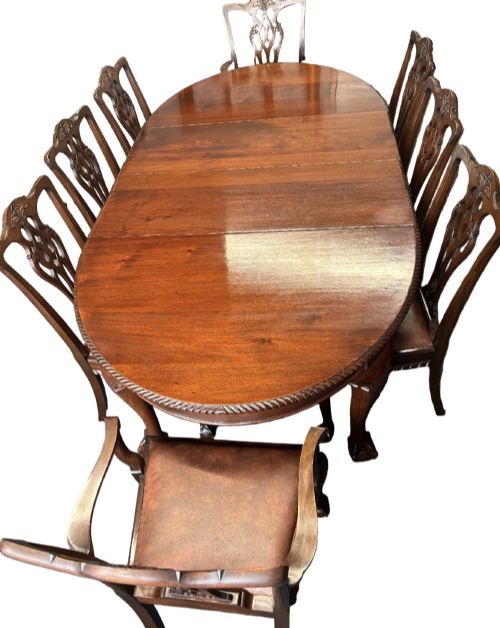
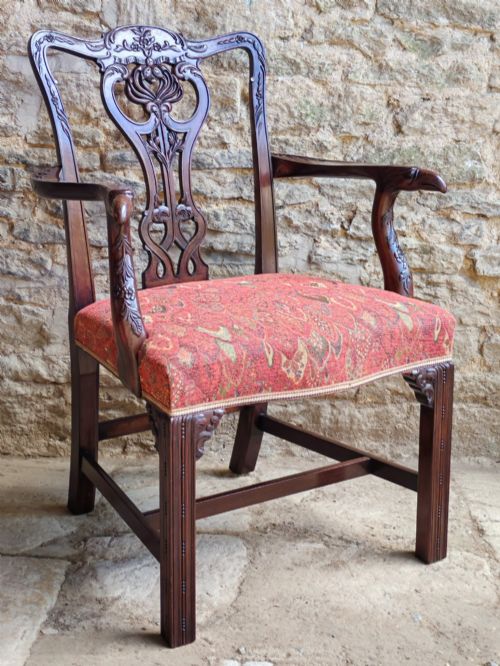
A traditional carver chair functions as an armed seat typically positioned at the head of a dining table alongside matching single chairs. These pieces appear across multiple historical periods, ranging from Georgian and Victorian eras through to the Edwardian period and early twentieth century.
Materials and construction methods
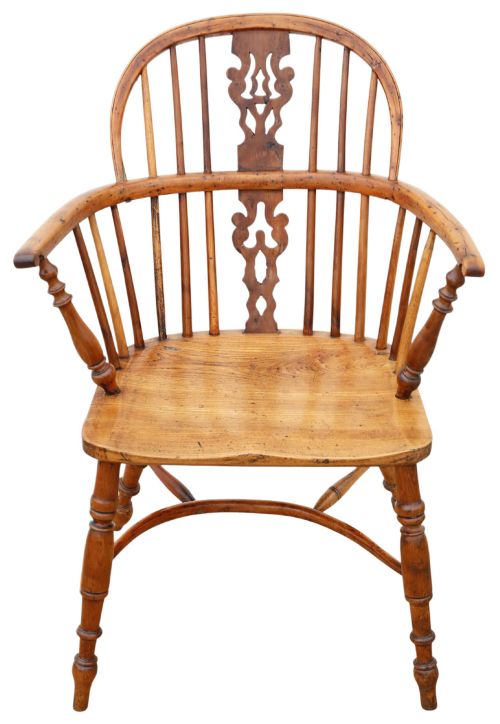
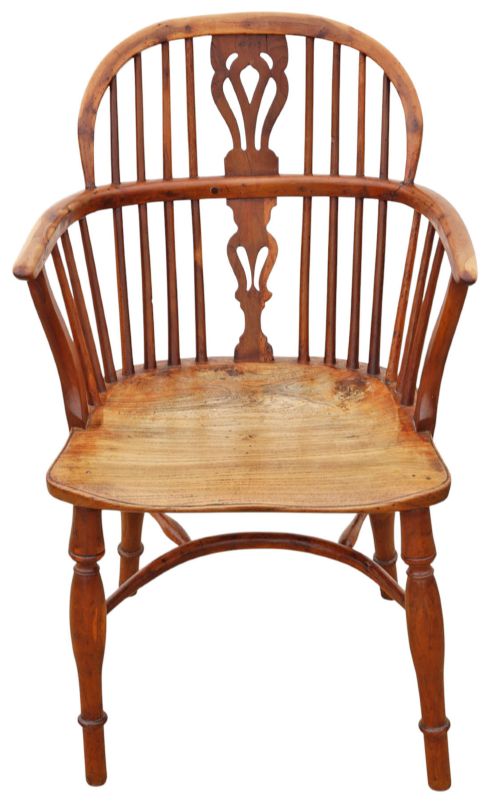
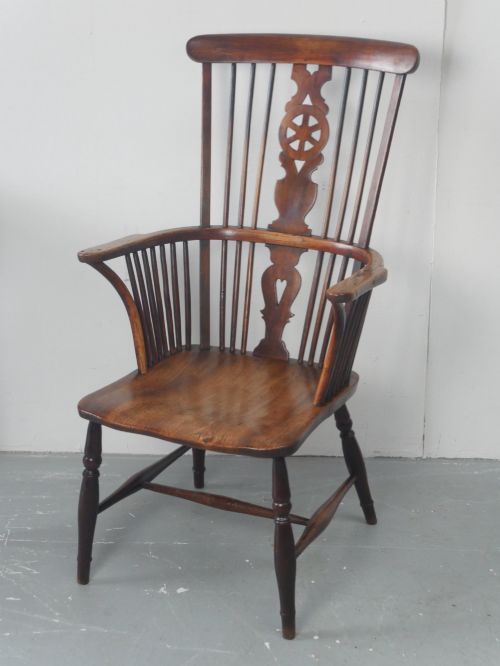
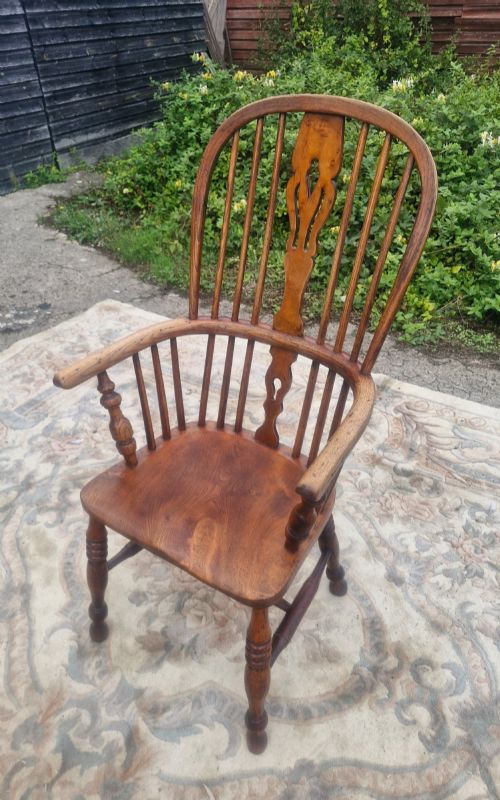
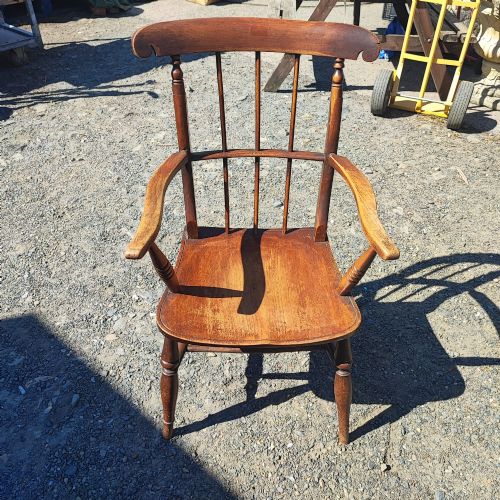
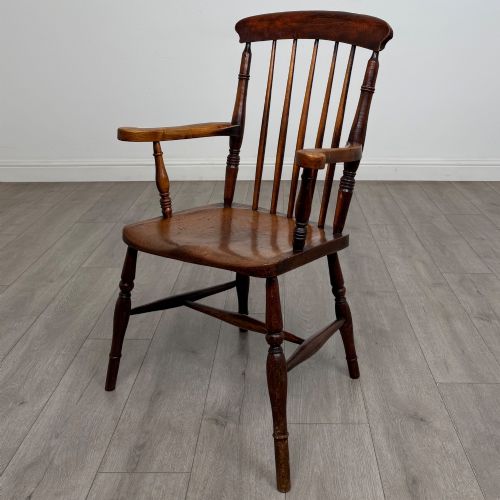
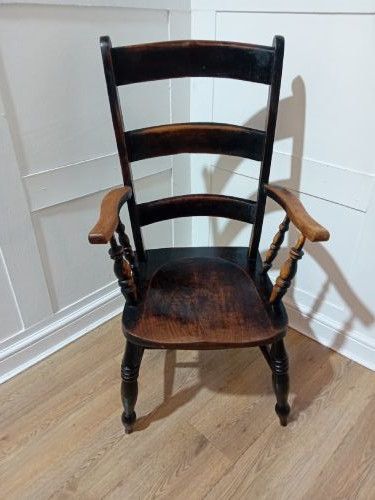
Makers utilised solid timbers such as mahogany for formal dining seats and native woods including elm, ash, and yew for country Windsor chairs. Construction often involved pegged joints, steam-bent components, and turned spindles.
Surfaces receive traditional finishes that preserve the grain of the wood. Upholstered variants incorporate materials like leather, fabric, cane, and tapestry within drop-in or fixed seats.
Traditional Carver Chair Retail Price Guide 2026
Typical asking prices for traditional carver chair among the pieces listed under this phrase on Sellingantiques today, from the lower quarter to the upper quarter. They describe what is for sale here now, not the wider market.
Listings feature traditional carver chair examples spanning the Georgian, Victorian, and Edwardian periods, constructed primarily in mahogany, elm, and oak.
Factors determining quality
The standard of a traditional carver chair rests upon the crispness of carved details in mahogany versions and the selection of figured timber in country elm and yew examples. Proportion and structural integrity during use separate standard utility seating from exhibition quality pieces.
Originality of surface finish and the preservation of early components significantly influence the character of the chair. Matched sets display uniform timber selection and consistent craftsmanship across every individual frame.
Howard and Sons·Warings·Maple and Co
The Traditional Carver Chair Glossary
- Carver chair
- An armchair designed to match a set of dining chairs, traditionally placed at the table ends. These seats feature supportive armrests for added comfort.
- Windsor chair
- A wooden chair constructed with a solid saddle-shaped seat into which the legs and back spindles are wedged. Country versions frequently combine elm seats with ash or yew frames.
- Chippendale style
- A furniture design influenced by Thomas Chippendale's eighteenth-century patterns, characterised by interlaced pierced splats and cabriole legs. Revival versions appeared frequently during the Victorian and Edwardian periods.
- Shield back
- A chair back shaped in the outline of a shield, popular during the Georgian period and later revived in mahogany dining sets.
- Barback
- A chair back featuring horizontal wooden rails resembling the rungs of a ladder or the bars of a Windsor design.
Traditional Carver Chair: Frequently Asked Questions
What is a traditional carver chair used for?
A traditional carver chair serves as an armed seat traditionally placed at the head or foot of a dining table. These chairs offer additional support through their armrests compared to standard dining chairs.
Beyond dining rooms, these armchairs function effectively as desk chairs or accent seating in reception rooms and hallways.
How do I match carver chairs to a table?
Matching a carver chair to an existing table involves comparing the primary timber, such as mahogany, oak, or elm, and the historical period or revival style. Proportions matter significantly to ensure the armrests slide underneath the table apron.
Many buyers acquire carver chairs as part of larger dining sets or select complementary revival styles from the same century.
What woods were used for Windsor carver chairs?
Windsor carver chairs typically utilise a combination of native timbers chosen for their specific physical properties. Elm provides a strong, stable seat board that resists splitting.
Ash, yew, and beech supply flexible strength for steam-bent bows, spindles, and legs. This multi-wood construction is characteristic of traditional country workshop production.
How do I care for antique wooden armchairs?
Antique wooden armchairs require protection from direct sunlight and extreme humidity fluctuations to prevent timber from drying out or splitting. Regular dusting with a soft cloth maintains the surface finish.
Applying traditional wax polish occasionally nourishes the wood and preserves the patina accumulated over the centuries.