
Traditional Carved Wooden Chair
A traditional carved wooden chair carries centuries of domestic history in its timber frame, offering both sturdy utility and enduring regional craftsmanship.
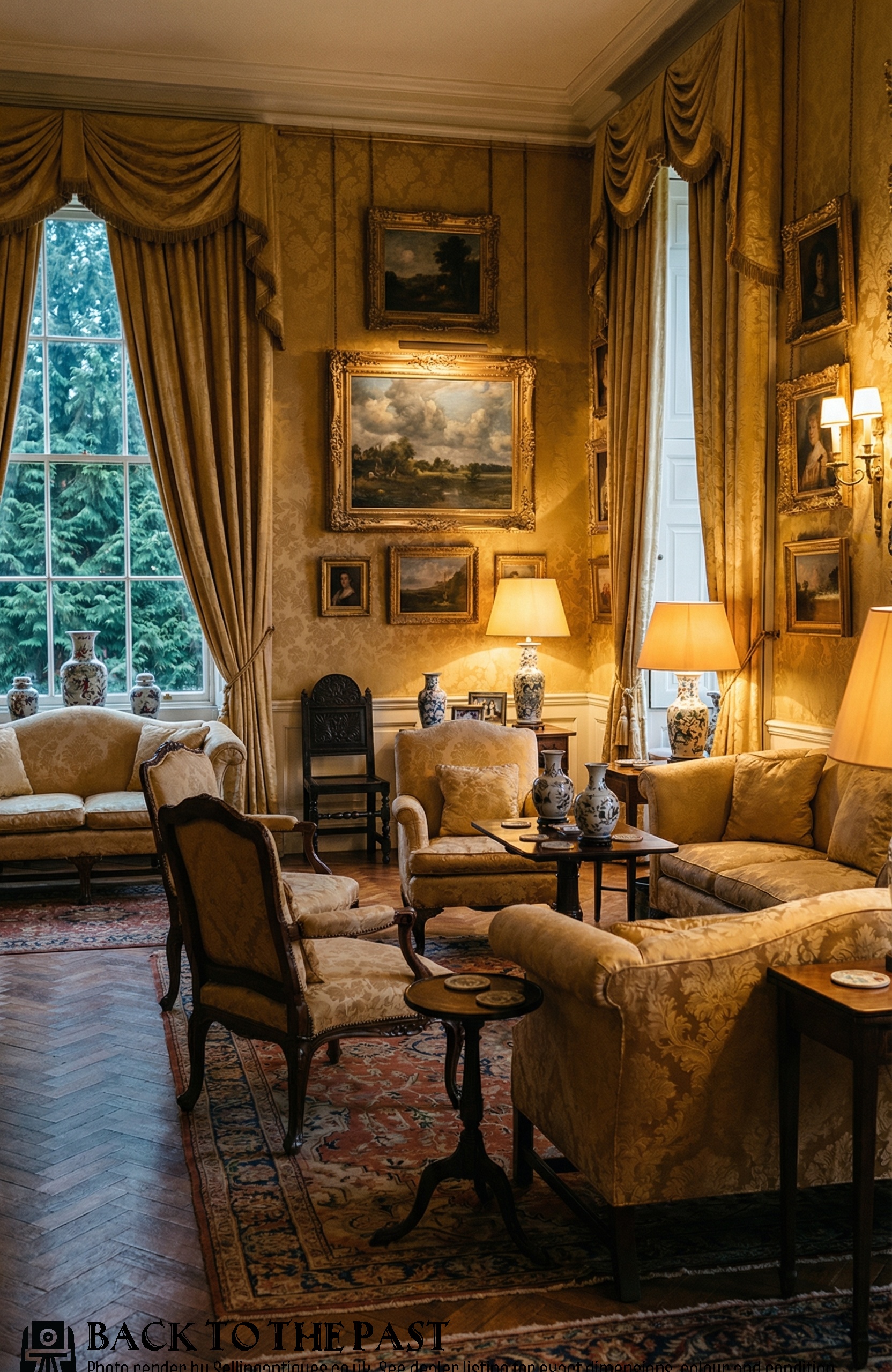
Traditional Carved Wooden Chair
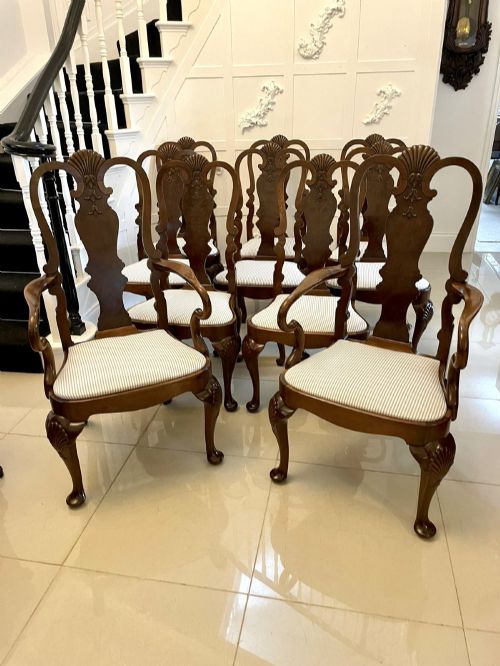
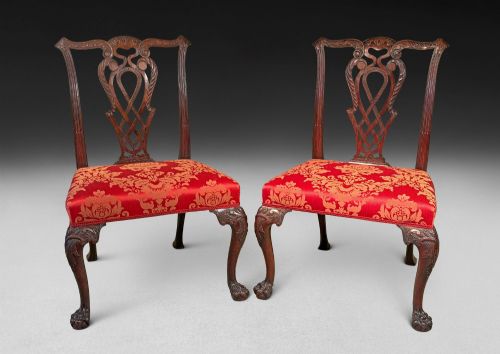
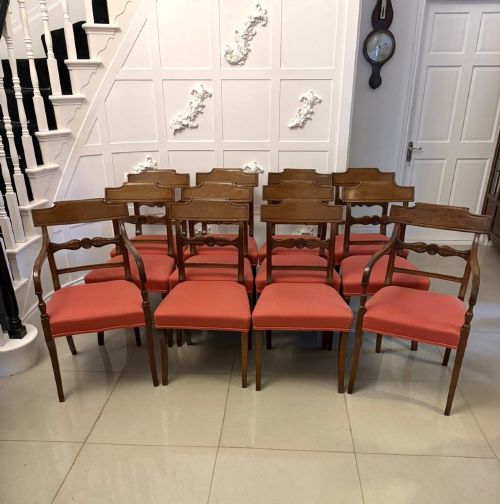
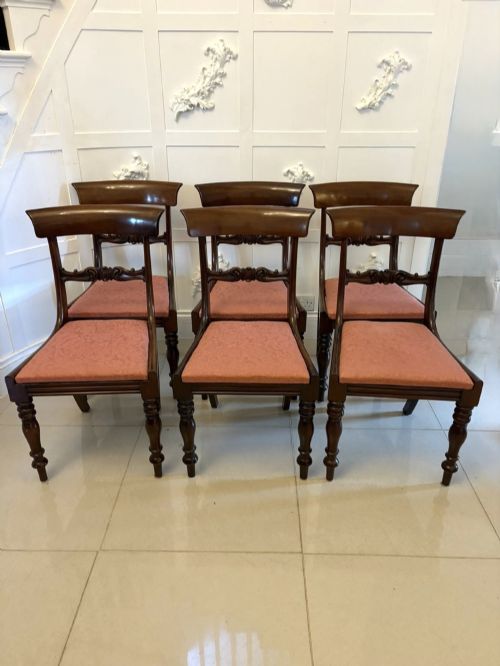
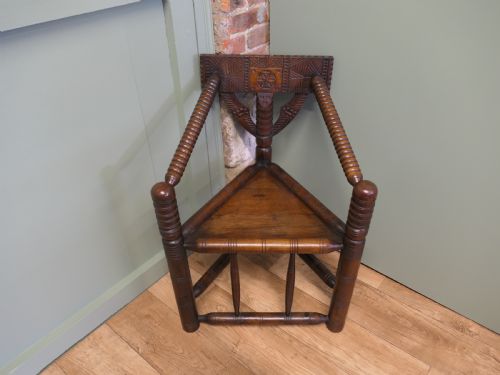
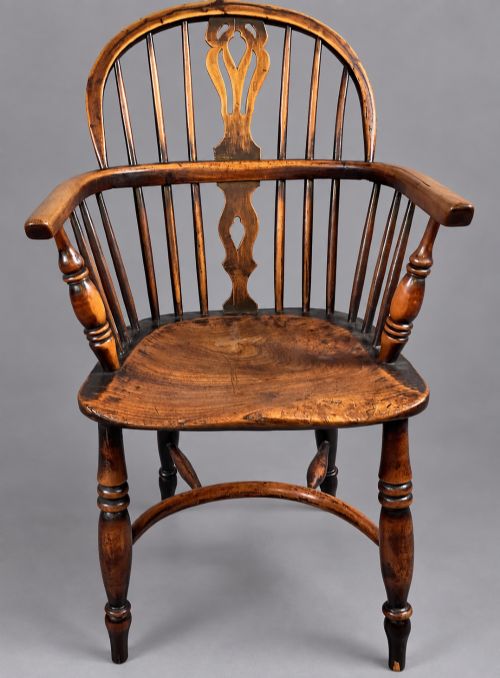
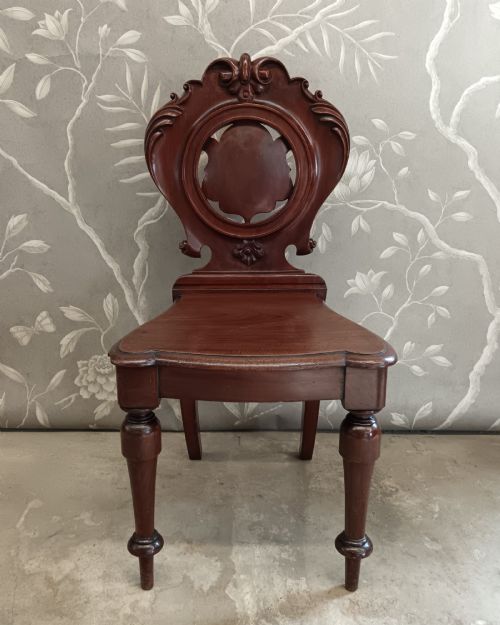
A traditional carved wooden chair encompasses a wide variety of seating forms spanning the eighteenth, nineteenth, and early twentieth centuries. Buyers searching for a traditional carved wooden chair frequently encounter mahogany dining sets, elm and ash Windsor chairs, and sturdy oak hall seats originating from the Georgian, Victorian, and Edwardian eras.
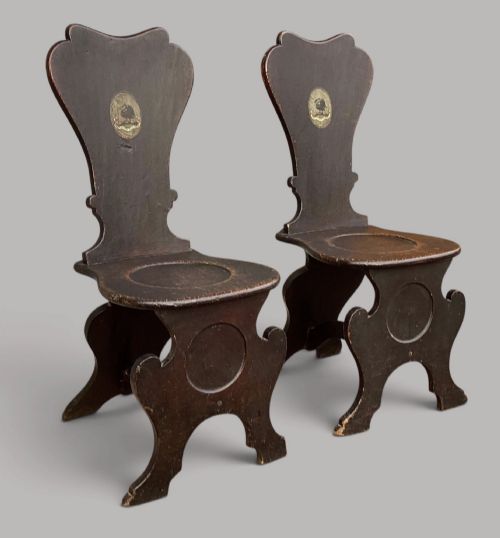
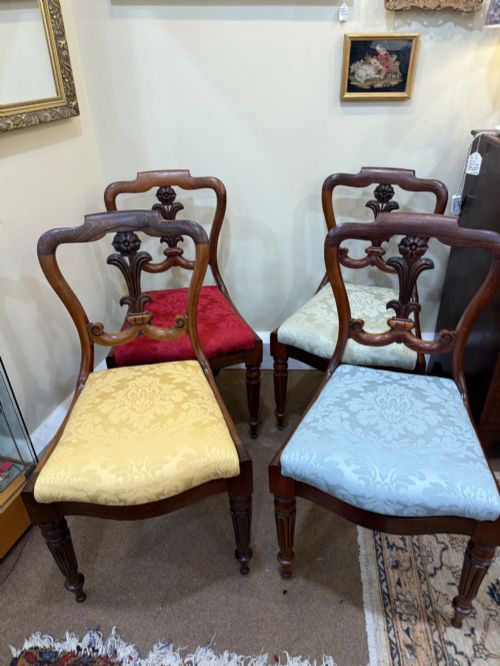
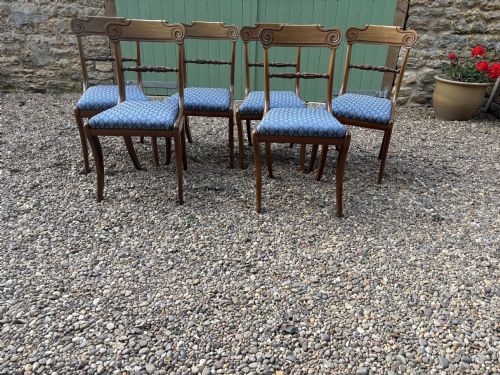
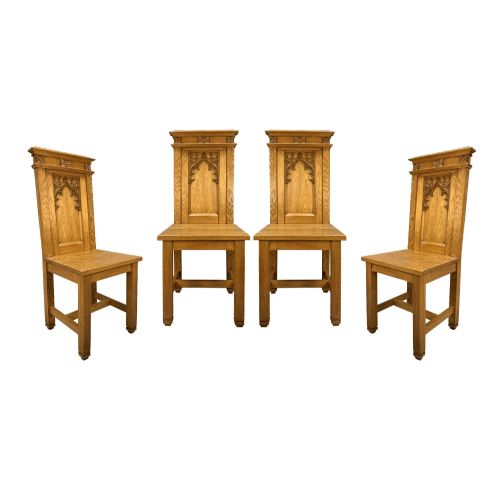
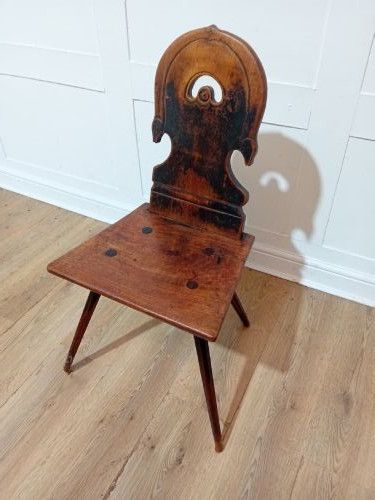
The selection ranges from simple ladder-back and kitchen armchairs to elaborate William IV dining chairs, balloon back seating, and decorative sgabello or shield back hall chairs. These pieces originate from distinct periods including the 18th century, Victorian era, and 1900s, reflecting diverse domestic uses from formal dining rooms to country kitchens.
Materials and construction
Construction relies heavily on traditional hardwoods such as mahogany, oak, elm, ash, and walnut, often selected for their durability and grain pattern. Cabinet makers utilised joinery techniques appropriate to the form, ranging from turned spindles and bobbin turnings to steam-bent components in Windsor chairs.
Carving was executed by hand to embellish splats, rails, and crests, while surfaces were frequently finished with wax or polish to enhance the natural timber. Upholstered variants incorporated fabric and internal stuffing supported by webbing or traditional frames.
Smokers bow armchairs invite contemplation of nineteenth-century pipe smoke lingering above sturdy elm seats in forgotten country corners.
Evaluating construction and finish
Quality in these chairs is determined by the crispness of the hand carving, the selection of figured timber, and the structural integrity of the frame joints. Superior examples maintain original surface patination and tight joinery without excessive replacement parts.
Lesser pieces may exhibit compromised timber, poorly executed repairs, or replacement elements that obscure the original period character and construction methods.
Howard and Sons·Maple and Co
The Traditional Carved Wooden Chair Glossary
- Balloon back
- A chair back shaped like a rounded balloon, popular during the Victorian period. This design allowed for decorative wood carving along the curved top rail.
- Windsor chair
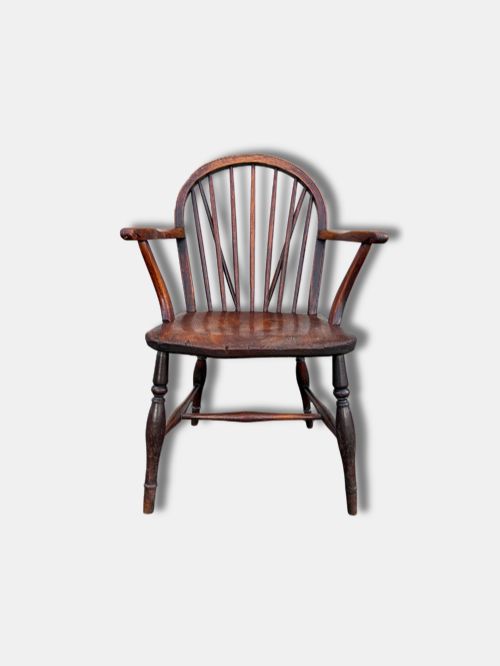
- A wooden chair built with a heavy solid wooden seat into which the legs and back spindles are bored directly. These country chairs often feature bentwood hoops and elm or ash construction.
- Carver
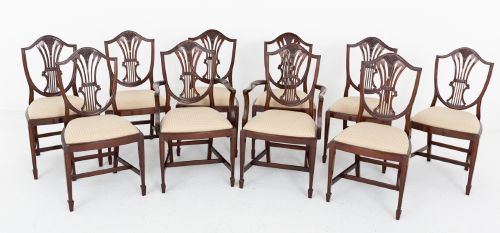
- An armchair designed to match a set of dining chairs, typically placed at the head of the table. They frequently incorporate arms and wider proportions.
- Sgabello
- A Renaissance-style wooden hall chair featuring solid trestle supports and an upright back. They were primarily used as decorative hall seats rather than for long periods of dining.
- Bobbin turned
- Furniture legs or stretchers shaped on a lathe to resemble a series of wooden bobbins or spools linked together. This decorative turning technique appears frequently on seventeenth and eighteenth century oak pieces.
Traditional Carved Wooden Chair: Frequently Asked Questions
How do I identify a Victorian chair?
Victorian chairs often feature balloon backs, walnut or mahogany frames, and specific revival styles that emerged during the nineteenth century. Examining the timber and construction methods helps confirm the era.
Makers of this period utilised machine assistance alongside hand joinery, resulting in heavier frames and distinct upholstery styles compared to earlier Georgian designs.
Were these chairs used for dining?
Many of these pieces were specifically created as dining sets or individual carvers for dining tables. Their proportions and sturdy wooden frames suited them for daily meals.
Other variants, such as hall chairs and captains chairs, served different domestic functions in hallways, libraries, or offices.
What is a captains chair?
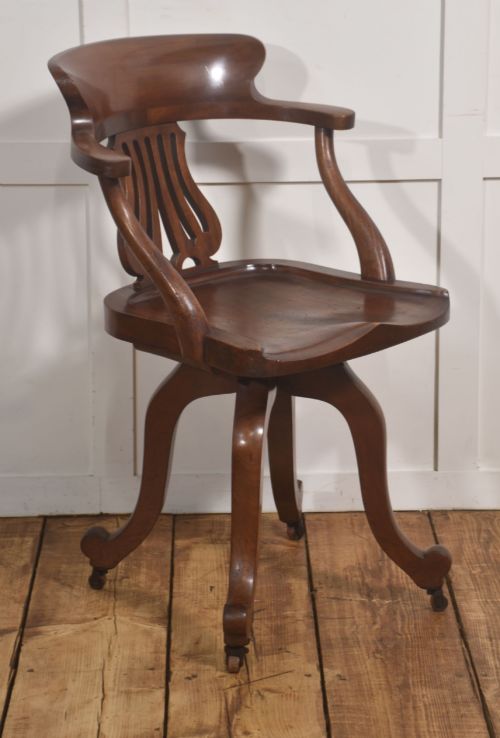
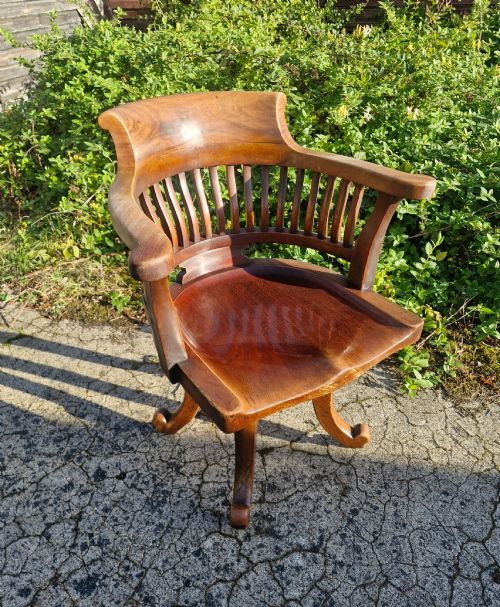
A captains chair is a sturdy wooden armchair with a low, rounded back rail supported by spindles. They were traditionally used in offices, ships, and country settings.
Built from timbers like elm and ash, they provide robust support through their solid wooden seats and curved armrests.
How do I care for antique wood?
Maintain antique wooden surfaces by keeping them away from direct heat sources and sudden humidity changes. Regular dusting with a dry cloth preserves the finish.
Applying occasional appropriate wax feeds the timber and protects the historic patina without damaging the original surface.