


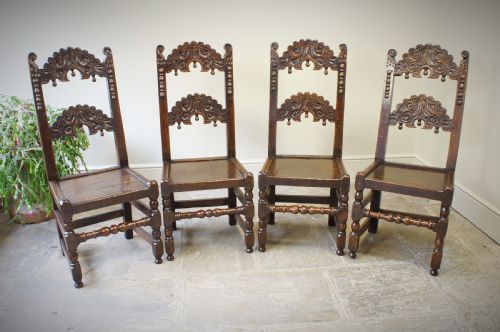


Carved Oak Backstool Chair
A carved oak backstool chair brings seventeenth-century domestic timber straight into a room, offering sturdy joinery and carved panels that anchor any traditional interior.
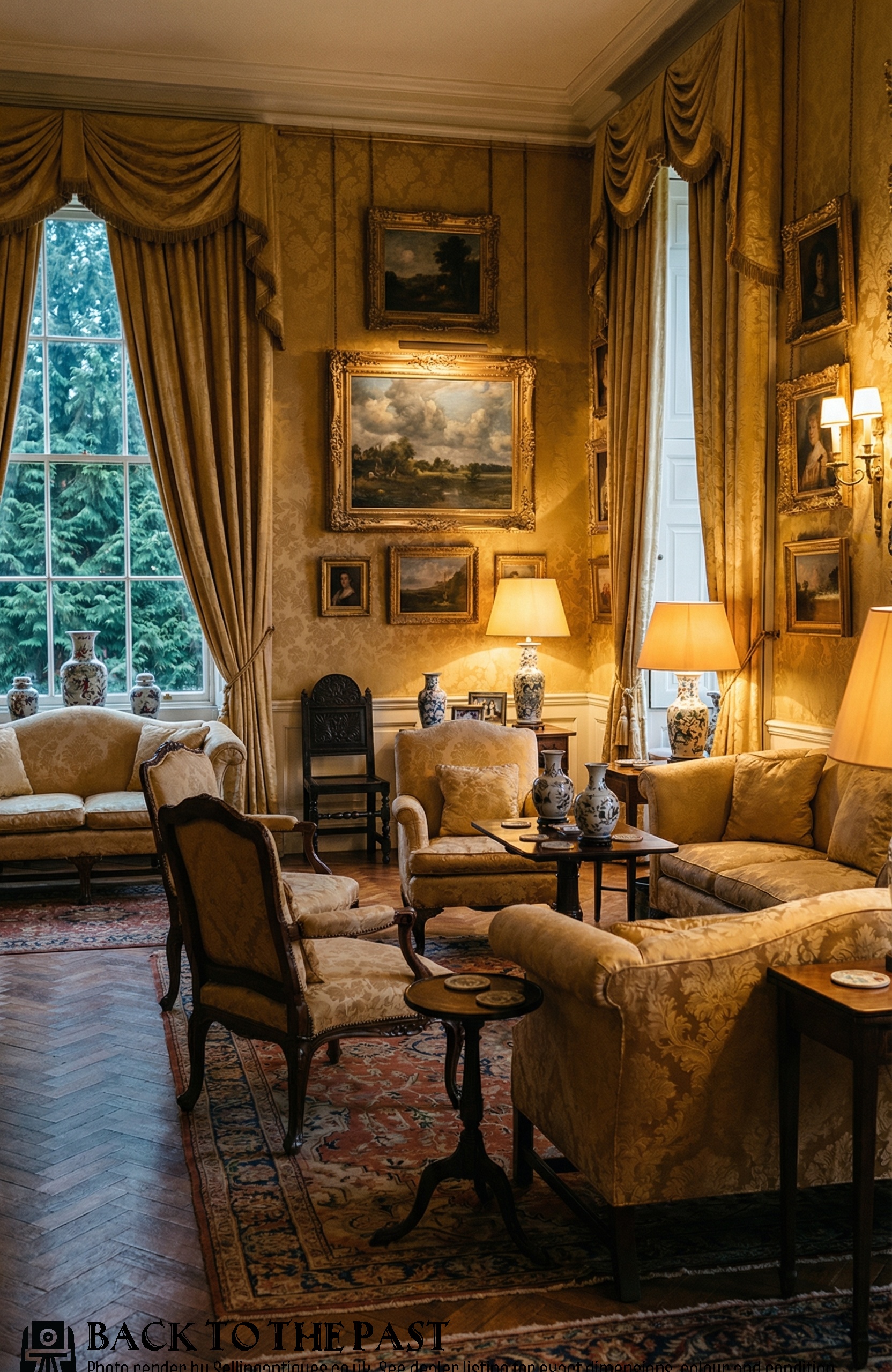
Carved Oak Backstool Chair
A carved oak backstool chair represents seventeenth-century seating designed without arms, featuring a tall upright back and a solid wooden seat. Buyers hunting for these pieces will frequently encounter examples spanning the seventeenth century, including regional variants from South Yorkshire, the Conwy Valley in North Wales, and Lancashire.
The selections recorded on this page range from joined construction dating to the Jacobean and William and Mary periods through to later Georgian interpretations. Regional vernacular traditions shape much of what survives, displaying local carving motifs and timber selections typical of seventeenth-century workshops.
While most examples are single side chairs or dining chairs, sets of four and pairs also appear alongside related vernacular forms. The primary material remains solid oak, shaped by early joiners to serve daily household needs across generations.
What varies in quality
The distinction between ordinary and exceptional pieces rests upon the crispness of the hand carving and the regional character of the joinery. South Yorkshire and Welsh vernacular pieces display distinct regional design traits that elevate their interest beyond standard utilitarian work.
Originality of surface finish and the retention of early structural components heavily influence the integrity of each chair. Finer examples maintain their original timber patination and untouched joined construction, whereas lesser items suffer from extensive timber replacement or degraded frames.
The listings on this page span the seventeenth century and the Georgian period, utilising oak, wood, tapestry upholstery, cane, lacquer, and gilt.
The Carved Oak Backstool Chair Glossary
- Backstool
- An early term for an upholstered or wooden chair without arms, distinguished from a heavier armchair. It provides upright seating designed for dining or parlour use.
- Joined oak
- Furniture constructed using interlocking mortise and tenon joints secured with wooden pegs. This method defined seventeenth-century cabinet making before the widespread adoption of dovetails.
- Jacobean
- The stylistic period spanning the reign of James I and continuing as a vernacular influence through the seventeenth century. It is characterised by heavy proportions, strapwork, and geometric carved ornament.
- Vernacular
- Objects made by local craftsmen using regional traditions and readily available materials rather than following metropolitan high-style fashions. Welsh and Yorkshire pieces represent notable examples of this approach.
- Japanned
- A European imitation of East Asian lacquerwork popular around the turn of the eighteenth century. It involves building up layers of resin and varnish, often decorated with gilt motifs.
Carved Oak Backstool Chair: Frequently Asked Questions
What is a backstool chair?
A backstool is a seventeenth-century term for an upright chair without arms, designed primarily for dining or general household tasks. These pieces feature a high wooden back and a solid seat supported by four turned or straight legs.
Unlike armchairs, which sat at the head of a table or belonged to the head of the household, backstools were produced in greater numbers for other family members and guests.
How old are these oak chairs?
The majority of these chairs date from the seventeenth century, spanning the Jacobean and William and Mary eras, with occasional pieces extending into the early Georgian period around seventeen forty. Regional vernacular makers continued using traditional seventeenth-century construction methods long after metropolitan styles had shifted.
Examining the tool marks, timber shrinkage, and peg construction helps verify the age and period of manufacture for each individual piece.
Where were these chairs made?
Many surviving examples originate from specific British regions such as South Yorkshire, Lancashire, and the Conwy Valley in North Wales. Local craftsmen utilised regional timber and distinctive carving motifs that reflect the vernacular traditions of their specific area.
Regional attribution often rests on the specific decorative stamps, channel mouldings, and structural proportions favoured by local joiners.
How do I care for antique oak?
Antique oak benefits from stable indoor environments away from direct heat sources and strong sunlight, which can dry out and split ancient timber. Occasional application of quality beeswax helps nourish the wood and maintain its natural patination.
Avoid modern liquid polishes containing silicone, as they build up residue and degrade the historic surface finish over time.
Can I use them every day?
Joined oak chairs possess robust timber frames built to withstand centuries of use, making them suitable for careful daily seating. However, their historic joinery requires respect, and users should avoid rocking on the back legs or placing excessive weight on them.
Placing felt pads beneath the feet protects both the original timber bases and modern flooring from unnecessary wear.