


Traditional Carved Wood Chairs
Traditional carved wood chairs bring solid craftsmanship and historical presence into a room, spanning periods from the eighteenth century through the Edwardian era in mahogany, oak, elm, and walnut.
Traditional Carved Wood Chairs
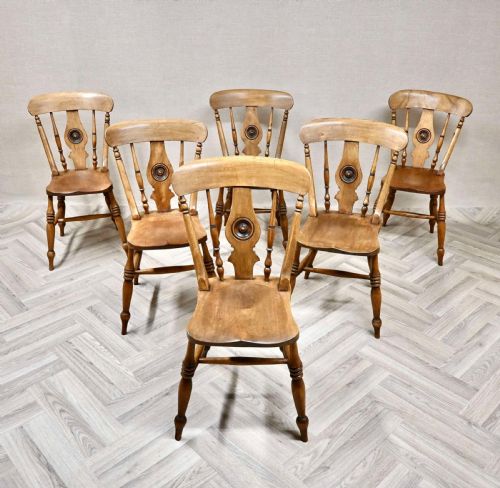
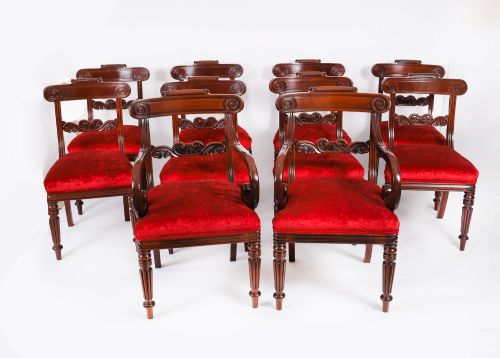
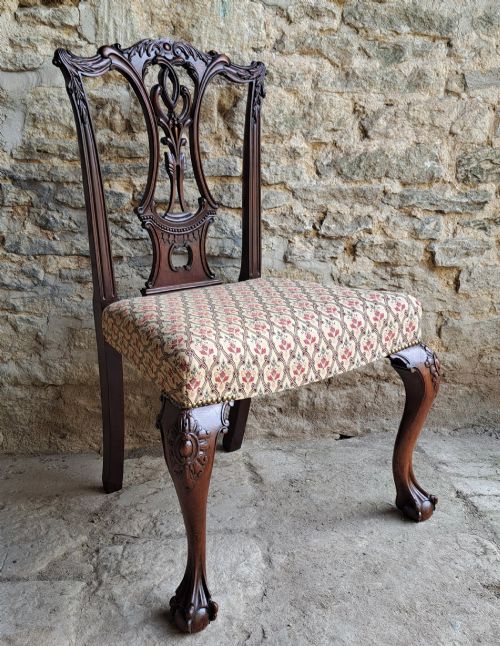
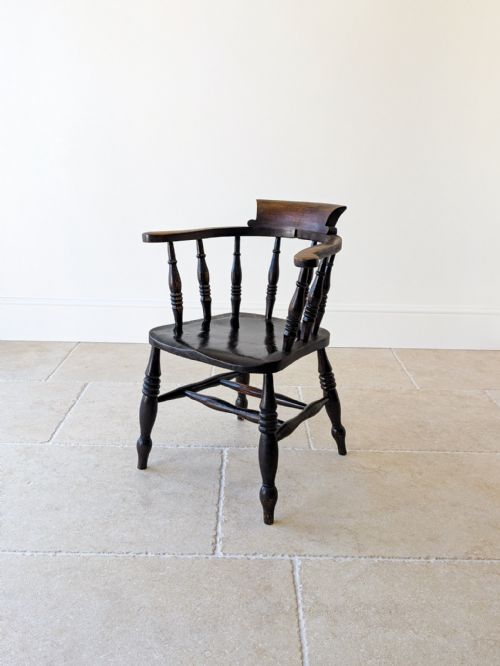
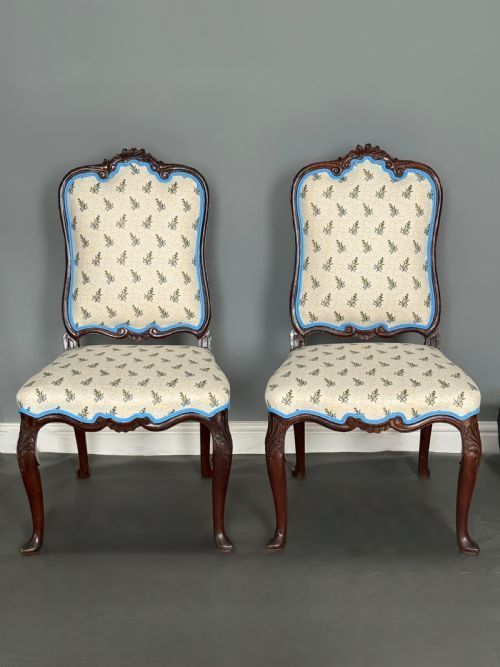
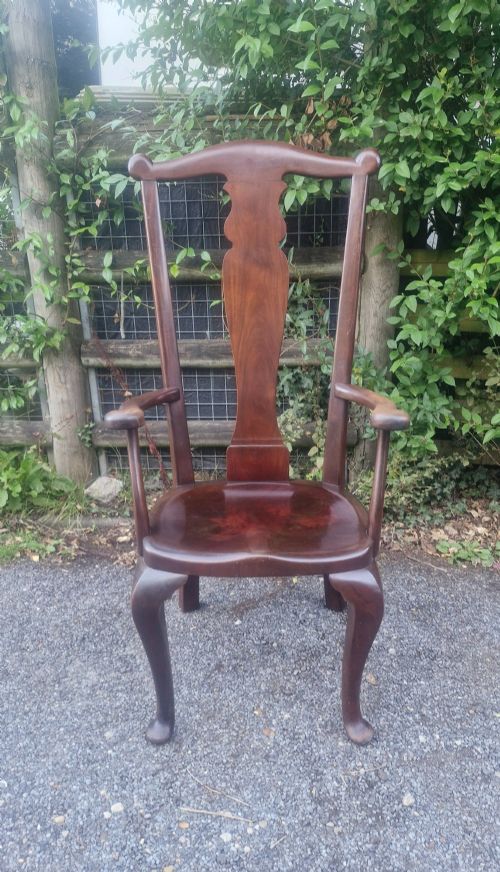
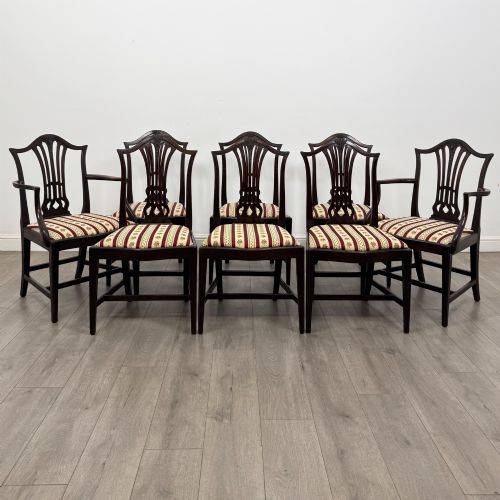
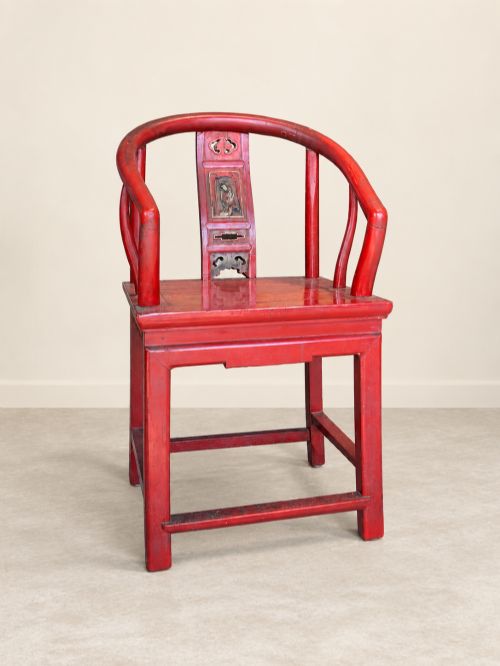
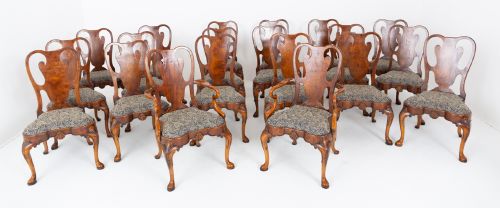
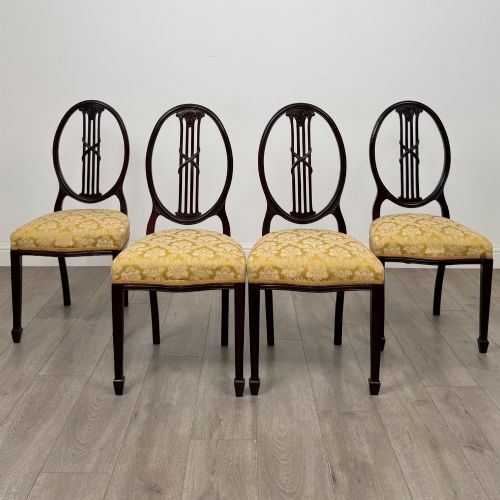
Traditional carved wood chairs encompass a wide variety of seating forms designed for dining, desks, and reception rooms, originating from periods such as the Georgian, Victorian, and Edwardian eras. When exploring traditional carved wood chairs on this page, buyers frequently encounter mahogany dining sets, elm armchairs, and walnut hall chairs shaped by regional British, Dutch, French, and Asian styles.
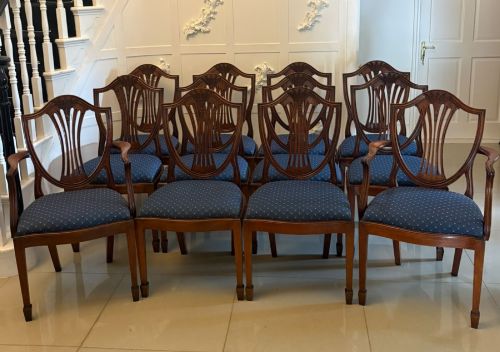
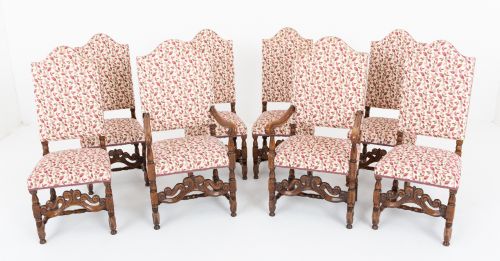
The selection includes specific regional and formal variations like Windsor wheel backs, shield backs, ladder backs, and balloon backs, alongside larger carvers and rocking chairs. These pieces reflect the prevailing aesthetic tastes of their respective centuries, moving from heavy seventeenth and eighteenth-century oak turnings to lighter nineteenth-century mahogany frames and revival designs.
How they were made
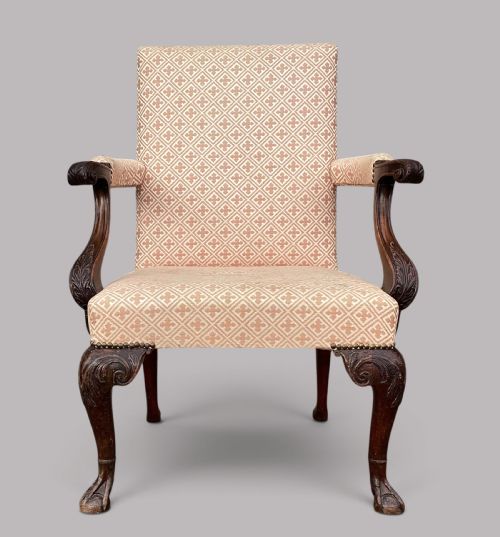
Traditional carved wood chairs were constructed primarily from hardwoods like mahogany, oak, elm, and walnut, often utilising native timbers for frames and imported tropical hardwoods for finer dining and reception seating. Cabinetmakers shaped these materials using hand tools to create detailed carvings, bobbin turnings, and curved ladder or shield backs.
Upholstered versions incorporate supporting elements such as webbing, springs, and stuffing beneath traditional textiles like fabric, velvet, and brocade. Joinery relied on traditional pegging, mortise and tenon joints, and precise turning techniques to ensure structural stability across dining sets and individual armchairs alike.
Listings for traditional carved wood chairs span the Georgian, Victorian, and Edwardian periods, utilising mahogany, oak, elm, and walnut across dining, desk, and reception forms.
What varies in quality
The quality of traditional carved wood chairs depends heavily on the crispness of the hand carving, the selection and grain matching of the timber, and the integrity of the original joinery. Finer pieces demonstrate superior proportion, balanced turnings, and dense hardwoods that withstand centuries of use without losing structural rigidity.
Differences also emerge in the refinement of secondary woods, the execution of stylistic details such as ladder backs or shield backs, and the authenticity of period re-upholstery or framing methods. Pieces produced by documented workshops or utilising high-grade Cuban mahogany typically display a higher degree of finish and material longevity.
Alfred Allen of Birmingham
The Traditional Carved Wood Chairs Glossary
- Carver
- An armchair, typically designed to match a set of single dining chairs and placed at the head of a table. These often feature open arms and more elaborate carving on the back splat.
- Shield back
- A chair back shaped in the outline of a heraldic shield, popularised by eighteenth-century designers and revived in later periods. It provides a broad canvas for pierced splats and carved detail.
- Balloon back
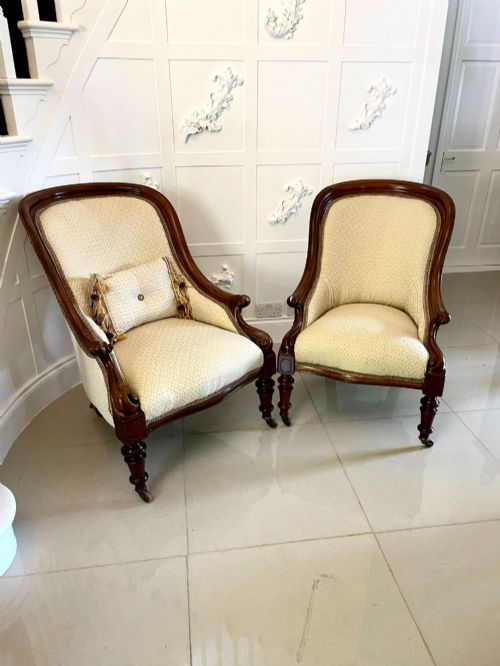
- An upholstered dining chair back formed in a continuous oval or rounded loop resembling a balloon. This style became particularly common during the Victorian era.
- Bobbin turned
- Furniture legs or stretchers shaped on a lathe to resemble a series of rounded wooden beads or bobbins. This decorative turning technique appears frequently on seventeenth and eighteenth-century oak pieces.
- Ladder-back
- A chair back featuring a series of horizontal arched wooden slats between the upright stiles. This traditional form was utilised across country and formal dining seating.
Traditional Carved Wood Chairs: Frequently Asked Questions
How do I date an antique wooden chair?
Dating relies on examining the timber species, joinery methods, tool marks, and stylistic indicators consistent with specific periods like the Georgian or Victorian eras. Secondary woods and framing construction often reveal the manufacturing epoch.
Changes in fashion, such as the shift from heavy oak turnings to lighter mahogany shield backs, help narrow down the decade of production when compared against known design timelines.
Are these chairs suitable for daily dining use?
Many traditional wooden chairs remain robust enough for daily use, provided their joints and frames have been properly maintained or restored over time. Solid hardwood construction in materials like mahogany or oak offers enduring structural support.
Buyers should inspect the stability of the legs and stretcher connections to ensure the seating can handle regular weight and movement in a modern dining room.
What is the difference between a carver and a side chair?
A carver is an armchair designed with wooden elbow supports, traditionally placed at the ends of a dining table to accompany matching single chairs. A side chair lacks arms entirely, allowing it to tuck neatly away alongside the table edge.
Dining sets often paired a number of side chairs with a pair of matching carvers for the hosts, maintaining a cohesive design across the room.
How should I care for antique wood finishes?
Maintaining antique wood involves keeping pieces away from direct heat sources and drastic humidity changes that can cause timber to split or warp. Regular dusting with a soft cloth preserves the natural patina without stripping historical polish.
Applying microcrystalline wax periodically helps nourish the wood surface and protects the carved details from everyday wear without building up sticky residue.