
Traditional Carved Carver Chair
A traditional carved carver chair brings architectural weight to a room, offering sturdy elbow support and hand-carved detail across centuries of timber.
Traditional Carved Carver Chair
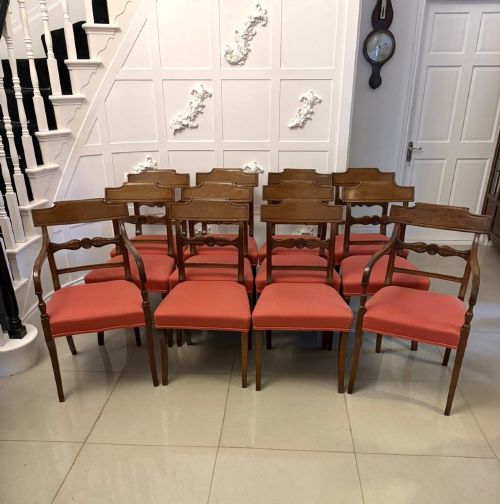
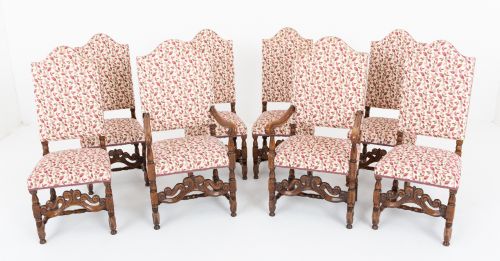
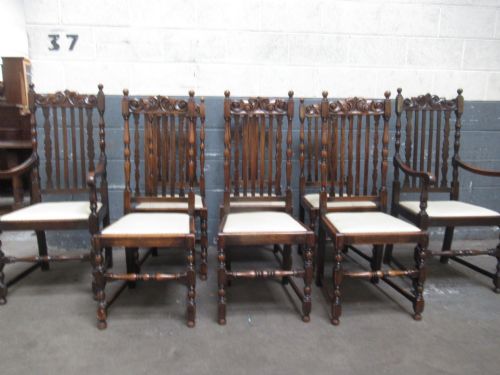
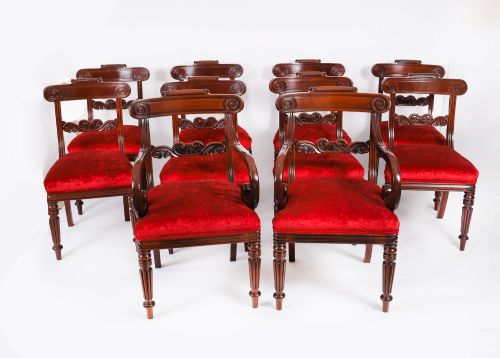
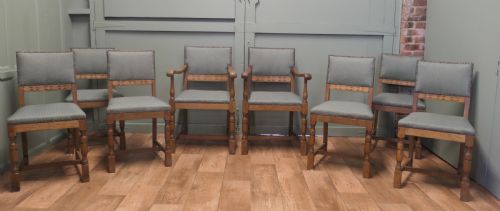
A traditional carved carver chair sits at the head of a dining table or functions as an individual desk and library seat, distinguished by its integral armrests. Buyers searching for a traditional carved carver chair will encounter single pieces alongside matched pairs and larger dining sets incorporating both armchairs and side chairs.
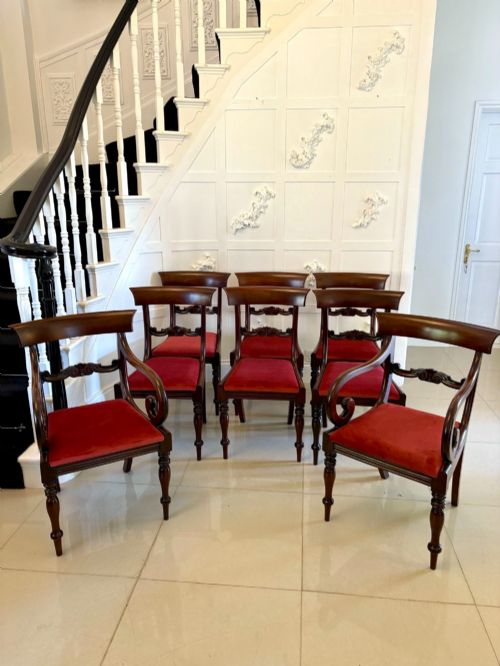
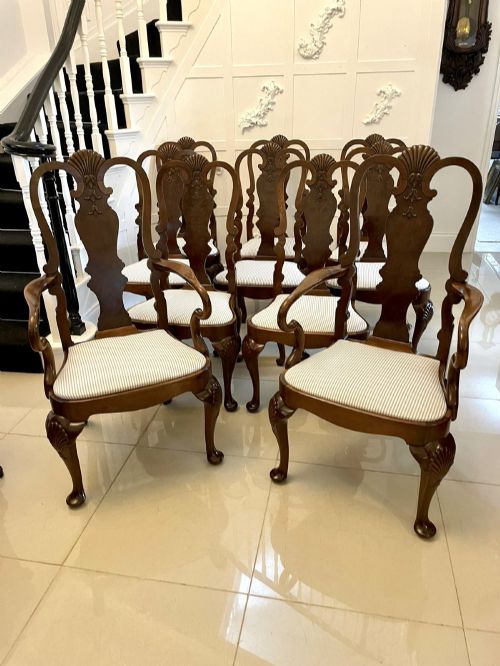
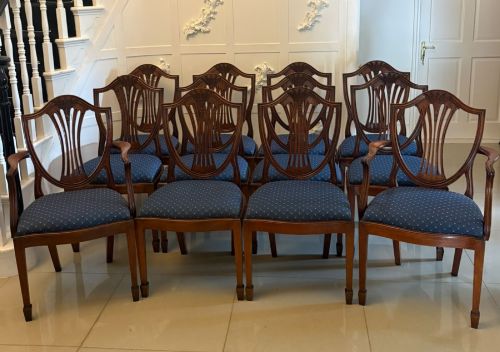
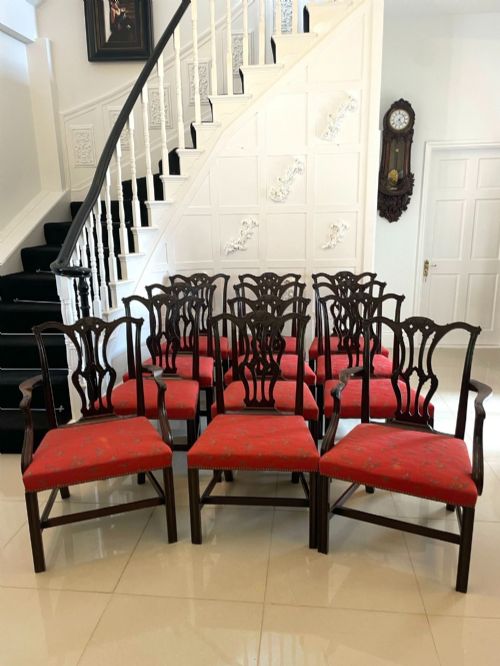
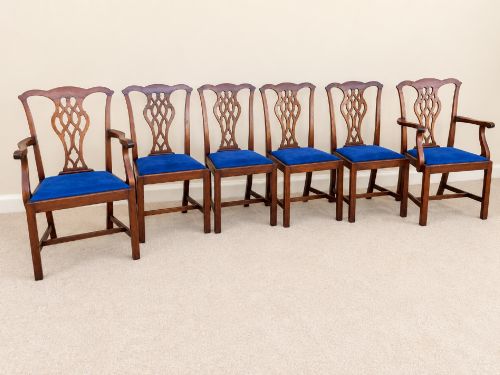
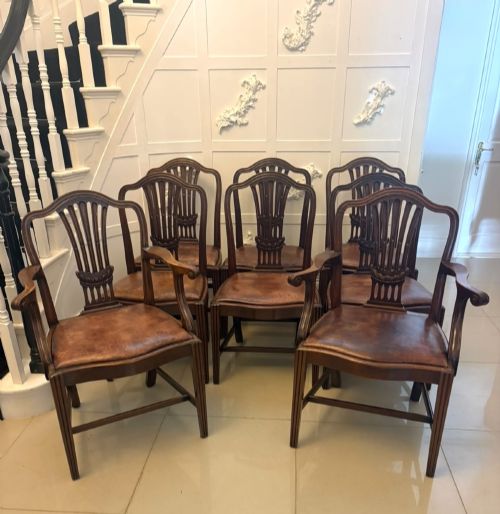
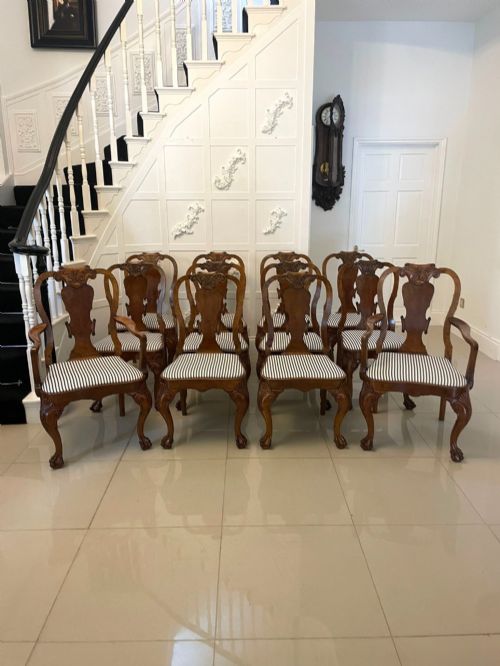
The pieces appearing on this page span the 18th century through to the early 20th century, drawing on periods including Georgian, Victorian, Edwardian, and Regency. Revival aesthetics feature prominently, with specific references to Chippendale, Hepplewhite, Queen Anne, and Jacobean designs executed in substantial hardwoods.
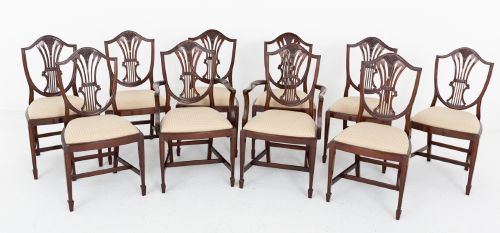
Single armchairs share space with larger groupings, offering various backrest configurations from shield backs and ladder backs to open arms and high-backed formats. These sturdy seats reflect both formal dining traditions and domestic library use across several eras of British cabinet making.
How they were made
Cabinet makers built these frames primarily using dense hardwoods such as mahogany, oak, walnut, and elm, relying on their tensile strength to support carved splats and arm supports. Joinery depended on traditional mortise and tenon joints secured by wooden pins, ensuring structural rigidity without relying on modern fasteners.
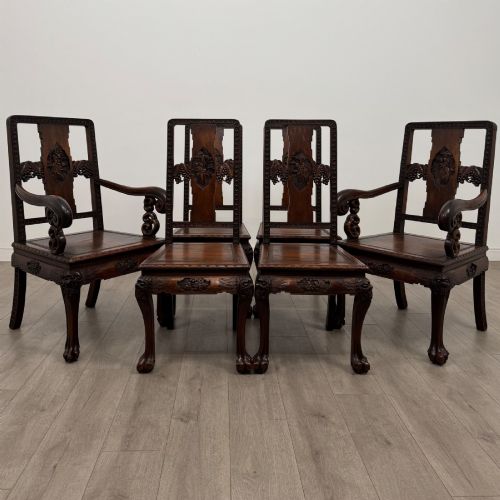
Carving was executed by hand using gouges and chisels directly into the seasoned timber, producing crisp details on top rails, splats, and knuckle arms. Surfaces were finished with shellac polishes or wax, which built up a deep lustre over decades of handling.
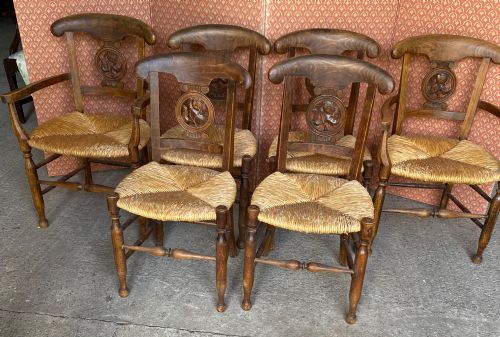
Upholstered elements utilised traditional stuffing materials held in place by webbing and secured with brass tacks, often finished in original leather, fabric, or cane work. The integration of cane panels in seats and backs required precise weaving around drilled frame edges.
Kitchen armchairs from the Victorian era show polished wear right where generations of elbows rested by the hearth.
What varies in quality
Depth and crispness of the hand carving separate standard commercial production from workshop pieces of higher ambition. Sharp undercutting in foliage and scrollwork indicates a confident carver, whereas soft or rounded edges point to hurried execution.
Timber selection dictates the longevity and visual coherence of the frame, with well-figured grain patterns and matched timber sections denoting careful planning by the maker. Structural integrity depends on tight joinery at the arm joints and rear legs, where lateral stress places the greatest demand on the wood.
Howard and Sons·Maple and Co·Warings·Alfred Allen of Birmingham
The Traditional Carved Carver Chair Glossary
- Carver chair
- An armchair designed with upholstered or wooden elbow rests, traditionally placed at the head of a dining table. The term distinguishes armed dining seats from side chairs.
- Shield back
- A chair back shaped in the outline of a heraldic shield, popular in late 18th-century design. This form often incorporates carved wheat ears, drapery, or vertical splats.
- Splat
- The vertical wooden strip down the middle of a chair back, frequently pierced and carved with interlaced ribbon or geometric motifs. It provides central structural support to the backrest.
- Elbow chair
- An alternative historical term for an armchair, referencing the prominent armrests designed to support the arms. These pieces were frequently used in libraries, morning rooms, and studies.
- Cane seat
- A seating surface woven from peeled rattan strips in an octagonal or hexagonal mesh pattern. This technique provides a resilient, breathable surface used extensively in period frames.
Traditional Carved Carver Chair: Frequently Asked Questions
Where should I place a carver chair?
These chairs find natural placement at either end of a dining table, where their armrests provide a distinct visual anchor. They also function effectively as standalone desk chairs, library seats, or bedroom accent pieces.
Because of their substantial back heights and carved details, they benefit from spaces where they can be viewed in the round rather than pushed flat against a crowded wall.
How do I care for antique timber?
Maintain antique mahogany and oak frames by dusting them regularly with a dry, soft cloth to prevent particulate accumulation. Apply a natural beeswax polish sparingly when the wood appears dry, buffing it gently to preserve the historic finish.
Keep wooden furniture away from direct heat sources and rapid humidity shifts to prevent timber shrinkage and subsequent joint loosening.
How do I distinguish Chippendale from Hepplewhite?
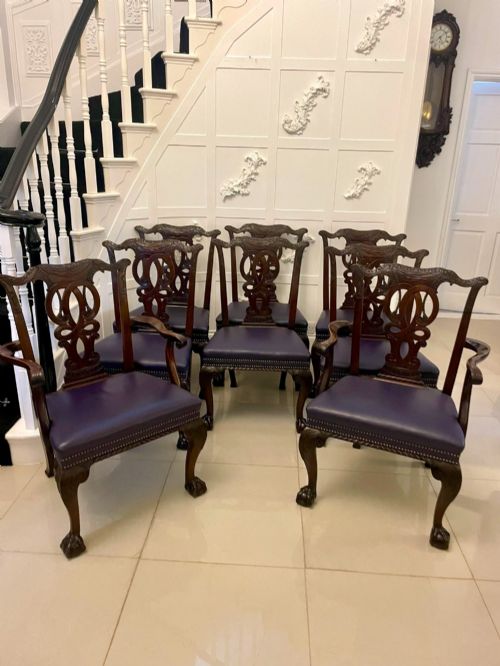
Chippendale styles typically feature solid, robust proportions with carved interlaced ribbon splats, cabriole legs, and ball-and-claw feet. Hepplewhite designs introduced lighter, more elegant geometries, notably shield-shaped backs and straight tapered legs.
Comparing the overall silhouette and foot construction helps clarify which 18th-century design vocabulary a later revival piece or period original is interpreting.