




Traditional Carpet Floor Rug
A traditional carpet floor rug brings warmth and enduring pattern into a room, offering centuries of weaving heritage for modern spaces.
Traditional Carpet Floor Rug
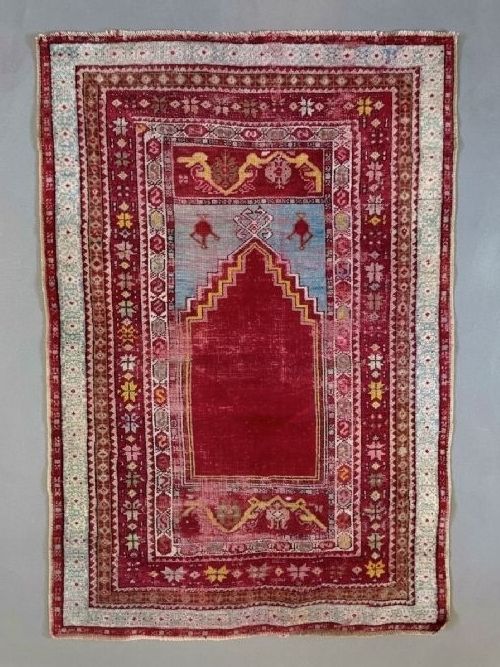
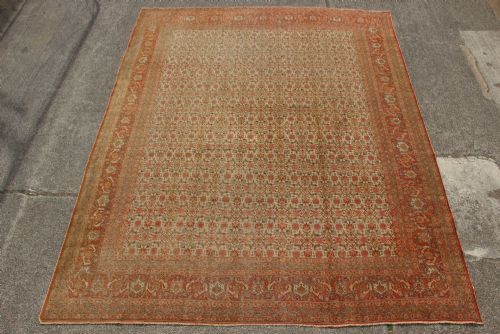
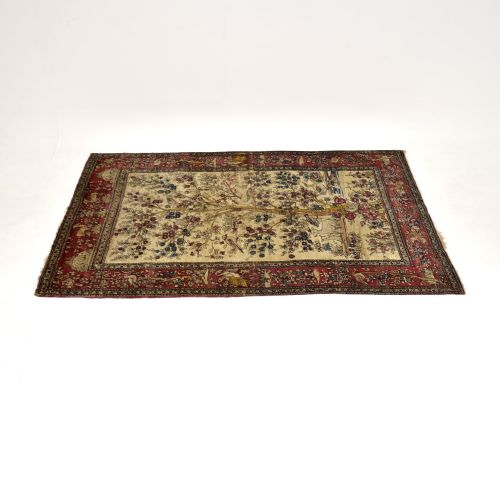
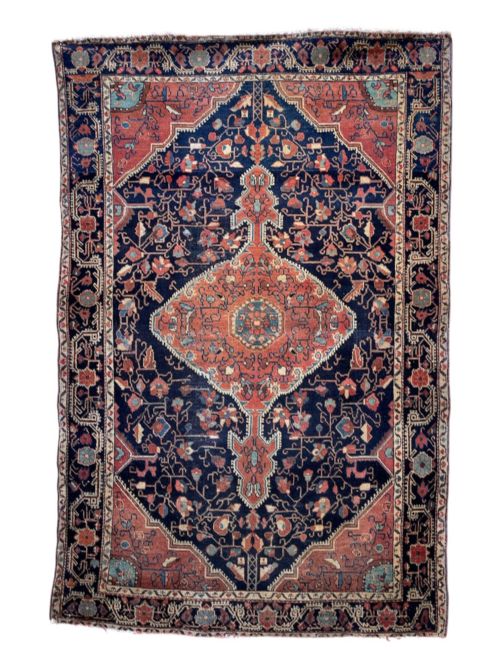
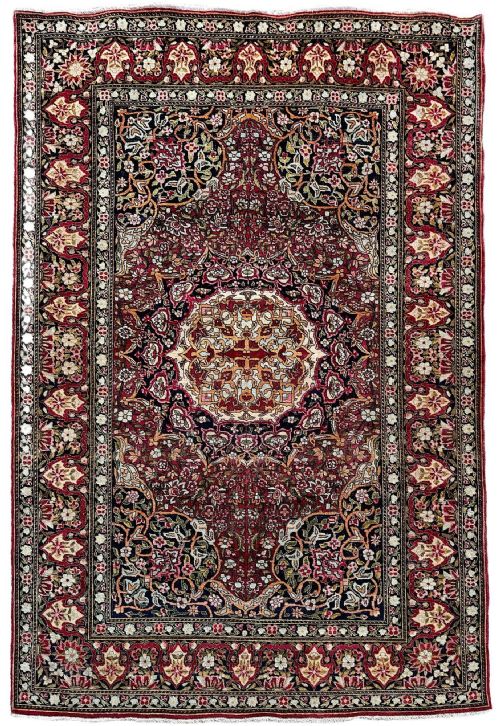
A traditional carpet floor rug encompasses woven floor coverings originating mainly from Persia, Turkey, Central Asia, and the Caucasus. These pieces include room-sized carpets, long hallway runners, and smaller area rugs suited for various domestic layouts.
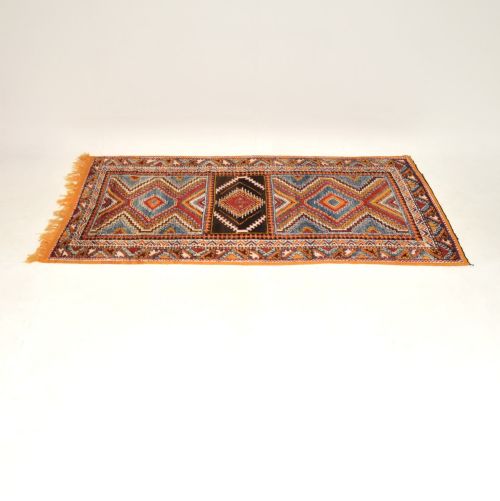
Makers in these regions produced items bearing distinct regional designs, ranging from the geometric motifs of tribal groups to the sophisticated floral compositions of city workshops. Examples span production dates from the mid-nineteenth century through to the early twentieth century.
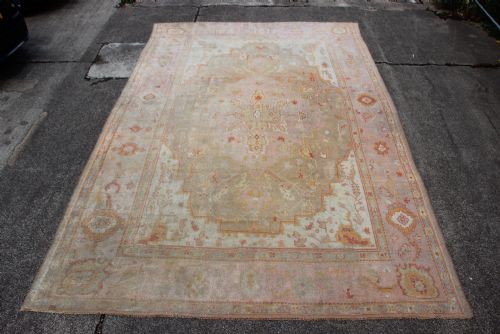
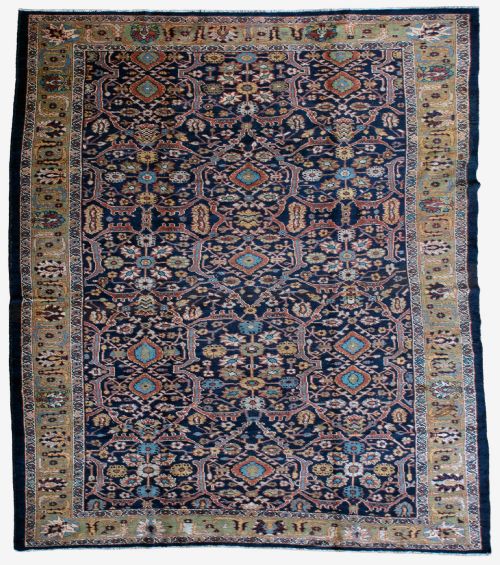
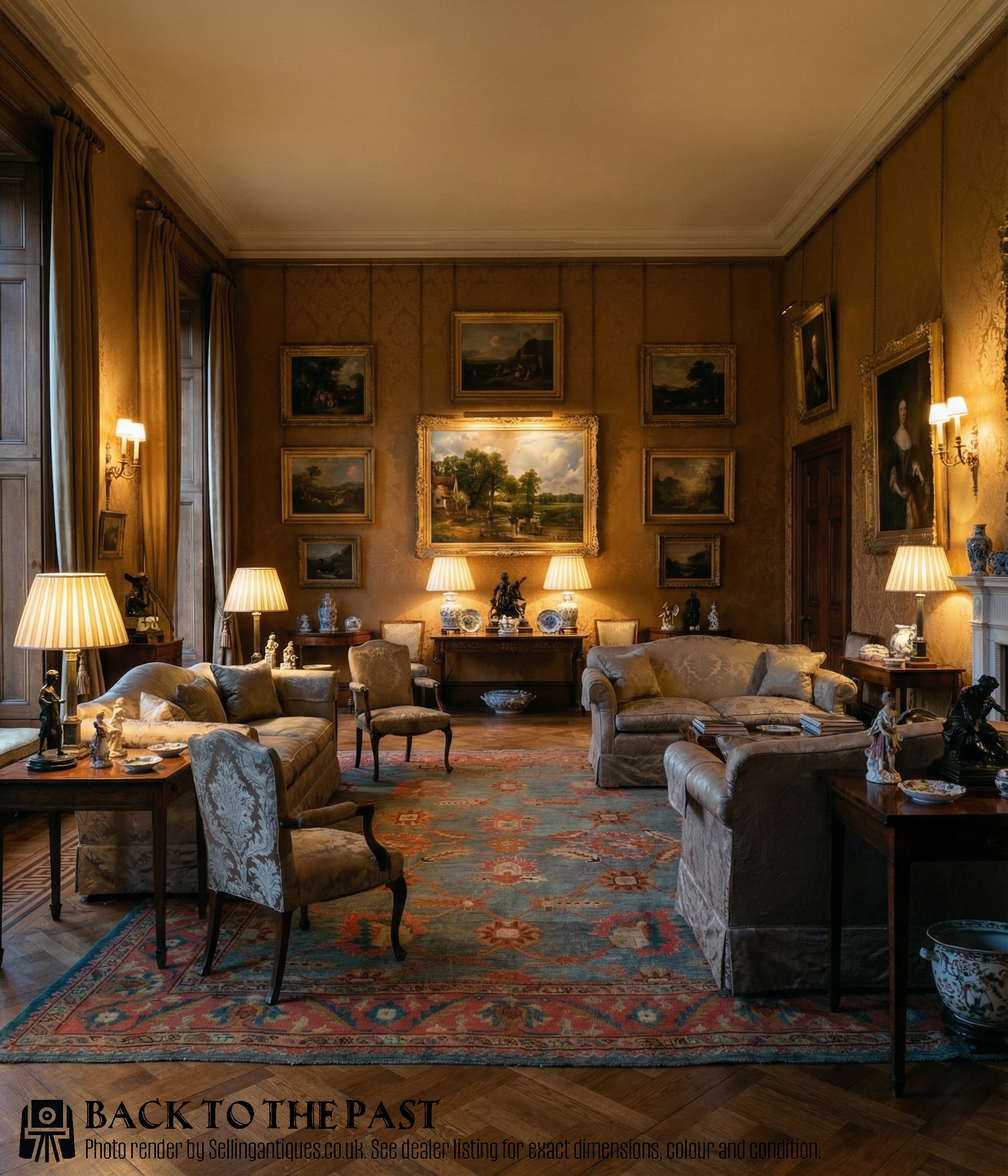
Selecting a traditional carpet floor rug involves considering both the scale of the room and the specific aesthetic associated with provenance, such as Heriz, Oushak, or Turkmen styles. These floor coverings function as central decorative elements that anchor interior spaces.
Materials and construction
Weavers utilised natural materials such as wool for pile and foundation, often incorporating cotton for structural warp and weft threads. Certain pieces also integrate silk highlights to emphasise specific details within the design.
Natural dyes provided the rich colour palettes visible across these textiles, sourced from plants and minerals to create deep reds, blues, and earth tones. Skilled artisans knotted these materials by hand onto looms, resulting in durable structures designed for heavy use.
Listings feature pieces spanning the nineteenth and twentieth centuries, utilising wool, cotton, silk, and natural dyes across various regional styles.
Distinguishing quality in woven textiles
Quality in a traditional carpet floor rug relates closely to the precision of the knotting and the fineness of the materials selected by the weaver. Denser knot counts allowed for sharper pattern definition and greater resilience under foot.
The sophistication of the dye work also sets examples apart, as natural dyes mature gracefully over decades. Harmonious colour saturation and balanced compositional layouts reflect the expertise of the workshop or tribe that produced the piece.
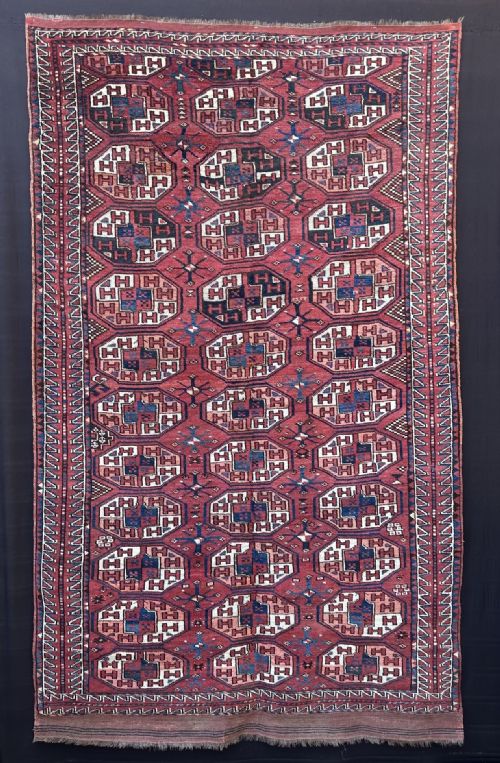
Kizyl Ayak Tribe·Ersari Turkmen
The Traditional Carpet Floor Rug Glossary
- Pile
- The upright yarn loops that form the tactile surface of the rug. This upper layer absorbs the friction of foot traffic.
- Warp
- The vertical foundation threads stretched tightly on the loom before weaving begins. Weft threads are passed across these structural elements to secure the knots.
- Gul
- A medallion motif frequently found in Turkmen and Central Asian carpet designs. These repeating octagonal emblems often denote specific tribal origins.
- Runner
- A long, narrow carpet format designed specifically for corridors, hallways, and staircases. Their proportions accommodate restricted architectural spaces.
- Natural dye
- Colouring derived from organic sources such as plants, insects, and minerals rather than synthetic chemicals. These substances yield complex, subtle hues that age with distinct character.
Traditional Carpet Floor Rug: Frequently Asked Questions
How do I clean an old wool rug?
Regular gentle vacuuming without a rotating brush helps remove surface dust and grit from the wool pile. Professional specialist cleaning remains necessary for deeper maintenance to protect natural dyes and fibres.
Water exposure should be managed carefully to prevent dye migration or structural weakening of the cotton and wool foundations. Prompt attention to spills using dry absorbent cloths preserves the integrity of the textile.
Can I place these rugs in heavy traffic areas?
Many traditional wool and cotton carpets were constructed for daily domestic use and handle moderate to heavy foot traffic well. Using a quality underlay provides additional cushioning and prevents the rug from sliding on hard floors.
Rotating the carpet periodically ensures even exposure to wear and sunlight over the years. This simple practice helps balance the natural ageing process across the entire surface.
How do I identify a tribal rug from a city rug?
Tribal pieces generally feature bolder geometric patterns, asymmetrical elements, and designs passed down through generations of nomadic or village weavers. These compositions often rely on memory rather than precise pre-drawn cartoons.
City workshops typically produced more complex, curvilinear floral patterns with formal symmetry and precise borders. These urban carpets often reflect structured artistic traditions tied to specific regional centres.
What does a medallion design mean?
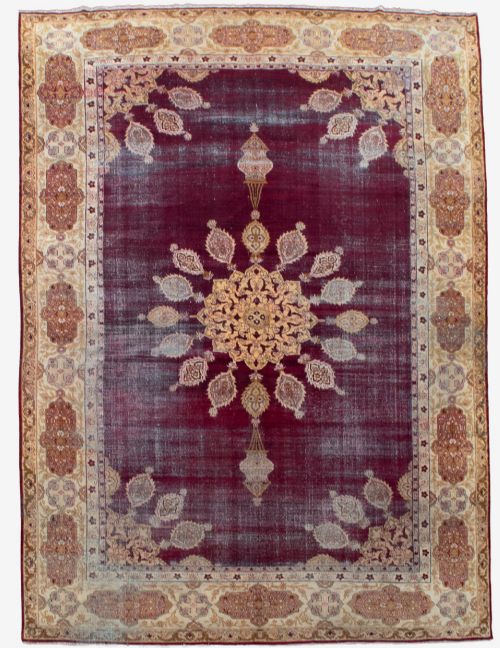
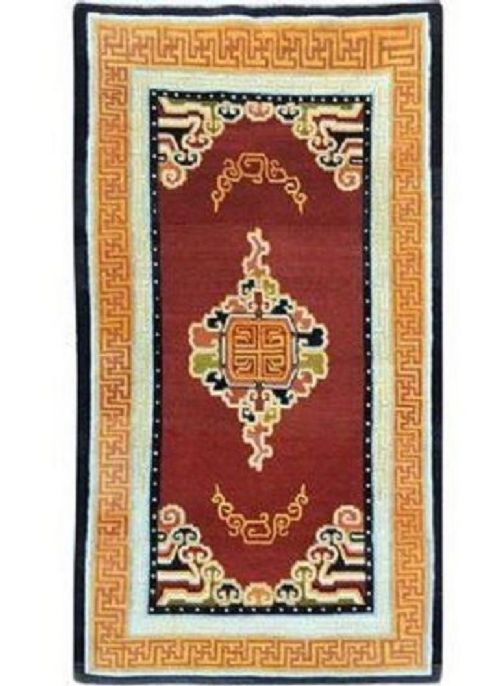
A medallion design centres around a prominent ornamental motif placed directly in the middle of the carpet field. This central focal point often reflects architectural or symbolic influences specific to the region of origin.
Surrounding field patterns and corner brackets frequently complement the central shape to create a unified composition. Weavers utilised these balanced layouts across numerous Persian and Anatolian weaving traditions.