





Green Wool Turkish Carpet
A green wool turkish carpet brings rich heritage and distinctive vegetal tones into a room, offering durability alongside centuries of weaving tradition.
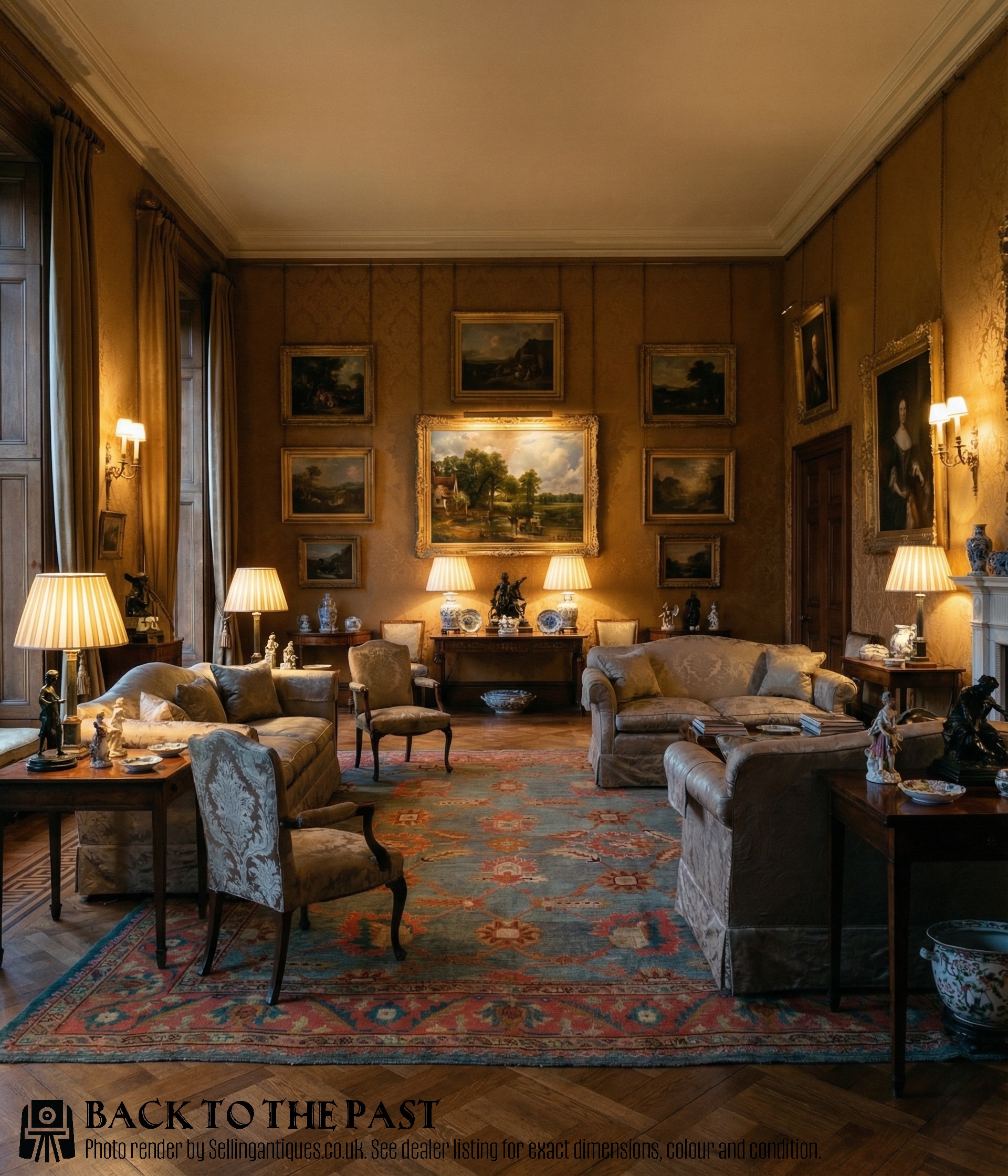
Green Wool Turkish Carpet
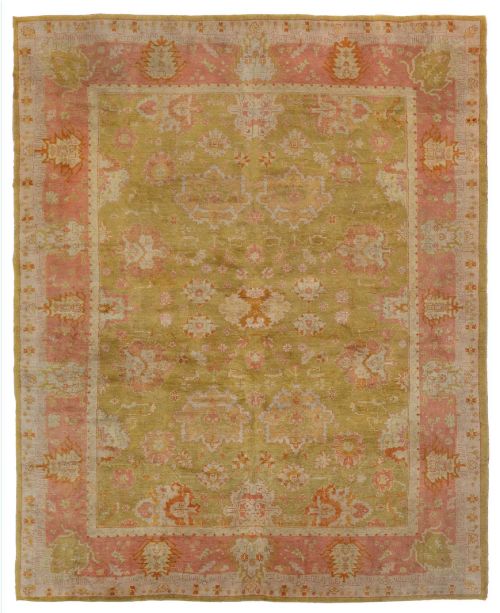
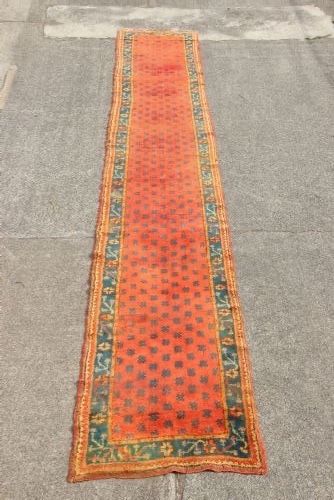
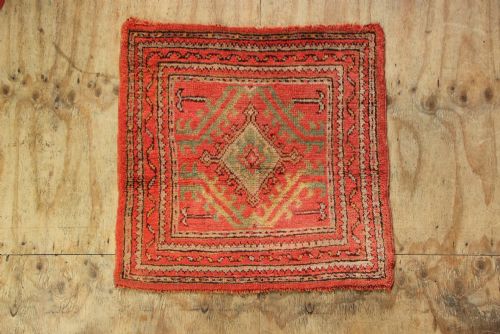
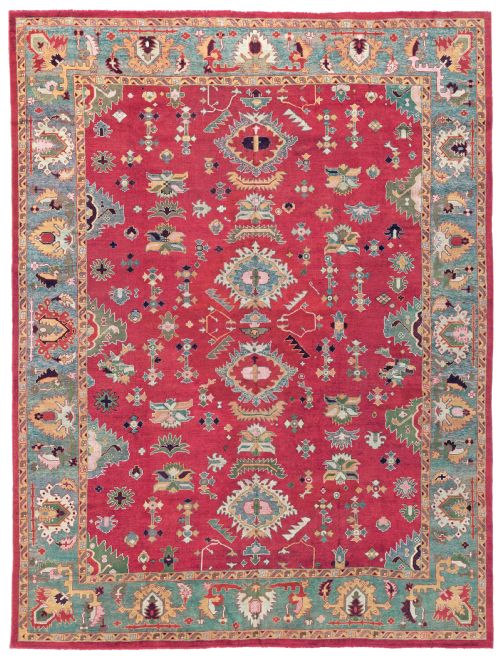
A green wool turkish carpet encompasses woven floor coverings originating from Anatolia, dating from the eighteenth century through to the early twentieth century. Buyers seeking this phrase encounter formats ranging from expansive carpets and square floor coverings to narrow runners and dedicated prayer rugs.
The selections span distinct regional traditions including Ushak, Ghiordes, Kirsehir, Konya, Bergama, Sivas, Milas and Dazkiri. Examples featuring green fields appear alongside traditional compositions, reflecting both village weaving and workshop production.
The pieces emerge from diverse historical periods, encompassing nineteenth-century works and specific iterations from the seventeen-fifties through the nineteen-twenties. These textiles serve both functional flooring roles and decorative wall display functions.
Materials and construction
The construction relies fundamentally on wool, cotton and occasionally angora wool utilised for pile and foundation structures. Weavers knotted these fibres by hand onto supportive warps and wefts to build dense, enduring textiles.
Dyers employed natural substances to achieve the characteristic green fields, pistachio tones, aquamarine grounds and complementary hues seen across the regional types. This combination of resilient animal fibres and traditional dyeing methods creates the characteristic surface texture.
Green Wool Turkish Carpet Retail Price Guide 2026
Typical asking prices for green wool turkish carpet among the pieces listed under this phrase on Sellingantiques today, from the lower quarter to the upper quarter. They describe what is for sale here now, not the wider market.
Village weavers occasionally hid small protective amulets or intentional asymmetry within the borders to ward off the evil eye.
Markers of quality
Quality rests in the precision of the knotting, the crispness of the traditional design execution and the depth of the natural dyes. Superior examples display harmonious colour saturation across the wool pile and well-balanced proportions within regional formats like prayer rugs or large carpets.
The integrity of the foundation threads and the preservation of original selvedges and ends dictate the structural soundness of an antique weaving. Pieces demonstrating scarce green grounds or specific historical designs often exhibit higher artisanal ambition.
The Green Wool Turkish Carpet Glossary
- Prayer rug
- A small format rug featuring a mihrab or niche design, historically utilised for Islamic prayer. These pieces often display directional patterns orienting toward Mecca.
- Kilim
- A flatwoven carpet produced without a pile by tightly interweaving warp and weft strands. This technique yields a lighter, reversible textile distinct from knotted pile carpets.
- Ushak
- A major weaving centre in western Anatolia known for large-format carpets with distinctive medallion or star layouts. Ushak production spans multiple centuries and includes softer wool variations.
- Ghiordes
- A town in western Turkey renowned for prayer rugs and classical village designs characterised by balanced floral motifs. Ghiordes pieces often incorporate specific symmetrical knotting techniques.
- Runner
- A long and narrow format carpet designed primarily for hallways, staircases or gallery spaces. These pieces adapt traditional village patterns to linear dimensions.
Green Wool Turkish Carpet: Frequently Asked Questions
What is a prayer rug?
A prayer rug is a smaller format textile featuring a distinctive architectural arch or niche design known as a mihrab. Weavers historically produced these pieces to provide a clean, portable space for daily prayers.
In daily life, buyers often place these rugs on walls, tabletops or smaller floor areas where the detailed central niche remains visible and protected from heavy foot traffic.
How do I care for wool carpets?
Care involves gentle vacuuming without a beater bar and prompt attention to spills using plain water and mild wool-safe cleansers. Professional cleaning by specialists in antique textiles ensures the preservation of natural fibres.
Keeping the carpet out of direct, prolonged sunlight prevents the natural dyes from fading over decades of domestic use.
Where were these rugs made?
These carpets originate from various towns, cities and village communities across Anatolia, including Ushak, Ghiordes, Kirsehir, Konya, Bergama, Sivas, Milas and Dazkiri. Each region developed distinct colour palettes, geometric or floral motifs, and weaving structures.
Urban workshops produced large, fine carpets for export, while village weavers created smaller formats and prayer rugs reflecting local tribal traditions.
How do I identify the age?
Dating relies on structural characteristics, wool consistency, dye analysis and stylistic markers typical of specific periods between the eighteenth and early twentieth centuries. Certain design elements, such as Holbein patterns or specific prayer niche outlines, align with known historical eras.
Examining the wear patterns, fringe condition and foundation materials helps confirm whether a piece belongs to the nineteenth century or the early twentieth century.