

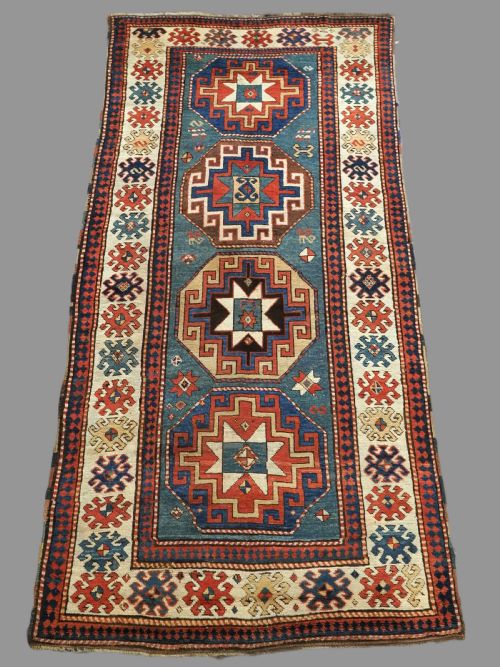
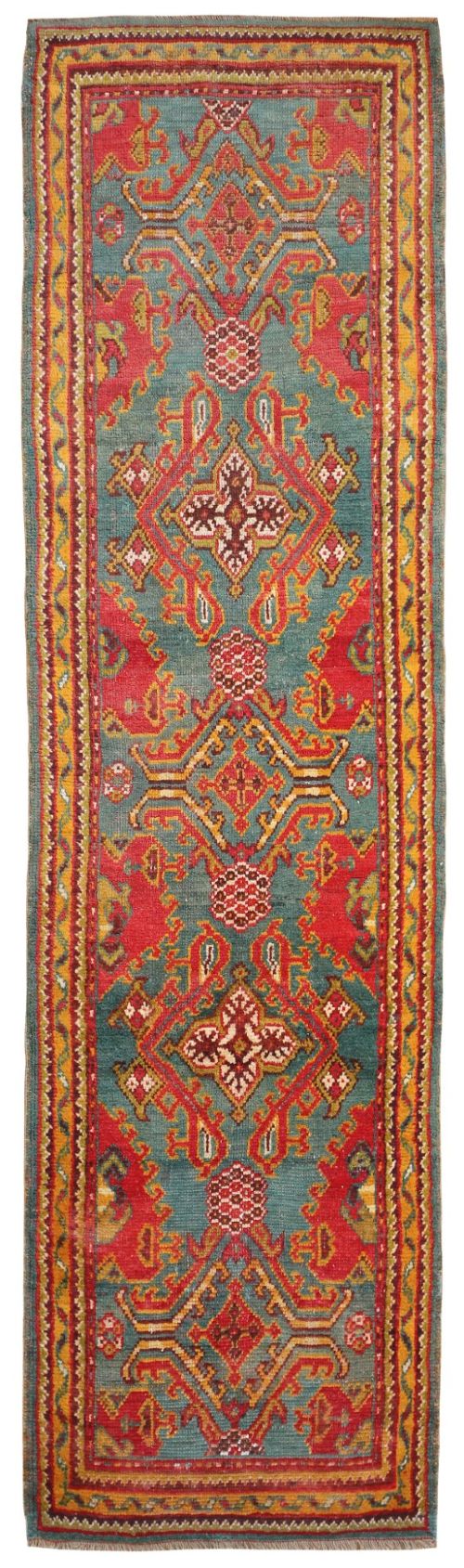


Teal Wool Area Rug
A teal wool area rug brings depth and warmth to a room through traditional hand-knotted and woven floor coverings.
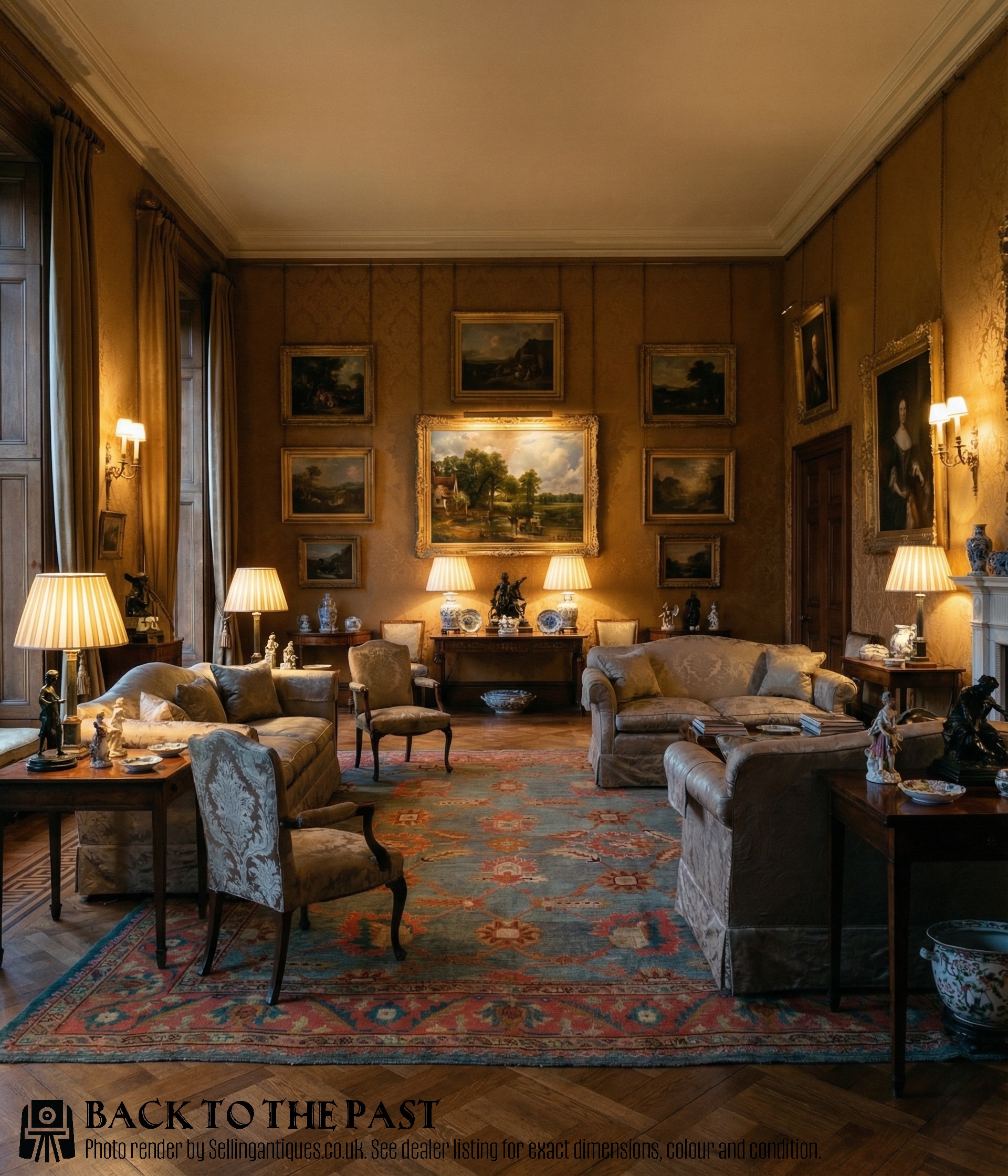
Teal Wool Area Rug
When you search for a teal wool area rug, you encounter traditional woven floor coverings spanning the late nineteenth century and the early twentieth century. These pieces include runners, large carpets, and smaller area rugs originating from diverse regional traditions.
Buyers meet examples dated from the Victorian era up to the nineteen-twenties, showing how traditional workshops handled distinct regional patterns. Each rug carries the specific decorative grammar of its origin, whether Anatolian, Caucasian, or European.
How they were made
Makers constructed these rugs predominantly using wool for the pile and structure, often paired with cotton foundations. Artisans knotted or flatwove the materials by hand on traditional looms.
The weavers applied regional dyeing traditions to obtain saturated hues, building durable floor textiles intended for heavy use. Workshops in Oushak, the Caucasus, and Persia utilised local techniques passed down through generations.
Teal Wool Area Rug Retail Price Guide 2026
Typical asking prices for teal wool area rug among the pieces listed under this phrase on Sellingantiques today, from the lower quarter to the upper quarter. They describe what is for sale here now, not the wider market.
Listings span the nineteenth century and the nineteen-twenties, incorporating wool and cotton across Ottoman, Persian, and European styles.
What varies in quality
The quality of a piece rests in the precision of the weave and the finesse of the regional design rendering. Finer knots and more articulate drawing separate master workshop output from standard production.
Preservation of the original wool pile and structural integrity dictate the standing of individual rugs. Pieces retaining their full borders and uncompromised foundations hold greater decorative clarity.
The Teal Wool Area Rug Glossary
- Kilim
- A flatwoven carpet or rug produced without a pile. These pieces rely on interlocking Weft threads to create geometric patterns.
- Pile
- The upright yarn loops or tufts that form the usable surface of a rug. This component determines the tactile softness and depth of the textile.
- Runner
- A long, narrow carpet format designed for hallways, corridors, or staircases. This shape accommodates specific architectural spaces.
- Foundation
- The underlying grid of warp and weft threads that supports the rug knots. It forms the structural skeleton of the textile.
Teal Wool Area Rug: Frequently Asked Questions
What is an Oushak rug?
Oushak rugs originate from the town of Usak in western Turkey and are known for their distinctive large-scale floral motifs and softer pastel or saturated palettes.
Weavers typically employed a looser knotting technique with high-quality wool, producing textiles that suit both traditional and modern interiors.
How do I care for wool rugs?
Wool rugs require regular gentle vacuuming without a beater bar to protect the delicate pile and foundation fibres.
Professional cleaning is recommended to address deep-seated dirt while preserving the integrity of the historical materials.
What defines a Mahal carpet?
Mahal carpets come from the central region of Iran and feature bold, spacious floral designs with large medallions or all-over field patterns.
Their robust construction and rustic charm made them popular exports for Western drawing rooms during the nineteenth and early twentieth centuries.
How are antique rugs dated?
Experts date antique rugs by examining stylistic indicators, dye compositions, material characteristics, and structural specifics unique to particular decades.
Comparison with documented examples from known weaving centres helps narrow the period of origin.