
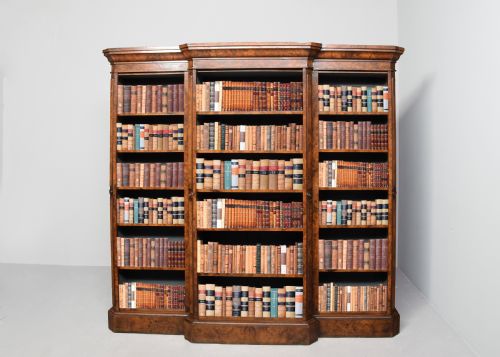
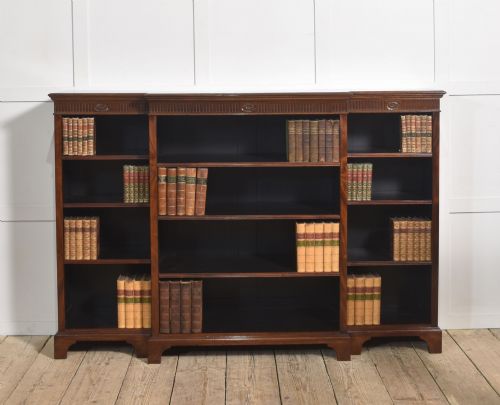


Traditional Breakfront Bookcase
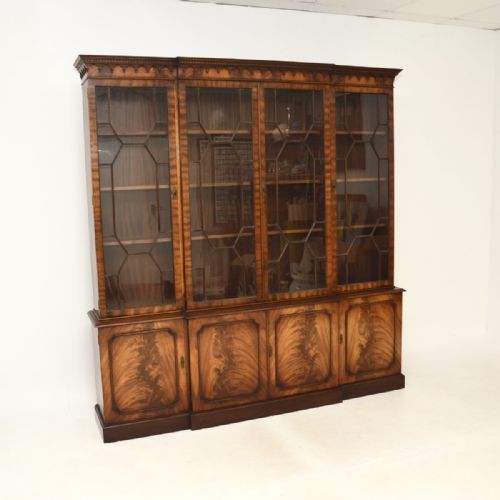
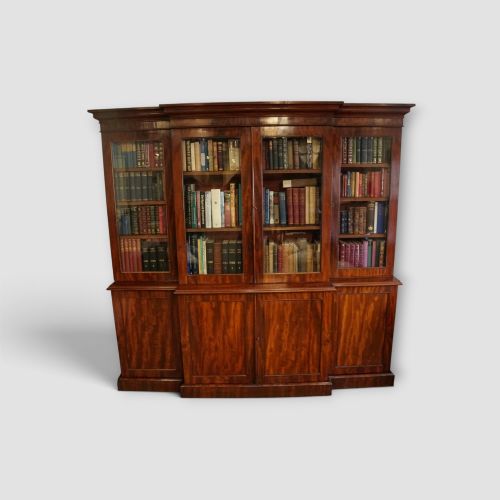
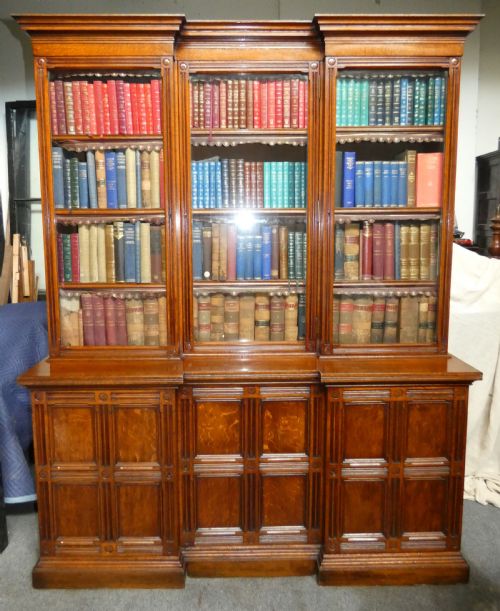
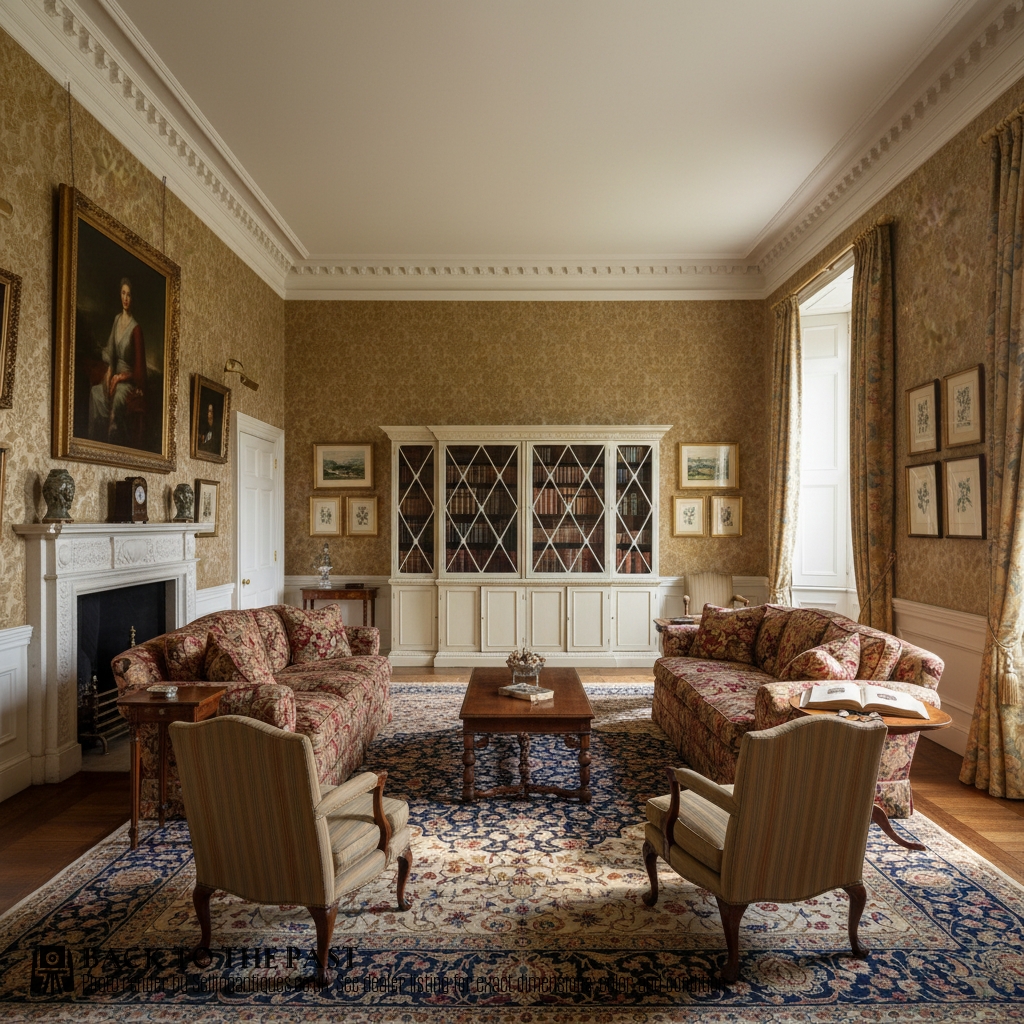
A traditional breakfront bookcase projects forward in the centre to anchor a room with architectural dignity.
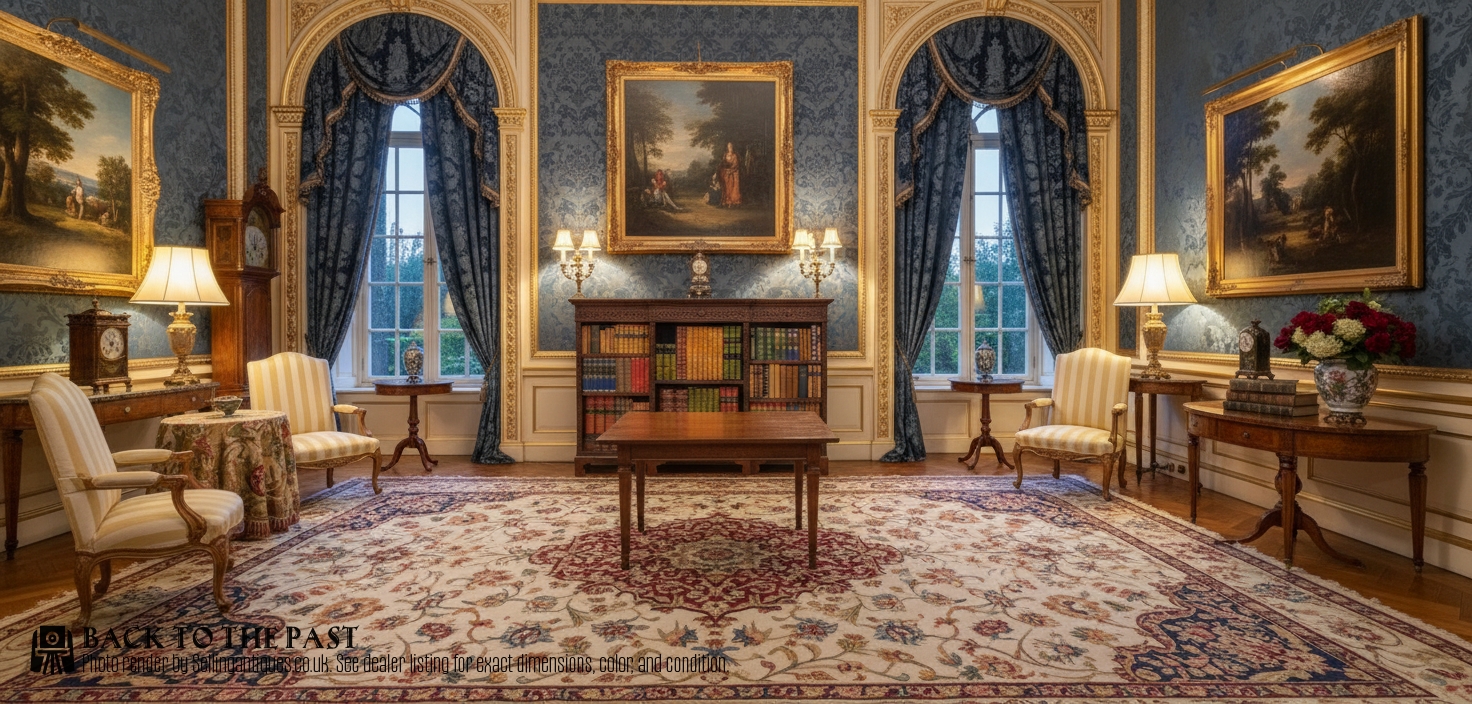
Traditional Breakfront Bookcase
A traditional breakfront bookcase stands as a substantial piece of furniture designed for displaying and housing large libraries. These pieces feature a tripartite or multi-section facade where the central section extends further forward than the flanking wings, creating a pronounced architectural silhouette. You will most frequently encounter mahogany examples dating from the nineteenth century, alongside revival styles from the Edwardian era and the early twentieth century.
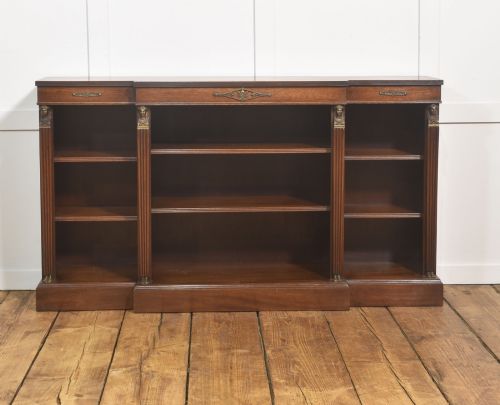
The format encompasses both glazed cabinet doors protecting fine volumes and open shelving configurations meant for accessible reading rooms. Makers utilised pine, oak, walnut, and rosewood alongside the predominant mahogany, often incorporating adjustable shelves within partitioned sections. These library bookcases range from diminutive proportions to monumental ten-foot case pieces built for grand domestic interiors.
How they were made
Cabinet makers constructed these large library pieces using solid timbers and carefully selected veneers over stable secondary woods. Flame mahogany veneer and burr walnut appeared across panelled doors and drawer fronts to introduce rich grain patterns and visual depth to the substantial facades.
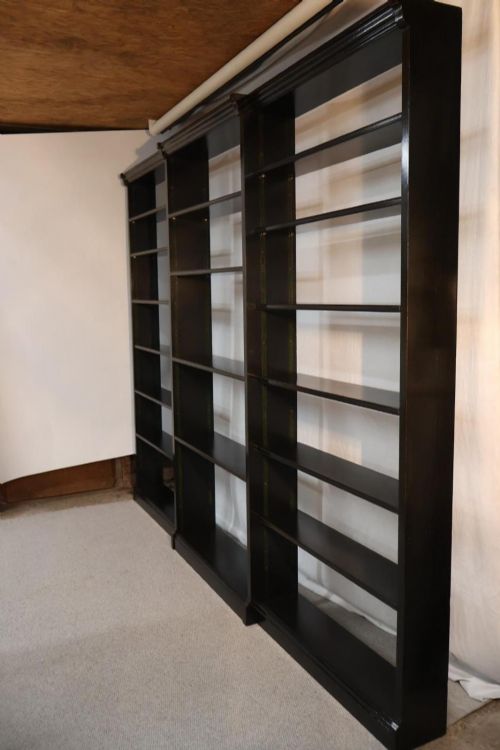
Glazing bars divided large glass panes into geometric or Gothic lights, while brass hardware secured doors and supported adjustable internal shelving. Ebonised finishes and painted surfaces provided alternative treatments to the standard polished hardwood constructions found in Victorian and Edwardian workshops.
The inventory includes both glazed display cabinets and open architectural bookshelves with adjustable internal shelving.
What varies in quality
The refinement of the proportions and the crispness of the architectural mouldings set the finest examples apart from standard workshop production. Superior pieces display carefully matched veneer grains across the breakfront facade and balanced distribution of panelled or glazed doors.
Internal joinery, such as fully adjustable shelf mechanisms and robust brass fittings, distinguishes master-built library furniture from simpler utilitarian cupboards. The integration of revival details, whether Chippendale, Sheraton, or Regency in inspiration, reflects the deliberate ambition of the original maker.
Lamb And Co
The Traditional Breakfront Bookcase Glossary
- Breakfront
- An architectural furniture form where the central section projects forward from the flanking wings. This configuration creates dynamic shadow lines and visual weight.
- Glazing bar
- A narrow wooden strip holding individual panes of glass within a cabinet door. These bars form the geometric lattice typical of library bookcases.
- Flame mahogany
- A highly figured timber veneer showing undulating flame-like grain patterns. Cabinet makers reserved this material for prominent surfaces on high-status pieces.
- Adjustable shelf
- A book shelf supported by movable pegs or ratchets allowing variable vertical spacing. This practical interior feature accommodates volumes of different heights.
- Revival style
- A design movement looking back to earlier historical periods such as the Georgian or Regency eras. Makers reinterpreted these classical proportions for contemporary Victorian and Edwardian homes.
Traditional Breakfront Bookcase: Frequently Asked Questions
What is a breakfront bookcase?
A breakfront bookcase is a large storage unit featuring a central section that steps forward from the flanking wings. This architectural design creates a commanding presence suited to traditional libraries and formal rooms.
The tripartite configuration often combines glazed upper display doors with lower wooden cupboards or open adjustable shelving. These monumental pieces served as the primary storage vessels for extensive private book collections.
How do I date a bookcase?
Dating relies upon examining the timber species, construction methods, and stylistic revival indicators present in the woodwork. Nineteenth-century examples often display heavy mahogany construction while Edwardian pieces lean towards lighter revival aesthetics.
Secondary woods, glass manufacturing techniques, and internal hardware systems also provide reliable chronological markers. Comparing the decorative mouldings against known Georgian, Regency, or Victorian patterns helps establish the period of origin.
Are shelves usually adjustable?
Many traditional library bookcases feature adjustable shelving systems supported by wooden pegs, metal pins, or vertical rack strips. This flexibility allowed owners to reconfigure the interior space for books of varying heights.
Fixed shelving frequently appears in simpler kitchen dressers or early cupboards where structural rigidity took precedence over modular utility. Checking the interior uprights reveals whether the adjustment mechanism is original to the piece.
Where should I place one?
These substantial case pieces require a dedicated wall with sufficient width and ceiling height to accommodate their monumental proportions. Living rooms, studies, and home libraries provide ideal settings where the architectural breakfront can anchor the room.
Direct sunlight and heavy temperature fluctuations should be avoided to protect antique wood veneers and historical glass panes. Positioning the bookcase away from direct heat sources preserves the stability of the timber frame.