
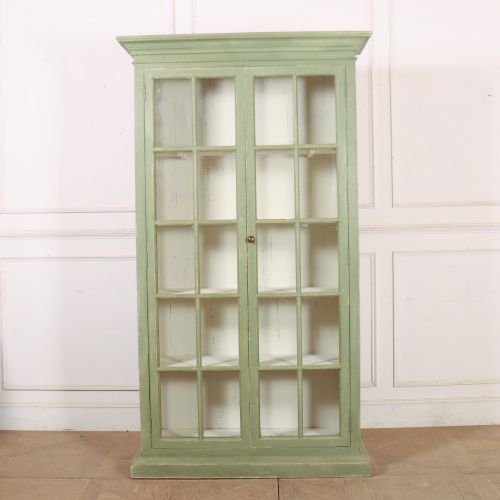


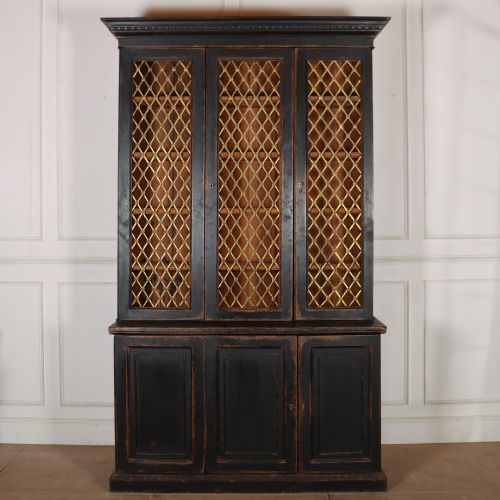
Painted Library Cabinet
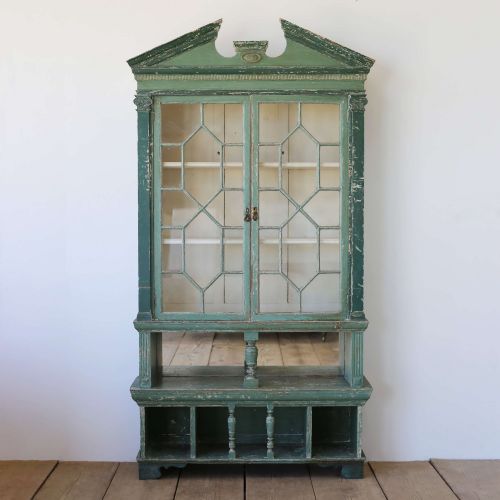
These painted library cabinet examples bring substantial book storage and display into a room, combining practical shelving with painted wooden finishes from various periods.
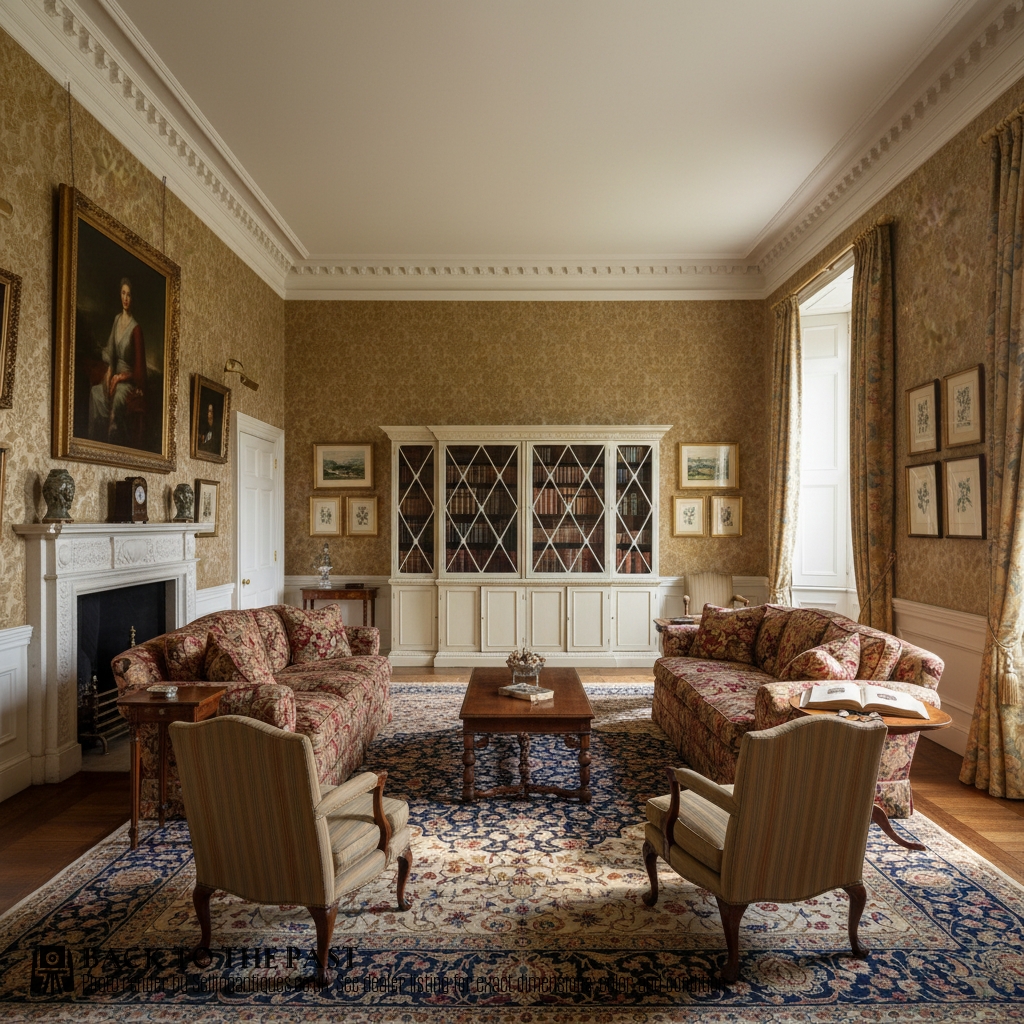
Painted Library Cabinet
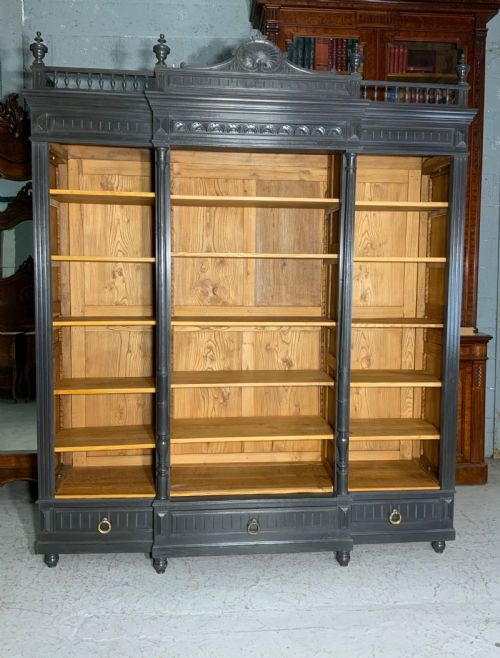
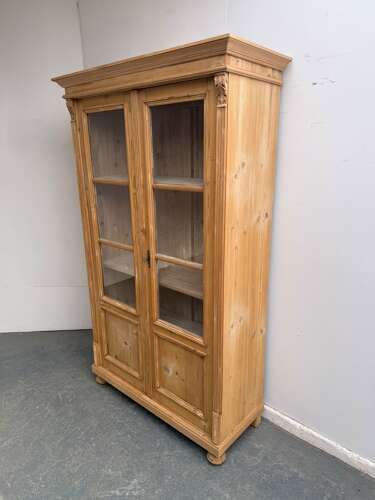
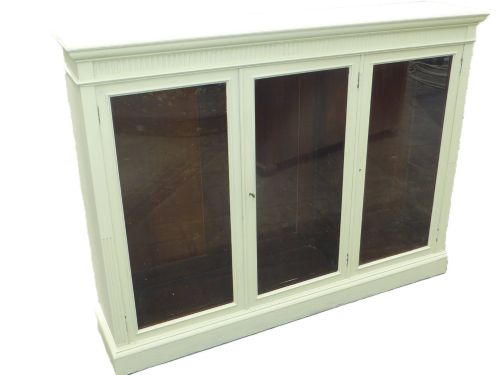
A painted library cabinet serves to organise and display books behind glazed or open fronts, drawing on regional traditions from English, Irish, Scottish, and French workshops. Buyers looking for a painted library cabinet will encounter pieces ranging from large breakfront forms to two-door knockdown pine cupboards and institutional school cases.
The selection includes breakfront library bookcases from the nineteenth century alongside later institutional cabinets from the 1920s and 1930s. Regional variants such as Irish country and French provincial pieces appear regularly among the available stock.
Many examples incorporate glazed doors with adjustable shelves, while others offer open shelving or lower cupboard storage beneath the main display area.
Materials and construction methods
Construction relies heavily on timber, with pine, oak, and satinwood forming the primary carcasses. Workshops applied paint finishes directly to the wood, sometimes combining painted decoration with ebonised elements or brass mounts.
Listings feature nineteenth-century items alongside 1920s and 1930s school cabinets, constructed from pine, oak, and satinwood with glass and brass elements.
Factors of quality and execution
Quality separates simple utility furniture from grander pieces through the sophistication of the architectural proportions and the presence of original painted decoration. Finer examples display balanced breakfront layouts and careful surface preparation beneath the paint layer.
The integrity of the original glazing, brass hardware, and internal shelving systems indicates the level of craftsmanship invested in the cabinet. Pieces with documented regional origins or finer cabinet woods like satinwood typically command greater interest.
The Painted Library Cabinet Glossary
- Breakfront
- A cabinet design where the central section projects forward from the flanking sections. This classical architectural arrangement creates visual depth and allows for varied internal storage.
- Ebonised wood
- Timber treated to resemble ebony through a staining and finishing process. It provides a dark, contrasting surface often paired with brass mounts.
- Glazed bookcase
- A piece of furniture featuring glass-fronted doors designed to protect books while keeping them visible. Adjustable internal shelving is a common feature in these cabinets.
- Knockdown bookcase
- A utilitarian piece constructed to be dismantled for transport. These functional items often use pine and simple paint finishes.
- Satinwood
- A durable, light-coloured exotic timber known for its fine grain and reflective quality. It was frequently utilised for high-status cabinet work.
Painted Library Cabinet: Frequently Asked Questions
How are these cabinets dated?
Dating relies on construction methods, timber choice, and stylistic markers consistent with nineteenth-century or early twentieth-century manufacturing.
Hardware styles and the nature of the painted finish also provide reliable clues to the age of a piece.
Are the shelves adjustable?
Many of the glazed bookcases feature adjustable shelving to accommodate books of varying heights.
Older institutional or regional cupboards may have fixed internal arrangements depending on their original purpose.
What woods were commonly used?
Pine, oak, and general timber form the primary structure for most country and institutional examples.
Finer breakfront pieces occasionally incorporate satinwood or feature ebonised detailing.
How should I care for the paint finish?
Painted wooden surfaces benefit from dusting with a soft, dry cloth to prevent accumulation.
Avoid chemical cleaning agents that might soften or damage the historic paint layers.