


Traditional Brass Taper Holders
Traditional brass taper holders provide a warm, low-level illumination, and collectors prize these compact lighting pieces for their enduring metalwork and domestic utility.
Traditional Brass Taper Holders
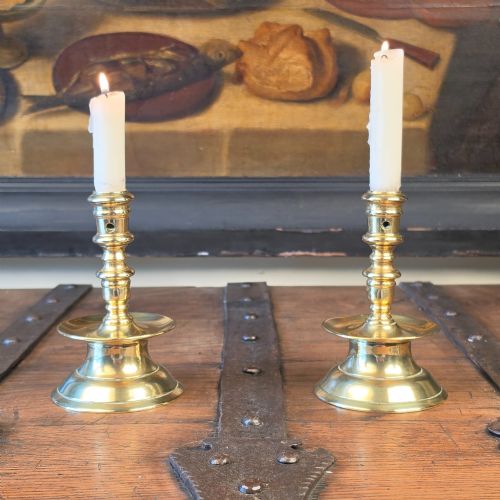
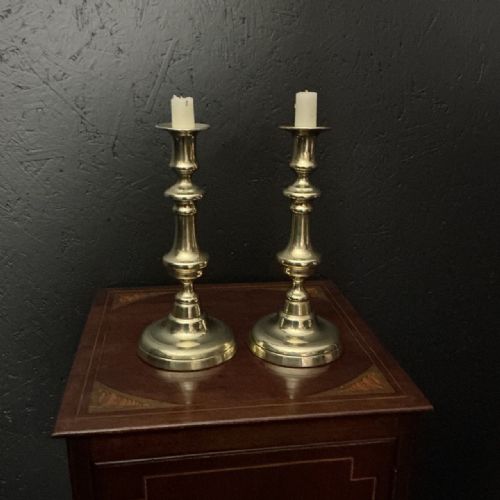
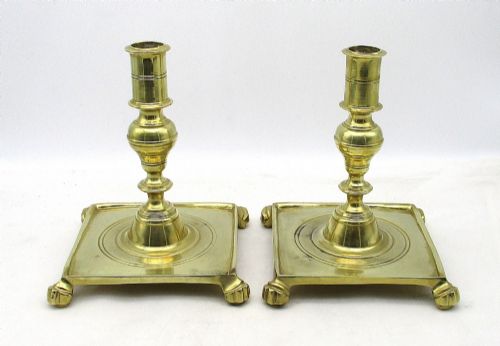
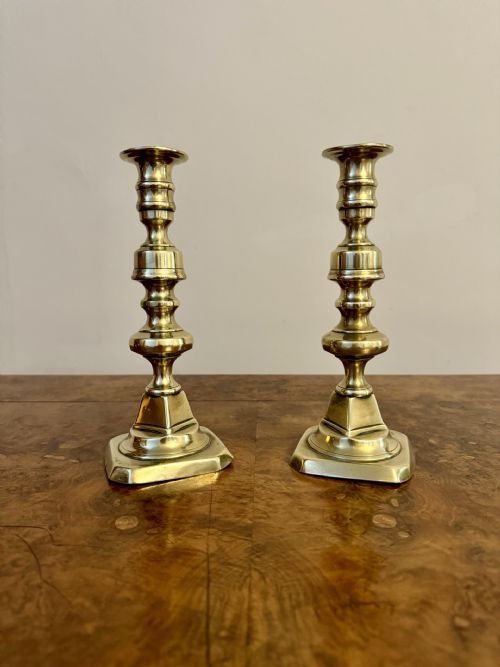
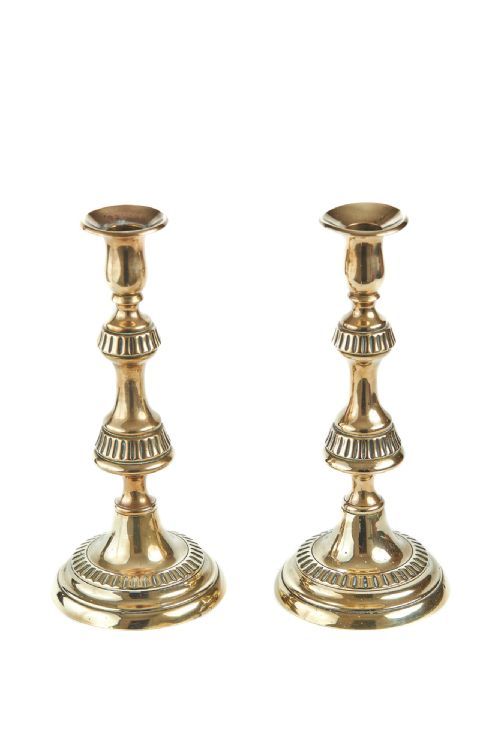
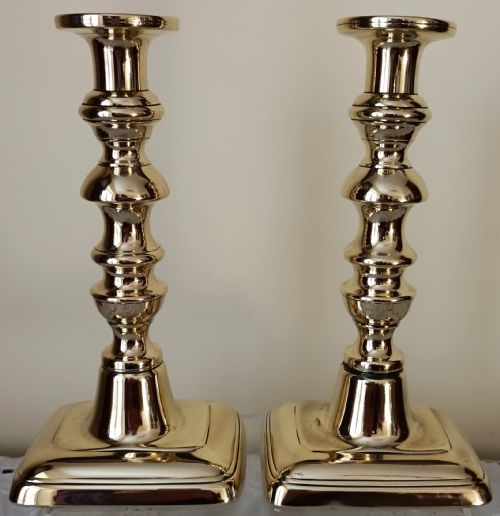
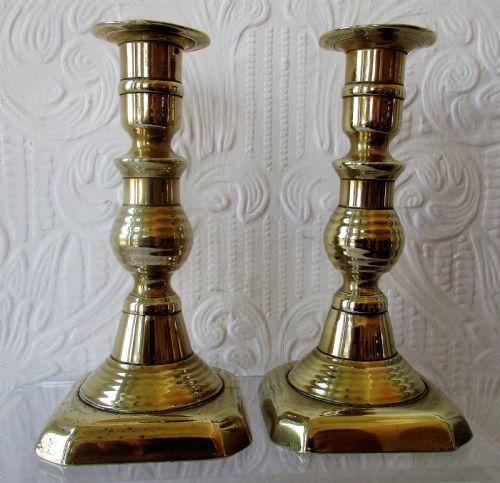
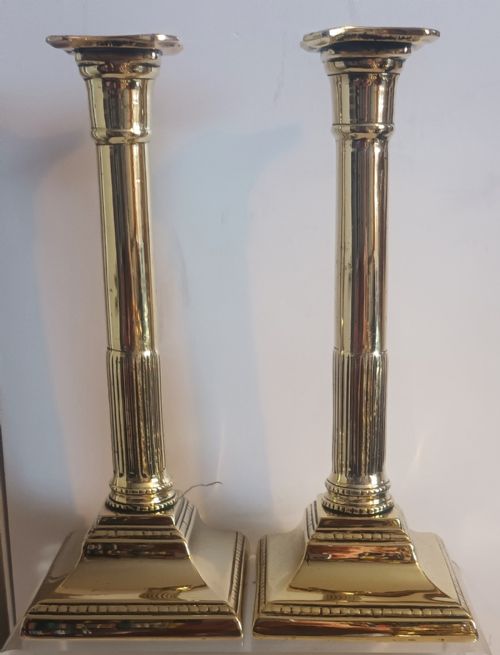
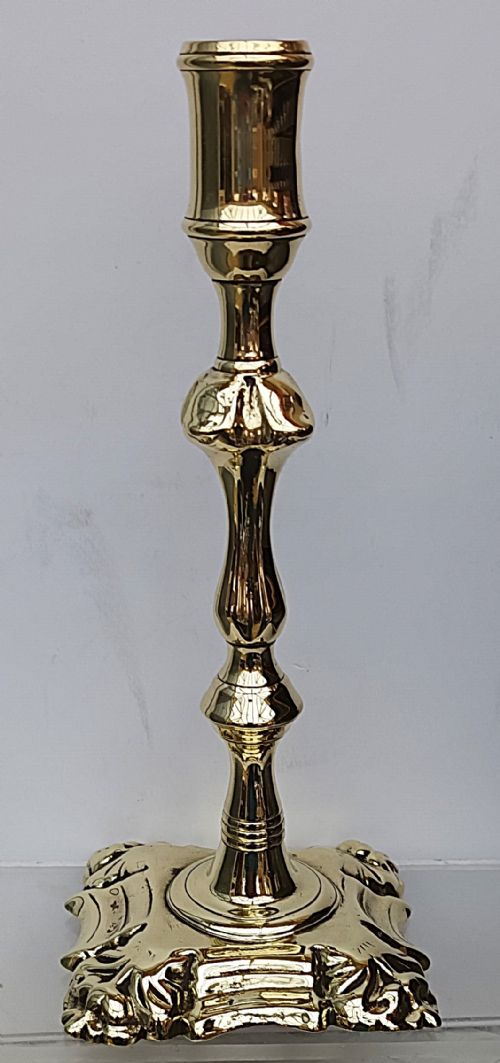
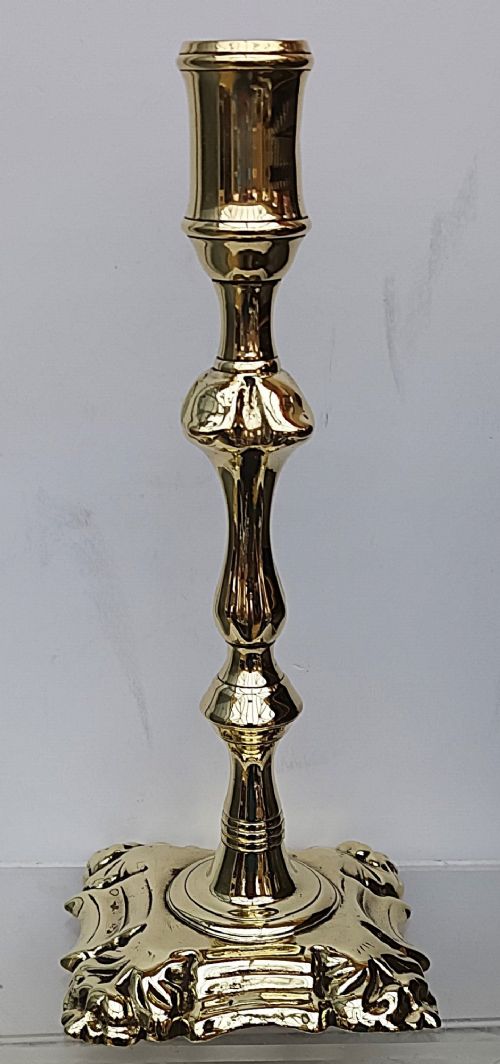
Traditional brass taper holders primarily take the form of candlesticks spanning the eighteenth, nineteenth, and early twentieth centuries. These domestic objects appear in Georgian, Victorian, and Edwardian styles, alongside occasional revival designs.
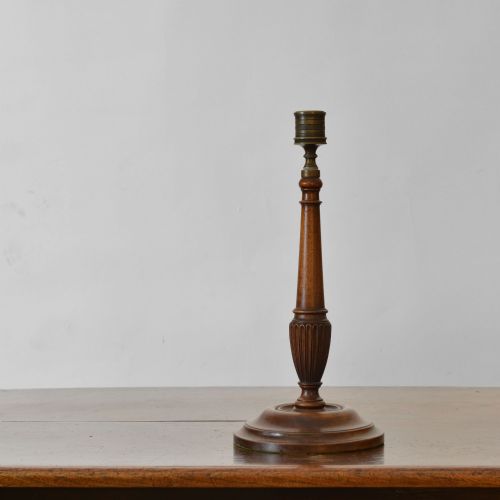
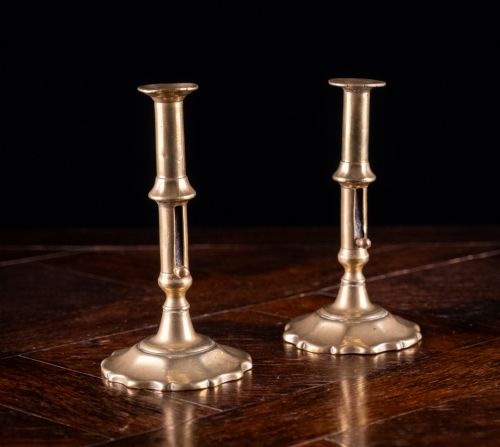
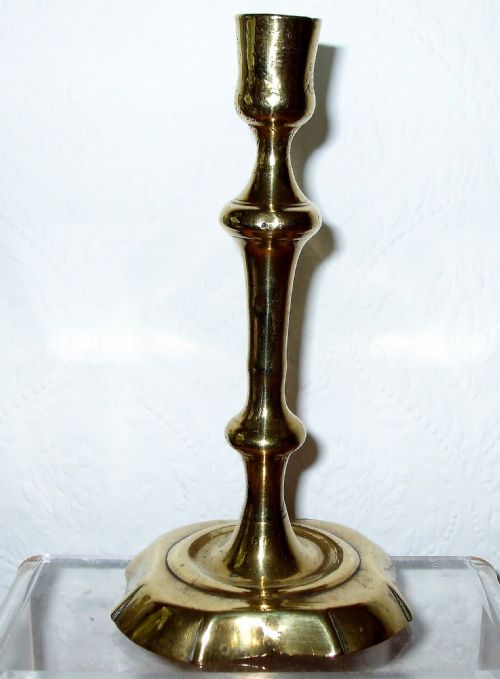
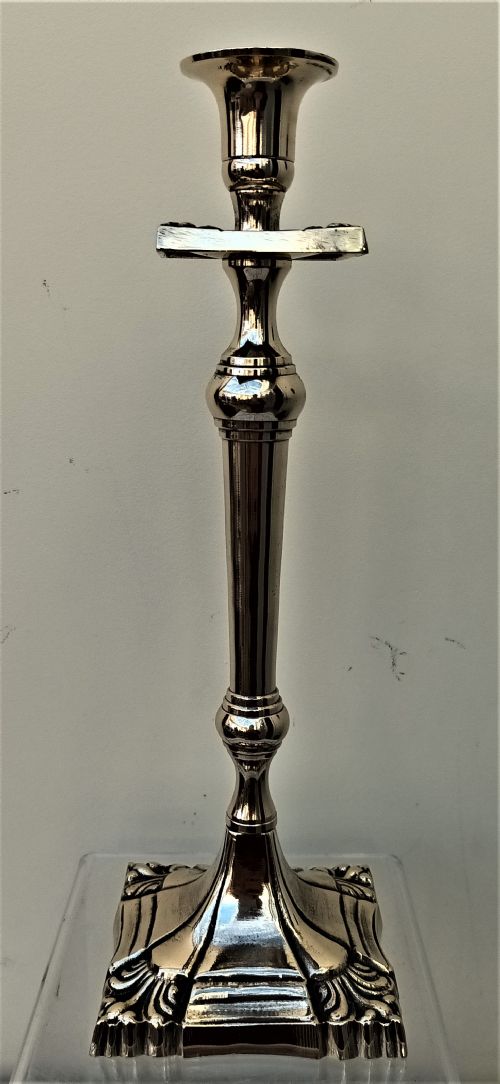
The selection here ranges from simple domestic examples to tall church pieces and pairs featuring petal bases, seamed construction, or ejector mechanisms. Alongside standard brass, some pieces incorporate bronze, mahogany, and oak elements.
Georgian and Victorian iterations dominate the offerings, representing the core of what collectors encounter when seeking traditional brass taper holders on the market today.
Materials and construction methods
Makers utilised brass, cast brass, solid brass, and bronze as the primary metals, often combining them with mahogany or oak in specific bases. Metal components were cast or seamed together, depending on the period and the complexity of the column.
Seamed construction involved rolling sheet metal and joining the edges, a technique visible on mid-eighteenth-century examples. Other pieces rely on solid casting for heavier, more decorative forms such as church candlesticks or twisted designs.
Some taper holders come in matched pairs, perfect for people who dislike being outnumbered by their candlesticks.
Determinants of quality
Quality rests in the crispness of the casting, the weight of the metal, and the integrity of the joins. Heavier cast examples generally signal superior manufacture compared to thinner, later pressed alternatives.
Proportion and decorative restraint separate finer specimens from standard production. Well-balanced columns, clean petal bases, and functional ejector mechanisms demonstrate higher levels of period craftsmanship.
J.T. & Co·Wm Tonks & Sons
The Traditional Brass Taper Holders Glossary
- Ejector candlestick
- A type fitted with an internal mechanism to push out the remaining candle stump. This device typically uses a small side lever connected to an internal disc.
- Petal base
- A candlestick foot shaped like overlapping flower petals, common on eighteenth-century examples. This design adds both stability and ornamental curve to the base.
- Seamed brass
- Metalwork constructed from rolled sheet brass joined down the seam. This technique precedes widespread machine casting.
- Taper holder
- A small candlestick designed specifically for thin wax tapers used for sealing letters or lighting pipes. They share the metal construction of larger domestic candlesticks.
Traditional Brass Taper Holders: Frequently Asked Questions
What are traditional brass taper holders?
Traditional brass taper holders are small domestic candlesticks designed to burn thin wax tapers. They provided portable lighting for sealing letters or moving through rooms before electricity.
The listings here encompass Georgian, Victorian, and Edwardian examples made from cast and solid brass, often formed as matched pairs with distinct column shapes.
How do I date a brass candlestick?
Dating relies on observing manufacturing techniques, base shapes, and overall stylistic markers. Eighteenth-century pieces often feature petal bases or seamed construction, while Victorian examples introduce heavier cast ornament and varied column profiles.
Changes in metal finishing and assembly methods provide further clues. Earlier pieces tend to show simpler, functional lines compared to later nineteenth-century revival styles.
Were these used for lighting rooms?
Smaller taper holders were generally used for lighting pipes or melting sealing wax rather than illuminating an entire space. Their compact size made them easy to carry from room to room.
Larger pairs served on dining tables and mantlepieces, whereas tall church variants provided altar illumination.
How should I clean antique brass?
Antique brass requires minimal intervention to preserve its historic surface and natural patination. Dusting with a soft cloth is usually sufficient for regular maintenance.
Avoid harsh chemical polishes that strip away age and character. Gentle cleaning maintains the deep lustre developed over centuries.