

Traditional Brass Light Pair
A traditional brass light pair brings balanced illumination and period character to a room, spanning forms from candlesticks to grand chandeliers.
Traditional Brass Light Pair
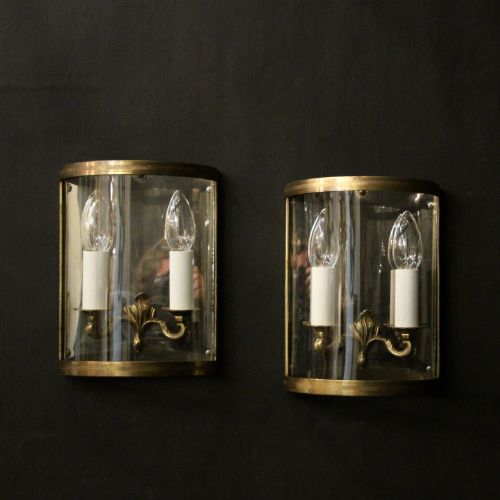
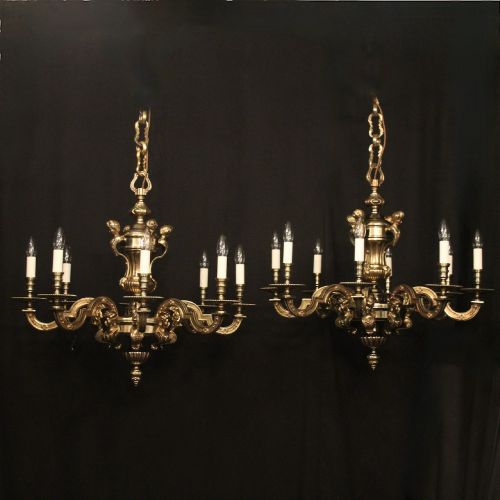
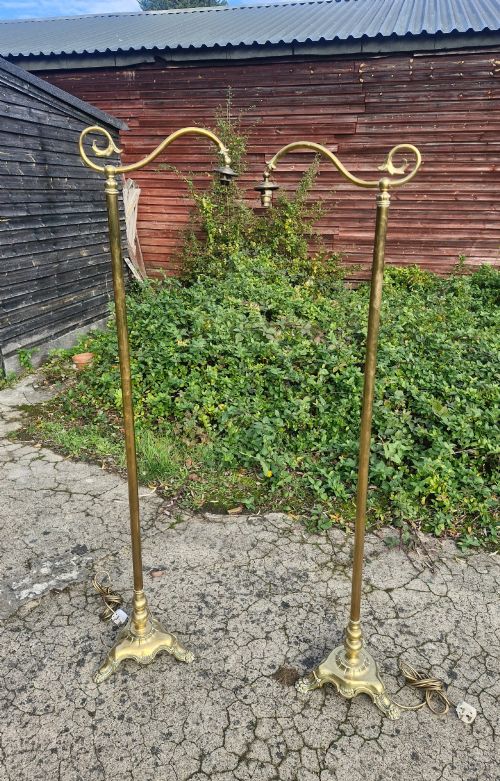
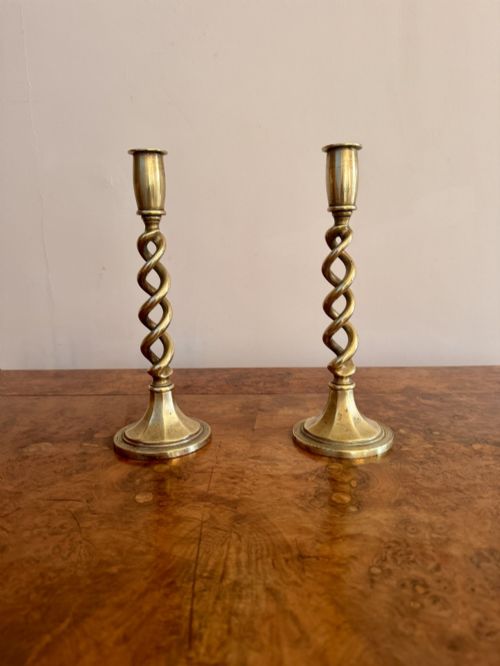
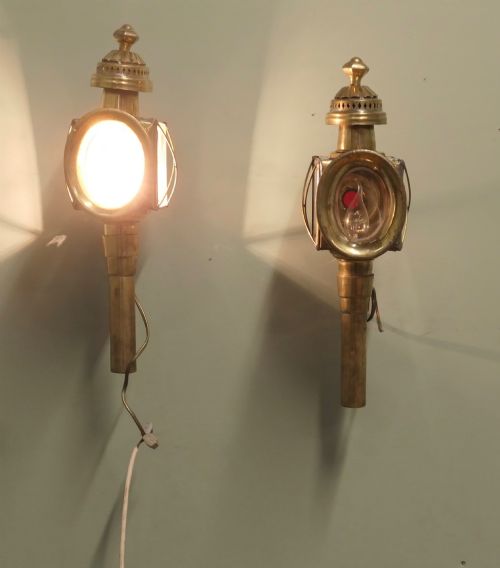
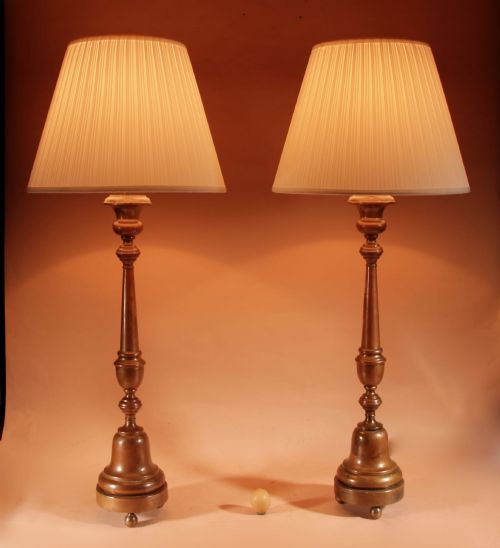
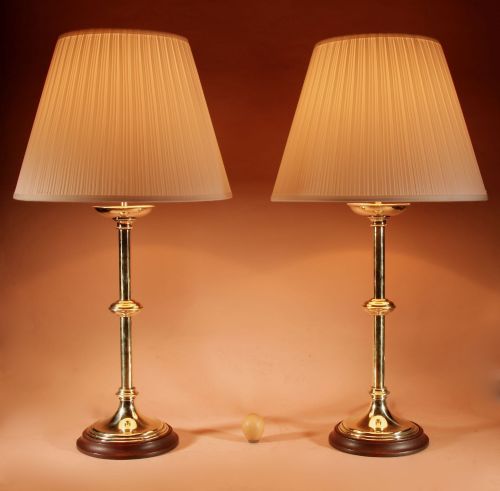
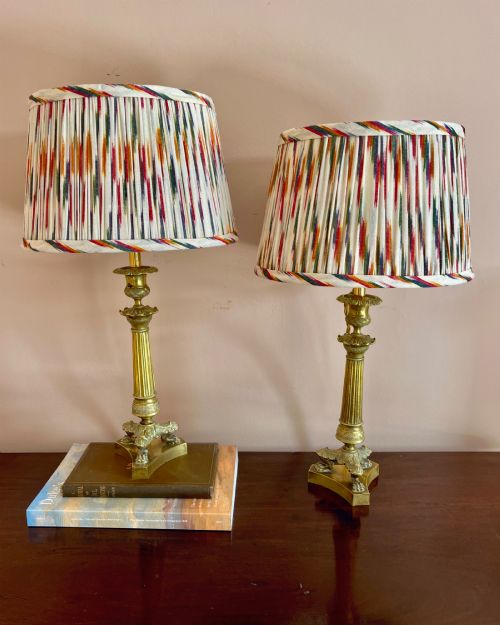
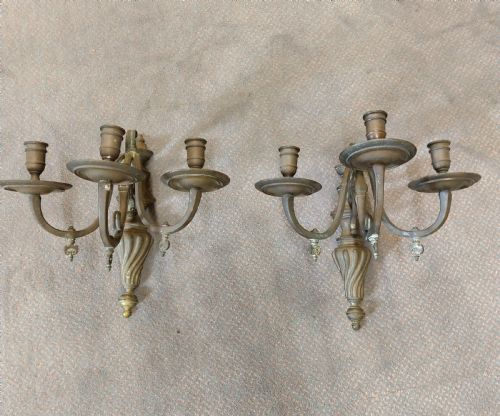
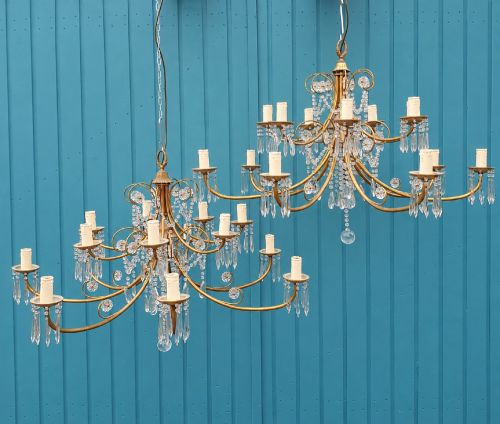
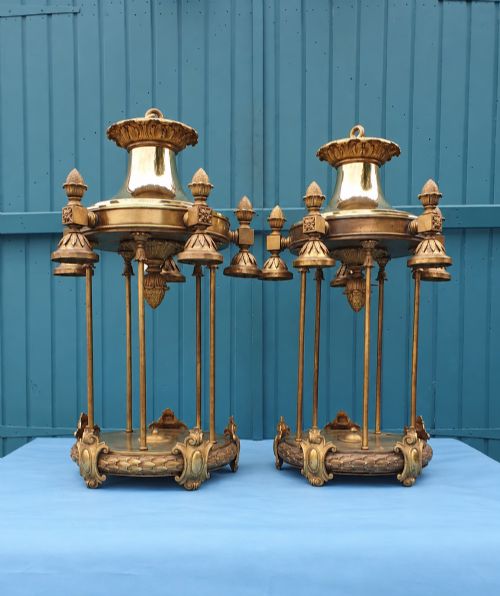
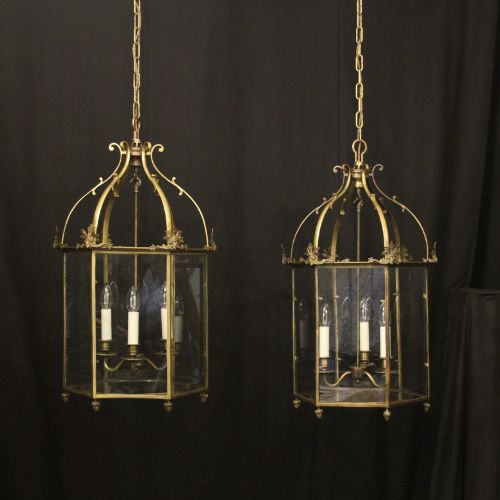
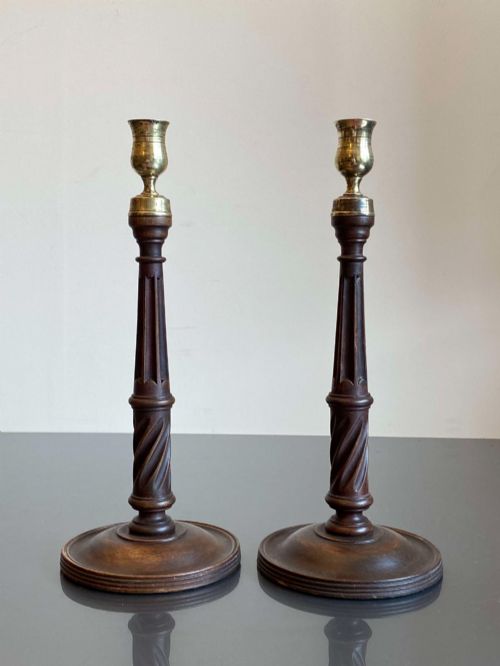
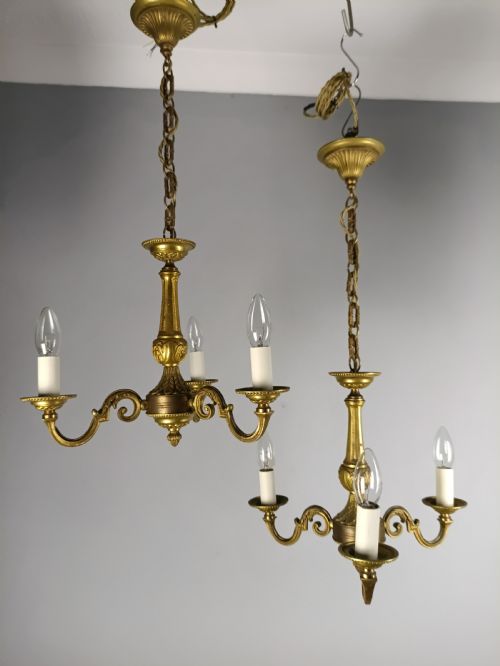
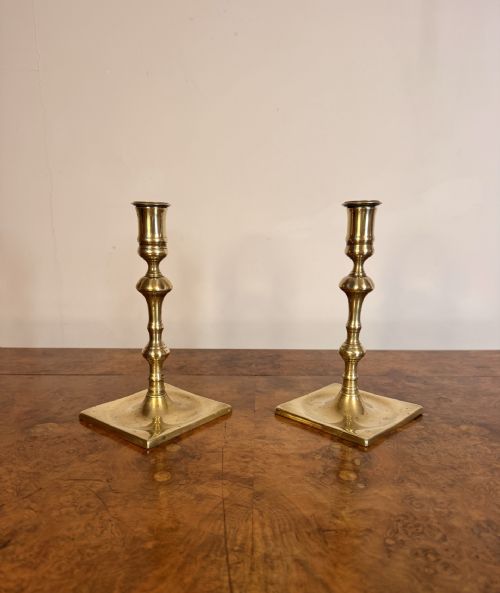
A traditional brass light pair covers matched sets designed for ceilings, walls, and tables, originating from periods spanning the eighteenth century through to the early twentieth century. Buyers seeking this phrase encounter everything from compact George II candlesticks to multi-arm Edwardian and French chandeliers.
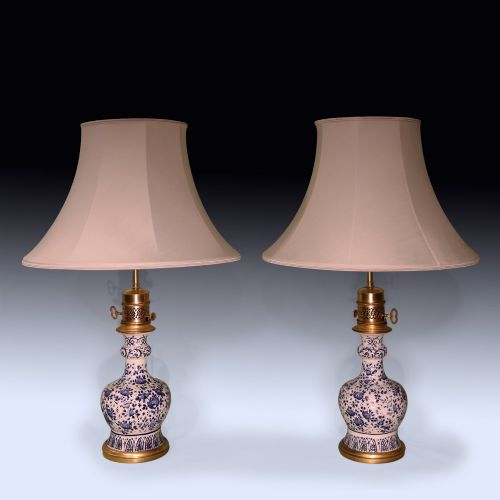
The selection includes specialised lighting forms such as student lamps, wall sconces, lanterns, and converted candelabra. Many pieces incorporate secondary materials like cut glass, crystal, and ceramic alongside the primary metal framework.
Earlier examples frequently originate from domestic candlestick production, while later twentieth-century listings demonstrate elaborate branch configurations and glass crystal adornments.
Materials and construction methods
Construction relies heavily on cast brass, gilt brass, and bronze, often shaped through traditional foundry methods resulting in seamed stems or heavy base plates. Candlesticks and structural elements frequently utilise solid brass components built for durability.
Hanging fixtures incorporate cut glass and crystal pendants suspended from metal armatures, while table lamps combine ceramic or opaline glass bodies with brass mounts. Surface treatments range from polished gilt finishes to patinated bronze and dark brass surfaces.
Traditional Brass Light Pair Retail Price Guide 2026
Typical asking prices for traditional brass light pair among the pieces listed under this phrase on Sellingantiques today, from the lower quarter to the upper quarter. They describe what is for sale here now, not the wider market.
Some nineteenth-century desk lights include built-in mechanisms designed to push out spent candle stubs with a simple thumb press.
Quality factors in metalwork and assembly
Quality rests in the crispness of casting detail, the weight of the metal components, and the integrity of the joins between arms and stems. Finer items display sharp chasing and balanced proportions across both matched elements.
The integration of secondary materials like hand-cut crystal and decorative ceramic inserts dictates the tier of the piece. Substantial gauge brass and well-preserved original gilding distinguish superior examples from standard production.
Faraday and Son·J T and Co
The Traditional Brass Light Pair Glossary
- Candlestick
- A portable device designed to hold a wax candle upright by means of a socket or spike. Examples in brass range from simple domestic stems to heavy church items.
- Chandelier
- A branched decorative ceiling fixture intended to hold multiple lights. These large assemblies frequently incorporate crystal drops and glass arms.
- Ejector
- A mechanism fitted inside certain brass candlesticks that pushes out the remaining candle stub. This functional addition appears on nineteenth-century examples.
- Pricket
- A sharp metal spike upon which a large candle is mounted rather than dropped into a socket. This medieval form persists in later revival pieces.
Traditional Brass Light Pair: Frequently Asked Questions
How do I clean antique brass lights?
Dust gently with a soft dry cloth to preserve the surface appearance. Avoid harsh chemical polishes that remove historic patina.
For glass elements attached to the metal, use a damp cloth carefully while keeping moisture away from electrical fittings.
Can old candlesticks be used for modern bulbs?
Many candlesticks and candelabra are adapted into table lamps by running a cord through the centre. This allows them to function safely with modern electrical standards.
Professional rewiring ensures the historic metal body remains undamaged during conversion.
What defines a matched pair?
A matched pair consists of two identical or corresponding light fittings designed to be displayed together for symmetry. They share identical dimensions, materials, and decorative motifs.
Minor variations in hand-finished brass work often indicate authentic period production rather than factory standardisation.
How do I date a brass light?
Dating relies on stylistic clues, casting techniques, and assembly methods visible on the fixture. Georgian pieces show different base weights and turnings compared to Edwardian or Victorian designs.
Maker marks and wiring apertures also provide evidence regarding the era of manufacture.