
Gilt Metal Light Fixture
A gilt metal light fixture brings warmth and decorative brilliance to a room through its polished metallic surfaces and hanging crystal adornments.
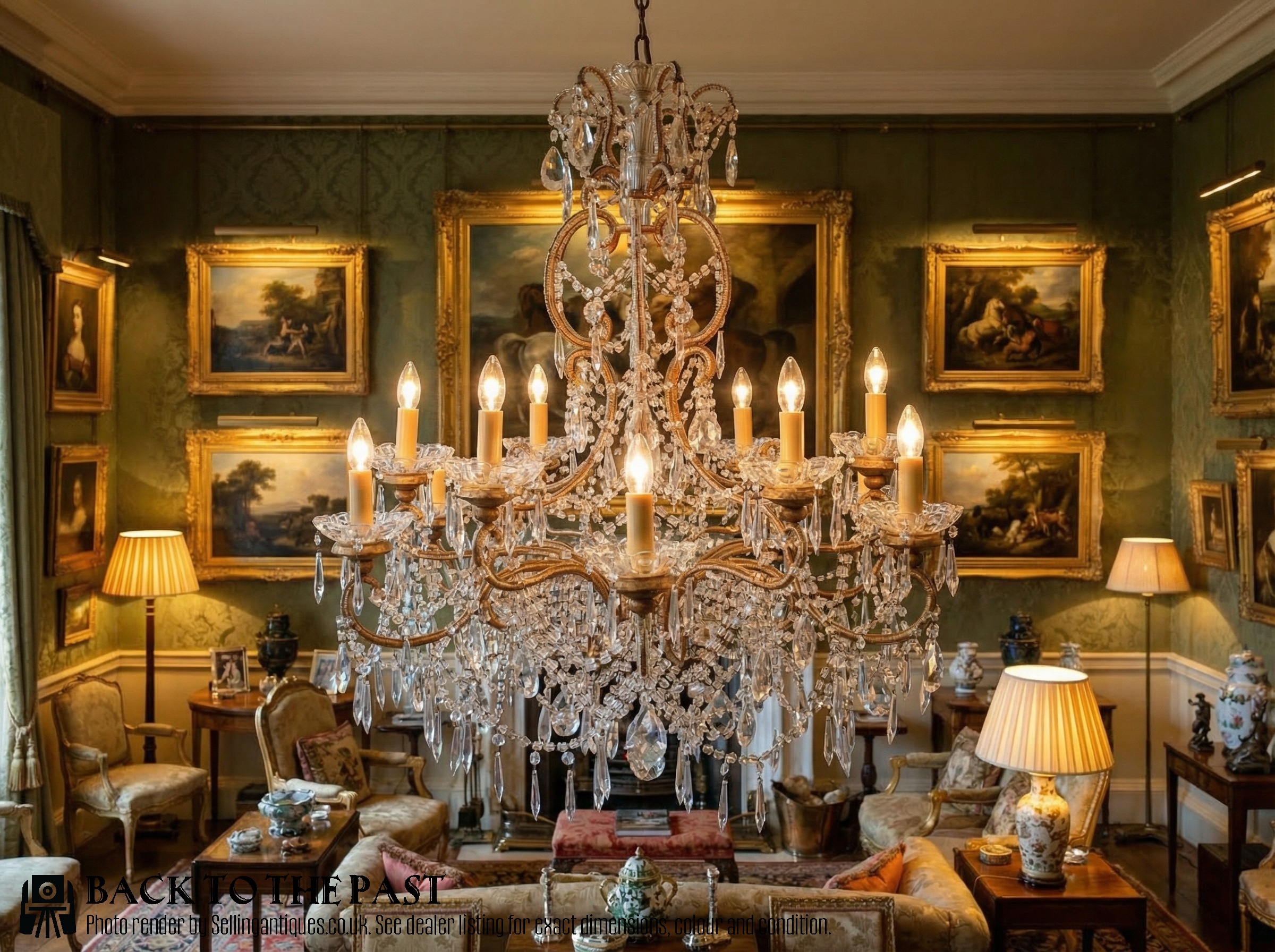
Gilt Metal Light Fixture
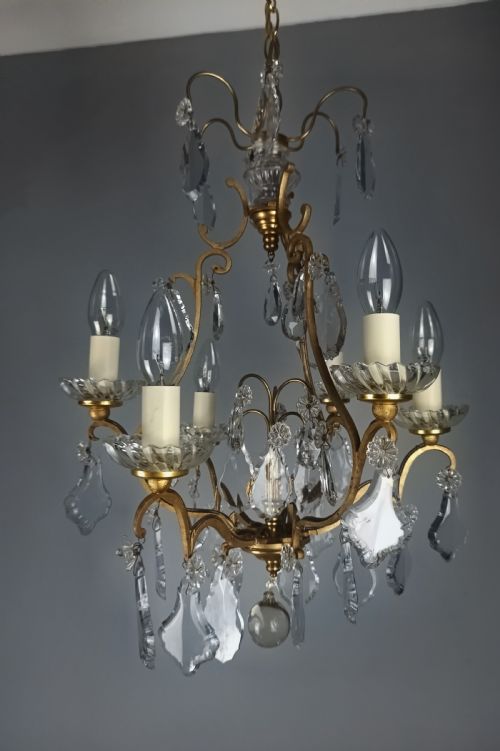
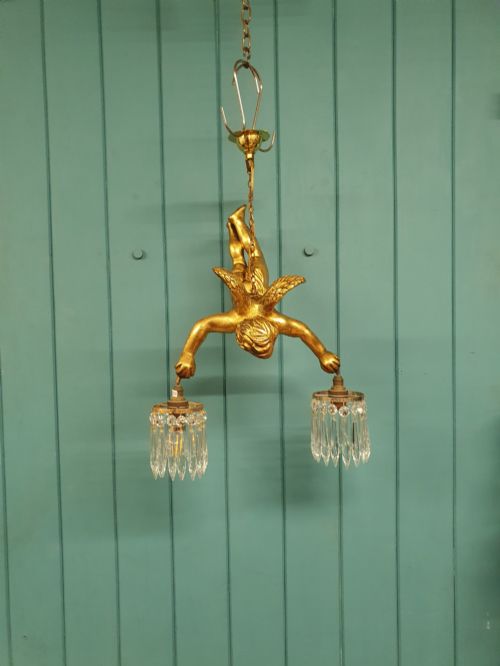
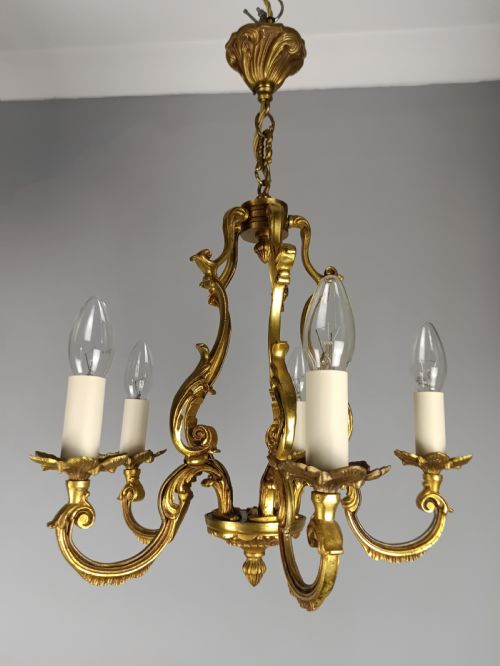
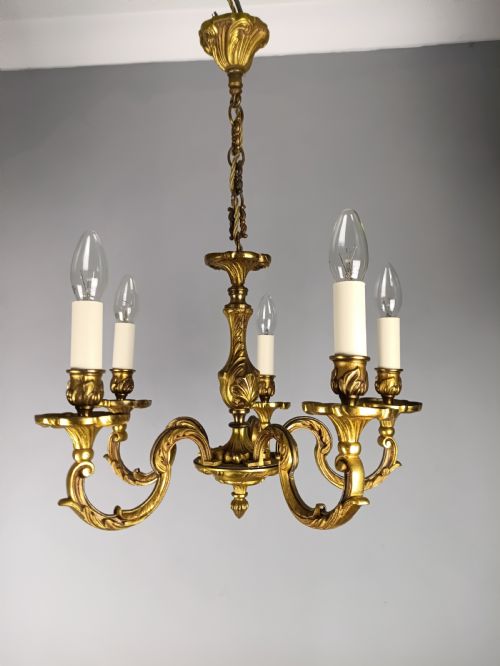
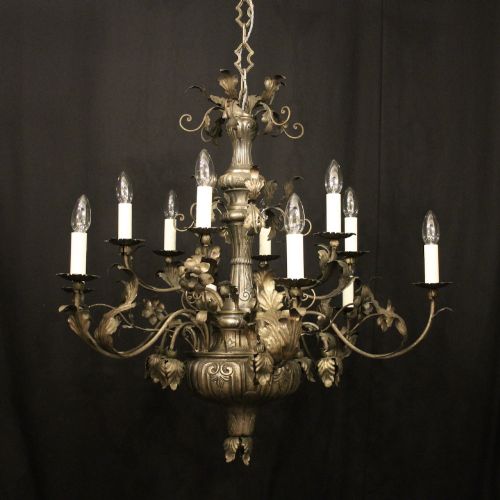
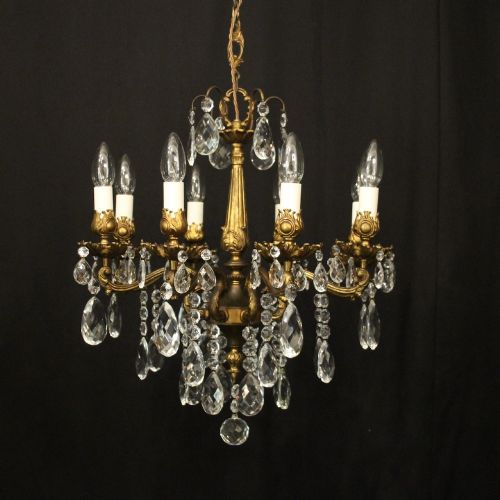
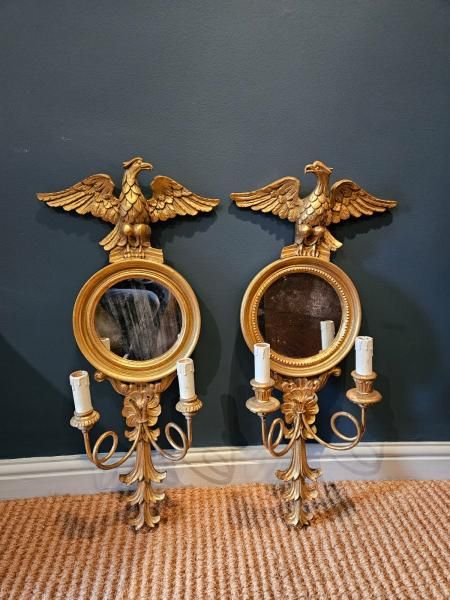
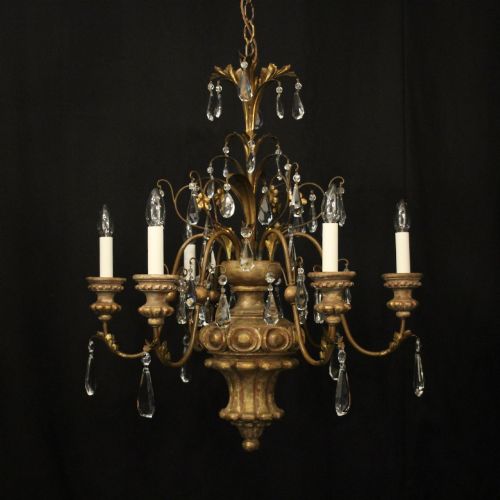
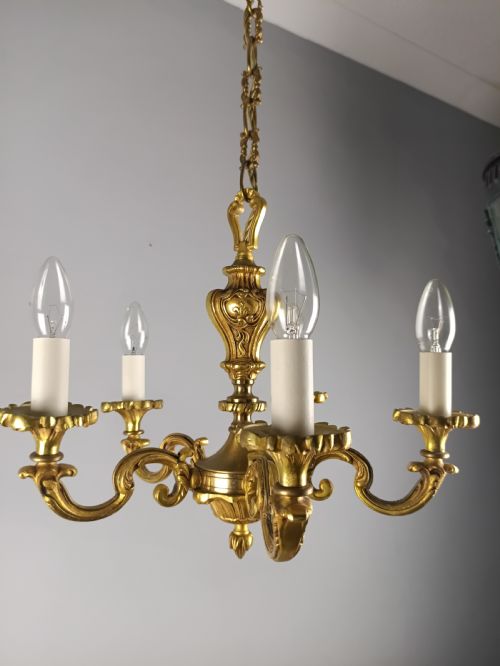
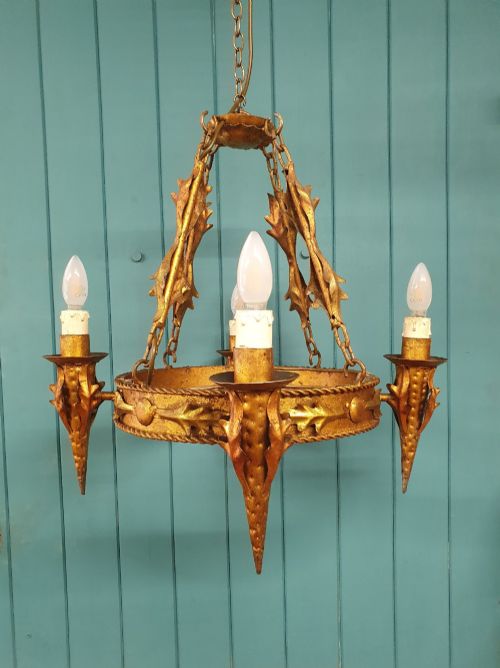
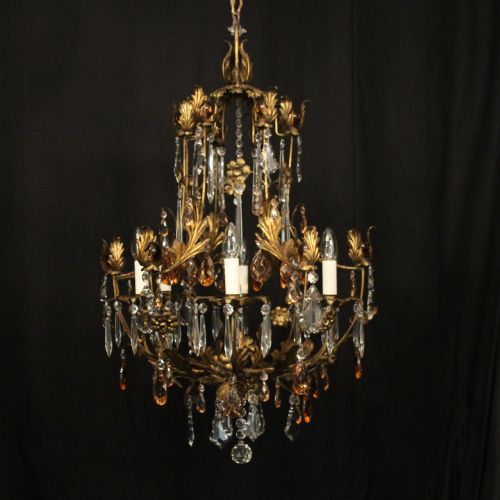
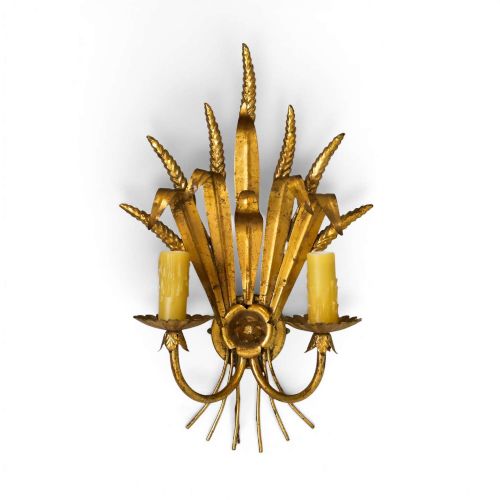
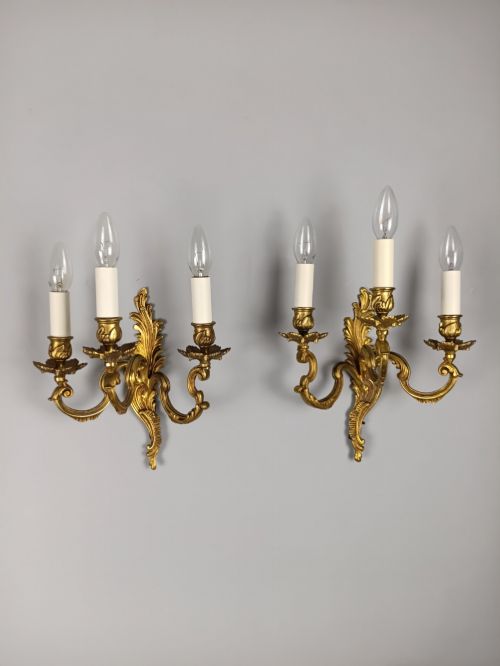
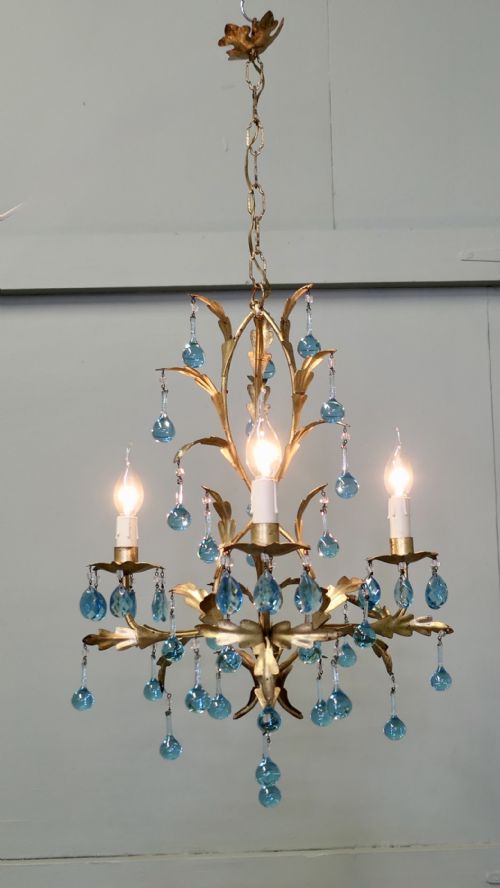
A gilt metal light fixture encompasses chandeliers, wall sconces, ceiling lights, and lamp bases designed to illuminate interiors with traditional charm. Buyers searching for a gilt metal light fixture will most frequently encounter French and Italian examples dating from the early twentieth century and the nineteenth century. These lighting pieces range from multi-armed birdcage chandeliers adorned with crystal drops to ornate wall sconces featuring classical motifs.
The selection includes specific regional styles such as French Rococo, Italian Florentine, and French Empire, reflecting diverse continental aesthetics. Forms span from grand twelve-light multi-tiered chandeliers down to compact twin-candled wall sconces and hall lanterns. Such fixtures served to light formal reception rooms, corridors, and intimate spaces alike.
How they were made
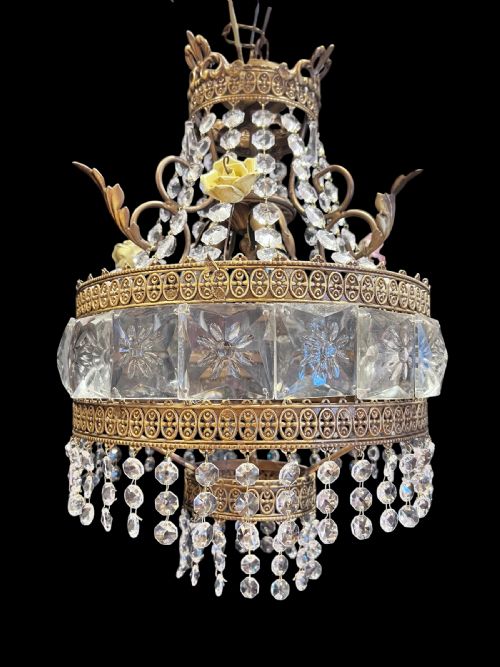
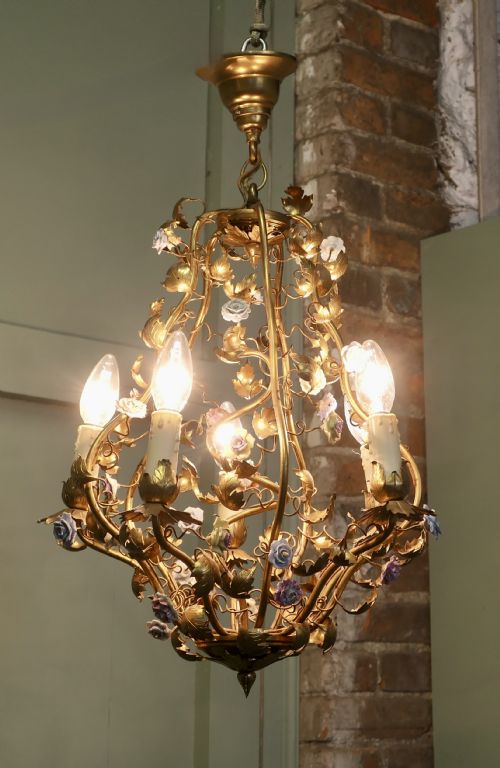
Craftsmen utilised cast bronze, gilt metal, brass, and spelter as the foundational frameworks for these ornate lighting fixtures. Metal surfaces received gilding, silver gilding, or polychrome painted finishes to emulate solid precious metals and provide lasting radiance. Artisans incorporated cut glass, amber crystal teardrops, porcelain flowers, and ceramic elements to catch and refract light.
Structural designs frequently employed cage or birdcage frameworks, tent configurations, and applied decorative details such as ram's head masks and leafy scrolls. Wiring and candle-holders were integrated to accommodate evolving illumination technologies from early candle usage to twentieth-century electric fittings.
Gilt Metal Light Fixture Retail Price Guide 2026
Typical asking prices for gilt metal light fixture among the pieces listed under this phrase on Sellingantiques today, from the lower quarter to the upper quarter. They describe what is for sale here now, not the wider market.
Materials documented across the collection include iron, crystal, porcelain flowers, and gilt bronze.
What varies in quality
The distinction between tiers of quality rests upon the depth of hand-chasing in the metalwork and the clarity of the suspended crystal components. Superior examples display finely cast details like floral motifs and figural elements, whereas simpler pieces rely on standard stamped or cast components.
Materials also indicate the gradation of workmanship, with heavy cast gilt bronze and hand-cut crystal drops representing high levels of period execution compared to lighter brass or basic painted toleware. The integration of complex multi-tiered structures and balanced arm arrangements demonstrates the maker's skill.
The Gilt Metal Light Fixture Glossary
- Birdcage chandelier
- A chandelier style featuring a curved wire or metal framework resembling a birdcage, often draped with crystal strands.
- Ormolu
- Gilded bronze or brass applied to decorative hardware and lighting mounts, popular in French neoclassical design.
- Toleware
- Enamelled or painted sheet metal items, frequently decorated with floral motifs on chandeliers and sconces.
- Sconce
- A wall-mounted lighting fixture designed to hold candles or electric bulbs, often paired with a reflective backplate.
Gilt Metal Light Fixture: Frequently Asked Questions
How do I clean a crystal chandelier?
Dust the metal frame and glass components regularly using a soft feather duster to prevent grime buildup over time.
For thorough cleaning, wipe individual crystals gently with a mild solution of warm water and mild soap while supporting the drops by hand.
Were these fixtures originally wired for electricity?
Many examples from the nineteenth and early twentieth centuries were originally designed for candles or gas before being converted for modern electrical use.
Inspect the wiring carefully upon acquisition to ensure the internal components meet current safety standards for domestic installation.
How do I determine the period of a light fixture?
Examine the casting quality, fastening methods, and decorative motifs to align the piece with documented design eras like Rococo Revival or Neoclassical.
Material composition such as hand-cut crystal types and patination on the metal frame also provide reliable clues to the decade of manufacture.