




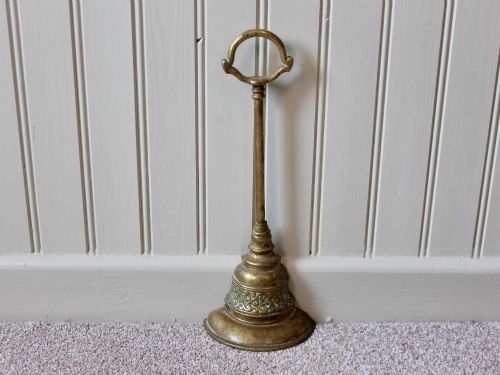


Traditional Brass Door Weight
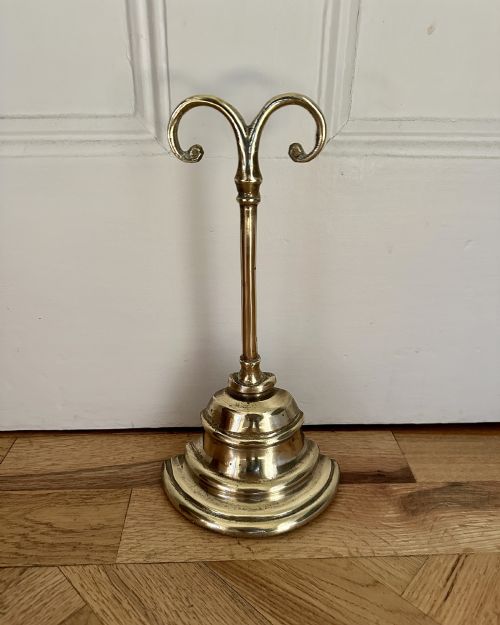
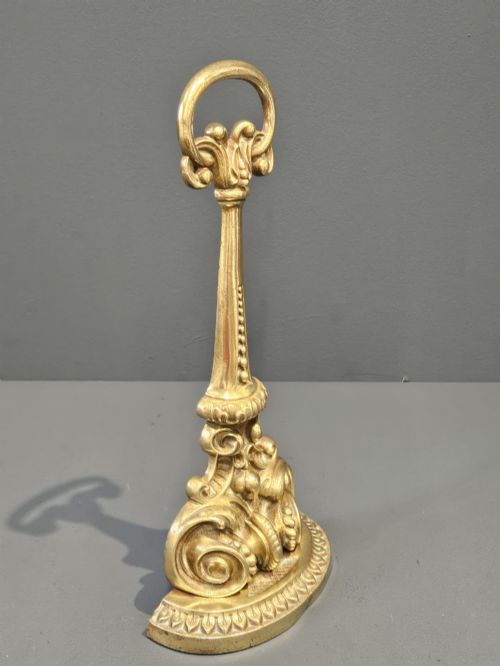
These traditional brass door weight pieces keep heavy interior doors firmly in place while adding period character to a hallway.
Traditional Brass Door Weight
A traditional brass door weight, frequently known as a door porter or doorstop, is a heavy utilitarian object designed to hold doors open in domestic interiors. The examples seen here range across the nineteenth century, including Victorian, Regency, and Georgian periods, alongside occasional Welsh slate or iron alternatives.
Origins span English, Welsh, and Dutch workshops, showing diverse regional tastes in domestic hardware. Buyers will find both simple utilitarian stops and ornate decorative porters designed to sit prominently against heavy timber doors.
How they were made
These objects rely primarily on heavy cast brass, iron, and slate, utilising lead filling or solid metal casting to achieve the necessary weight. Foundries poured molten brass into sand moulds to create the robust figures and handles characteristic of nineteenth-century porters.
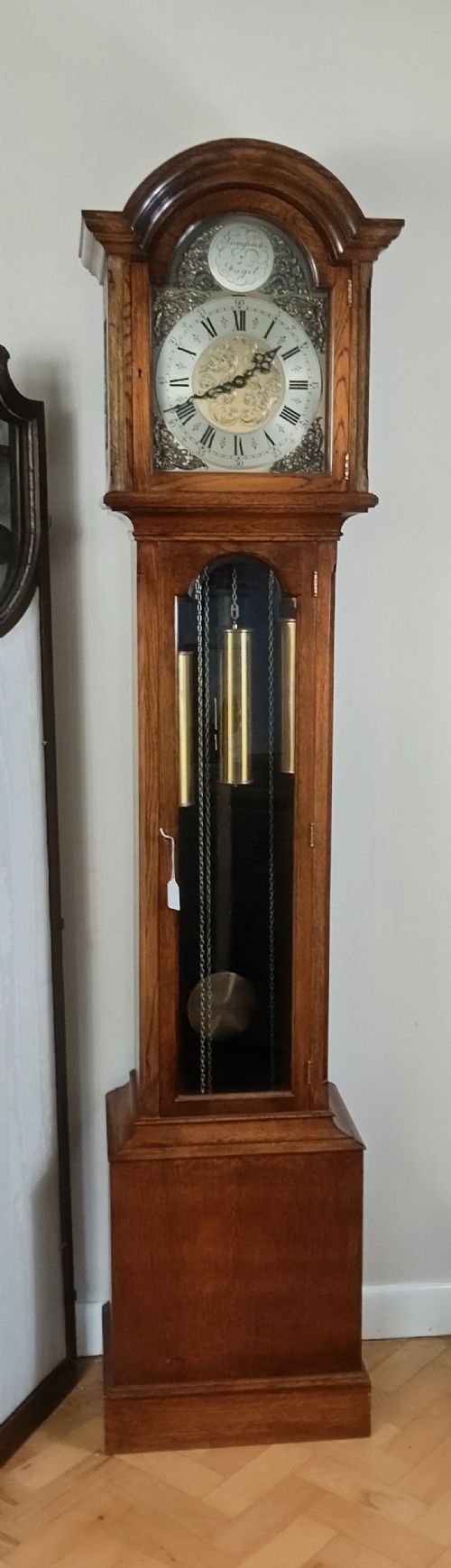
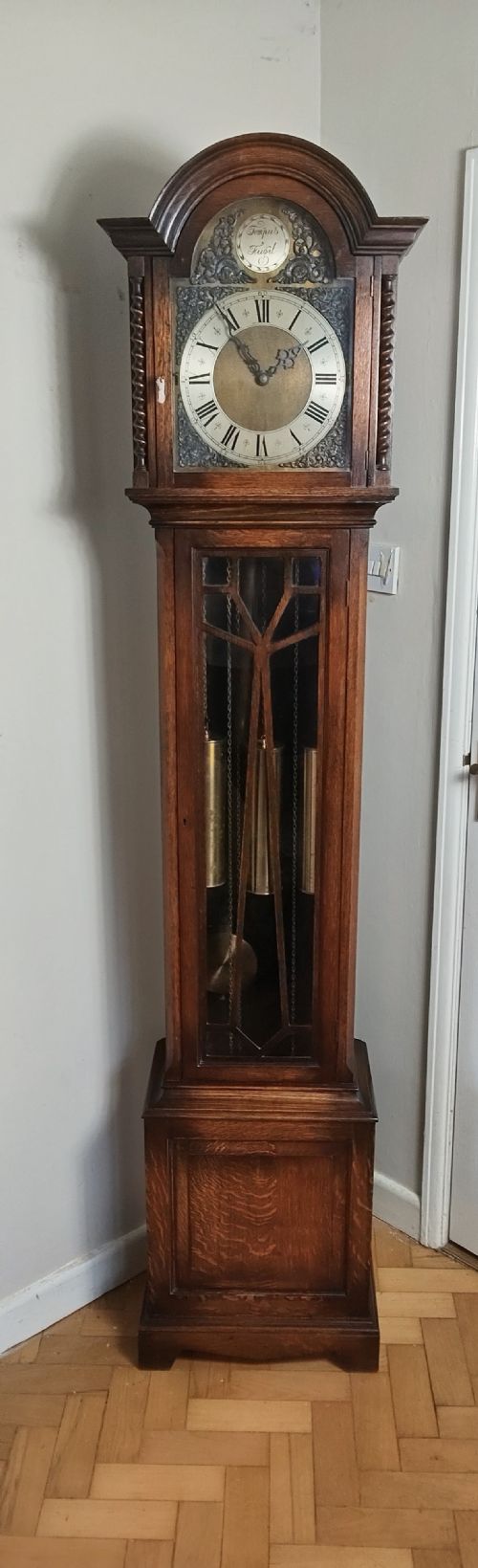
Secondary materials such as oak and glass appear in related longcase clock weights and mixed-media pieces, demonstrating traditional joinery and metalworking techniques. Metal components often feature applied patination or polished finishes achieved through hand-finishing after casting.
Traditional Brass Door Weight Retail Price Guide 2026
Typical asking prices for traditional brass door weight among the pieces listed under this phrase on Sellingantiques today, from the lower quarter to the upper quarter. They describe what is for sale here now, not the wider market.
Some heavy door porters double as surprisingly effective impromptu fitness weights when nobody is looking at the hallway.
What varies in quality
Quality in these pieces is dictated by the crispness of the brass casting and the integrity of the weighted core. Finer examples display sharp relief modelling on decorative handles and figures, whereas lesser pieces show softer contours from worn foundry moulds.
Maker attribution elevates certain pieces, particularly marked items from known Birmingham foundries like Tonks. The proportional balance between the decorative upper handle and the heavy base also distinguishes standard production items from superior workshop output.
William Tonks·Tonks
The Traditional Brass Door Weight Glossary
- Door porter
- A heavy portable weight with an upright handle, designed specifically to keep interior doors from swinging shut. These pieces often feature ring, floral, or figural tops.
- Cast brass
- Molten alloy of copper and zinc poured into moulds to form solid decorative objects. This technique allows for complex sculptural detail on nineteenth-century door furniture.
- Regency
- An English design period spanning the early nineteenth century, known for classical restraint and revival motifs. Pieces from this era often incorporate clean lines and neoclassical details.
- Welsh slate
- A fine-grained metamorphic rock used locally for heavy architectural items and doorstops. Its natural density makes it an effective alternative to cast metal weights.
- Longcase clock
- A tall pendulum clock enclosed in a wooden case, driven by suspended weights. These timepieces rely on heavy brass or iron weights housed within the trunk.
Traditional Brass Door Weight: Frequently Asked Questions
What is a traditional brass door weight?
A traditional brass door weight is a heavy, cast-metal object used to hold interior doors open. They combine practical utility with decorative Victorian and Georgian styling.
Most examples feature an integrated handle at the top for easy repositioning around the home.
How do I date a brass door stop?
Dating relies on stylistic markers from periods like the Victorian, Regency, and Georgian eras. Cast construction methods and foundry marks also help establish age.
Heavier cast brass examples with registration marks typically point to nineteenth-century production.
Were these pieces used in every room?
These weights were primarily utilised in principal rooms with heavy timber doors that required propping open for ventilation or movement. Hallways and drawing rooms were the most common locations.
Smaller rooms relied on lighter stops or none at all.
What is the difference between a door porter and a doorstop?
The terms are often used interchangeably for nineteenth-century weighted door furniture. A porter traditionally refers to a taller, weighted piece with a carrying handle.
Both serve the exact same functional purpose of keeping doors stationary.