


Traditional Blanket Box
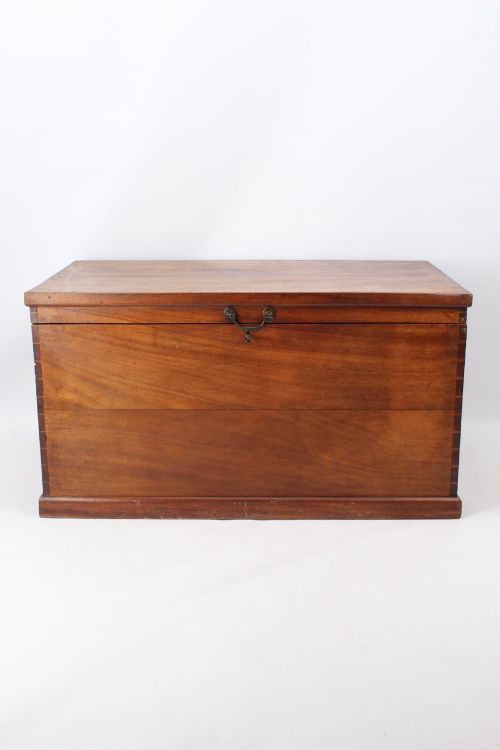
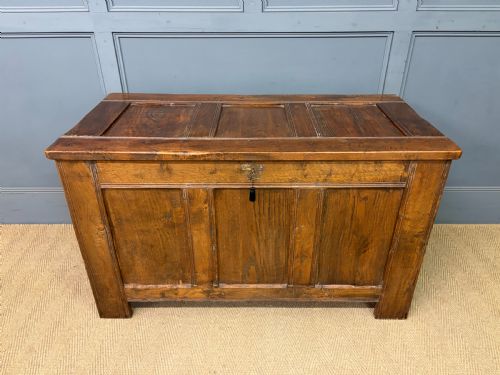
A traditional blanket box offers sturdy storage built from oak, pine, or elm to house household textiles.
Traditional Blanket Box
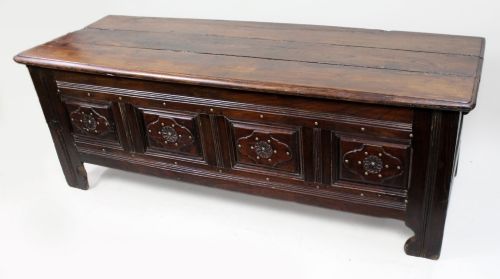
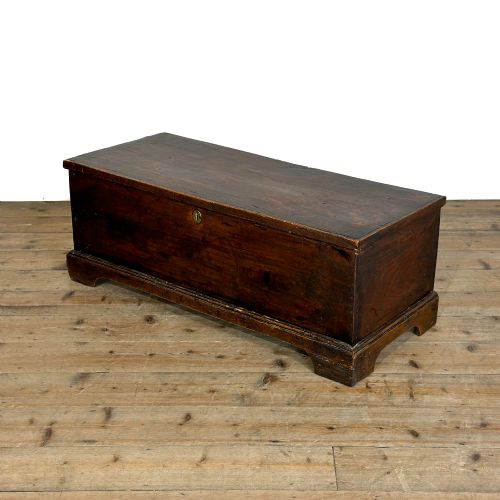
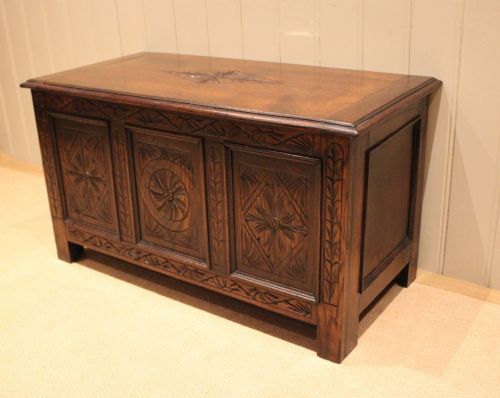
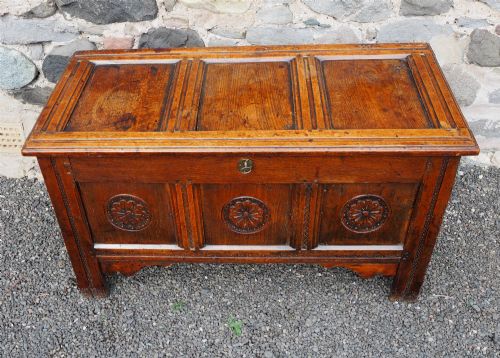
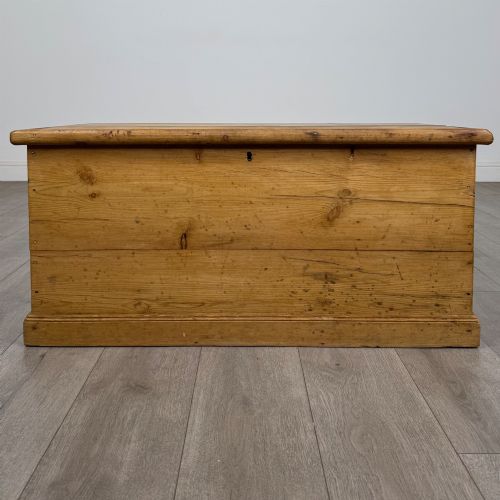
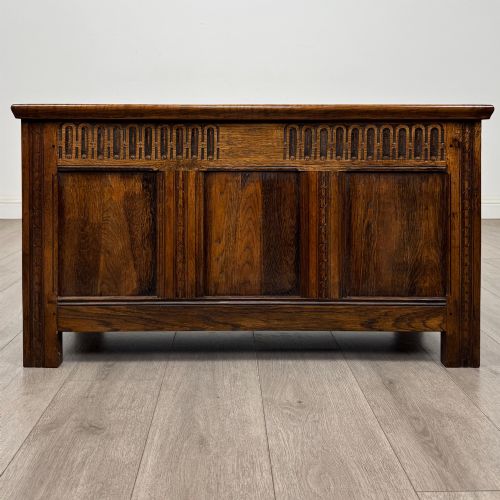
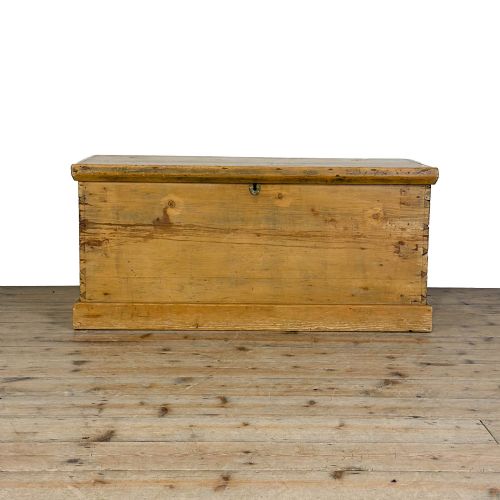
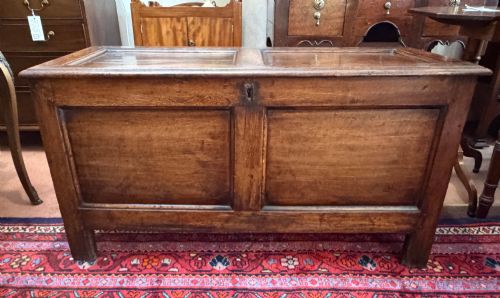
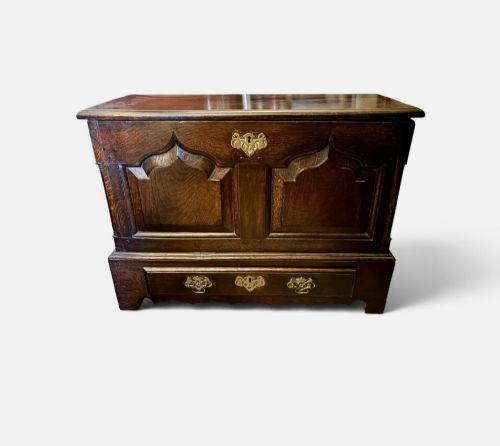
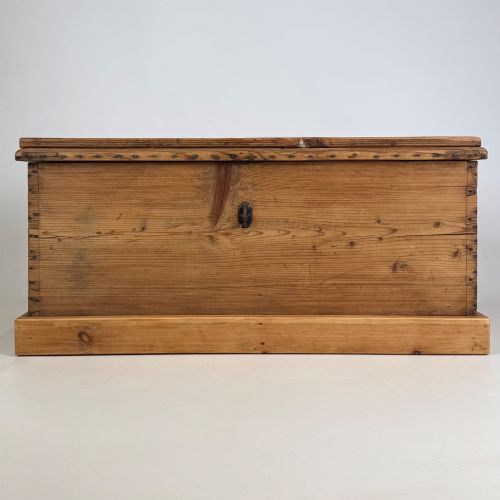
A traditional blanket box serves as a robust storage chest designed to hold linens, garments, and household textiles. These pieces emerge primarily from the seventeenth, eighteenth, and nineteenth centuries, taking forms such as boarded six-plank chests, panelled coffers, and mule chests with lower drawers. Oak, pine, and elm dominate the construction, reflecting the domestic and provincial workshops that produced them across Britain, France, and beyond.
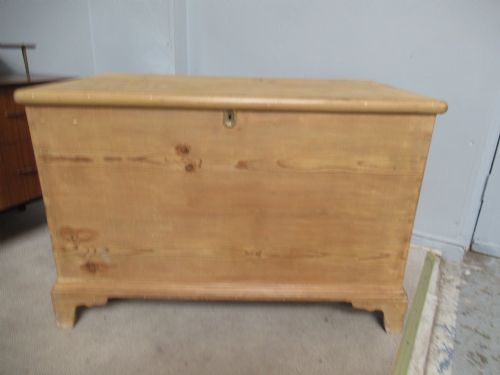
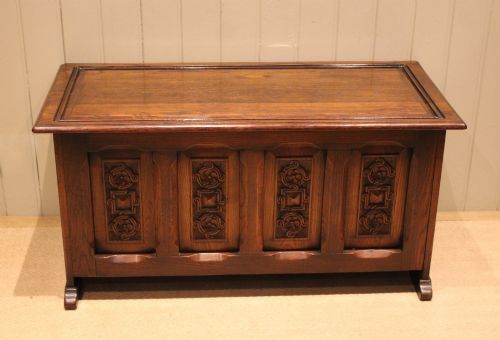
Buyers encountering this page will frequently meet pine and oak examples dating from the Victorian era and the Georgian period. Simpler country forms sit alongside carved Jacobean revival pieces and camphor wood trunks from the turn of the twentieth century. Each variant displays the specific regional joinery or surface treatments typical of its period, from stripped pine to dark carved oak.
Materials and Construction
Makers relied on native timbers such as sturdy oak, resilient elm, and accessible pine, alongside exotic camphor wood for specialised trunks. Boards were joined using traditional methods including six-plank construction, pegged mortise and tenon frames, and dovetailing for internal drawers.
Iron strapwork, brass hinges, and hand-forged corner brackets reinforced the heavy lids and bodies. Surfaces were left natural, waxed, or finished in original paint, occasionally featuring carved panels or mahogany crossbanding.
Camphor wood trunks arrived from distant ports, bringing a lingering medicinal scent designed to keep tropical insects away from winter woollens.
Evaluating Quality
Quality rests in the integrity of the timber selection and the precision of the primary joints. Heavy oak panels, tight pegging, and undisturbed original surfaces set superior examples apart from later adaptations or heavily restored pieces.
The refinement of surface decoration, whether through crisp hand-carving or balanced proportions in panel work, distinguishes high workshop output from simpler vernacular items.
The Traditional Blanket Box Glossary
- Six-plank coffer
- A simple chest constructed from six individual boards joined directly at the edges. This method represents one of the earliest and most straightforward forms of box construction.
- Mule chest
- A blanket chest featuring one or more drawers built beneath the main storage compartment. This form developed in the eighteenth century to provide more accessible storage without lifting the heavy lid.
- Crossbanding
- A decorative border technique where thin strips of veneer are laid across the grain of the primary wood. This detail appears on finer Georgian furniture to frame drawer fronts and panels.
Traditional Blanket Box: Frequently Asked Questions
What did people store in traditional blanket boxes?
Households used these large chests primarily to protect woolen blankets, linen sheets, and precious garments from dampness and moths. The deep internal space accommodated bulky textiles before fitted bedroom wardrobes became common.
Families also stored family documents, winter clothing, and textiles handed down through generations. In many homes, the flat lid served as a convenient bench or table surface when not accessed for storage.
How do I tell an 18th-century oak coffer from a 17th-century one?
Seventeenth-century oak coffers typically feature heavy boarded lids, deep hand-carved panels with geometric or floral motifs, and visible peg construction. The timber often shows a darker, oxidized patina developed over centuries.
Eighteenth-century examples move toward simpler, cleaner panel arrangements or incorporate mahogany crossbanding and lower drawer sections like the mule chest. Joinery becomes slightly more refined as workshop techniques evolved during the Georgian period.
Can I use a blanket box as a coffee table?
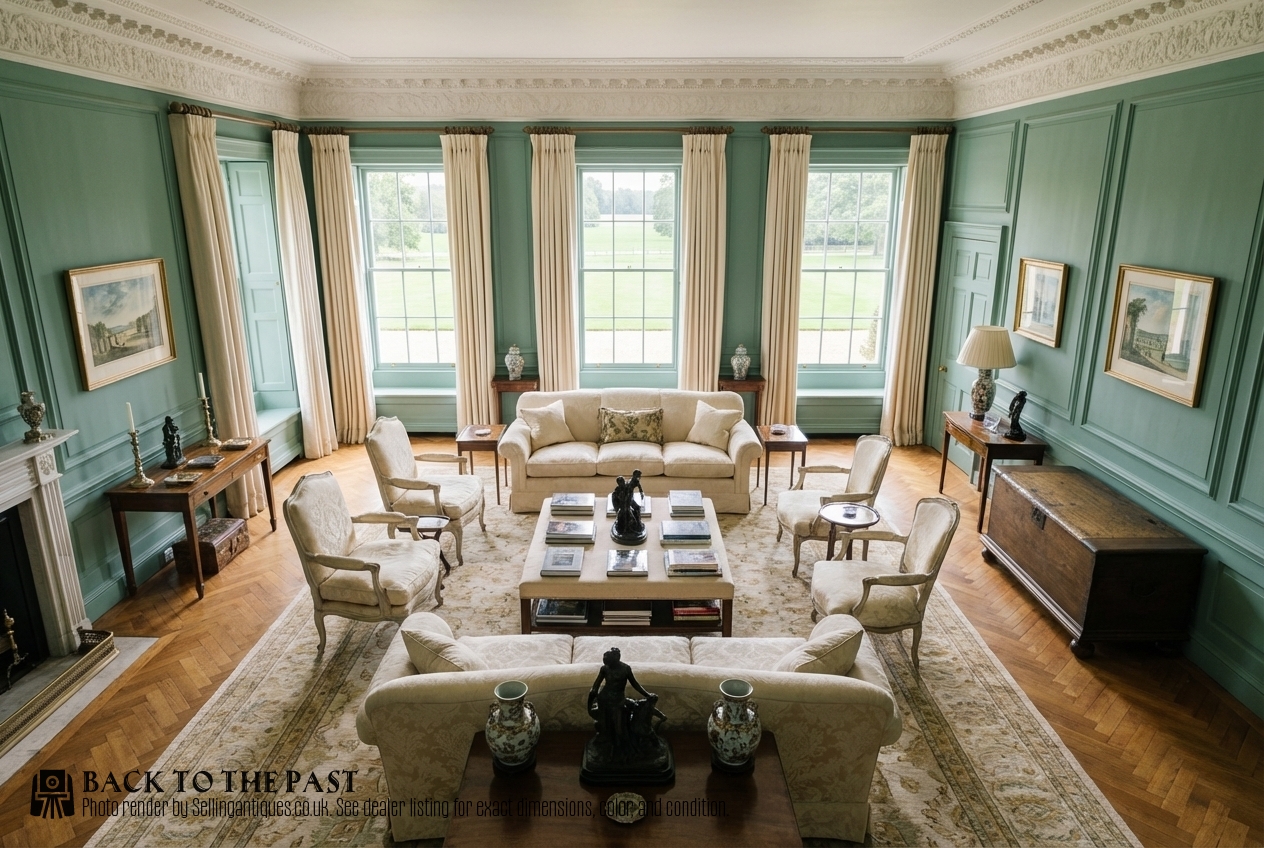
These sturdy chests function well as coffee tables in modern living spaces, provided the lid is flat and stable. Their solid oak or pine construction easily supports books, trays, and decorative items.
Using a chest for this purpose also conceals everyday clutter such as throws and cushions inside the body. Buyers should ensure the hinges and lid remain secure to handle regular surface use.
What is the difference between a pine blanket box and an oak coffer?
Pine blanket boxes tend to have a lighter, softer appearance and were frequently painted or scrubbed for domestic use in country settings. They often date from the Victorian period or later provincial workshops.
Oak coffers represent heavier, more formal storage pieces built to last multiple generations with pegged frames and carved details. These typically date from the seventeenth and eighteenth centuries, offering a darker and more substantial presence.