


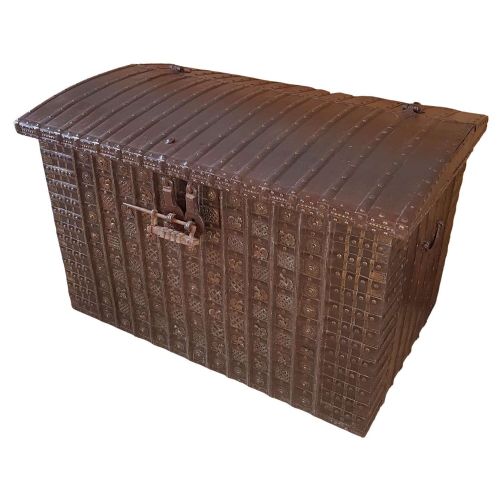


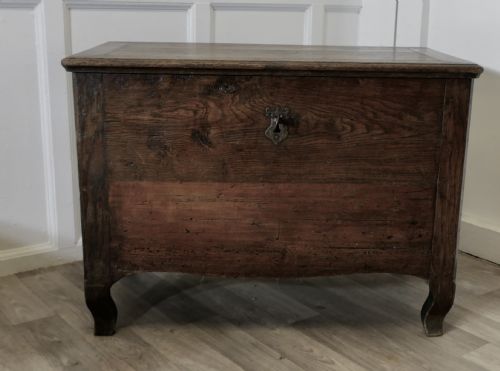
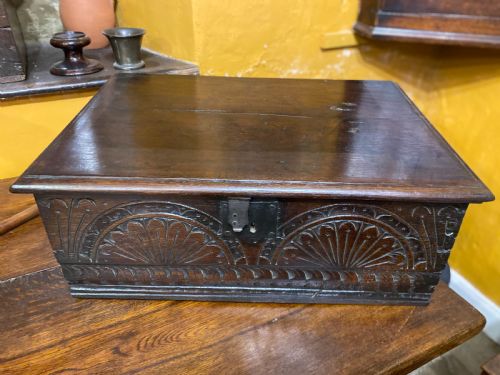


Antique Iron Lock Chest
An antique iron lock chest provides robust security and historical utility, uniting heavy timber with intricate locking mechanism design for practical storage.
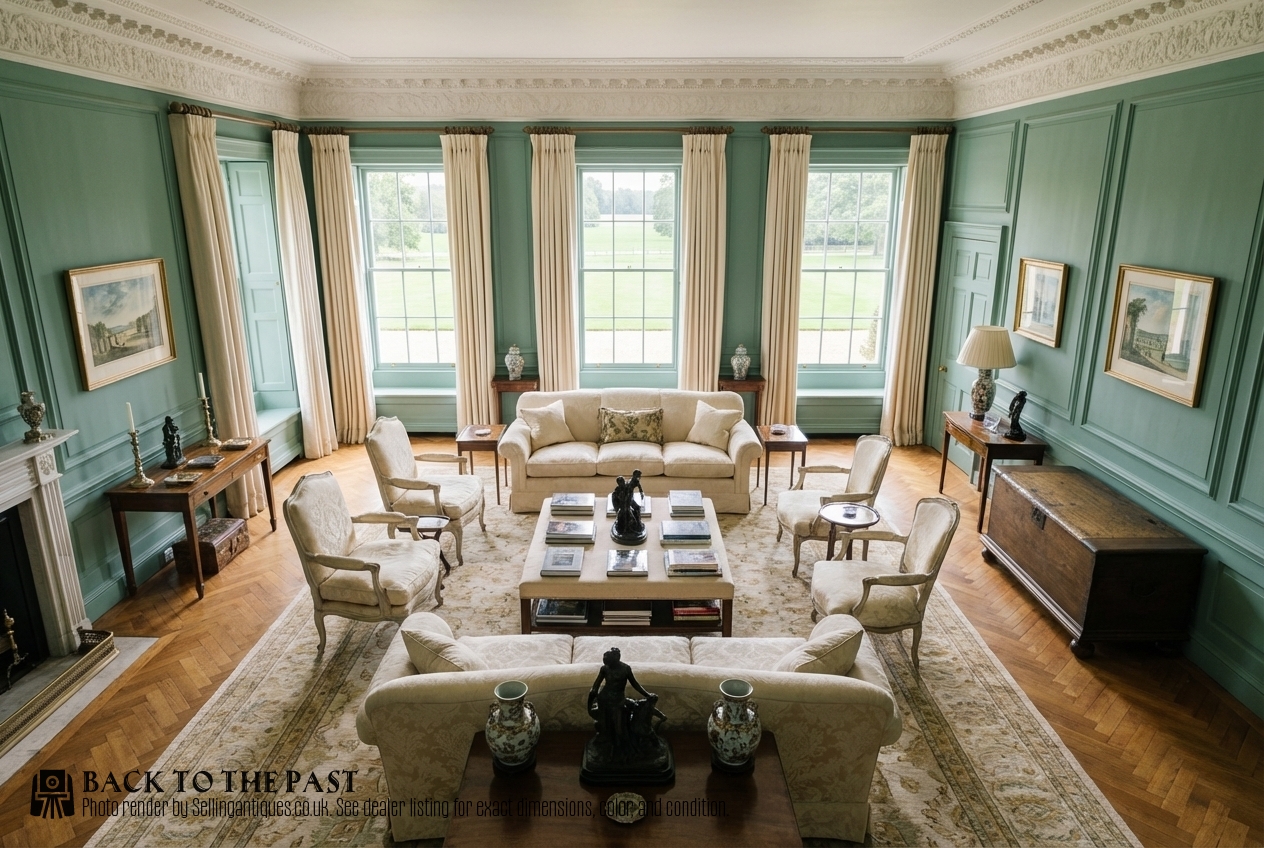
Antique Iron Lock Chest
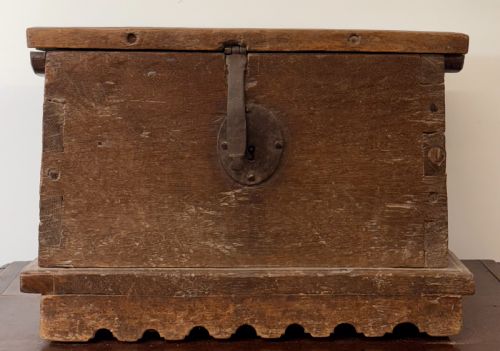
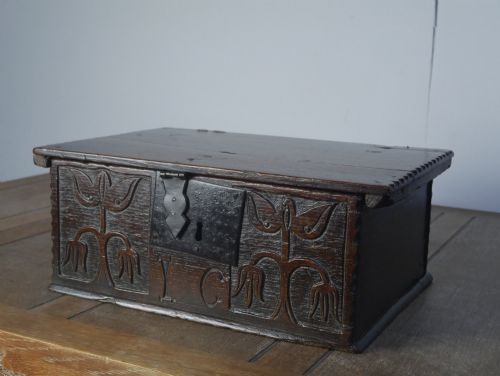
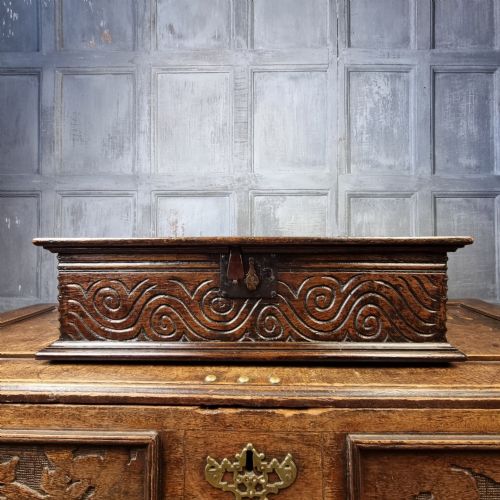
An antique iron lock chest is a secure receptacle combining timber construction with heavy metal reinforcement and a functional locking mechanism. You encounter these pieces in forms ranging from small desk boxes and bible boxes to large coffers and strongboxes.
The selections span several centuries, with pieces originating from English, Spanish, French, and Flemish workshops. Oak, elm, pine, and walnut provide the primary timber bodies, frequently banded or plated in wrought iron and cast iron.
Domestic and commercial storage needs shaped these objects, utilising internal compartments and complex locking systems to safeguard valuables, documents, and currency. Surviving examples demonstrate the evolution of portable security before modern banking systems.
How they were made
Joiners and blacksmiths collaborated to construct these chests using solid hardwoods like oak and elm alongside worked iron and steel. Panels were joined using traditional methods such as six-plank construction or frame and panel framing.
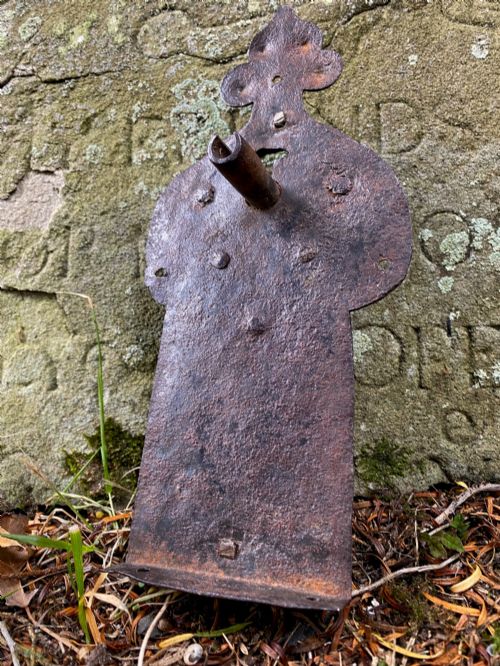
Blacksmiths forged strap work, handles, and external hinges by hand, securing them with iron rivets. Complex internal locking mechanisms utilised intricate steel levers and springs, often concealed behind decorative cover plates.
Antique Iron Lock Chest Retail Price Guide 2026
Typical asking prices for iron lock chest among the pieces listed under this phrase on Sellingantiques today, from the lower quarter to the upper quarter. They describe what is for sale here now, not the wider market.
Listings feature items spanning the sixteenth century through the Victorian era, utilising oak, elm, pine, walnut, iron, brass, and leather.
What varies in quality
The sophistication of the locking mechanism dictates the caliber of the piece, with multi-bolt actions and original working keys representing superior craftsmanship. The precision of the hand-forged ironwork and the selection of figured timber further separate standard boxes from exceptional examples.
Structural integrity depends on the preservation of the original wood joints and iron mountings rather than surface finish. Pieces retaining their early hinges, straps, and uncompromised internal compartments hold greater historical coherence.
Milners of Liverpool·George Price
The Antique Iron Lock Chest Glossary
- Coffer
- A heavy wooden chest traditionally used for storing valuables or documents. These pieces often feature iron straps and robust locking lids.
- Strongbox
- A secure metal or iron-bound container designed specifically to protect money and high-value items. They frequently incorporate complex internal locking mechanisms.
- Bible box
- A small sloped or flat-topped desk box made to hold sacred texts and writing materials. Many date from the seventeenth century and feature carved oak panels.
- Six-plank coffer
- A simple chest constructed from six distinct boards joined directly at the edges. This vernacular method represents an early form of box construction.
- Armada chest
- A heavy iron storage box fitted with a complex multi-bolt locking mechanism beneath the lid. These continental strongboxes were widely used for maritime security.
Antique Iron Lock Chest: Frequently Asked Questions
What is an antique iron lock chest?
An antique iron lock chest is a secure storage box built from timber and heavily reinforced with iron bands, straps, and functional locking mechanisms. These pieces served domestic, maritime, and commercial purposes for safeguarding currency and documents.
Surviving examples range from small seventeenth-century desk boxes to large continental coffers and Victorian strongboxes. Each combines carpentry with blacksmithing to achieve portable security.
How do I identify the period?
Period identification relies on construction methods, timber selection, and the style of the ironwork mounts. Seventeenth-century pieces often display hand-carved oak panels and simple box forms, while later Victorian items utilise cast iron and patented locking technology.
Examining the hinges, nails, and internal locking plates provides further chronological markers. Hand-forged components generally indicate earlier manufacture than machine-rolled steel.
Were these chests used for travel?
Many iron-bound chests and strongboxes were built for transit, featuring side lifting handles and robust construction to withstand movement. Merchants and officials transported valuables in these containers across land and sea.
Heavier stationary coffers remained in fixed locations such as churches, noble houses, and municipal offices. The presence of carrying handles usually distinguishes portable trunks from stationary furniture.
How do I care for the metalwork?
Maintaining the iron and steel components requires keeping them in stable atmospheric conditions to prevent rust formation. Light application of microcrystalline wax helps protect bare metal surfaces without altering their historical patina.
Avoid using harsh chemical cleaners or abrasive scouring pads on either the timber or the iron. Gentle dusting and occasional professional wax maintenance preserve the material integrity.