

Traditional Bench Seating
Traditional bench seating brings history into the home, offering solid wood and metal forms built for daily use across centuries.
Traditional Bench Seating
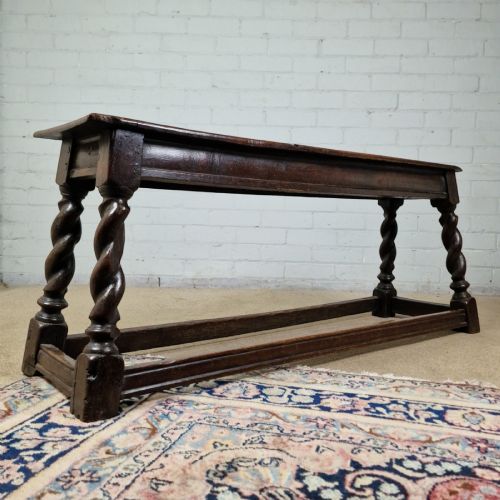
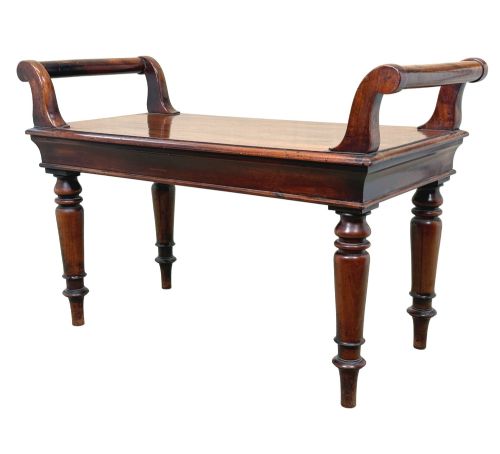
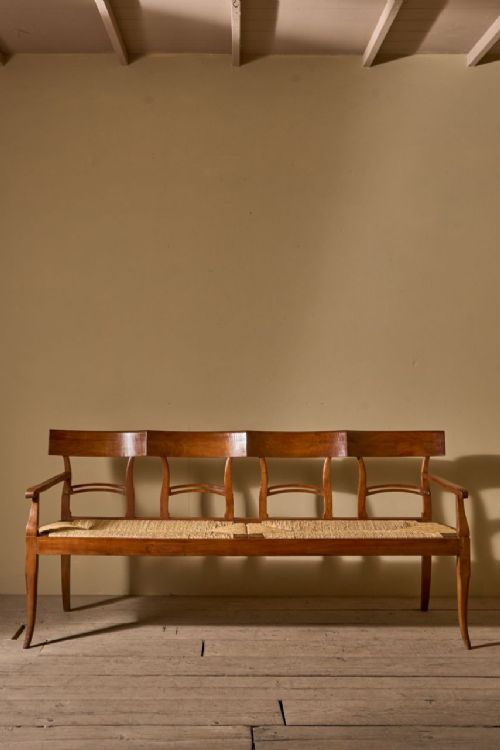
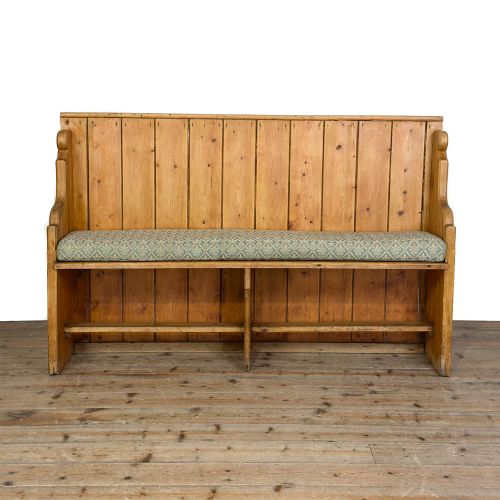
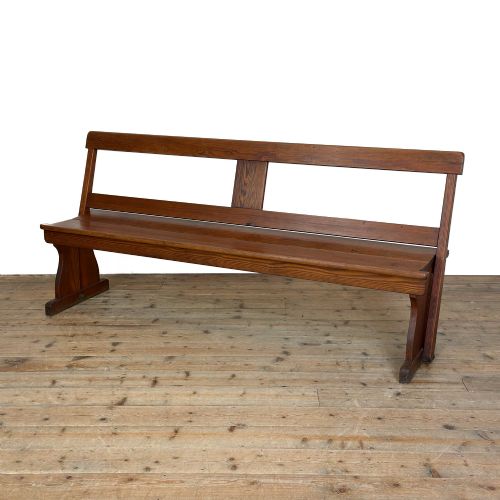
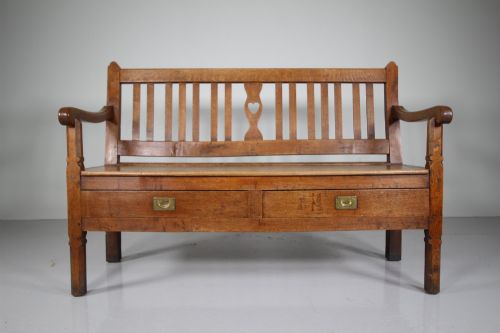
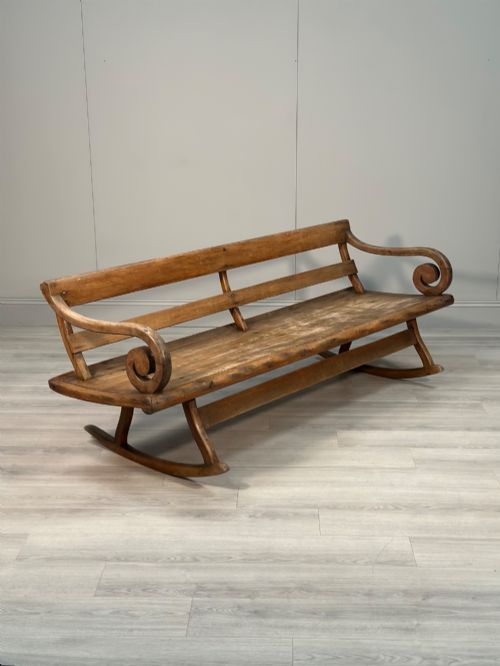
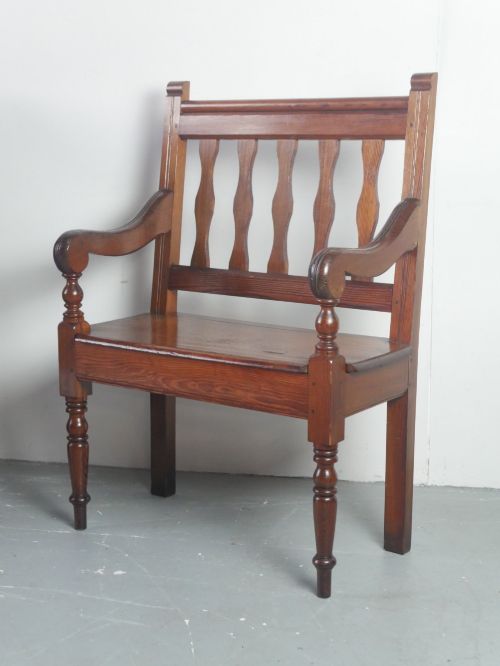
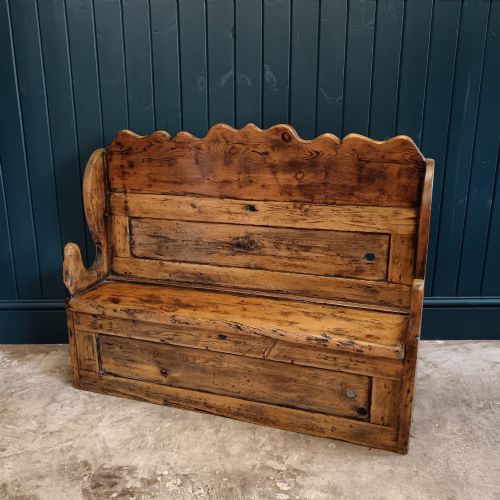
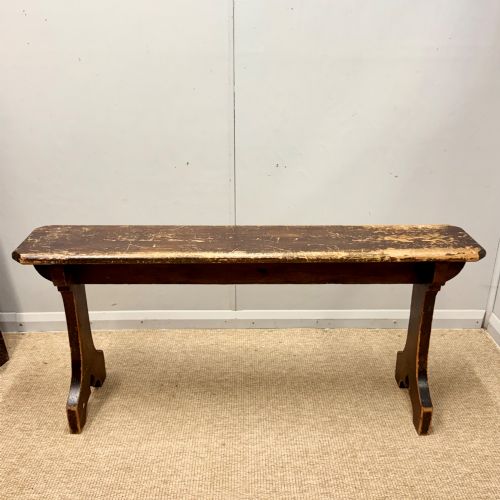
Traditional bench seating encompasses diverse vernacular forms designed for domestic utility, from high-backed settles to narrow hallway benches and garden seats. Buyers find pieces spanning the eighteenth, nineteenth, and early twentieth centuries in styles ranging from rustic country to Georgian and Victorian designs.
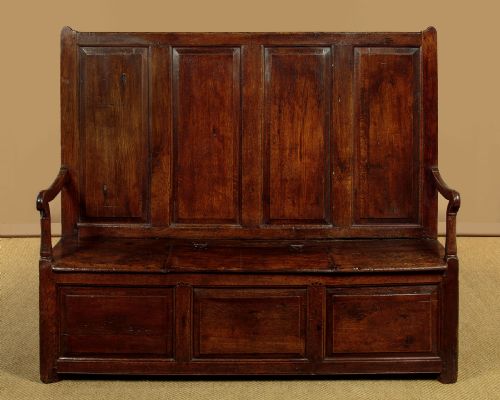
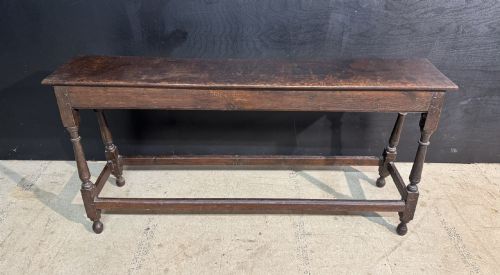
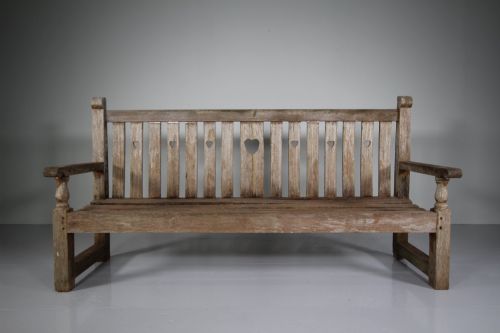
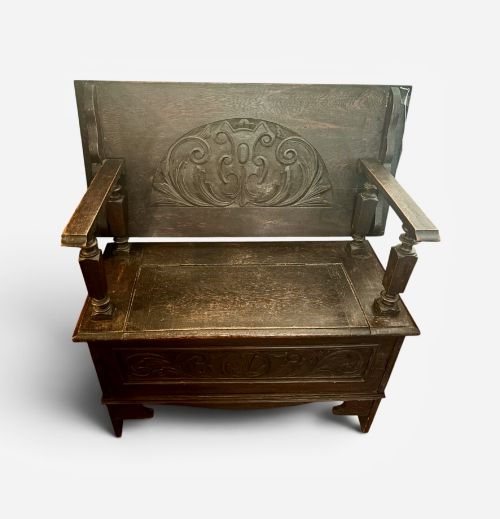
The most common examples on this page are oak box settles, elm and pine hall benches, and teak garden seats. These seating items served practical purposes in hallways, kitchens, and gardens, often incorporating lift-up lids for storage or folding elements.
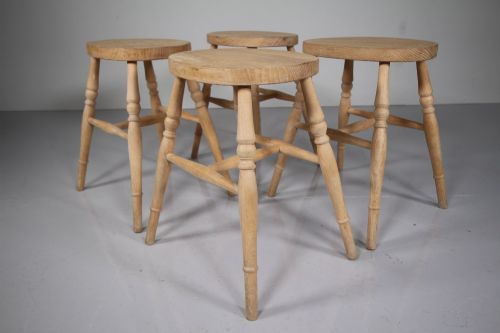
Stools, window seats, and brass-mounted club fenders also populate the selection, providing alternative low seating for hearths and rooms. Each object reflects the regional materials and domestic requirements of its period of origin.
Materials and construction
Makers utilised native hardwoods like oak, elm, ash, and mahogany alongside durable conifers such as pine, shaping them with traditional joinery techniques including joint stools and panelled construction. Metal appears in cast-iron, wrought iron, and brass frameworks, frequently paired with leather upholstery on club fenders.
Surface finishes rely on wax, natural patina, and carved detailing rather than complex veneers, emphasising the natural grain of the timber. Garden variations employ weather-resistant teak, while vernacular indoor seating often combines multiple woods like sycamore and ash within a single piece.
Some nineteenth-century hall seats feature fold-over tops that transform the bench back into a flat table surface.
Evaluating quality and proportion
Quality rests in the integrity of the timber, the crispness of hand-carved elements, and the retention of original surface patination. Pieces that retain their structural soundness without excessive timber replacement demonstrate superior craftsmanship.
Proportion and domestic utility distinguish finer examples, such as slim hallway benches or balanced proportions in Georgian window seats. The relationship between functional elements, like lift-up box lids or folding table backs, marks the distinction between standard vernacular items and more considered pieces.
The Traditional Bench Seating Glossary
- Settle
- A wooden bench with a high back, solid arms, and frequently a box base for storage. It was designed to keep draughts away from people seated near open fires.
- Club fender
- A low, padded seat surrounding a hearth, constructed with a metal frame usually made of brass or iron. The top is upholstered in leather.
- Joint stool
- An early form of wooden stool constructed with mortise and tenon joints using pegged construction. They pre-date chairs as common household seating.
- Patina
- The surface sheen and colour developed by wood and metal over decades of handling, exposure, and polishing. It indicates age and consistent use.
- Vernacular
- Everyday furniture made by local craftsmen using regional materials, free from high-style academic design. These pieces prioritize function and local tradition.
Traditional Bench Seating: Frequently Asked Questions
What is a box settle?
A box settle is a wooden bench featuring a high back and a compartment beneath the seat accessed via a lift-up lid. They were placed in halls and kitchens to store household items while keeping seated occupants warm.
Examples often display panelled oak construction and date from the eighteenth and nineteenth centuries.
How do I use a club fender?
A club fender sits around the perimeter of an open fireplace, providing low perimeter seating on leather-upholstered top rails. The brass or iron open framework allows heat from the fire to circulate into the room.
They suit living rooms with traditional hearths and accommodate guests comfortably.
Where were hall benches placed?
Hall benches stood in entrance passages and hallways to provide a seat for removing boots or waiting. Slim proportions allowed them to fit narrow spaces without blocking doorways.
Many examples include storage space beneath the seat for hats and accessories.
How do I tell oak periods apart?
Early pieces from the eighteenth century often feature hand-carved panels, pegged joinery, and heavy planking associated with vernacular cottage furniture. Later Victorian and Edwardian interpretations tend to incorporate revival styles, machine-assisted precision, and lighter framing.
Examining the underside, nail types, and hinge mechanisms helps clarify the date.