


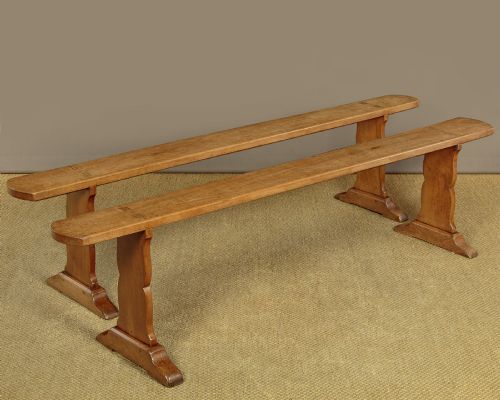

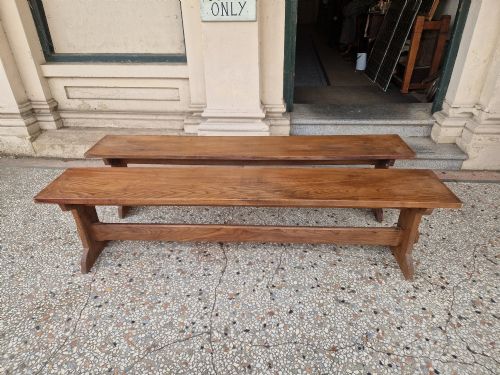
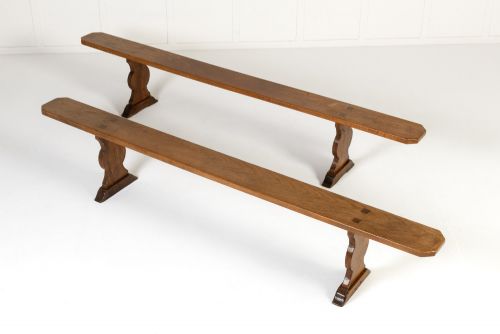
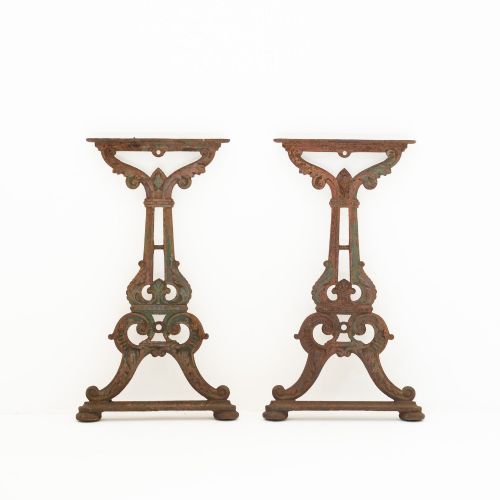
Trestle Dining Bench
A trestle dining bench provides linear seating alongside a table, shaped by centuries of farmhouse and tavern traditions.
Trestle Dining Bench
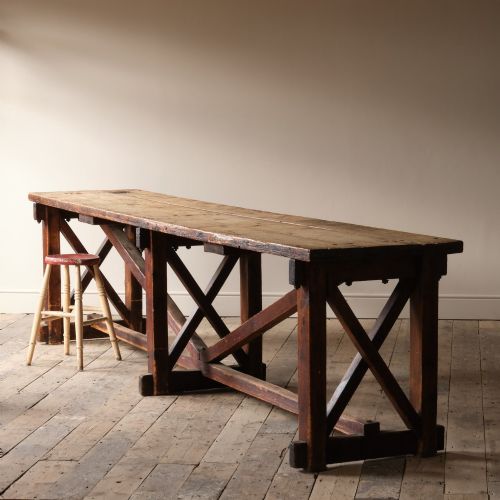
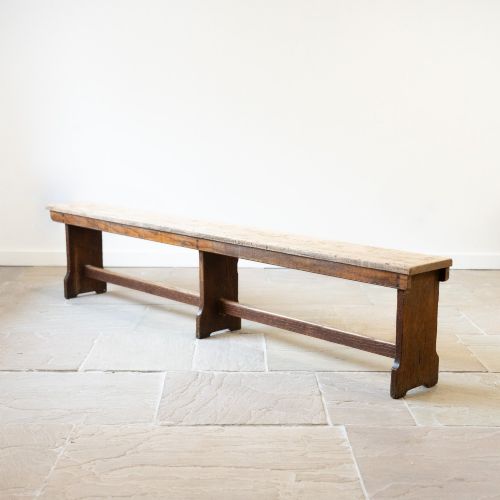
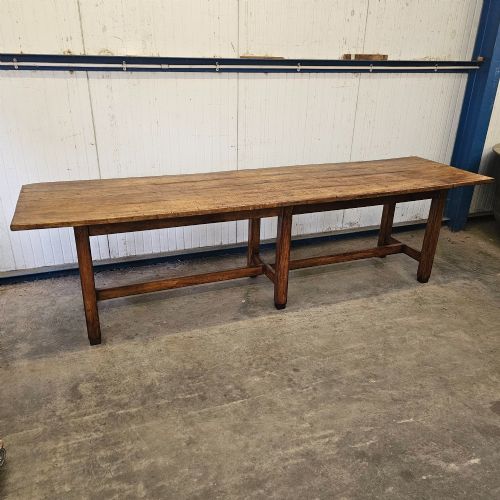
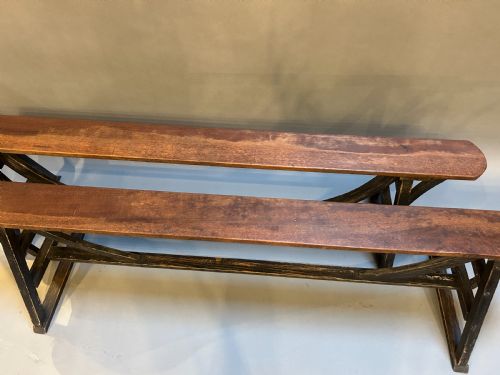
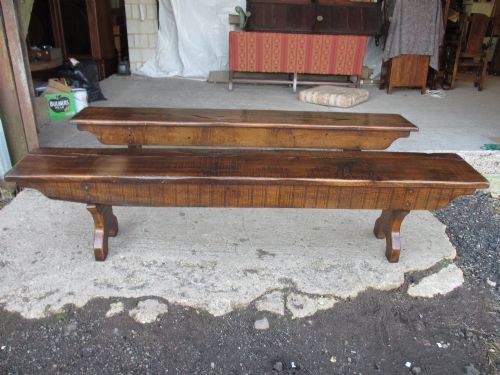
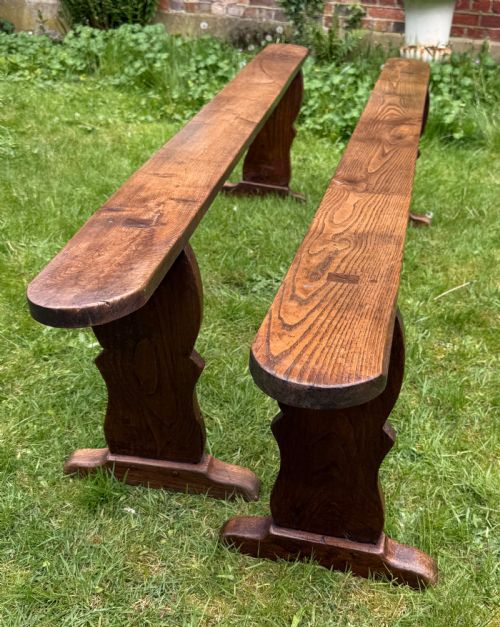
A trestle dining bench is a long seat designed to pair with refectory or trestle tables, appearing frequently in 18th century, Victorian, and Edwardian incarnations. These examples originate from diverse contexts, including Welsh country houses, French provinces, Scandinavian homes, and English taverns, functioning originally as communal seating.
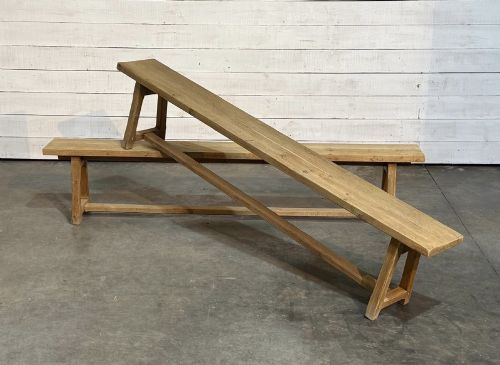
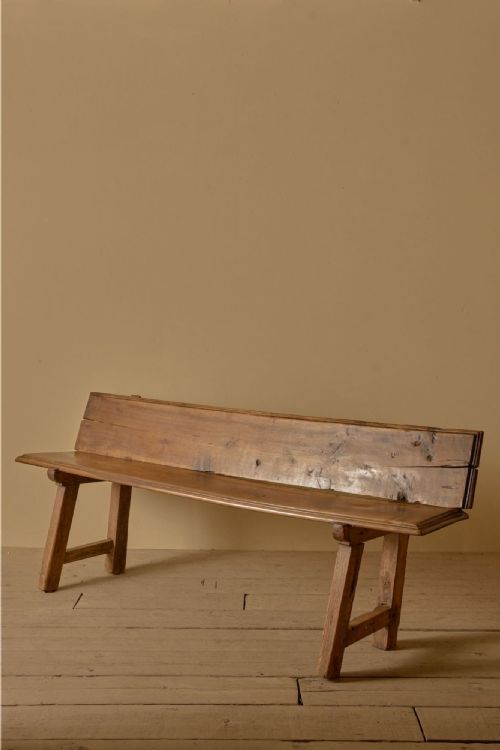
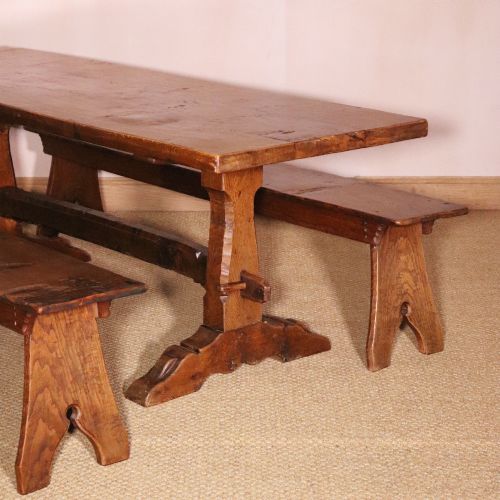
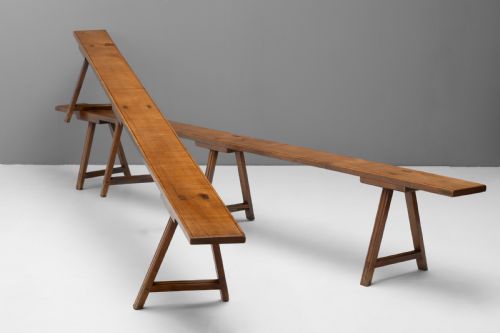
Buyers meet sturdy wooden forms constructed from native timbers, often found as matched pairs or extended lengths reaching up to nine feet. The designs range from simple pine boards supported by upright planks to heavy oak variants featuring shaped trestle ends.
The selection encompasses rustic farmhouse styles alongside refined French country pieces, reflecting the practical needs of past dining halls and kitchens. Each piece demonstrates the enduring utility of long timber seating designed for shared meals.
Proportion and material integrity
Quality rests in the original integrity of the timber and the balance of proportions between the top plank and the supporting trestle ends. Dense grain patterns in older oak or mature fruitwood indicate superior material selection compared to later utility replacements.
The character of the surface finish dictates visual distinction, where deep patination achieved through decades of use elevates a piece above standard utilitarian seating. Untouched timber surfaces retain the authentic marks of their period origin.
Trestle Dining Bench Retail Price Guide 2026
Typical asking prices for trestle dining bench among the pieces listed under this phrase on Sellingantiques today, from the lower quarter to the upper quarter. They describe what is for sale here now, not the wider market.
Several heavy oak examples originate directly from Bishopthorpe Palace in York.
The Trestle Dining Bench Glossary
- Refectory table
- A long dining table traditionally used in monastic or communal dining halls, frequently accompanied by matching long benches.
- Trestle ends
- Upright supports fitted beneath a tabletop or bench top, often shaped or pegged to distribute weight securely.
- Patina
- The surface sheen and colour acquired by wood over years of handling, polishing, and environmental exposure.
- Plank-top
- A surface constructed from solid boards joined lengthwise, common in heavy historical dining furniture.
Trestle Dining Bench: Frequently Asked Questions
How do I measure for a trestle dining bench?
Measure the total length of your dining table and allow sufficient clearance at both ends for guests to sit comfortably without hitting the trestle supports. The bench should generally sit slightly shorter than the table length to slide underneath when not in use.
Consider the height of the seat relative to your table apron to ensure adequate legroom. Standard dining heights require careful matching between the bench surface and the table underside.
Are these benches sturdy enough for daily dining?
Historical wooden benches utilise solid timbers like oak, elm, and pine, built specifically for heavy communal use in farmhouses and taverns. Their robust construction handles everyday seating demands reliably.
Inspect the joints and trestle bases to ensure stability remains intact after decades or centuries of service. Proper placement on even flooring prevents unnecessary rocking during meals.
How do I care for antique wood surfaces?
Maintain the timber by dusting regularly with a dry cloth and avoiding excessive moisture or direct heat sources that cause wood to split. Natural waxes help nourish older surfaces without altering the established patina.
Protect the wood from spills by using coasters and placemats during dining use. Gentle cleaning preserves the historical finish accumulated over generations.
Can I mix different wood types together?
Combining different timber species such as pine, oak, and cherrywood creates a layered interior look common in historic country homes. Historical settings rarely featured matching suites, favoring practical acquisition over uniformity.
Focus on matching the scale, height, and overall era rather than strict wood types when pairing a bench with an existing table. Complementary tones in the timber finish help unify disparate pieces.