



Rustic Kitchen Bench
A rustic kitchen bench is a sturdy, characterful seat built for daily use, bringing warmth and practicality to any room.
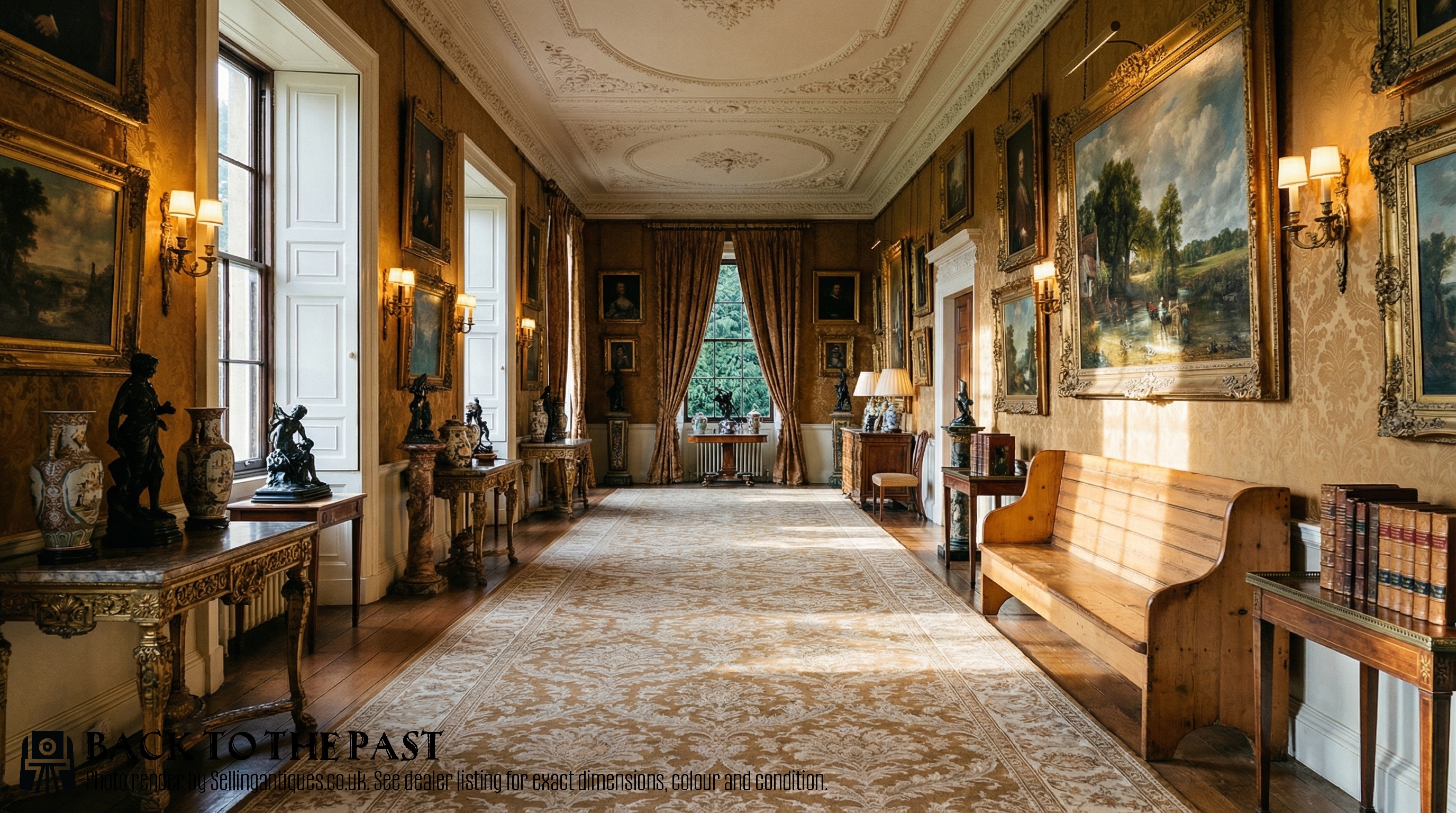
Rustic Kitchen Bench
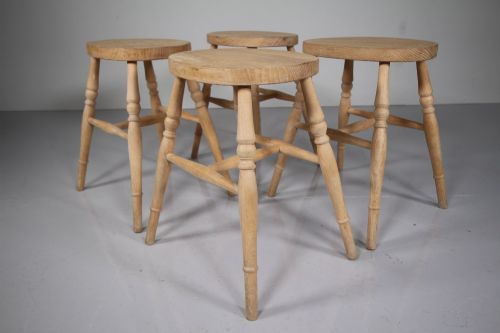
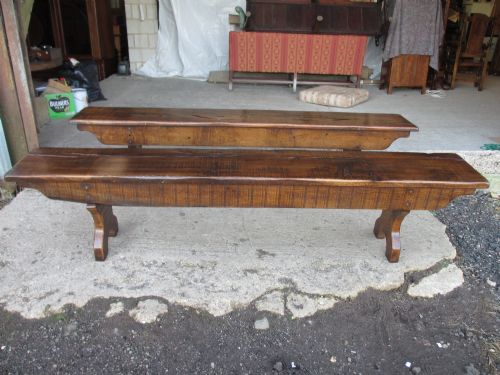
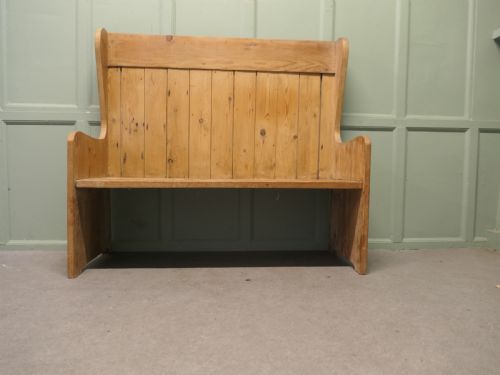
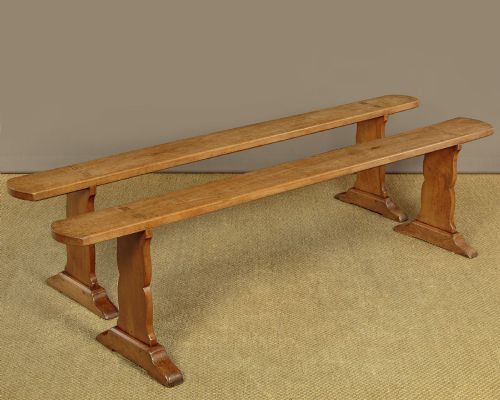
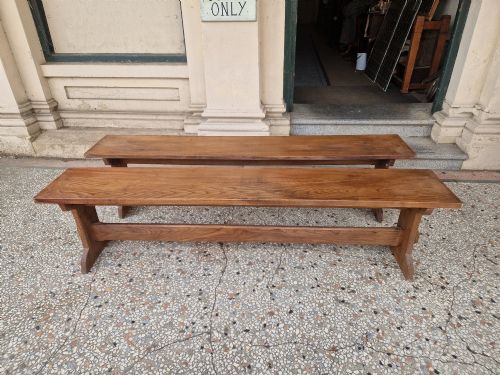
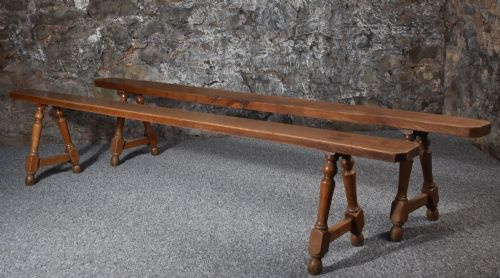
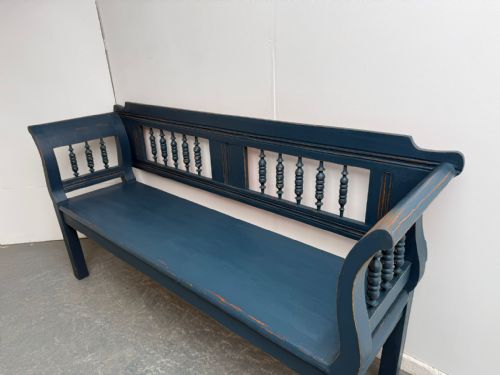
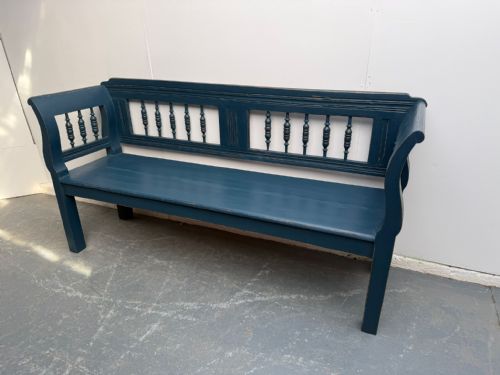
A rustic kitchen bench serves as a practical seating solution around a dining table or prep surface, drawing on historical forms from country houses and farmhouses. When exploring this selection, buyers encounter various configurations including simple pine seating, high back settles, and heavy oak benches with shaped trestle ends.
The pieces span multiple periods from the Victorian era and the Edwardian years through to the early twentieth century, originating from English, French, Swedish, Hungarian, and Austrian workshops. Pine forms the mainstay of these listings, accompanied by cherrywood, oak, and elm timbers.
Beyond standard dining benches, related forms appear in the archive and current listings, such as folding farmhouse kitchen benches, tavern benches, and long country seating designed for communal spaces.
How they were made
Construction relies heavily on solid native timbers like pine, oak, cherrywood, and elm, selected for density and strength under heavy domestic or workshop use. Workshops utilised traditional joinery methods, fixing thick planks to trestle ends or robust legs to ensure longevity.
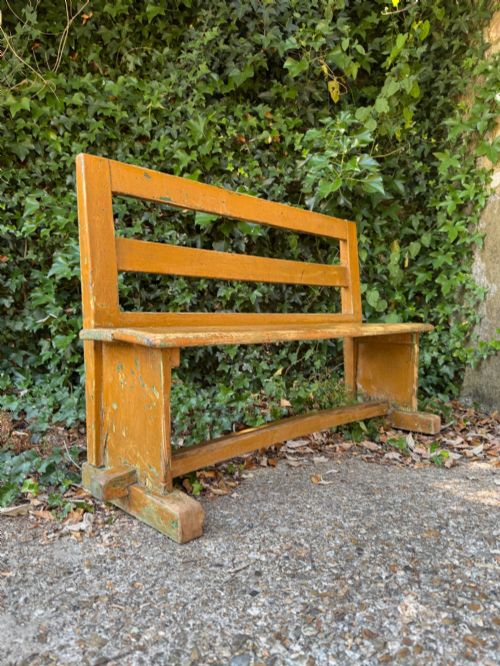
Surface finishes range from natural waxed grain to original painted treatments in blue or distressed green, applied during manufacture or later in the working life of the piece. Iron components, including braces and vices on related workbenches, provide structural reinforcement.
Several benches retain splashes of their original working paint, proving that previous owners were not afraid of a bold blue.
What varies in quality
Quality rests upon the integrity of the timber selection and the retention of original surface patination, whether that is aged bare wood or authentic old paint. Superior examples exhibit balanced proportions, such as well-shaped trestle ends and thick top planks that show minimal warping.
Construction details distinguish workshop utility pieces from finer domestic furniture, with tight joinery and appropriate timber thickness dictating how well a bench handles daily weight and movement.
Trussant And Cie
The Rustic Kitchen Bench Glossary
- Settle
- A wooden bench with a high back and solid arms, traditionally placed near a fire to block draughts in country houses and pubs.
- Trestle
- A structural support consisting of a horizontal beam fixed to two splayed legs, commonly found beneath heavy oak benches and tables.
- Parnassian
- A term relating to poetic aspirations, though in furniture the focus remains entirely on utilitarian construction and timber grade.
- Patina
- The surface sheen and colour acquired by wood and paint through decades of handling, cleaning, and exposure to light.
Rustic Kitchen Bench: Frequently Asked Questions
How do I style a rustic kitchen bench?
Pair the bench with a simple refectory or farmhouse table to create an informal dining setup. Add cushions or sheepskins for comfort during long meals.
Keep surrounding furniture complementary in tone, allowing the natural timber grain or painted finish of the bench to stand out as a focal point.
Can these benches be used outdoors?
Most of these pieces are antique indoor furnishings built from pine, oak, or cherrywood that lack weatherproof treatments. Placing them outside exposes the timber to dampness, which damages the joints and old paint.
Keep them within sheltered indoor spaces such as kitchens, boot rooms, or garden rooms to preserve the wood.
How do I clean old painted wood?
Dust the surface gently with a dry, soft cloth to remove everyday particles. Avoid harsh chemical cleaners that strip or soften historic paint layers.
Apply a mild soap solution sparingly if stubborn marks appear, drying the area immediately with a clean towel to protect the finish.
What is the difference between a settle and a bench?
A bench typically consists of a flat seat supported by legs or trestles, offering open access from all sides. A settle incorporates a high back and solid armrests designed specifically to shield sitters from cold draughts.
Both forms served communal dining and fireside seating in nineteenth-century domestic and public interiors.