


Traditional Bedroom Storage Chest
A traditional bedroom storage chest brings classic proportions and reliable timber to a room, offering enduring utility for folded linens and daily garments.
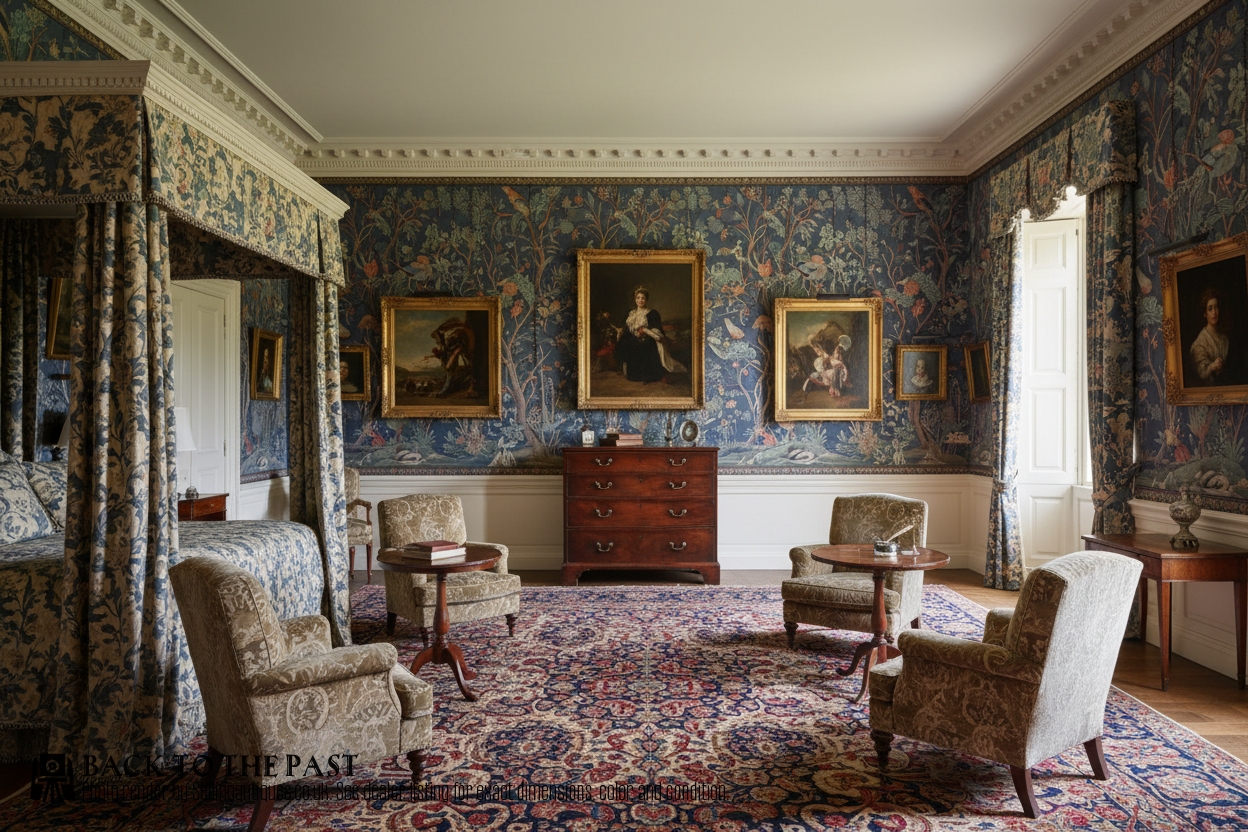
Traditional Bedroom Storage Chest
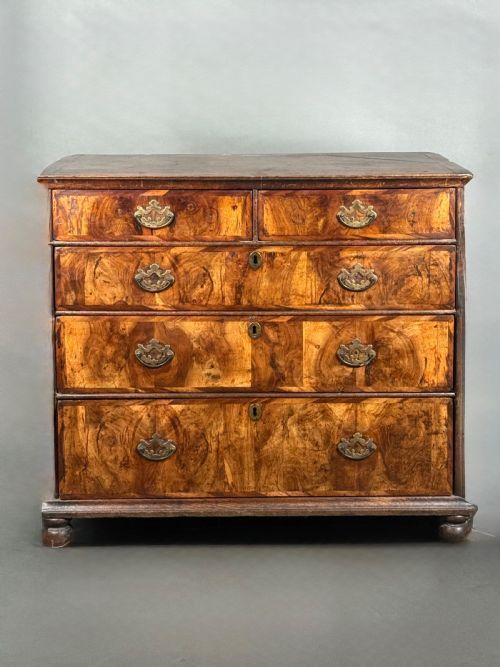
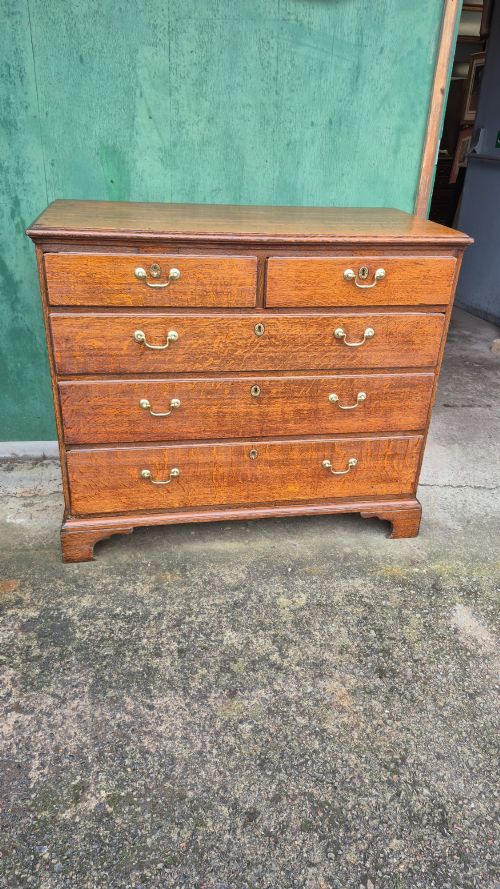
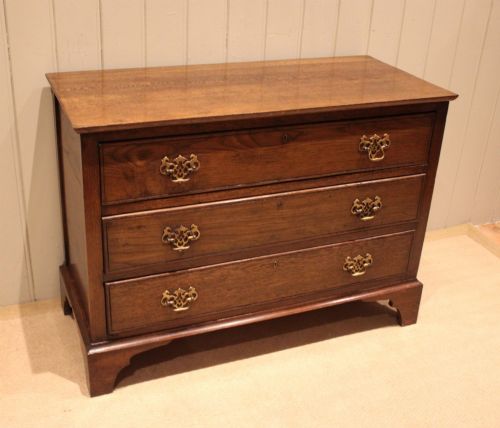
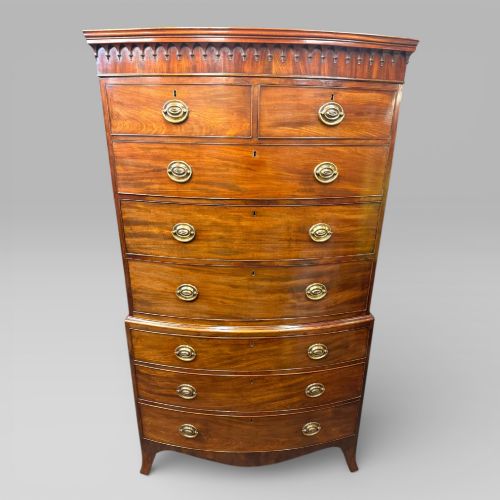
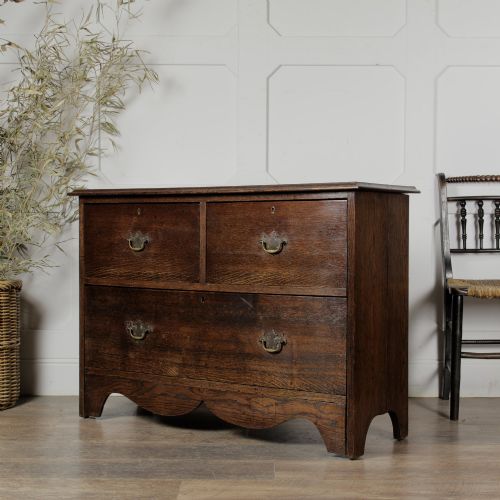
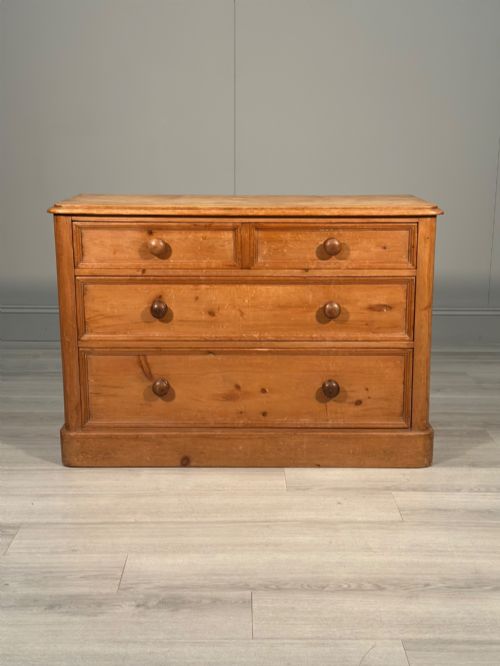
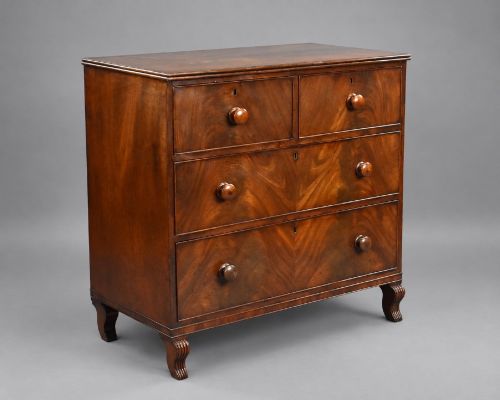
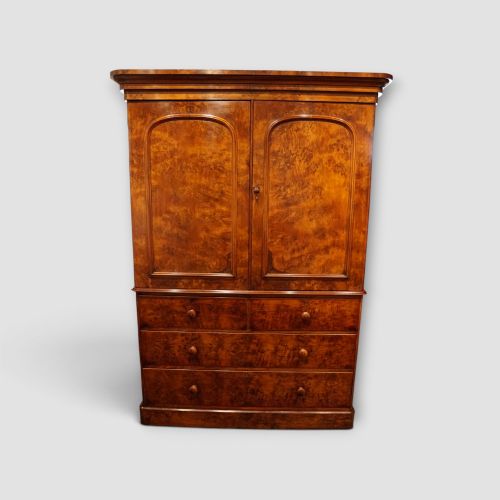
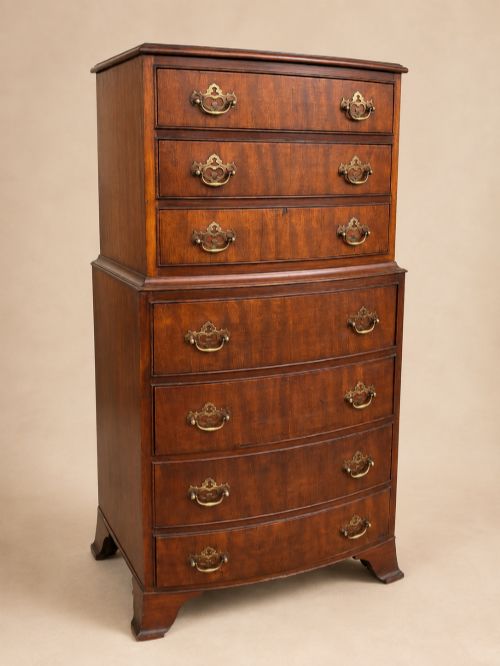
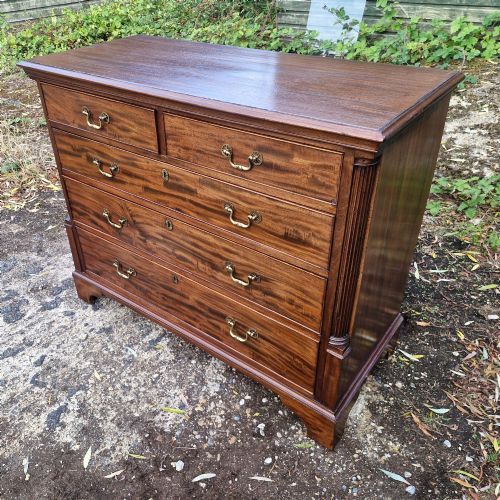
When you search for a traditional bedroom storage chest, you encounter a variety of substantial timber forms designed for domestic organisation. The selection spans straightforward chest of drawers designs alongside taller chest on chest configurations and linen presses.
Mahogany and pine dominate the pieces found here, accompanied by oak and walnut examples. You will frequently find Victorian and Georgian pieces, as well as Edwardian interpretations and later variations built in specific historical styles.
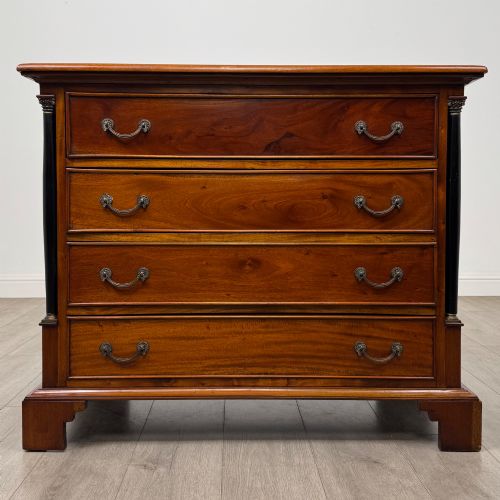
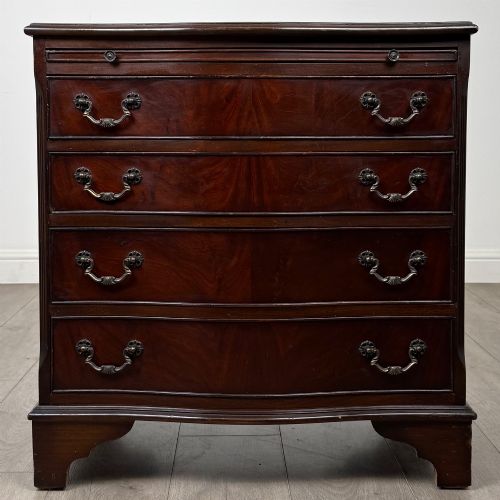
The layout ranges from low bedside chests to grand five-height models. Many incorporate brass handles and distinctive bow-front profiles, reflecting the period aesthetics of their makers.
Materials and construction
Cabinet makers utilised solid woods like oak, mahogany, pine and walnut, frequently enhancing surfaces with flame mahogany veneer or figured walnut. These timbers provided the structural integrity required for daily domestic use.
Hardware such as brass handles and bun handles added functional detail to drawers configured in various heights. Construction methods evolved across the eighteenth, nineteenth and early twentieth centuries while retaining core joinery traditions.
Materials span solid woods including mahogany, oak, pine, walnut and yew wood, alongside decorative flame mahogany veneers and brass hardware.
Distinctions in craftsmanship
The calibre of a piece rests upon the selection of timber figures, such as figured walnut and flame mahogany veneer, which elevate standard cabinet work. Superior examples demonstrate careful grain matching and refined proportion across the facade.
Fine craftsmanship shows in the crisp execution of details like bow-front curves and serpentine lines, paired with durable brass hardware. The integrity of the internal drawer construction further separates basic utilitarian storage from accomplished cabinet making.
Jas Shoolbred
The Traditional Bedroom Storage Chest Glossary
- Bow-front
- A convex, curved front facade that projects outward in the centre, common on finer mahogany chests from the Georgian and Victorian periods.
- Chest on chest
- A tall storage unit comprising one chest stacked directly upon a slightly larger bottom chest, offering substantial vertical capacity.
- Linen press
- A tall cabinet featuring upper doors enclosing sliding trays or shelves, positioned above a lower section of graduated drawers for comprehensive bedroom storage.
- Flame mahogany veneer
- A thin slice of mahogany selected from timber fork junctions to display a flamy, highly figured grain pattern.
- Bun handle
- A rounded, protruding wooden knob resembling a small bun, frequently found on nineteenth-century pine chests.
Traditional Bedroom Storage Chest: Frequently Asked Questions
What periods do these chests come from?
The selection spans pieces originating from the eighteenth, nineteenth and early twentieth centuries. You will encounter Georgian, Victorian and Edwardian examples alongside later revival pieces.
Each period brings distinct timber choices and architectural proportions, ranging from early walnut work to robust Victorian pine and Edwardian oak furniture.
What is the difference between a chest and a linen press?
A standard chest relies entirely on horizontal drawers stacked vertically to hold garments and smaller items. A linen press combines these lower drawers with an upper cupboard section enclosed by doors.
Historically, the upper compartment of a linen press housed sliding shelves specifically designed for flat linens and folded textiles.
Are bedside chests available in these styles?
Yes, smaller scale bedside chests appear alongside full-sized room furniture. These pieces often mirror the proportions and timber selections of larger chests, such as mahogany construction.
They offer compact storage formats suitable for pairing with period bed frames while maintaining traditional design characteristics.