
Classic Mahogany Drawers
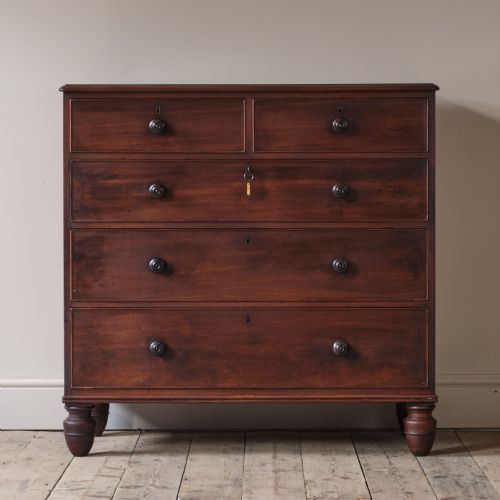
Classic antique mahogany drawers bring warmth and steady storage to a room, led by chests of drawers from the Georgian, Regency, and Victorian eras.
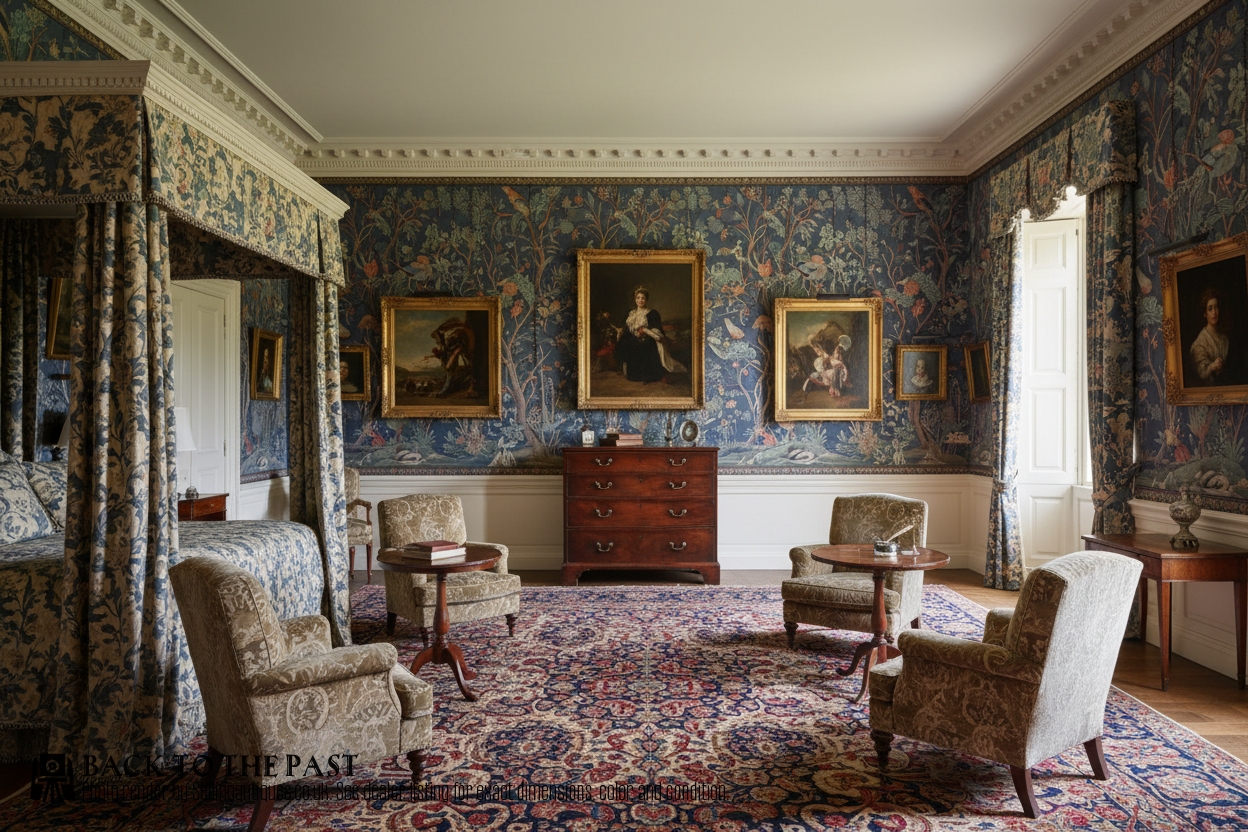
Classic Mahogany Drawers
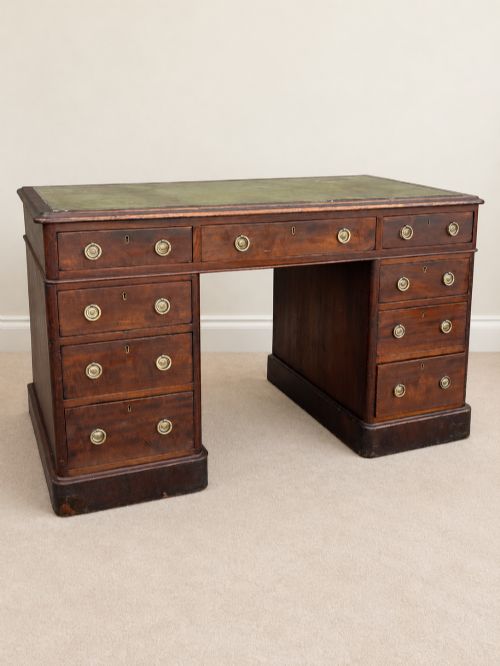
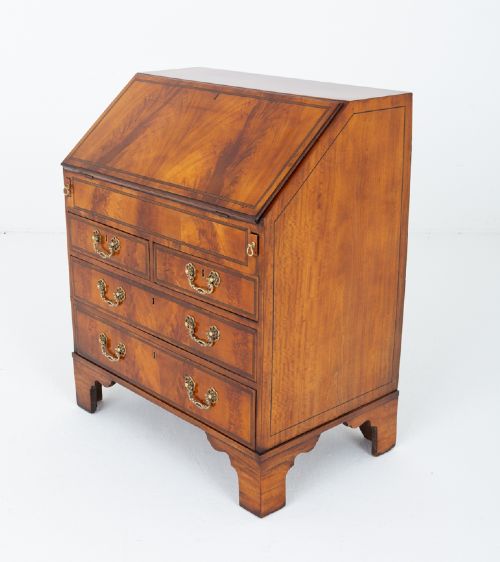
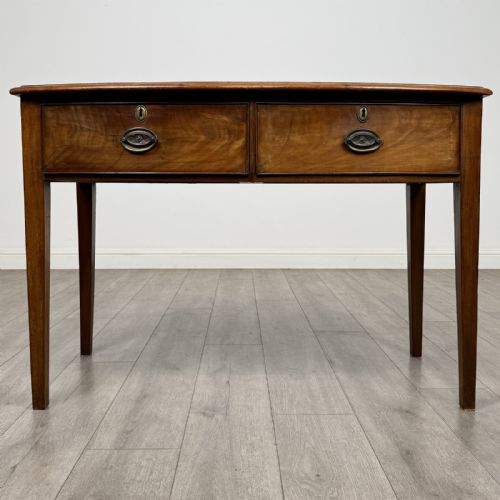
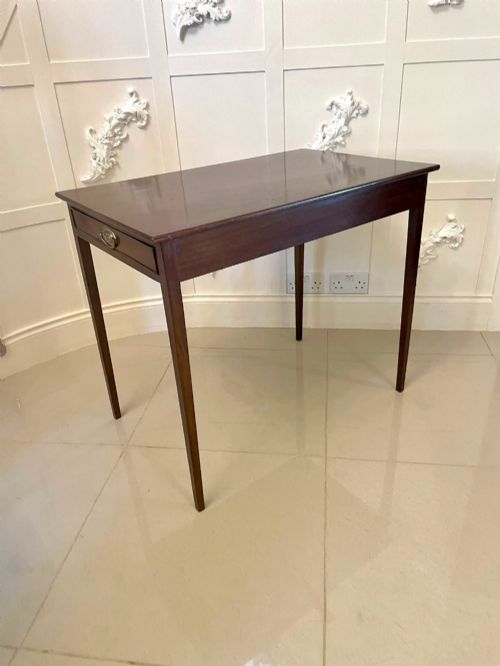
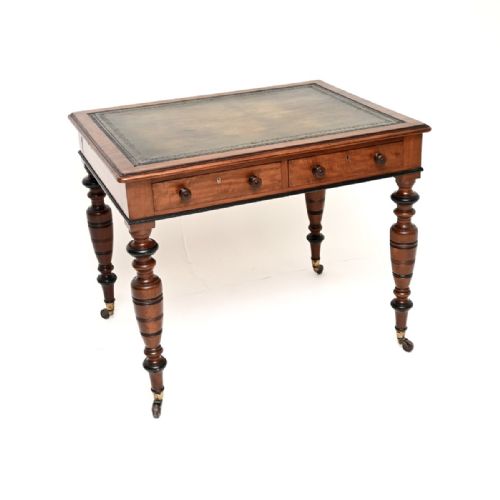
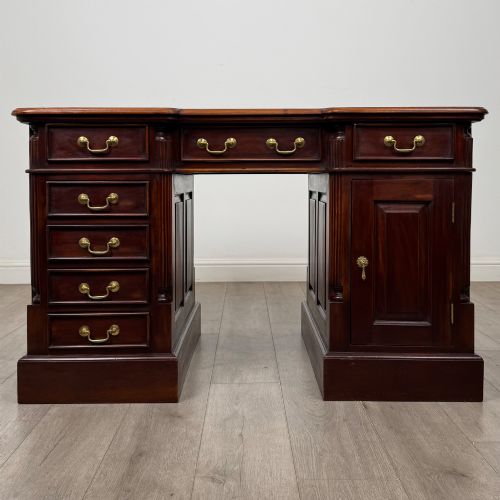
Classic antique mahogany drawers primarily manifest as chests of drawers, alongside desks, side tables, and bureau bookcases spanning Georgian, Regency, Victorian, and Edwardian periods.
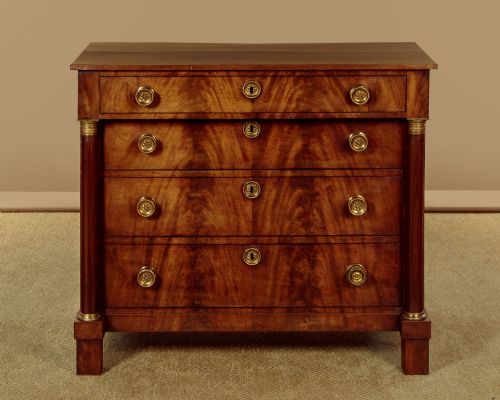
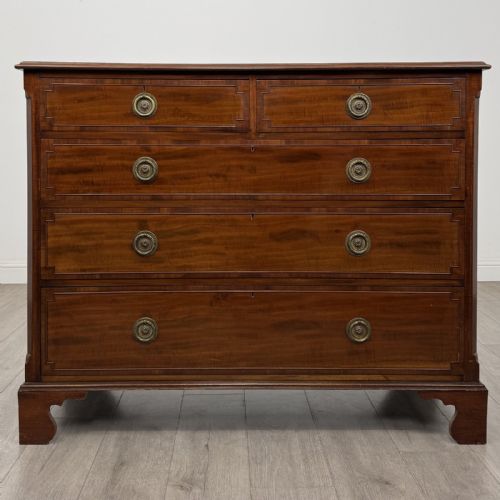
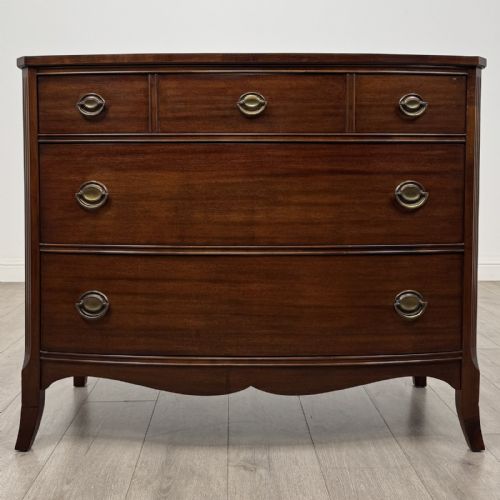
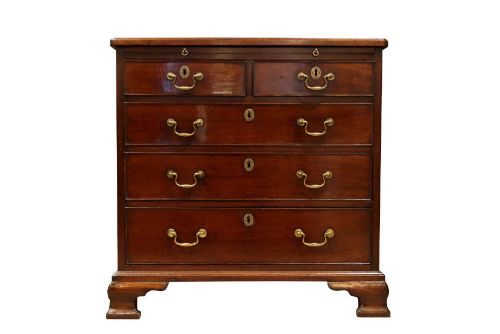
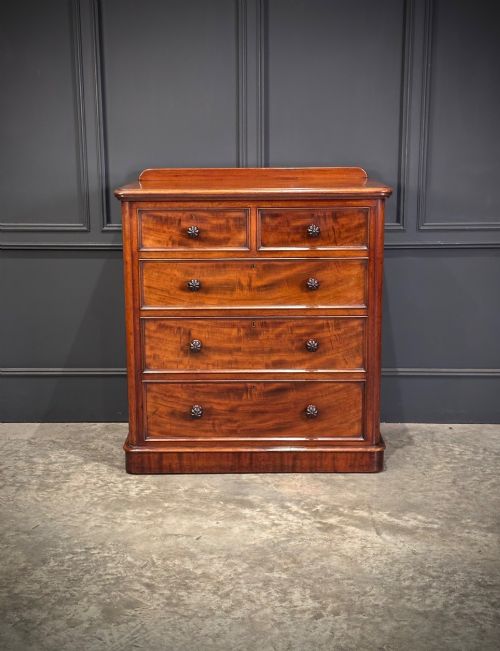
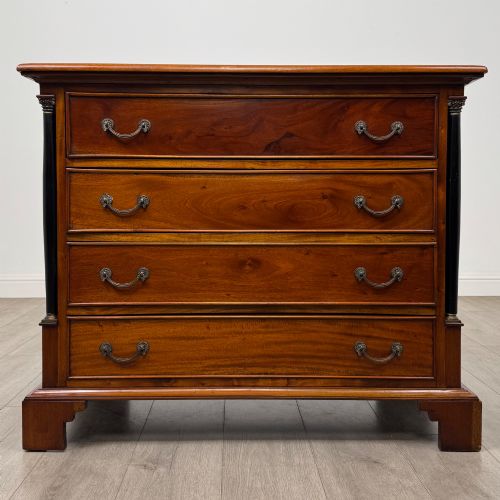
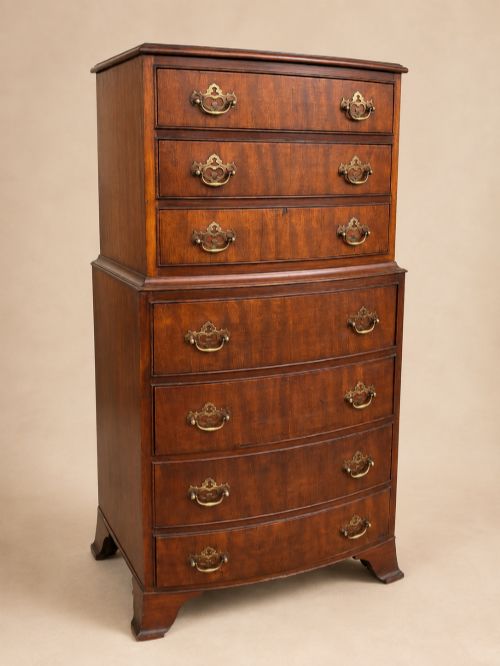
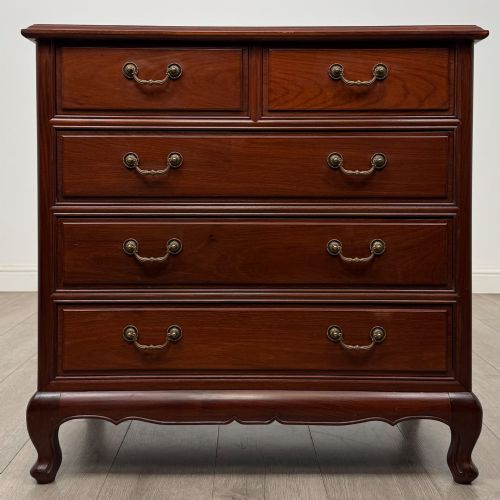
The most common form met here is the chest of drawers, shaped with bow-fronts, serpentine profiles, or standard upright proportions fitted with brass handles.
Pieces stretch from the eighteenth century through the nineteenth century and into the early twentieth century, showing styles from George III to Edwardian adaptations.
Materials and construction
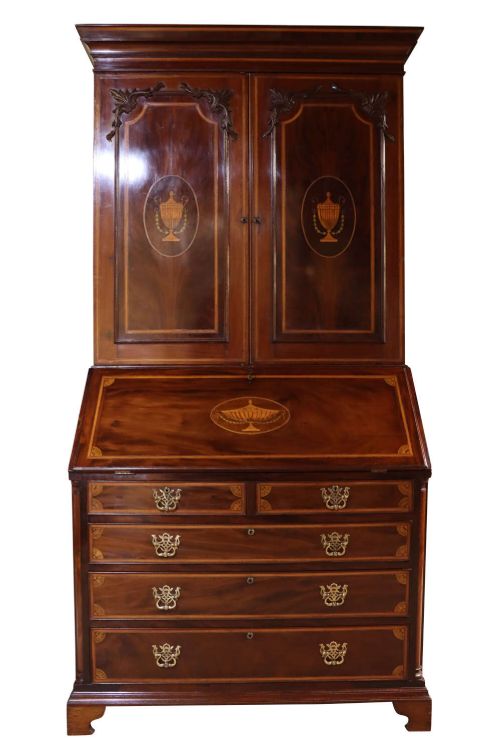
Craftsmen built these pieces using solid mahogany and flame mahogany veneer, supported by secondary timbers like pine and accented with wood inlay, satinwood, and brass hardware.
Surfaces often integrate leather inserts on desks or marble tops, whilst drawers employ traditional joints and timber framing to handle daily use.
Cabinet makers shaped the timber into smooth bow-fronts and serpentine curves, applying polish to bring out the grain depth of the mahogany.
Listings feature mahogany furniture spanning from Georgian and Regency eras through to Edwardian and later twentieth-century pieces.
Distinctions in quality
Quality rests on the selection of timber veneers, such as richly figured flame mahogany, and the precision of the cabinet work in serpentine or bow-front frames.
The execution of brass handles, inlaid wood details, and internal drawer construction separate standard production pieces from finer cabinet maker outputs.
Proportion and the retention of original surfaces dictate how successfully a piece holds its character across different decades.
T & G Seddon·Brady·C. Hindley
The Classic Mahogany Drawers Glossary
- Bowfront
- A curved cabinet front that swells outward in the centre. This shape appears frequently on Georgian and Regency chests.
- Serpentine
- A front line shaped with a central convex curve flanked by concave sweeps. It requires skilled carpentry to execute on drawers.
- Flame mahogany
- A veneer sliced from timber where the branch meets the trunk, creating a flamelike pattern. It marks finer decorative surfaces.
- Bureau bookcase
- A writing desk with a sloping flap combined with shelving above. These pieces house books and papers behind glazed or solid doors.
- Tallboy
- A tall chest of drawers built by stacking one cabinet atop another. This form maximises vertical storage space in a bedroom.
Classic Mahogany Drawers: Frequently Asked Questions
What periods do these drawers come from?
The pieces span several distinct historical periods, starting from the eighteenth century with George III examples through Regency and William IV eras.
Later items extend into the Victorian and Edwardian periods, including pieces made around nineteen hundred and the early twentieth century.
Are all these pieces standard chests of drawers?
While chests of drawers form the majority of the selection, the category includes other functional furniture forms.
Listings also feature pedestal desks, writing tables, occasional side tables, bureau bookcases, and collectors cabinets.
What woods besides mahogany appear on them?
Mahogany and flame mahogany veneer dominate the exterior surfaces, paired with secondary woods like pine used for internal structures.
Additional materials include satinwood for contrasting inlay, alongside marble tops and leather writing inserts on specific tables and desks.