

Traditional Bedroom Chairs
Traditional bedroom chairs bring intimate scale and upholstered comfort to a room, spanning low-slung slipper designs and carved nursing seats.
Traditional Bedroom Chairs
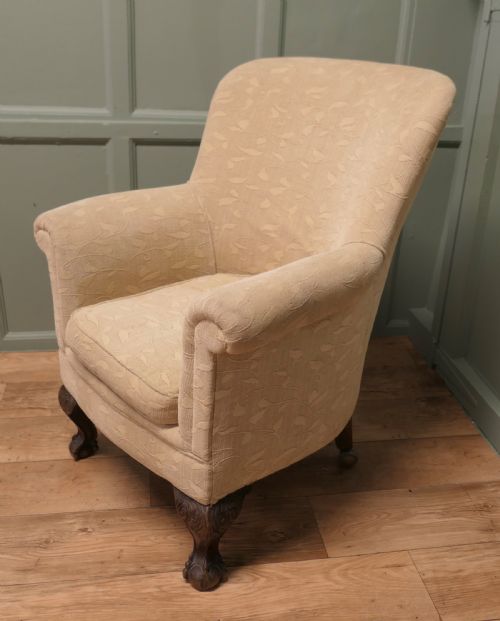
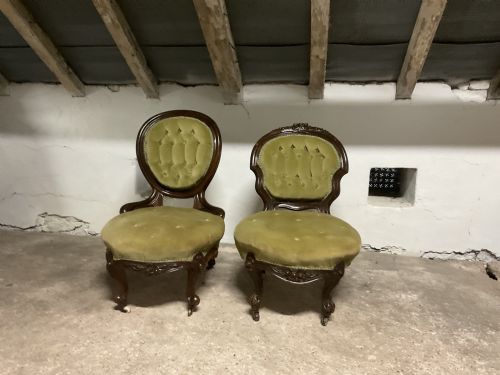
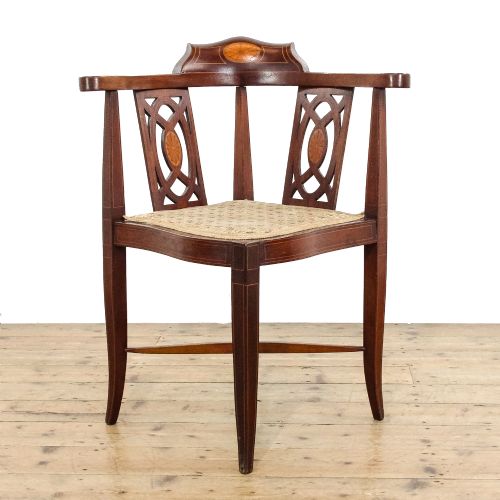
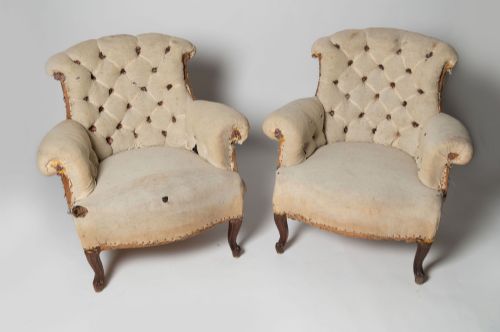
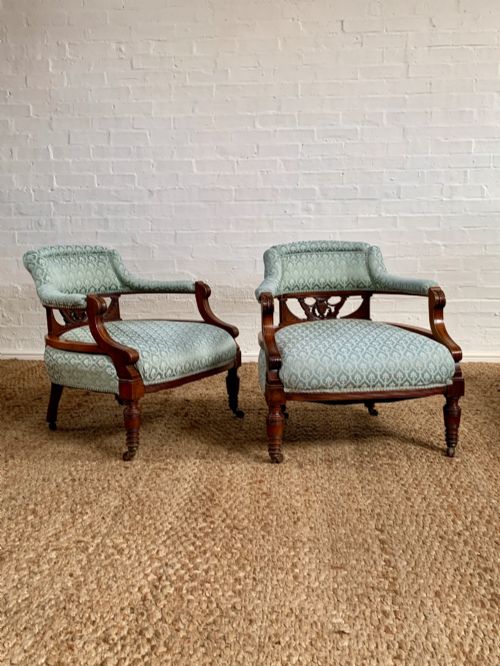
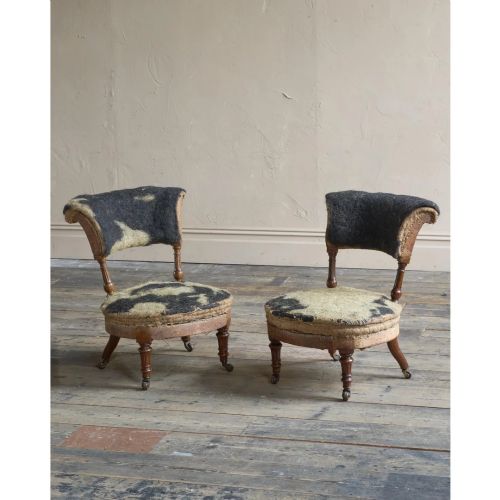
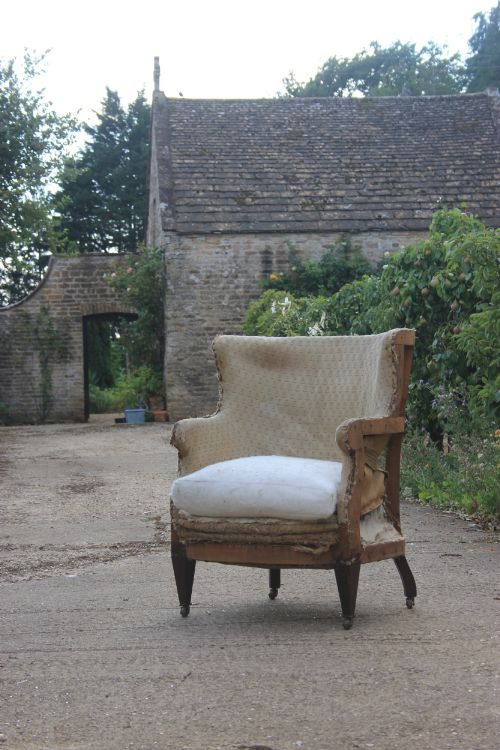
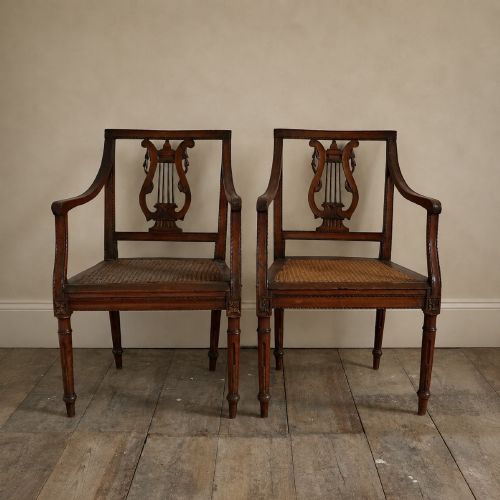
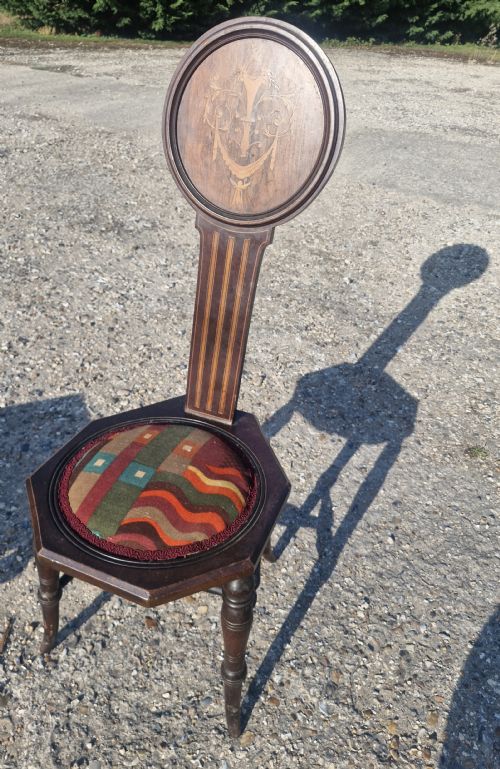
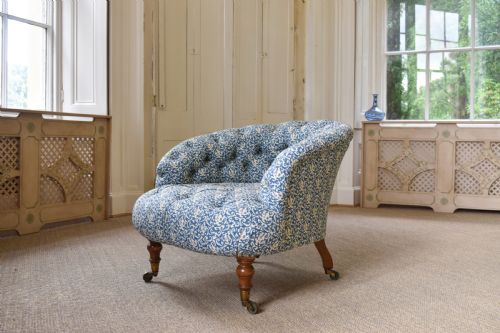
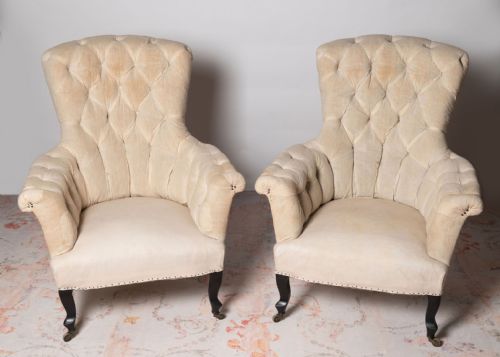
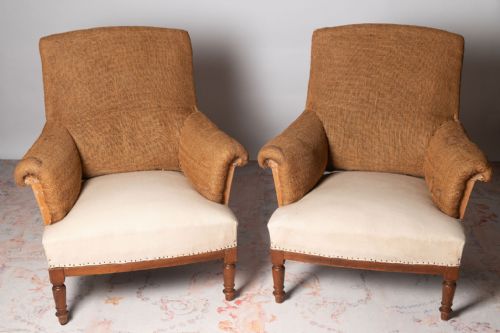
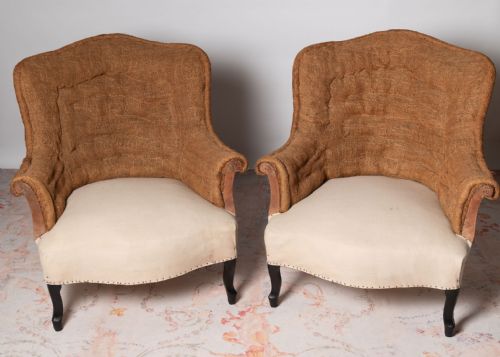
Traditional bedroom chairs encompass a compact variety of seating designed specifically for domestic chambers, dressing rooms, and boudoirs. When you explore traditional bedroom chairs on this page, you encounter forms such as low-slung slipper chairs, button-backed nursing chairs, and compact tub armchairs. These pieces date predominantly from the nineteenth century, including Victorian and Edwardian periods, alongside Regency and Arts and Crafts examples.
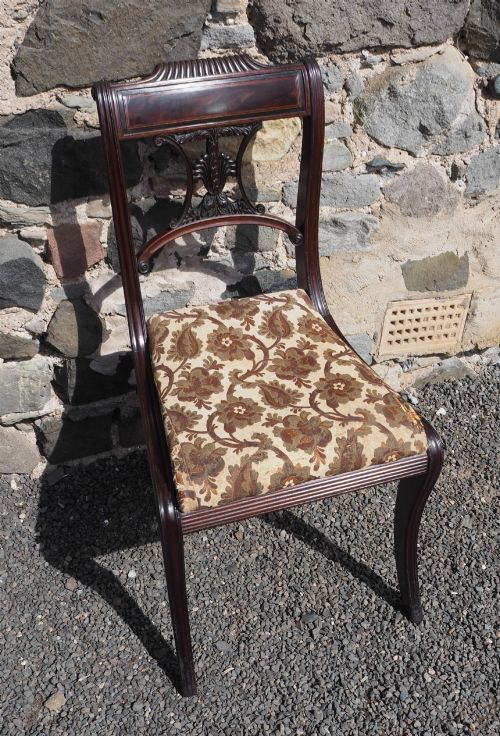
The assortment on this page relies heavily on nineteenth-century craftsmanship, featuring mahogany, walnut, and rosewood frames paired with period textiles. You will frequently find low seating configurations designed to accommodate changing clothes or sitting comfortably by a fireplace. Side chairs, rocking chairs, and corner armchairs also populate the selection, showing the diverse seating arrangements historically used in private rooms.
How they were made
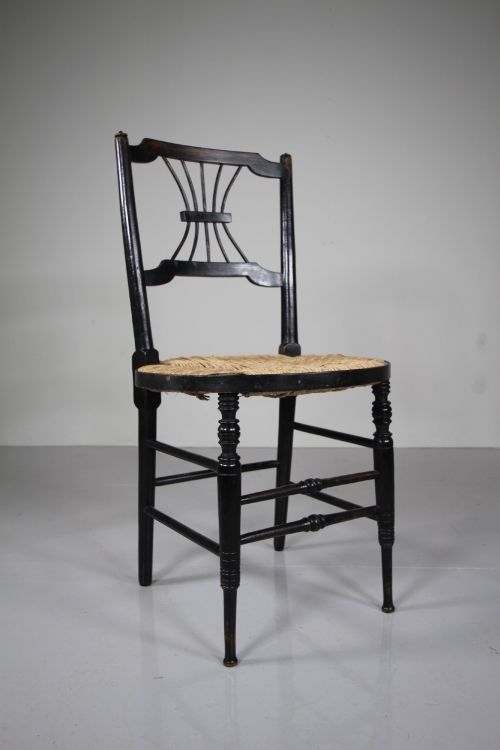
Cabinetmakers constructed traditional bedroom chairs using solid timbers such as mahogany, walnut, and rosewood, often shaping frames with turned components, bobbin turnings, or carved scroll arms. Caning and timber slats formed supportive seats, while structural integrity relied on traditional joinery methods suited to domestic furniture.
Upholstery techniques defined the comfort of these seats, employing materials like hessian foundations, horsehair stuffing, and springs, finished with velvet, fabric, or brass details. Buttoning and decorative fringing added textural richness to slipper chairs and nursing chairs, while frames occasionally incorporated faux bamboo or giltwood finishes.
Listings feature Victorian, Edwardian, and Regency periods, utilising mahogany, walnut, velvet, and cane.
What varies in quality
Quality in traditional bedroom chairs rests on the precision of timber carving and the architectural balance of the frame. Pieces featuring dense hardwoods like rosewood or finely figured mahogany demonstrate superior material selection compared to simpler utilitarian timbers.
The integrity of the upholstery execution and the retention of original decorative elements, such as bobbin turnings or specific fabric pairings, distinguish finer examples. The harmony between the proportions of a low seat and the detailing of the backrest separates standard workshop output from exceptional cabinet work.
William Morris·Rossetti·Howard and Sons
The Traditional Bedroom Chairs Glossary
- Slipper chair
- A low-framed upholstered chair originally designed for ladies' bedrooms to sit in while dressing. These chairs sit close to the floor for added ease.
- Nursing chair
- A low-seated Victorian armchair traditionally used for feeding infants or general bedroom comfort. They usually feature high backs and padded upholstery.
- Tub chair
- An upholstered armchair with a rounded back enclosing the sides in a continuous curve. The shape resembles an open barrel.
- Bobbin chair
- A chair featuring turned woodwork carved to resemble a string of bobbins or spools. This style gained popularity during the nineteenth century.
- Faux bamboo
- Wood carved and painted to imitate natural bamboo stalks. This decorative technique appeared frequently in nineteenth-century fancy furniture.
Traditional Bedroom Chairs: Frequently Asked Questions
What is a traditional bedroom chair?
A traditional bedroom chair is a small-scale seat designed for private chambers, encompassing low slipper chairs, nursing chairs, and compact armchairs.
These pieces typically date from the nineteenth and early twentieth centuries, prioritising intimate comfort and refined timber frames.
How were nursing chairs used?
Nursing chairs were built with low seats to allow mothers to tend to infants comfortably in the bedroom or nursery.
Their generous padding and absence of high armrests also made them practical for sewing and dressing.
What is a slipper chair?
A slipper chair is an upholstered seat positioned very close to the floor, historically used in bedrooms for putting on shoes and garments.
The low profile allowed occupants to dress without obstruction from standard chair arms or high legs.
How do I date an antique bedroom chair?
Dating relies on examining the timber species, joinery techniques, and upholstery foundations visible on the frame. Stylistic clues like Victorian buttoning or Edwardian barrel backs also indicate the period.
Turned details, such as bobbin framing, point directly to nineteenth-century production methods.
Can I use a bedroom chair in a living room?
These compact chairs work well in modern living rooms as accent seating or reading chairs where space is limited.
Their decorative wood frames and distinctive upholstery add character and historical texture to contemporary interiors.