






Traditional Balkan Rug
Traditional balkan rug textiles bring rich folk geometry and soft wool texture into modern rooms.
Traditional Balkan Rug
A traditional balkan rug represents flatweave textile traditions from regions spanning the nineteenth and early twentieth centuries. These pieces display distinct cultural patterns reflecting Ottoman Balkan, tribal, and folk art influences.
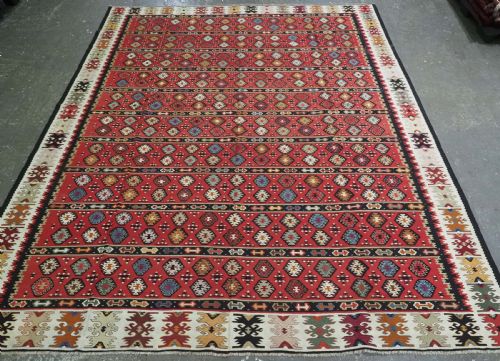
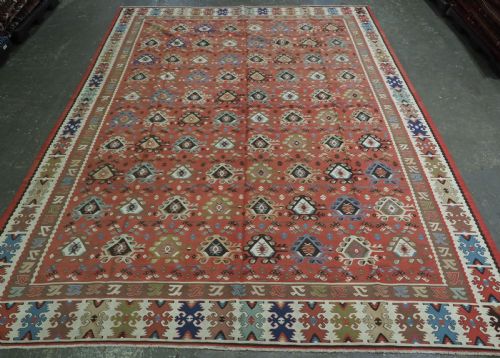
Most examples found here take the form of kilim rugs and area rugs, spanning periods from the eighteen sixties up through nineteen thirty. Specific regional styles include Sarkoy, Pirot, Monastir, and Thracian types.
Buyers encounter flatweaves featuring classic, banded, lattice, flowering tree, and repeat medallion motifs. These floor coverings bring historical character and warmth to domestic interiors.
How they were made
Traditional balkan rug pieces utilise wool materials woven into flat structures without pile. Artisans constructed these textiles using traditional hand-weaving techniques passed down through generations.
Dyes produced soft reds, pastel tones, and warm neutral colours that define the aesthetic of these regional flatweaves. The combination of durable wool and flatweave construction resulted in resilient floor coverings.
Listings feature wool flatweaves spanning periods from eighteen sixty to nineteen thirty, including Sarkoy, Pirot, Monastir, and Thracian styles.
What varies in quality
Quality in a traditional balkan rug rests upon the clarity of the design and the richness of the palette. Pieces displaying scarce lattice or flowering tree motifs stand apart from standard repeat patterns.
The sophistication of the colour scheme, whether soft pastel hues or deep warm tones, dictates the visual impact of the weave. Finer execution in regional kilims elevates individual examples above ordinary output.
The Traditional Balkan Rug Glossary
- Kilim
- A flatwoven carpet or rug produced in countries of the former Ottoman Empire, the Balkans, and Central Asia. These textiles do not feature a pile.
- Sarkoy
- A specific weaving centre associated with quality kilims featuring traditional geometric and floral designs. These pieces often display characteristic regional colour palettes.
- Pirot
- A town renowned for its distinct vertical loom flatweaves featuring intricate geometric borders and motifs. Pirot kilims share stylistic traits with Sarkoy examples.
- Prayer rug
- A small textile featuring a mihrab or arch design historically used for individual daily prayers. Monastir examples represent this specific devotional form.
- Flatweave
- A textile created by interweaving warp and weft threads without knotting yarn to form a pile. This technique creates a lightweight, durable floor covering.
Traditional Balkan Rug: Frequently Asked Questions
What is a traditional balkan rug?
A traditional balkan rug is a flatwoven textile originating from the Balkan region during the nineteenth and early twentieth centuries. These woven pieces showcase distinctive folk art patterns and regional motifs.
They encompass kilims and area rugs created using wool materials and traditional hand-weaving methods. Collectors value them for their historical design heritage and soft colour palettes.
How old are these rugs?
The pieces available date from the mid-nineteenth century up to the early twentieth century. Specific manufacturing dates span the eighteen sixties to nineteen thirty.
Most examples originate from the decades around nineteen hundred. Older specimens reflect nineteenth-century tribal and Ottoman Balkan weaving traditions.
Where were these rugs made?
These textiles were produced across the Balkan Peninsula within various weaving communities and towns. Specific origins include Sarkoy, Pirot, Monastir, and Thrace.
Each location developed distinct design vocabularies and colour preferences. Artisans incorporated local folk motifs into the wool flatweaves.
How do I clean a flatweave rug?
Flatweave wool textiles require gentle care to preserve the natural fibres and historic dyes. Regular light vacuuming without a rotating brush helps remove embedded dust.
Professional specialist cleaning is recommended for deeper maintenance. Avoid excessive moisture and harsh chemical treatments.
What designs appear on these rugs?
Designs include classic geometric patterns, flowering trees, banded layouts, and repeat medallions. Some pieces feature scarce lattice structures or all-over traditional motifs.
Folk art influences shape the visual arrangement of borders and central fields. Colour schemes range from soft reds and pastels to warm neutral tones.