

Traditional Ash Windsor Chair
A traditional ash windsor chair brings tactile country craftsmanship and durable timber construction directly into a modern interior.
Traditional Ash Windsor Chair
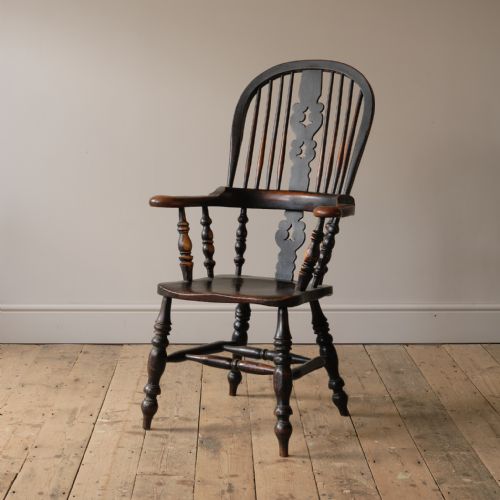
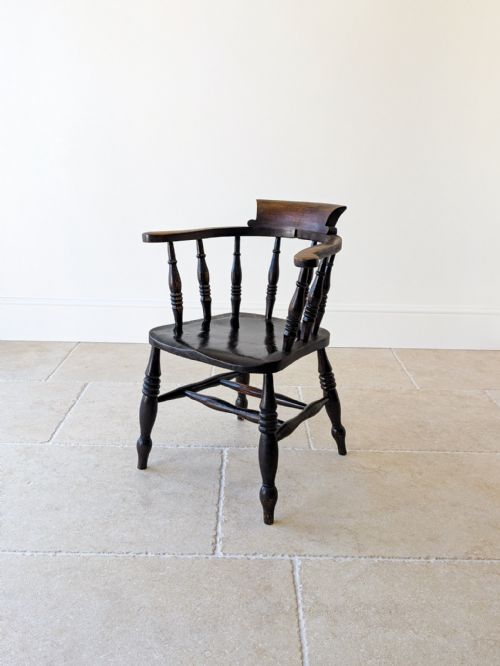
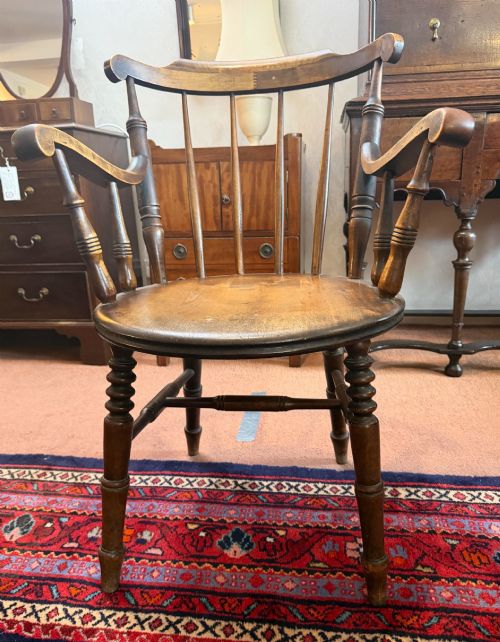
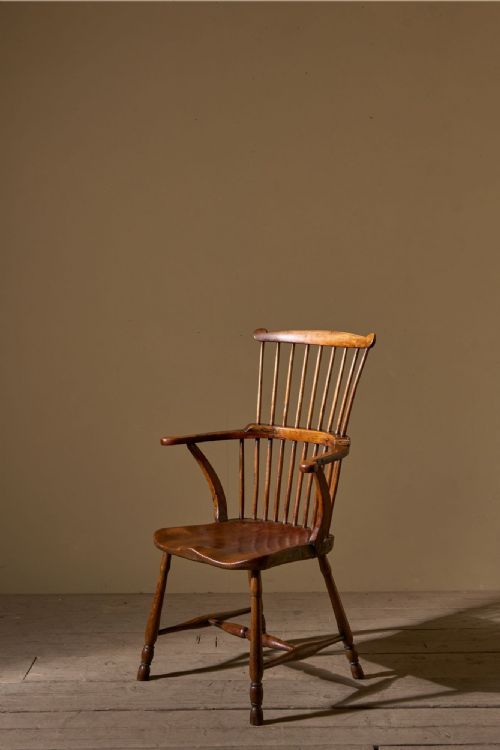
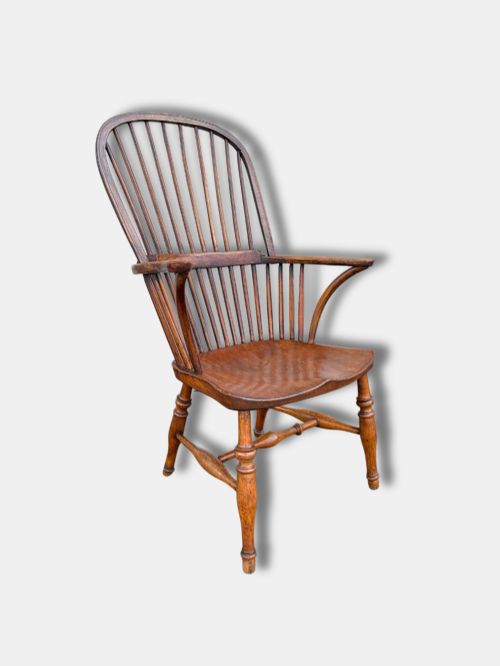
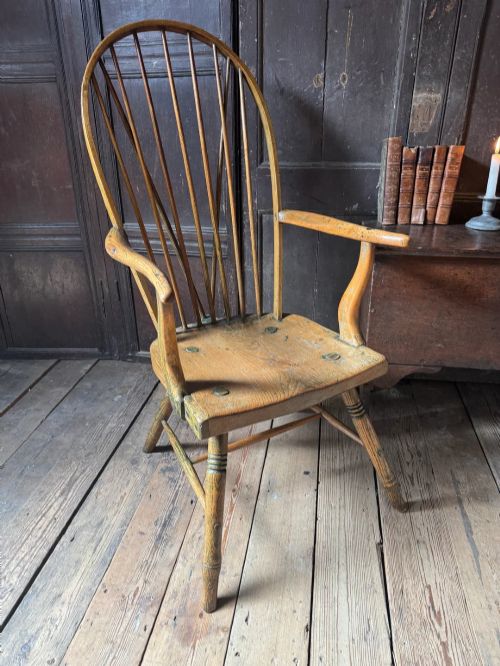
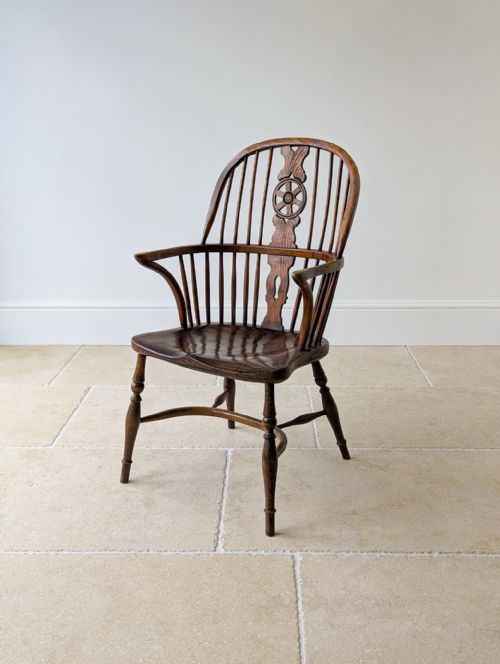
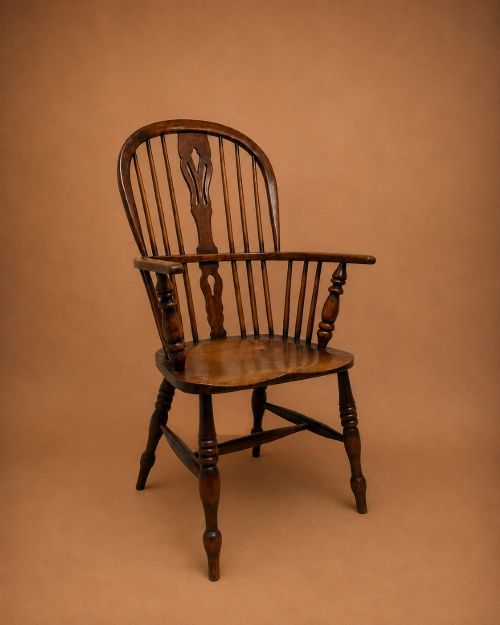
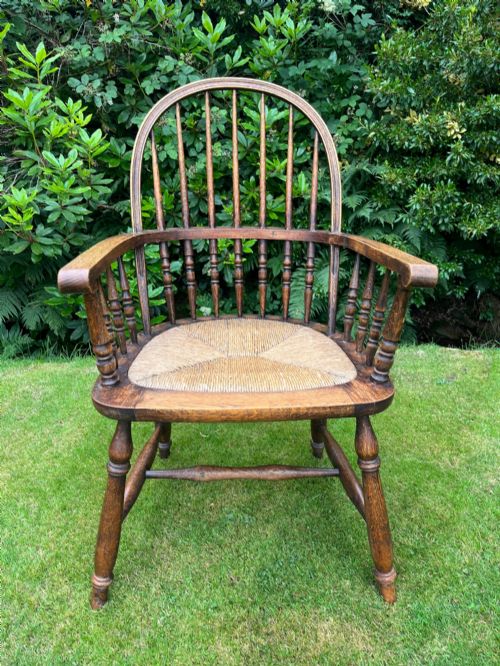
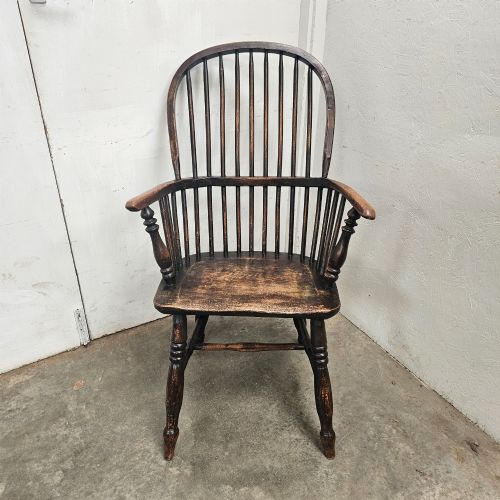
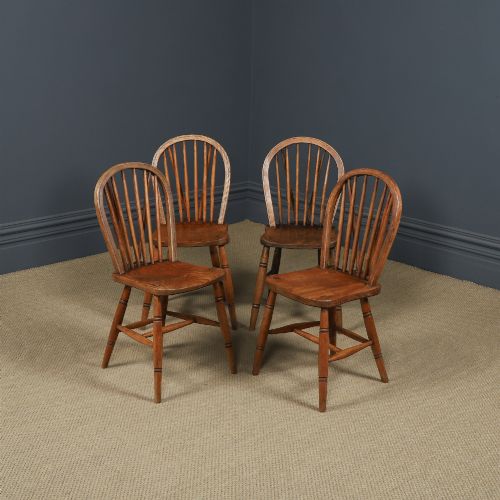
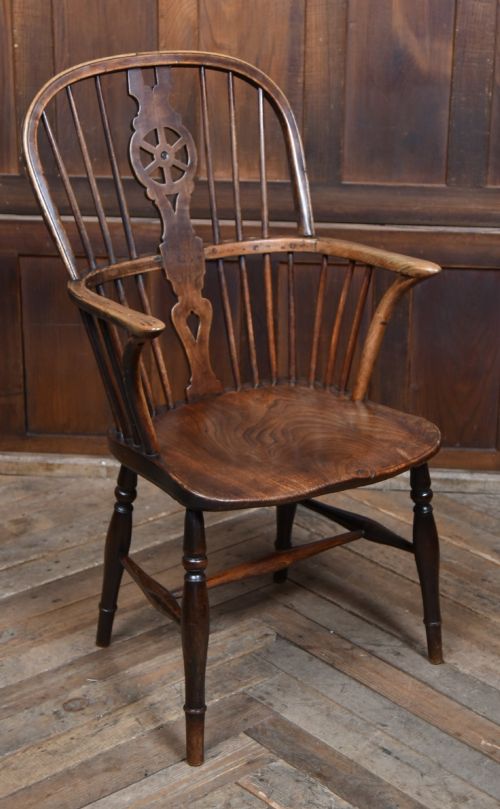
A traditional ash windsor chair is a classic seating form defined by its wooden saddle seat and spindle back construction. These pieces span centuries of regional design, appearing in formats ranging from low-back kitchen chairs to towering comb-back armchairs.
Buyers encountering this search phrase frequently discover examples forged in English country workshops during the Georgian and Victorian periods. The inventory reflects robust utilitarian forms such as captain's chairs, smokers' bows, and high hoop-backs.
Regional variations emerge clearly across the selection, particularly in West Country models and Thames Valley sets. These chairs served functional roles in farmhouses, kitchens, and studies before evolving into cherished collector's items.
How They Were Made
Maker-craftsmen built these chairs using a combination of turned spindles and steam-bent wood secured into a solid timber seat. Ash provided the resilient framework and legs, while elm was frequently selected for its interlocking grain to carve comfortable, dished saddle seats.
Additional woods such as beech, yew, oak, and alder supplemented the primary structure for spindles, arms, and hoops. Traditional joinery relied on wedge-tenoning, where legs and back uprights pass directly through the seat plank and lock firmly into place.
Some provincial carvers retain the ghost of old green paint beneath centuries of wax.
What Varies in Quality
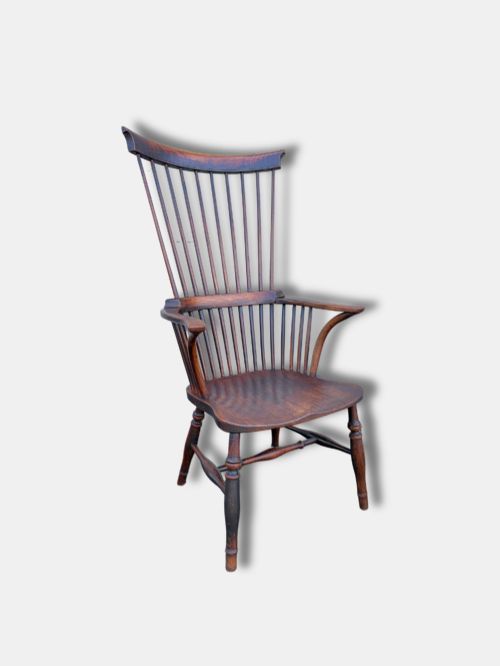
Quality in these chairs rests upon the integrity of the original timber and the grace of the spindle turnings. Early 18th-century comb-backs exhibit refined proportions and complex crest rails, whereas later provincial pieces often display heavier, more utilitarian scantlings.
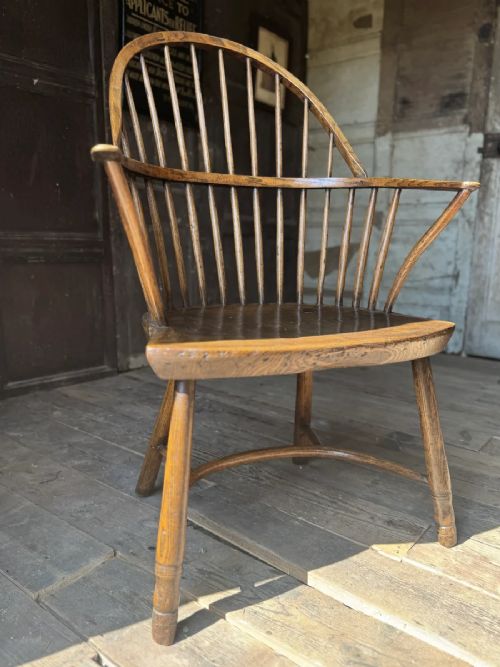
The depth and shaping of the elm saddle seat dictate the comfort and tactile success of the piece. Subtle details such as crinoline stretchers, well-sculpted arm terminals, and uniform wear elevate a standard domestic chair to a superior example of vernacular design.
The Traditional Ash Windsor Chair Glossary
- Comb-back
- A Windsor chair variation where the central spindles extend upward to support a horizontal headrest resembling a traditional hair comb. This high-back format provides distinct ergonomic support.
- Crinoline stretcher
- An arched, hooped wooden brace connecting the legs beneath a chair to increase structural stability. It takes its name from the shape of mid-19th-century hoop skirts.
- Hoop-back
- A continuous steam-bent wooden bow forming the arms and back of a Windsor chair. This technique distributes weight evenly and offers robust support.
- Saddle seat
- A thick plank of timber, typically elm, carved into a concave shape to mimic the contours of a saddle. It ensures ergonomic comfort during extended seating.
- Stick-back
- A chair design featuring multiple plain vertical wooden spindles pegged directly into the seat and top rail. It represents a simpler, robust iteration of the Windsor tradition.
Traditional Ash Windsor Chair: Frequently Asked Questions
How do I date an ash windsor chair?
Dating relies on observing construction traits, wood selection, and tool marks left by the maker. Earlier 18th-century examples often feature comb backs and refined turnings, while Victorian versions incorporate heavier steam-bent components.
Examining the underside of the saddle seat reveals the method of wedging and the ageing of the timber. Regional styles also help narrow down the decade of production.
Were these chairs used at dining tables?
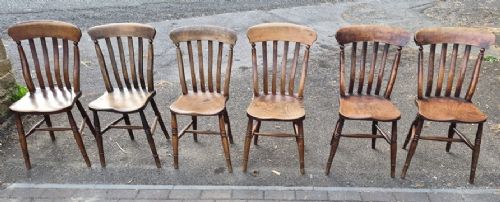
Many of these chairs served as everyday seating in country kitchens, farmhouses, and dining spaces. Sets of matched or harlequin stick-back chairs were standard around large family tables.
Armchairs functioned as primary seats for the head of the household, while lower side chairs accommodated other diners and kitchen tasks.
How should I care for an antique wood chair?
Maintain the timber by keeping the chair away from direct heat sources and sudden humidity shifts. Regular dusting with a soft, dry cloth preserves the dry, historic finish.
Applying occasional natural wax feeds the dry ash and elm without building up synthetic residues. Avoid modern silicone polishes which can penetrate open-grain woods.
What is a Thames Valley windsor chair?
Thames Valley chairs are regional English items known for refined timbers and meticulous craftsmanship. They frequently utilise yew or elm alongside ash, displaying elegant cabriole or crinoline stretchers.
Maker workshops along the river corridor produced distinctive forms that command attention for their sculptural arm scrolls and deep saddles.