

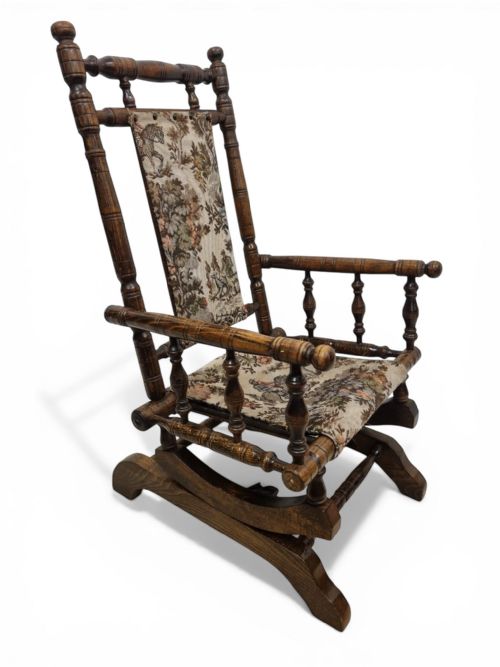


Victorian Nursery Armchair
A victorian nursery armchair is a small seat made for children, offering sturdy timber construction and traditional regional craftsmanship that collectors value for domestic history.
Victorian Nursery Armchair
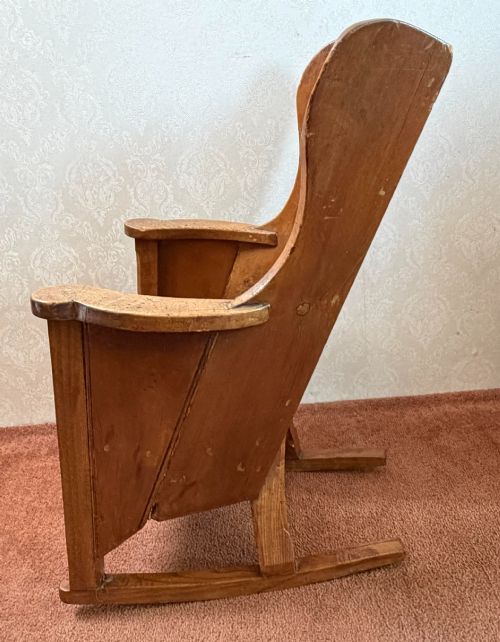
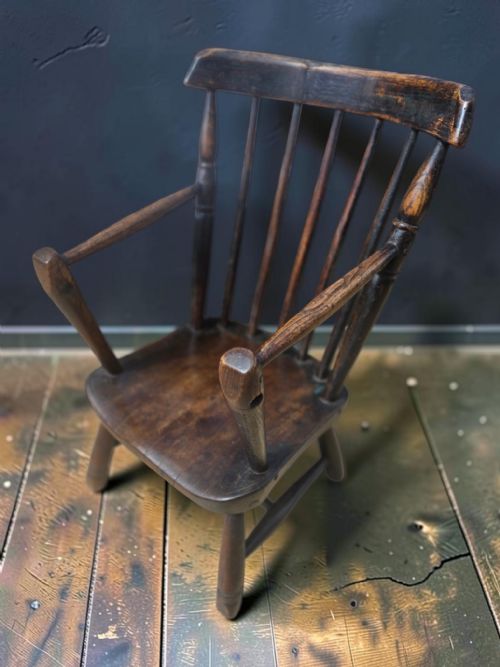
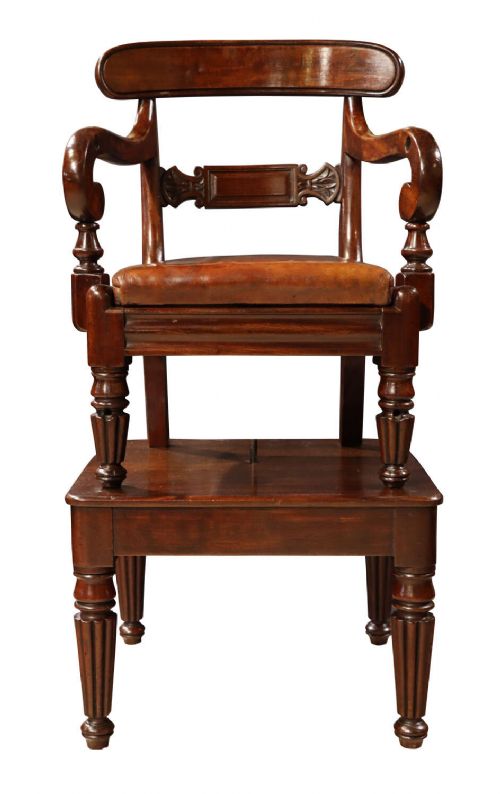
A victorian nursery armchair is a scaled-down seat intended for a child, appearing in various forms across the nineteenth century. These pieces include Windsor frameworks, rocking chairs, commode seats, and high chairs designed for domestic use.
The selections span different regional vernacular styles and transitional periods, incorporating earlier Georgian influences as well as later Edwardian examples. Woods like elm, ash, and yew predominate, reflecting the practical choices of nineteenth-century makers.
Most items on this page are low-slung armchairs or rockers intended for daily use in a nursery or parlour. Their diminutive scale mirrors adult furniture of the same eras, adapted specifically for young occupants.
How they were made
Carpenters and vernacular makers utilised native hardwoods such as elm, ash, beech, and oak for frames, spindles, and legs. Windsor models employ turned uprights and bentwood hoops, often combining ash bows with elm seats.
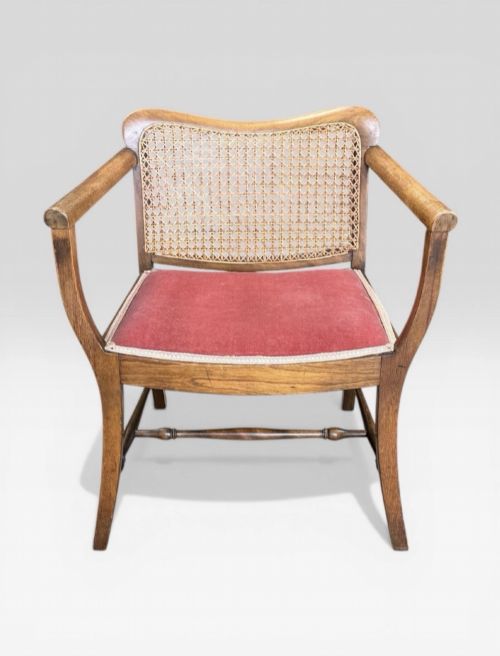
Joinery relied on traditional techniques like wedged tenons, bodging, and steam bending to shape solid wood components. Selected examples incorporate woven cane panels, leather, tapestry upholstery, or ebonised and painted finishes.
Several small rocking chairs appear paired with doll-sized proportions, blurring the line between children's seating and parlour display items.
What varies in quality
The standard of a victorian nursery armchair depends on the selection of timber, the crispness of the turnings, and the integrity of the original construction. Regional vernacular pieces show varying degrees of refinement in their spindle shaping and joint tightness.
Proportion and balance dictate the aesthetic appeal of these small chairs. Examples retaining original surfaces, undisturbed patina, and authentic upholstery or cane work command greater interest from collectors.
James Shoolbred
The Victorian Nursery Armchair Glossary
- Windsor chair
- A wooden chair constructed with a solid sculpted seat into which the legs and back spindles are direct-inserted. This method provides robust structural integrity without heavy framing.
- Bergere
- An enclosed armchair featuring cane work panels set into the back and sides. The technique lightens the visual weight of the timber frame.
- Vernacular
- Domestic or regional furniture built by local craftsmen using traditional methods and native materials. These pieces prioritize utility and local style over academic design.
- Metamorphic
- Furniture designed to transform into another functional object, such as a high chair converting into a low rocking chair. This versatility was practical for growing children.
Victorian Nursery Armchair: Frequently Asked Questions
What is a nursery armchair?
A nursery armchair is a downsized seat produced during the nineteenth and early twentieth centuries for children to use in domestic spaces. These pieces take various forms including rocking chairs, Windsor chairs, and high chairs.
Craftsmen built them using the same timbers and construction methods as adult furniture, scaling dimensions down to suit a child. They served practical roles in nurseries and parlours.
How do I identify periods?
Identifying the period involves examining the timber species, joinery methods, and stylistic cues present in the frame. Earlier nineteenth-century examples often display regional vernacular turning and solid elm or ash construction.
Later Victorian and Edwardian pieces may feature ebonised finishes, bentwood construction, or upholstery styles specific to those decades. Comparing the turned components to known regional patterns helps narrow the date.
Were these chairs used daily?
These small chairs were built for active daily service in homes, nurseries, and schoolrooms. Their solid construction in woods like oak, beech, and elm allowed them to withstand heavy childhood use.
Signs of wear on the footrests and seats often indicate genuine period utilisation by young children. This history of use contributes to the character of each surviving piece.
How should I clean cane seats?
Cane seating requires gentle cleaning with a damp sponge and mild soap to remove dust without saturating the natural fibres. Keeping the cane slightly hydrated prevents it from becoming brittle over time.
Avoid harsh chemical cleaners and excessive water when maintaining woven panels. Regular light dusting preserves the strength of the material.