

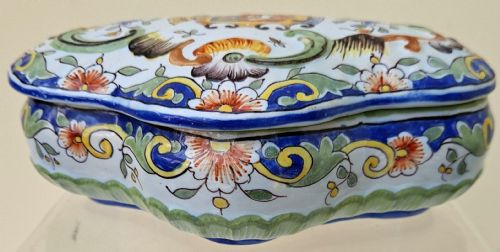
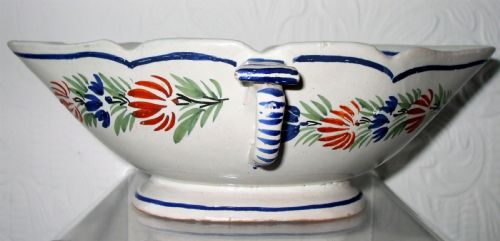
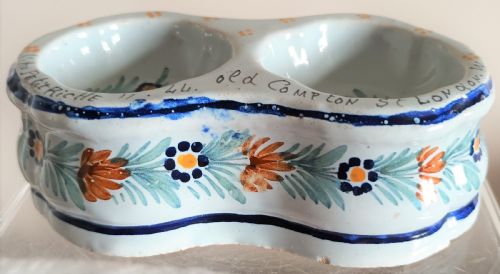
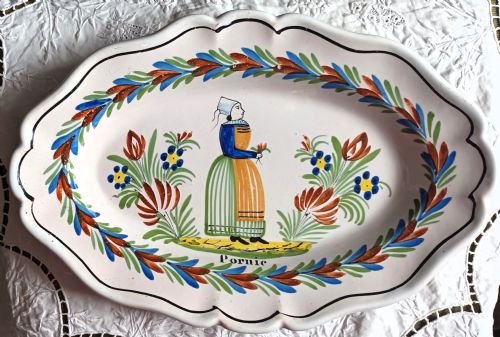
Tin Glazed Pottery Dish
A tin glazed pottery dish brings tactile weight and hand-painted pigment to a table, tracing centuries of ceramic tradition.
Tin Glazed Pottery Dish
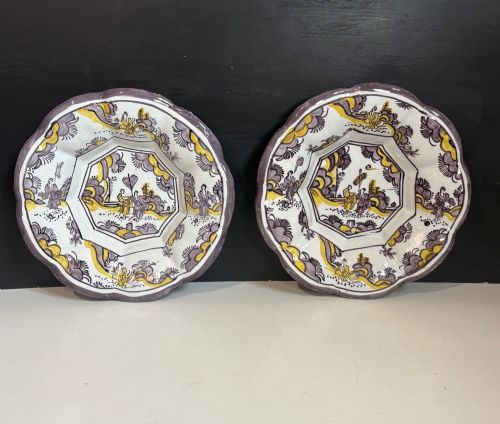
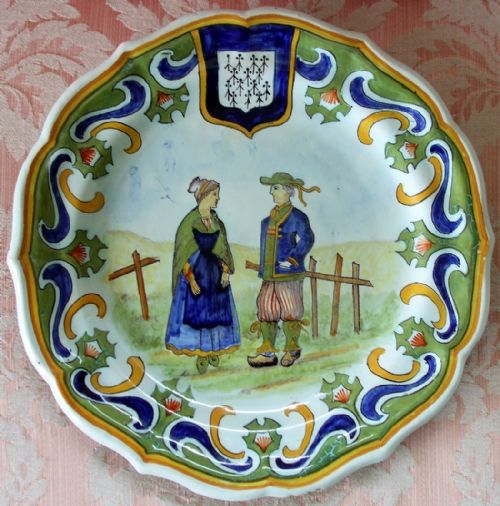
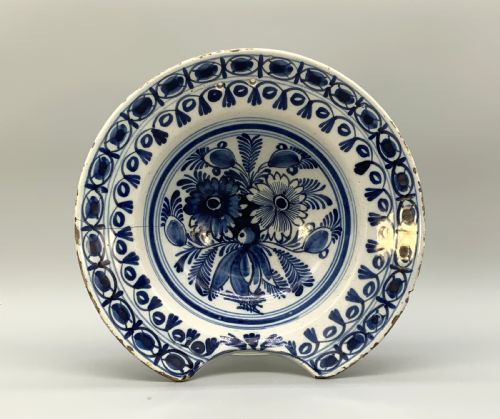
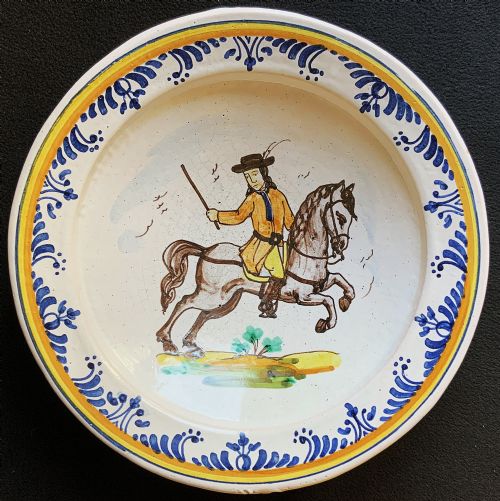
A tin glazed pottery dish encompasses chargers, shallow bowls, plates, and specialist vessels like barber's bowls and salt cellars. The inventory leans heavily toward English, Dutch, and French examples spanning the seventeenth through the nineteenth centuries.
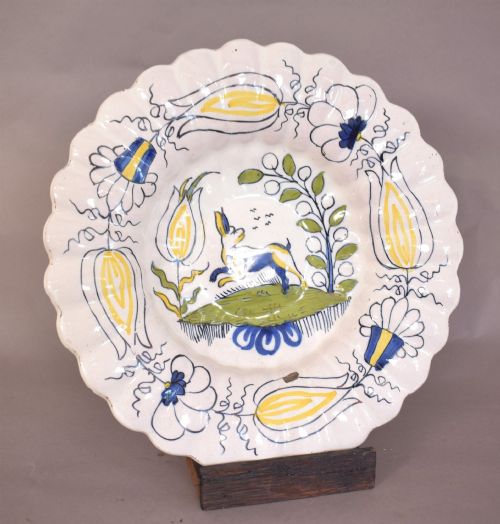
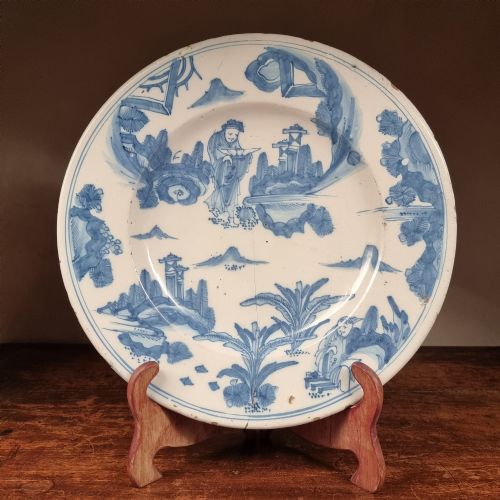
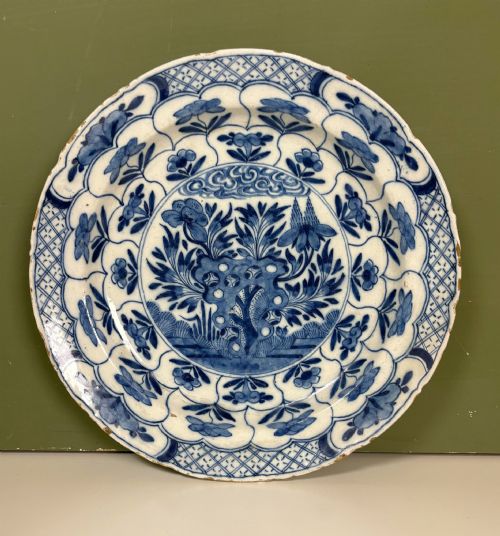
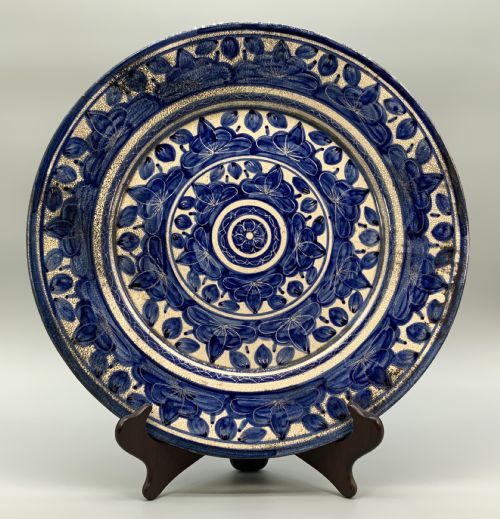
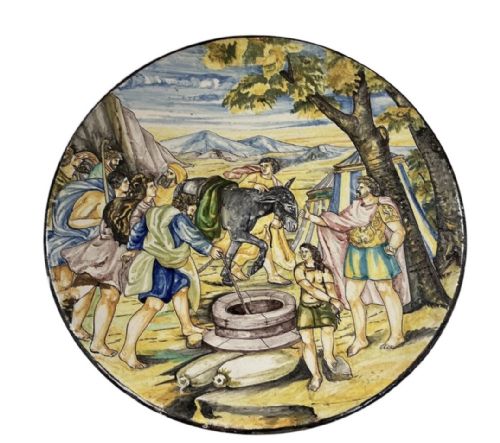
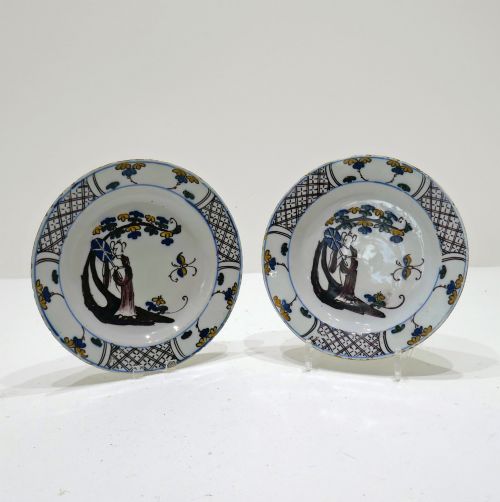
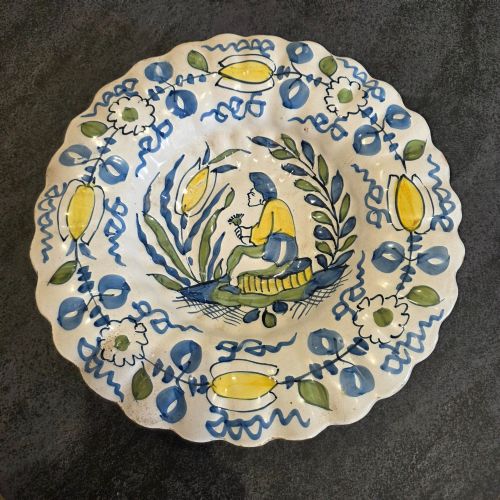
Buyers will encounter large chargers and domestic plates decorated in cobalt blue or polychrome palettes. These pieces range from restrained Dutch Delftware to elaborate French faience and Italian maiolica styles.
Materials and construction
These pieces are built from earthenware clay coated in an opaque tin glaze that provides a smooth, white canvas for decoration. Artisans applied cobalt oxide and other ceramic pigments directly onto the absorbent unfired glaze before the final firing.
The interaction between the metallic oxides and the tin glaze produces the characteristic soft bleeding of pigments at the edges of brushstrokes. This technique requires steady hand-painted precision across plates, chargers, and lobed dishes.
Judging the range
Quality rests in the crispness of the hand-painted brushwork and the stability of the tin glaze over the earthenware body. Superior examples display confident, expressive decoration rather than rigid or hesitant lines.
The ambition of the form also dictates distinction, separating simple domestic plates from expansive chargers and complex lobed or octagonal presentation dishes.
HB Quimper·Gien
The Tin Glazed Pottery Dish Glossary
- Tin Glaze
- An opaque white ceramic glaze containing tin oxide that creates a pale surface for painting. It forms the defining background for European delftware and faience.
- Charger
- A large decorative plate or dish intended for display or ceremonial use rather than standard dining. These pieces often measure over thirty centimetres across.
- Faience
- European tin-glazed earthenware, particularly associated with French, Spanish, and Italian workshops. The term encompasses a wide variety of decorated tablewares and decorative objects.
- Polychrome
- A style of decoration utilising multiple colours rather than a single pigment. In these wares, it typically combines blues, greens, yellows, and oranges.
- Kraak
- A style of Chinese export porcelain featuring panelled motifs that heavily influenced seventeenth-century European delftware painters.
Tin Glazed Pottery Dish: Frequently Asked Questions
How do I clean a tin glazed dish?
Clean these fragile earthenwares gently by hand using lukewarm water and mild soap, avoiding abrasive pads or soaking.
Dry them immediately with a soft cloth to protect the porous historic body and the delicate tin glaze surface.
Can I use these dishes for food?
Historic tin glazed pottery is generally unsuited for modern culinary use due to potential glaze degradation, historical repairs, and the porous nature of earthenware.
Display them safely on plate stands or wall mounts to preserve their painted surfaces.
What is the difference between delft and faience?
Delft specifically refers to tin-glazed earthenware produced in the Netherlands, particularly around Delft, famous for its blue and white designs.
Faience is the broader continental term used for similar tin-glazed ceramics made in France, Spain, and Italy.
How can I tell an eighteenth-century plate apart from a nineteenth-century one?
Eighteenth-century examples often display looser brushwork, tin glazes with characteristic pooling or edge fritting, and distinct earthenware body densities.
Nineteenth-century revival pieces tend to feature more uniform glazes and manufacturing techniques inspired by earlier styles.