
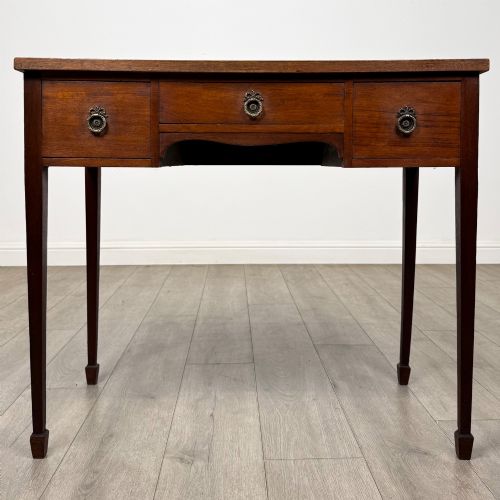
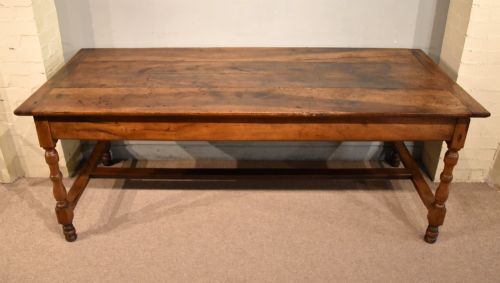
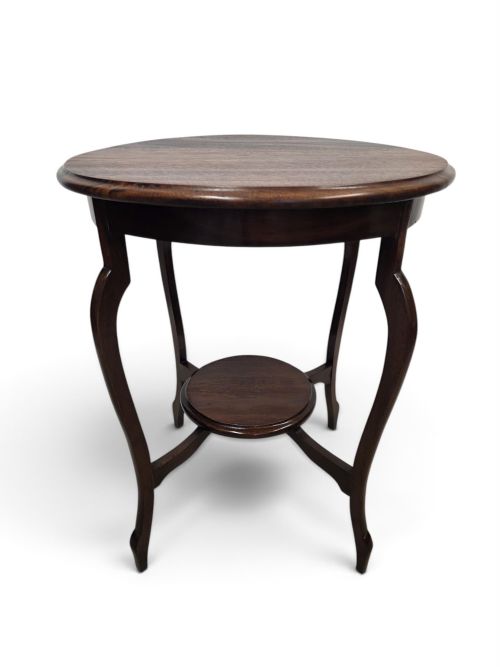
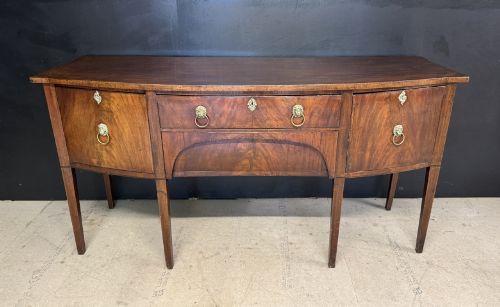
Timber X Leg Table
A timber x leg table brings sturdy architectural lines and enduring practicality to a room.
Timber X Leg Table
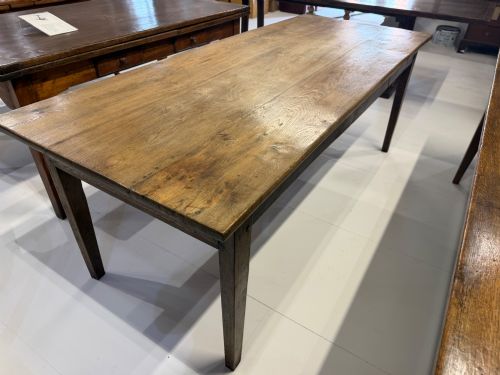
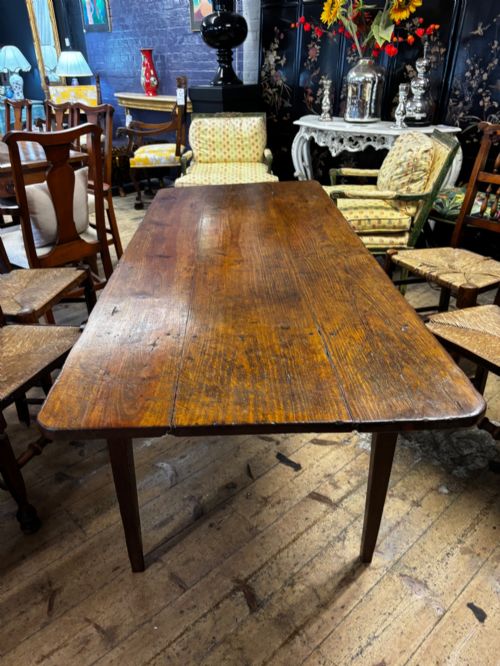
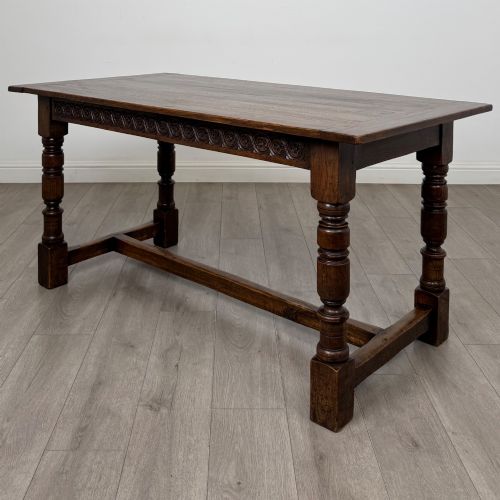
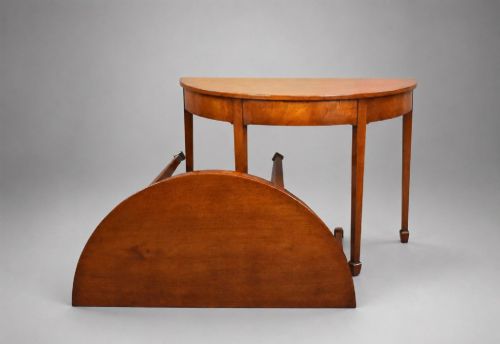
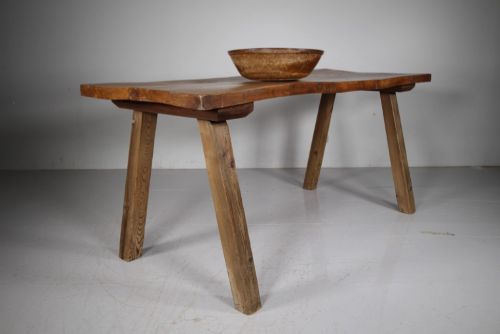
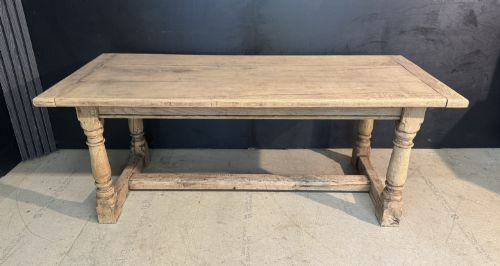
A timber x leg table gathers various forms ranging from rustic farmhouse dining boards to occasional tables, all united by crossed structural supports. When searching for a timber x leg table, buyers encounter examples spanning from the eighteenth century through the 1930s in styles such as Georgian, Regency, and French Provincial.
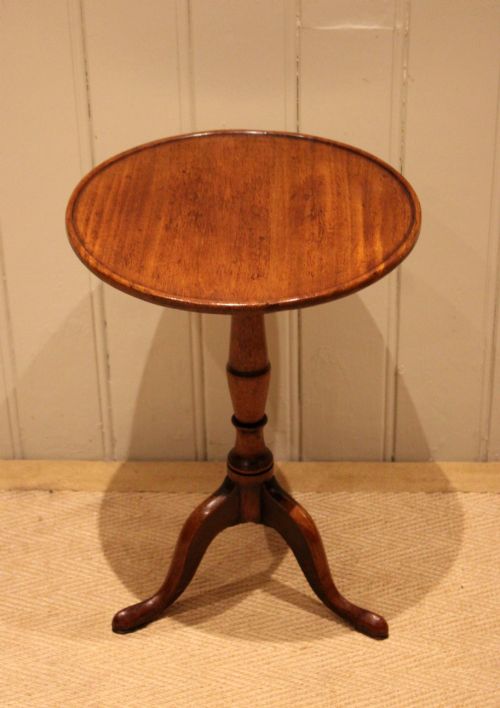
The materials recorded in these listings rely heavily on solid timbers including oak, mahogany, elm, fruitwood, and pine. Dining tables and console tables dominate the available forms, alongside smaller side tables and wine tables.
Construction and materials
Cabinetmakers and rural joiners constructed these tables using dense hardwoods like oak, mahogany, and elm, alongside softer fruitwoods and pine for provincial pieces. Joints were typically pegged or pinned by hand, creating rigid frames capable of withstanding heavy daily use.
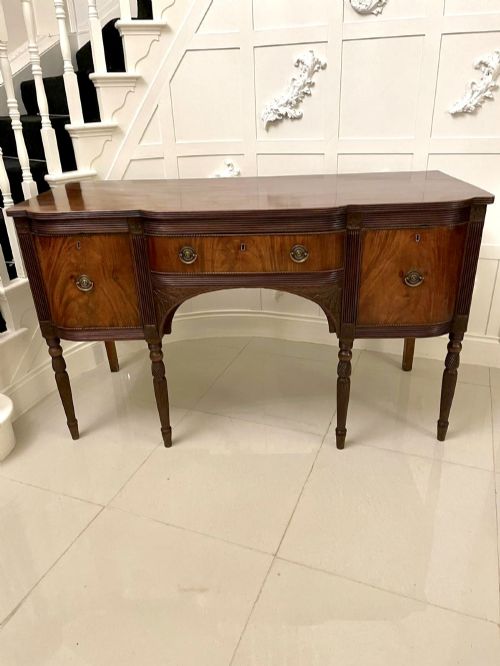
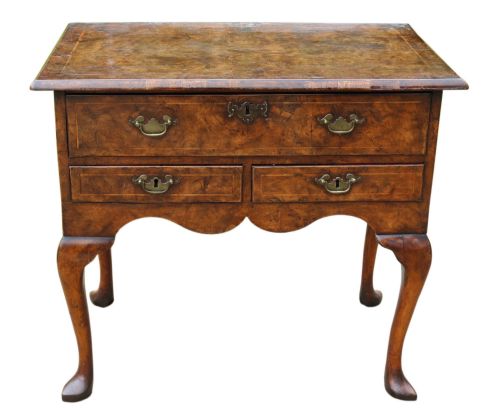
Surfaces range from plain scrubbed timber to polished mahogany veneers and brass hardware details. Provincial examples often show visible tool marks from primitive hand working, whereas formal Georgian and Regency pieces receive finer finishes.
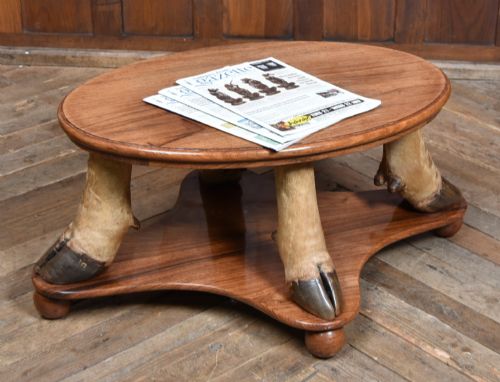
Several items include primitive French game blocks and cricket tables designed for rustic taverns.
Assessing quality
Quality rests upon the selection of timber and the integrity of the cross-frame construction. Superior pieces utilise thick, well-seasoned hardwoods with stable joints that prevent lateral movement.
Refined proportions and careful hand carving distinguish formal examples from utility items. The integration of the cross-leg support dictates how successfully the table balances visual weight with structural load.
Liberty of London
The Timber X Leg Table Glossary
- Elm
- A tough, interlocking hardwood often utilised for rustic tables and lowboys because it resists splitting under pressure. It displays a distinctive swirled grain pattern.
- Fruitwood
- A generic term for timbers gathered from fruit-bearing trees such as cherry or pear, prized by provincial makers for its warm tone and fine texture.
- Console table
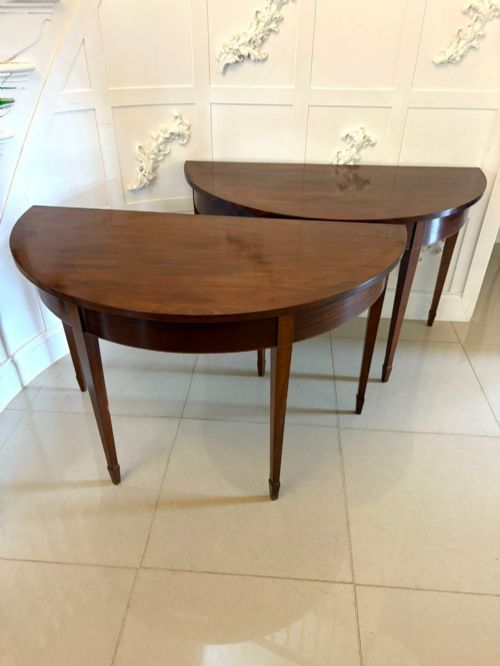
- A table designed to stand against a wall, frequently supported by brackets or legs that often incorporate architectural X-forms.
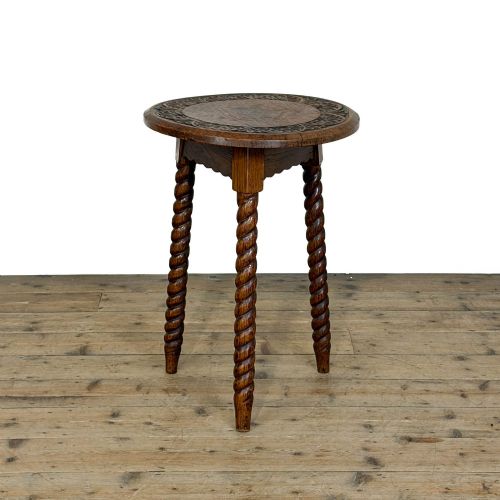
- Tripod cricket table
- A small three-legged occasional table with a round top, traditionally associated with domestic utility and sturdy vernacular design.
Timber X Leg Table: Frequently Asked Questions
How do I date an antique wooden table?
Dating relies on observing construction marks, timber choice, and stylistic cues present in the legs and top. Tool marks, joint types, and secondary woods offer clues regarding the era of manufacture.
Earlier pieces often display hand-sawn surfaces and pegged joints, while twentieth-century examples show more standardised machine production.
Where should I place a console table?
Console tables sit flush against walls in hallways, living rooms, or dining spaces where floor space is limited. Their shallow depth provides a surface for lamps or decorative objects without obstructing pathways.
Models with X-shaped legs offer visual interest beneath the surface while maintaining stability against the wall.
How do I care for antique timber furniture?
Antique timber benefits from consistent indoor humidity and protection from direct sunlight, which can dry out natural wood oils. Regular dusting with a soft dry cloth maintains the surface finish.
Applying occasional appropriate wax preserves the grain without building up heavy chemical residue over time.