




Dark Wood Tavern Table
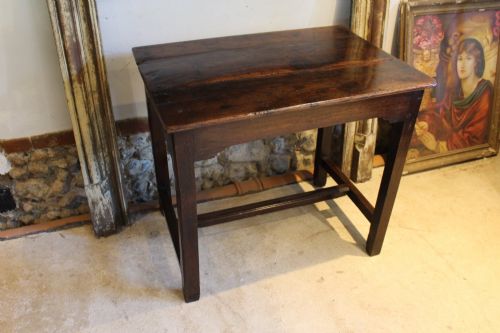
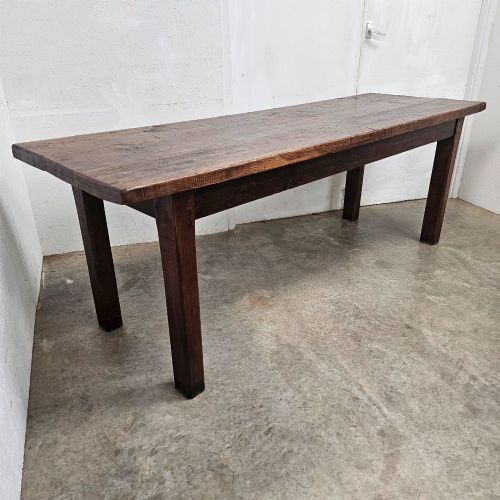
A dark wood tavern table brings rugged utility and centuries of patina into a room, offering sturdy surfaces built for daily communal use.
Dark Wood Tavern Table
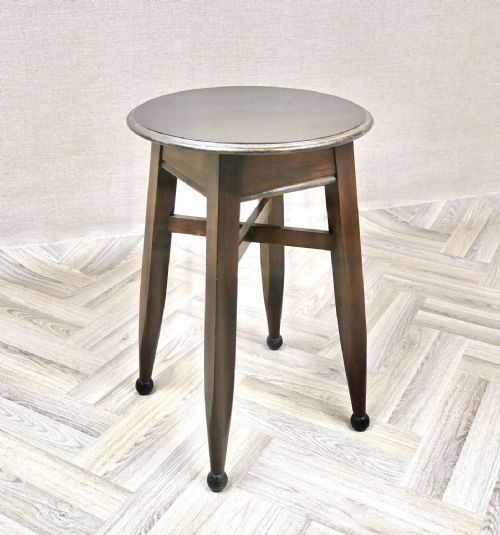
A dark wood tavern table provides a robust surface rooted in centuries of communal and domestic use. When searching for a dark wood tavern table, buyers encounter forms ranging from rustic country examples to formal Victorian centre pieces.
The inventory on this page spans dining tables, side tables, and pub tables originating from various periods including the 18th century, 19th century, and the Edwardian era. Oak remains the predominant wood, accompanied by pine, walnut, mahogany, and chestnut.
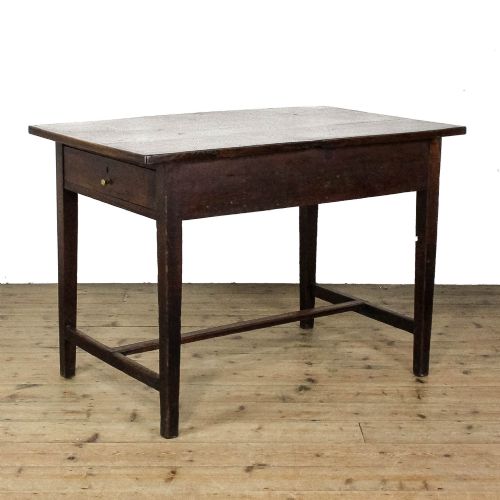
Construction styles vary from Welsh country pieces and rustic farmhouse designs to Arts and Crafts interpretations and Art Deco pub tables. These tables serve equally well as kitchen tables, coffee tables, or occasional tables in contemporary settings.
Materials and Construction
Makers utilised solid native timbers, chiefly oak, pine, and mahogany, selecting boards for thickness and durability to withstand heavy daily use. Plank tops are frequently paired with sturdy timber bases or cast iron supports, such as the Britannia pub tables recorded in the evidence.
Joinery methods rely on traditional pegged joints, thick timber tops, and structural stretcher bases designed to prevent movement in heavy use. Secondary elements incorporate wrought iron, brass, and bronze feet, as seen on stamped Crown Estate Victorian pieces.
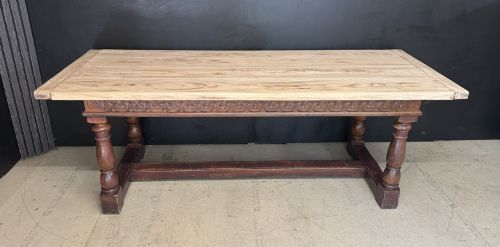
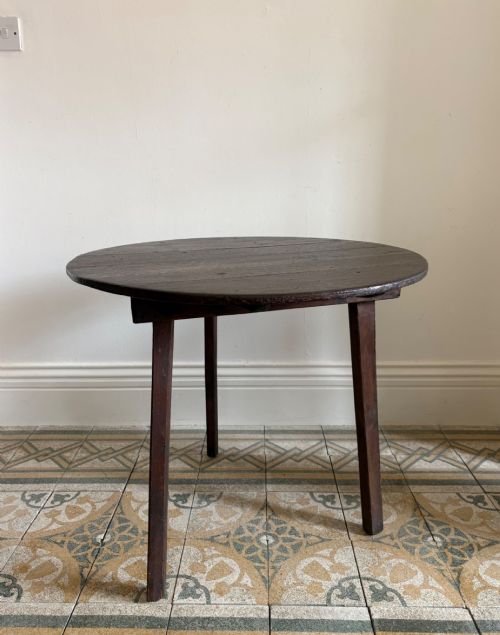
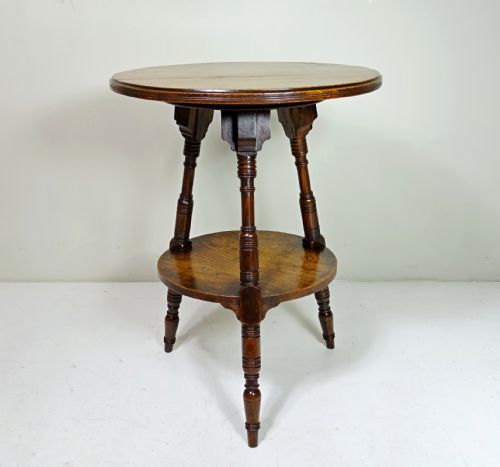
The inventory records cricket tables, refectory dining tables, and cast iron Britannia pub tables alongside standard side and kitchen tables.
Assessing Quality and Character
Quality in a dark wood tavern table rests upon the integrity of the timber, the depth of the natural finish, and the survival of original structural elements. Thick plank tops and untouched surfaces distinguish superior examples from heavily restored or altered pieces.
Proportion and the honesty of construction separate utilitarian workhorses from refined domestic variants. The integration of period hardware, such as brass or bronze feet and cast iron frames, adds notable character to the individual piece.
The Dark Wood Tavern Table Glossary
- Cricket table
- A small, lightweight occasional table typically featuring three legs and a circular top. These tables originate from domestic vernacular traditions.
- Refectory table
- An elongated dining table traditionally used in communal dining halls. Surviving examples often feature substantial timber tops and strong stretcher bases.
- Centre table
- A freestanding table designed to be viewed from all sides rather than pushed against a wall. These pieces frequently occupy the middle of a room.
- Plank top
- A tabletop constructed from several wide boards joined edge to edge. This method allows the use of mature timber boards.
- Stretcher base
- A system of horizontal wooden or metal bars connecting the legs of a table for structural stability. This design prevents the legs from wobbling under heavy loads.
Dark Wood Tavern Table: Frequently Asked Questions
How do I clean a dark wood tavern table?
Maintain the surface by dusting regularly with a soft, dry cloth and applying natural beeswax occasionally to nourish the timber. Avoid harsh chemical cleaners and excessive moisture to protect the historic finish.
Keep the table away from direct heat sources and direct sunlight to prevent the timber from drying out and splitting over time.
Can I use an antique tavern table for daily dining?
Most dark wood tavern tables were built for heavy communal use, making them naturally durable for daily dining and kitchen tasks. Their sturdy construction accommodates regular family gatherings without difficulty.
Use protective mats under hot dishes and liquids to preserve the aged timber and historic wax or oil finishes.
How do I date an oak tavern table?
Examine the construction methods, tool marks, and timber shrinkage patterns visible beneath the top and along the frame. Hand-cut joinery and period hardware offer primary clues to the century of manufacture.
Compare the style, such as rustic farmhouse or Jacobean period influences, with documented vernacular furniture from the same region and era.
What is the difference between a pub table and a dining table?
Pub tables generally feature compact footprints, round tops, or heavy cast iron bases designed to fit into smaller commercial or domestic social spaces. Dining tables provide larger rectangular surfaces intended for seated meals.
Both forms utilise robust timbers like oak and mahogany, but pub tables often prioritise space efficiency and heavy stable bases.