

Tilt Top Tripod Table
When you search for a tilt top tripod table, you are looking for a versatile piece of British furniture designed to pivot and tuck away when not in use.
Tilt Top Tripod Table
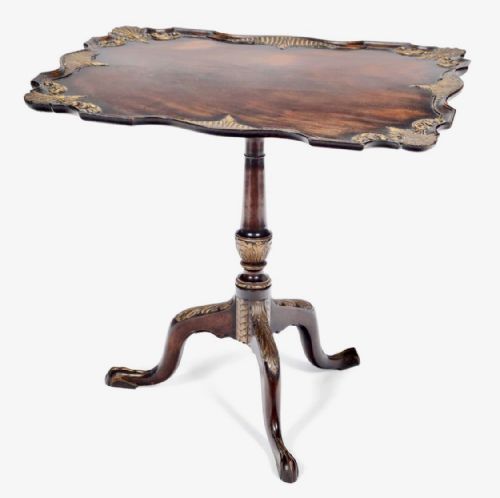
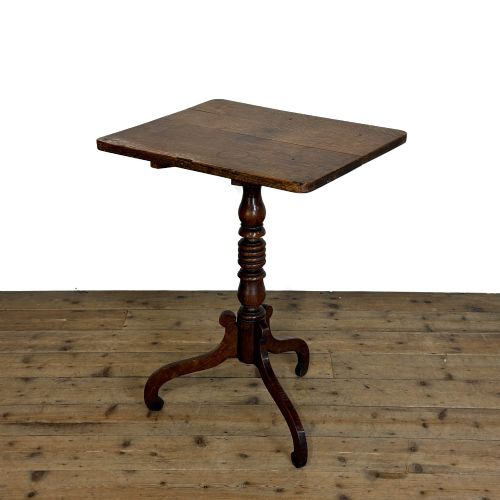
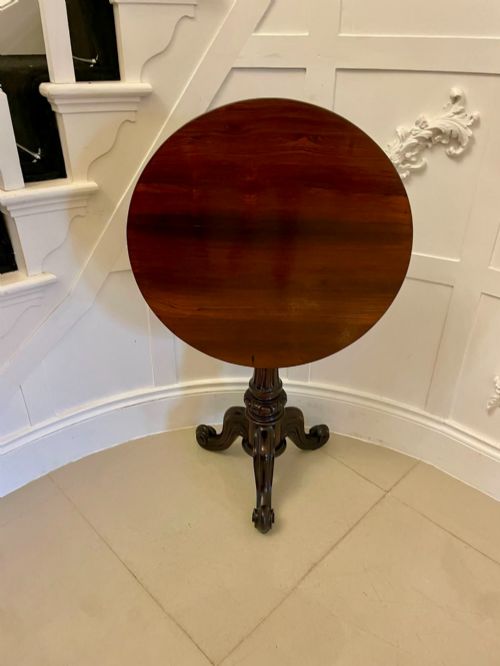
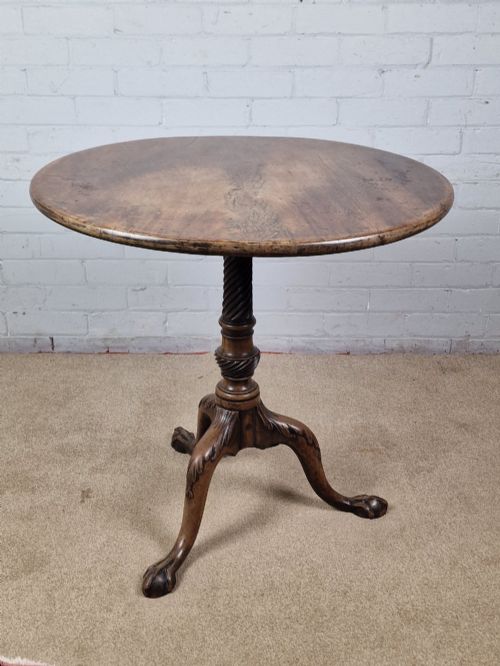
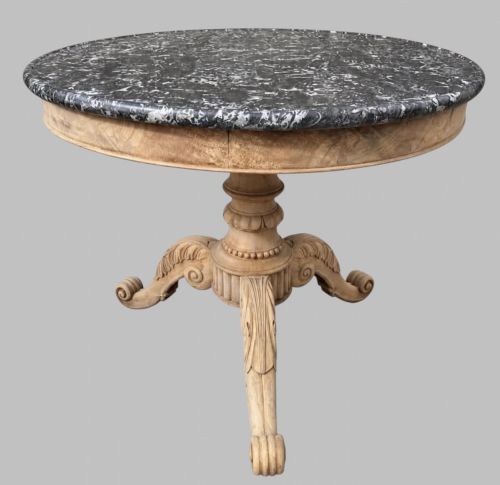
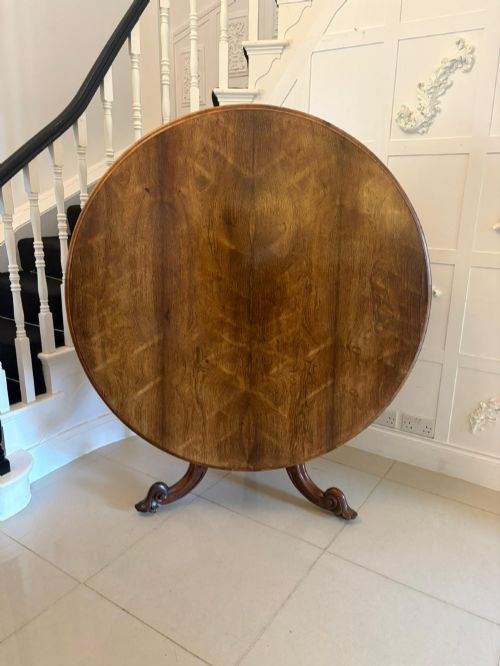
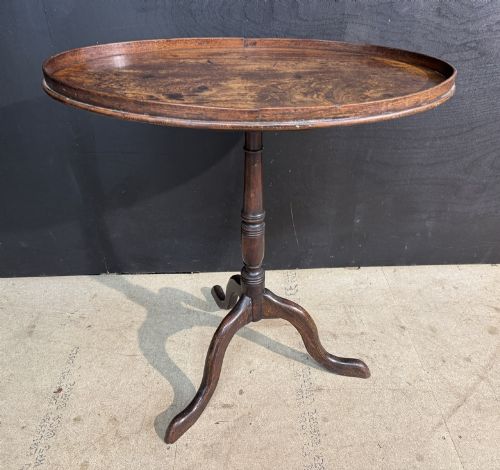
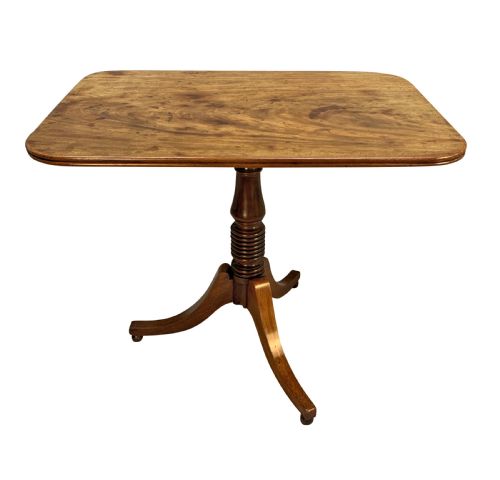
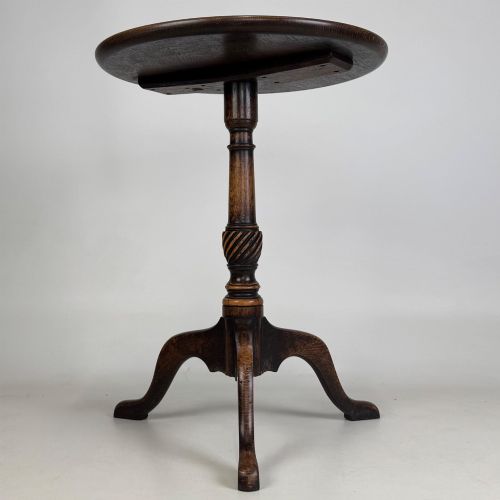
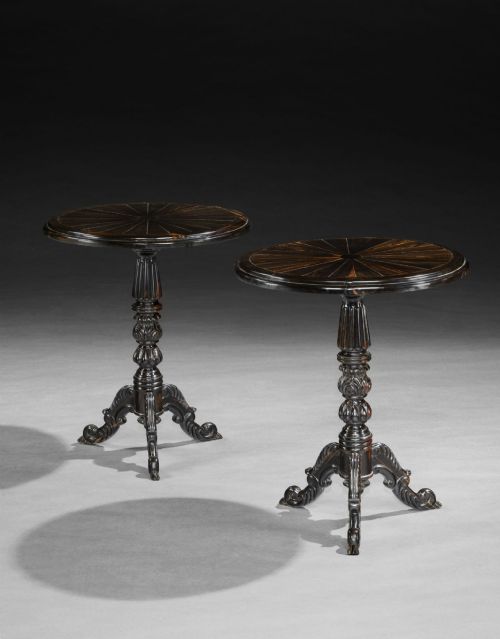
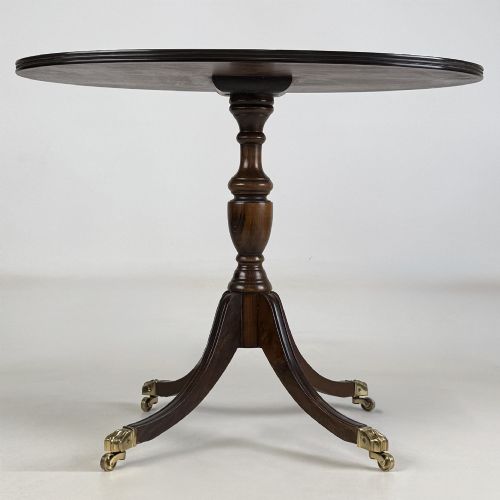
A tilt top tripod table combines a pivoting circular or oval surface with a three-legged pedestal base, designed for practical domestic use in dining rooms and parlours. You will frequently encounter Georgian and Victorian examples on this page, spanning both formal mahogany parlour pieces and sturdier country oak versions.
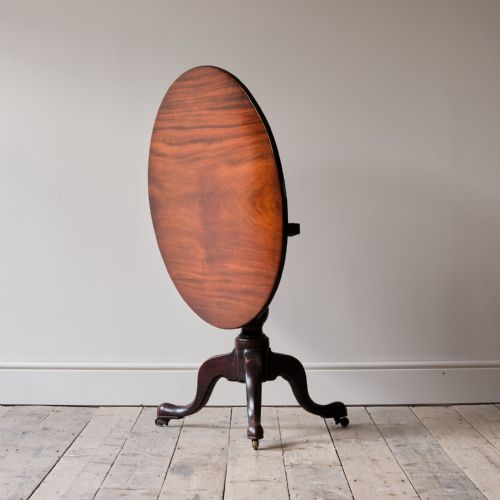
The form developed to save domestic space, allowing the top to tilt vertically against the pillar so the table could stand flat against a wall. These pieces function variously as wine tables, supper tables, and occasional furniture, reflecting the diverse domestic needs of the eighteenth and nineteenth centuries.
Materials and construction methods
Cabinetmakers predominantly utilised mahogany, oak, and walnut, selecting dense timbers that could withstand the structural demands of a central pillar and three splayed legs. Regional variations also introduce fruitwood, rosewood, and exotic woods like ebony and teak.
Joinery relies on solid timber construction, turning lathes for the central columns, and specialised hardware such as birdcage mechanisms or brass catches to enable the pivoting top to lock securely into place.
Tilt Top Tripod Table Retail Price Guide 2026
Typical asking prices for tilt top tripod table among the pieces listed under this phrase on Sellingantiques today, from the lower quarter to the upper quarter. They describe what is for sale here now, not the wider market.
Listings feature woods spanning native oak and walnut alongside imported mahogany, rosewood, and exotic teak.
Assessing quality and craftsmanship
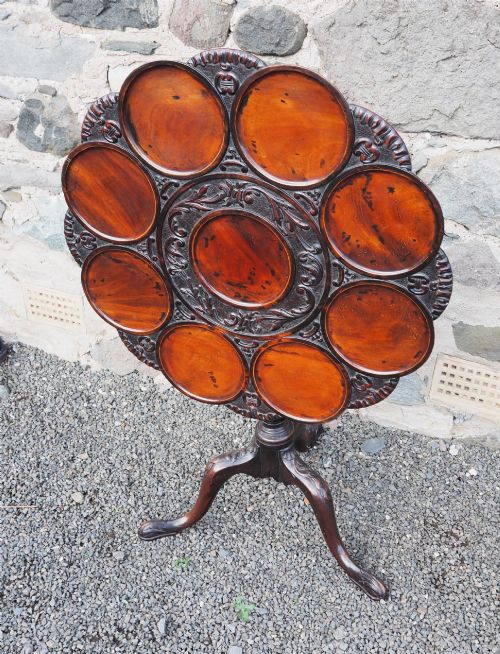
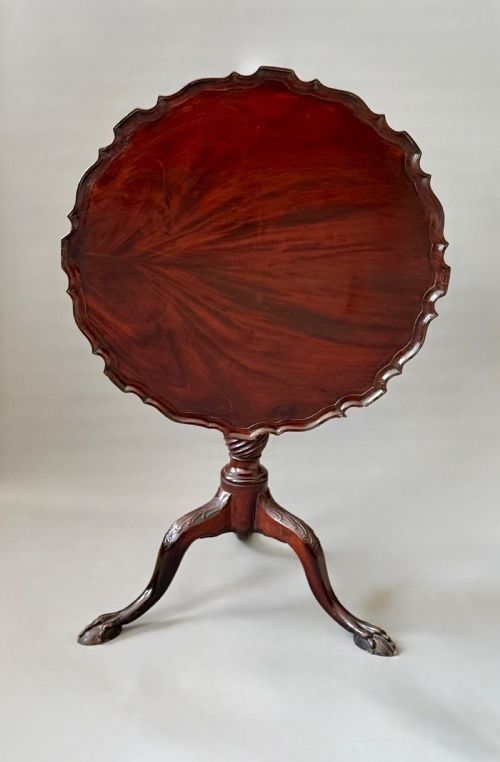
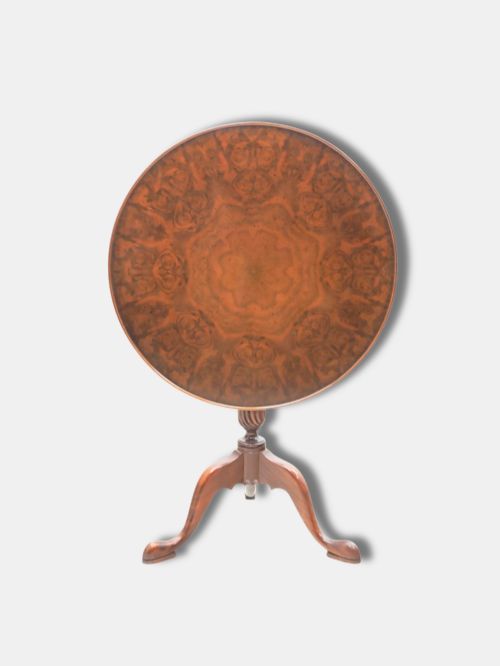
Quality rests upon the proportion and stability of the tripod base, where slender, gracefully curved legs terminating in pad, claw-and-ball, or spade feet offer superior visual balance. Finely carved details on the knees, pillars, or borders distinguish high-status examples from simpler utilitarian forms.
The integrity of the pivoting mechanism dictates mechanical success, with sophisticated birdcage configurations allowing both rotation and tilting without wobble. Timber selection also defines the tier, where figured mahogany or rich burr oak displays deeper grain movement.
Gillow
The Tilt Top Tripod Table Glossary
- Tilt-top
- A tabletop hinged to the pedestal pillar so it can be rotated into a vertical position for storage. This clever mechanism allows the furniture to save valuable floor space when not in active service.
- Tripod base
- A support structure consisting of three spreading legs radiating from a central turned column. This configuration ensures the table stays firm on uneven floors.
- Birdcage
- A timber framework beneath the tabletop that permits the surface both to tilt and to revolve independently. It represents a more complex and desirable engineering solution than a simple pivot hinge.
- Pie crust edge
- A raised, carved moulding around the perimeter of the tabletop resembling pastry work. This decorative flourish appears on finer Georgian examples.
- Snap top
- A spring-loaded catch mechanism that secures the tilting tabletop in its horizontal position. It prevents the surface from tipping unexpectedly during use.
Tilt Top Tripod Table: Frequently Asked Questions
What is a tilt top tripod table used for?
These pieces served multiple domestic functions, operating primarily as moveable wine tables, tea tables, or supper tables in formal reception rooms. Their agile design meant they could be brought out for evening entertainment and cleared away afterward.
Today, they function well as lamp tables or decorative surfaces in sitting rooms, retaining their original ability to tuck neatly against a wall when floor space is needed.
How do I operate the tilt mechanism?
Most examples use either a simple brass catch beneath the top or a revolving birdcage mechanism with wooden wedges. Releasing this catch allows the circular surface to pivot upward on its horizontal axis.
When returning the table to a flat position, ensure the catch engages fully to lock the surface securely in place before placing any heavy objects upon it.
How can I tell an 18th century table from a 19th century one?
Eighteenth-century examples, particularly from the Georgian period, often feature rich mahogany with finely carved cabriole legs, pad feet, or birdcage actions. The timber frequently exhibits a deep, faded patina developed over centuries of polish.
Nineteenth-century Victorian and Regency pieces tend to show heavier turned pedestals, occasional rosewood or walnut veneers, and sometimes simpler snap-top hardware without the earlier birdcage complexity.