


Tiled Top Side Table
These tiled top side table pieces combine sturdy timber frames with decorative ceramic surfaces, offering a practical yet artistic addition to any room.
Tiled Top Side Table
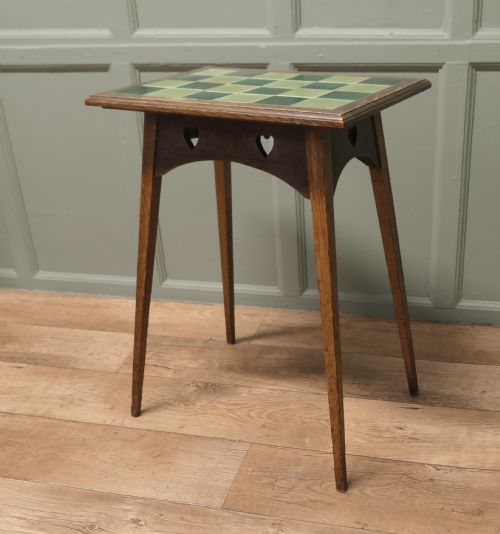
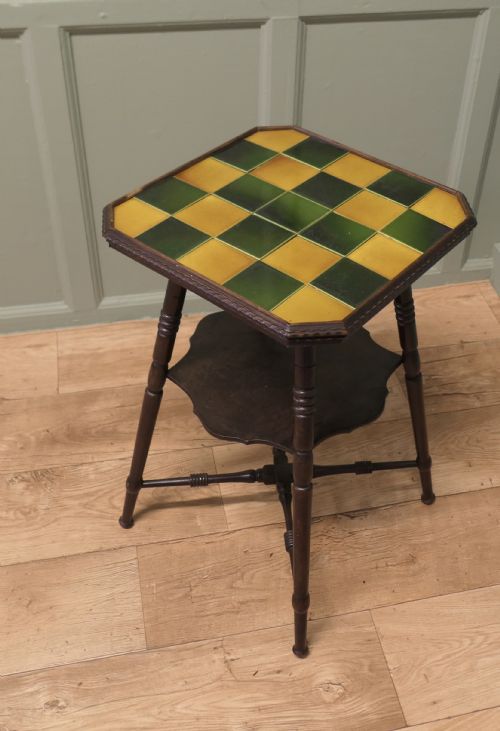
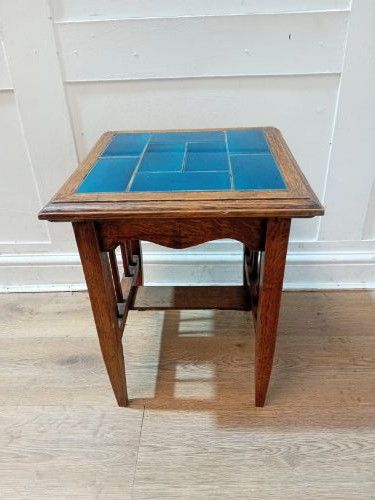
A tiled top side table brings together a functional wooden frame and a heat-resistant ceramic surface, frequently emerging from the late nineteenth and early twentieth centuries. These sturdy items serve as occasional tables, plant stands, or bedside cabinets within domestic interiors.
The selections available here showcase distinct periods such as the Edwardian era, Victorian times, and the broader nineteenth century. Common timber structures in oak, mahogany, and painted pine support intricate decorative tiles and occasionally marble tops.
Design movements strongly influence these furnishings, with Arts and Crafts, Art Nouveau, and Aesthetic Movement aesthetics appearing across the titles. Makers and workshops of the period utilised these varied styles to produce both modest lamp tables and elaborate washstands.
How they were made
Carpenters constructed the structural frames primarily using solid oak, mahogany, and ebonised wood, employing traditional joinery to ensure stability. These wooden chassis often feature carved details, such as heart motifs, integrated directly into the timber.
Makers inset ceramic tiles, ceramic tile panels, and occasionally glass or marble into the top surfaces to provide durable, wipe-clean areas. Workshops also incorporated brass hardware and porcelain elements to complete the construction of stands and cabinets.
What varies in quality
The sophistication of the timber carving and the complexity of the ceramic design separate standard examples from finer works. Pieces associated with notable retail houses or progressive design groups display a superior harmony between wood and tile.
The integrity of the tile inlay and the selection of materials, such as figured oak or specialised art pottery tiles, dictate the standing of an individual table. Simpler occasional tables contrast with more elaborate cabinets and washstands that incorporate brass and marble.
Liberty London·Shapland and Petter·Baillie Scott
The Tiled Top Side Table Glossary
- Arts and Crafts
- A design movement prioritising traditional craftsmanship, simple forms, and visible construction methods over mass production.
- Art Nouveau
- A style characterised by organic, flowing lines and botanical motifs that frequently appear on the ceramic tiles of this period.
- Aesthetic Movement
- A late nineteenth-century design approach emphasising visual beauty and artistic expression in household furnishings.
- Washstand
- A bedroom or dressing room piece adapted in some instances to feature a marble or tiled top surface.
- Occasional table
- A small, movable table designed for specific, intermittent use within a living space or parlour.
Tiled Top Side Table: Frequently Asked Questions
What is a tiled top side table?
It is a small table featuring a wooden frame inset with decorative ceramic tiles on the upper surface.
This design provided a practical, heat-resistant table top for domestic use during the late nineteenth and early twentieth centuries.
How were these tables used originally?
They served multiple functions in the home as occasional furniture, lamp tables, or plant stands.
The durable tiled surface made them particularly useful for holding items that might stain or damage plain wood.
How do I date a tiled table?
Dating relies on identifying the prevailing style, such as Arts and Crafts or Art Nouveau, alongside the timber used.
Records show these pieces spanning the Victorian, Edwardian, and early twentieth-century periods.
What materials are typical for these pieces?
Frames are predominantly constructed from oak, mahogany, or painted pine, paired with ceramic tiles.
Some variations also incorporate brass fixtures, glass elements, or marble tops.