
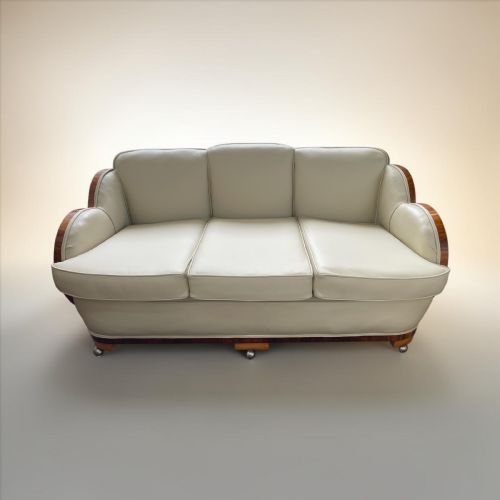
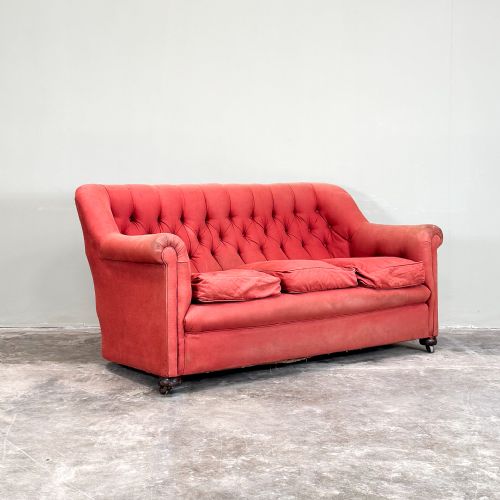


Three Seater Settee
A three seater settee offers ample room for hosting, blending traditional craftsmanship with enduring comfort for everyday sitting.
Three Seater Settee
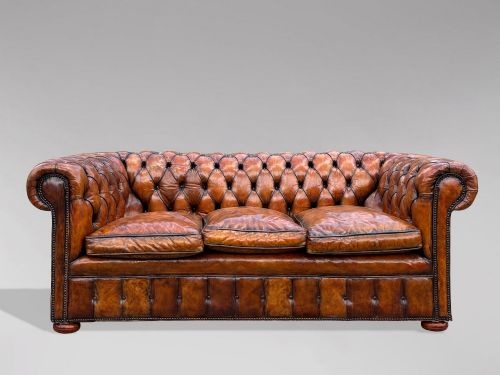
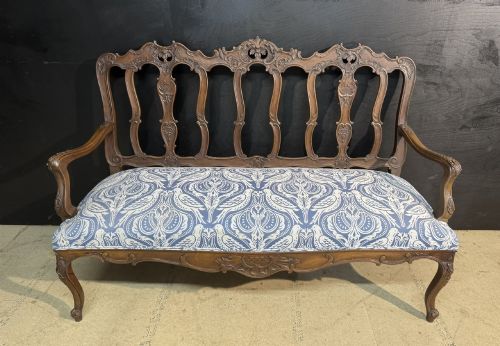
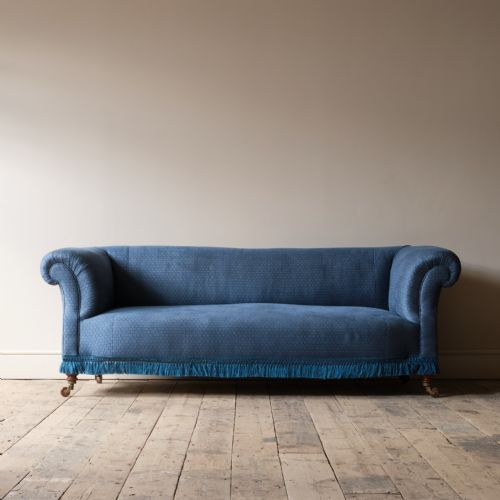
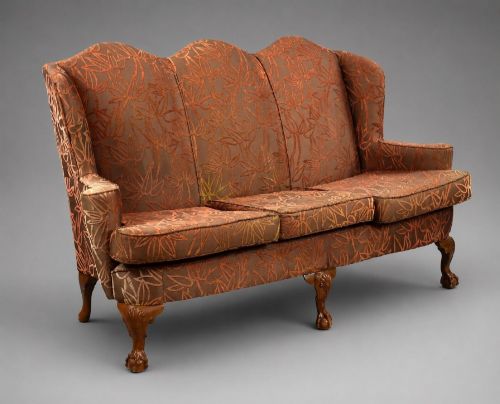
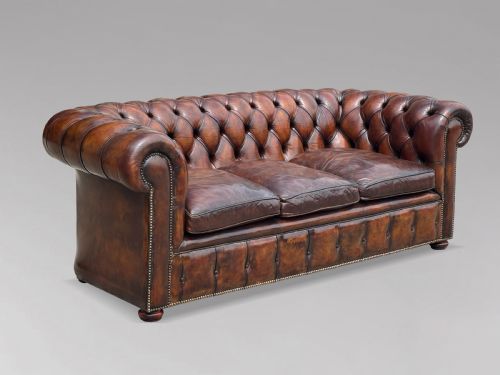
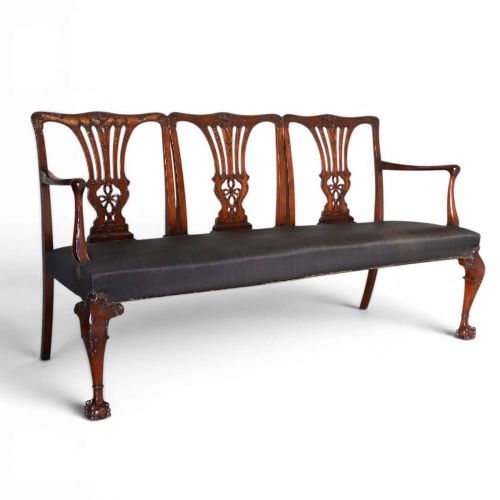
A three seater settee spans several distinct decorative periods, ranging from nineteenth-century Victorian designs to twentieth-century Art Deco interpretations. Buyers encounter traditional forms such as deep-buttoned leather Chesterfields alongside mahogany frames executed in the Chippendale or Hepplewhite manner.
Makers and workshops of different eras apply specific regional traits, from English country house proportions to French-influenced giltwood frames. Pieces adopt configurations like serpentine camel backs, drop ends, and low profiles suited to formal salons or relaxed living spaces.
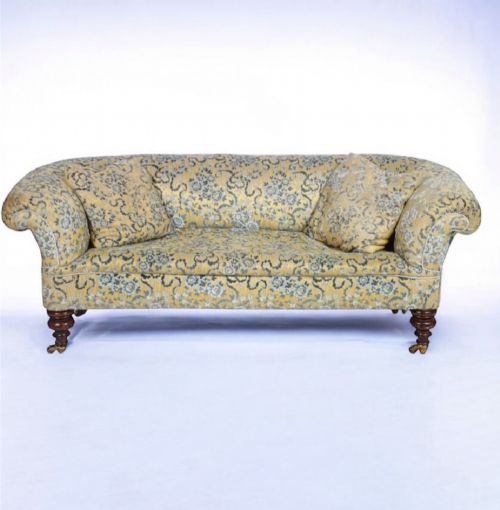
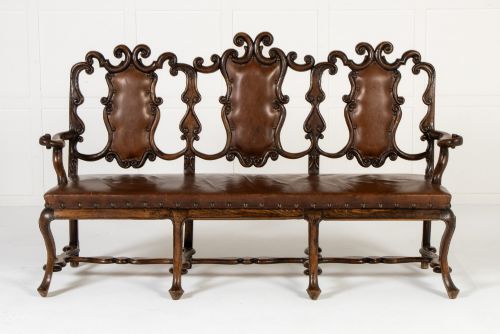
The material expression varies between exposed timber frameworks in walnut or mahogany and fully upholstered surfaces finished in fabric, velvet, or leather. Many examples arrive ready for reupholstery or retain specialist maker signatures on their castors and webbing.
Quality and Proportion
The distinction between tiers rests upon the integrity of the underlying timber frame, the fidelity of period carving, and the retention of original maker markings. Superior examples preserve balanced proportions, crisp lines on camel backs or serpentine curves, and well-executed joinery.
Material selection divides the range, distinguishing between ordinary timber frames and finely figured walnut or rosewood, or between standard hides and hand-dyed leathers. The presence of authentic maker stamps on legs or brass hardware elevates historical standing.
Three Seater Settee Retail Price Guide 2026
Typical asking prices for three seater settee among the pieces listed under this phrase on Sellingantiques today, from the lower quarter to the upper quarter. They describe what is for sale here now, not the wider market.
Period spans include Victorian, Edwardian, and Art Deco eras alongside eighteenth-century revival styles.
Harry and Lou Epstein·Hampton and Sons·Howard and Sons
The Three Seater Settee Glossary
- Chesterfield
- A heavy, fully upholstered sofa traditionally characterised by deep button tufting and equal height back and arms. This form appears frequently in nineteenth- and twentieth-century leather finishes.
- Camelback
- A sofa style featuring a graceful, undulating curved back profile that rises in a hump or double hump toward the centre. This silhouette derives from eighteenth-century designs revived in later periods.
- Drop end
- A sofa construction where one or both armrests can be lowered via a mechanical hinge to create a daybed or lounging surface. This mechanism allows adjustable seating postures.
- Bergere
- An enclosed upholstered armchair or sofa featuring exposed wooden framing and woven cane panels along the sides or back. Walnut versions appear in early twentieth-century selections.
- Knowle sofa
- A traditional English sofa style featuring hinged or adjustable high side walls originally designed to block drafts in large country houses. They are typically paired with deep upholstery and cord tiebacks.
Three Seater Settee: Frequently Asked Questions
How do I spot an original Victorian Chesterfield?
Examine the leather patination, the depth of the button tufting, and the weight of the underlying timber frame. Genuine nineteenth-century examples display authentic wear patterns and traditional stuffing materials beneath the hide.
Check for hand-tacked brass stud work rather than strip staples, along with turned wooden legs mounted on original brass castors. Maker signatures stamped into the wood or webbing provide further confirmation.
Are these settees comfortable for daily use?
Many period settees offer deep seating and supportive sprung interiors designed specifically for prolonged lounging. Edwardian and Victorian country house models prioritize relaxed ergonomics alongside formal appearance.
Buyers should verify the internal webbing and spring condition, as older pieces may require professional re-stuffing to achieve modern comfort standards. Selecting pieces marked for reupholstery allows customized cushion density.
How do I distinguish Edwardian from Victorian styles?
Victorian settees tend to feature heavier proportions, darker woods like mahogany, and dense buttoned leather or rich velvet upholstery. The decorative vocabulary draws heavily on revivalism and robust structural forms. Gilding, lighter walnut frames, and refined neoclassical or Chippendale revivals characterise Edwardian interpretations. These later pieces often exhibit airier silhouettes and brighter floral fabrics.
What does a frame requiring reupholstery involve?
Purchasing a settee designated for reupholstery means acquiring a sound structural foundation stripped of its worn top fabric or leather. This allows the buyer to select bespoke textiles that match their interior scheme. Local upholsterers replace internal fillings, webbing, and outer covers while preserving the antique woodwork and original springs. This process ensures the piece functions reliably for decades to come.