


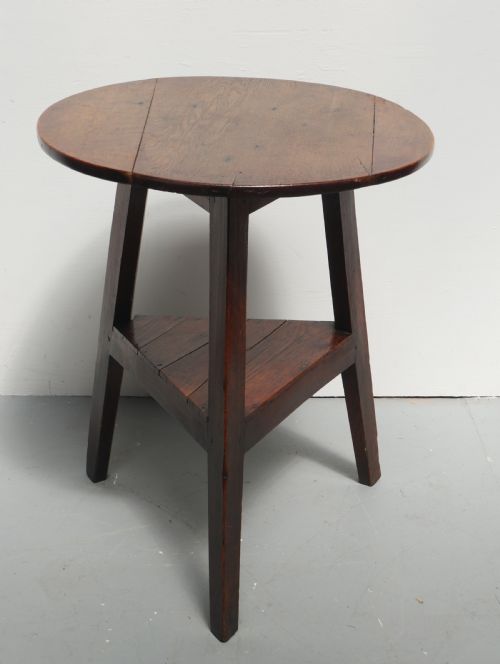


Three Leg Wine Table
A three leg wine table offers a sturdy tripod base and a compact top, serving as a practical stand for drinks and small objects.
Three Leg Wine Table
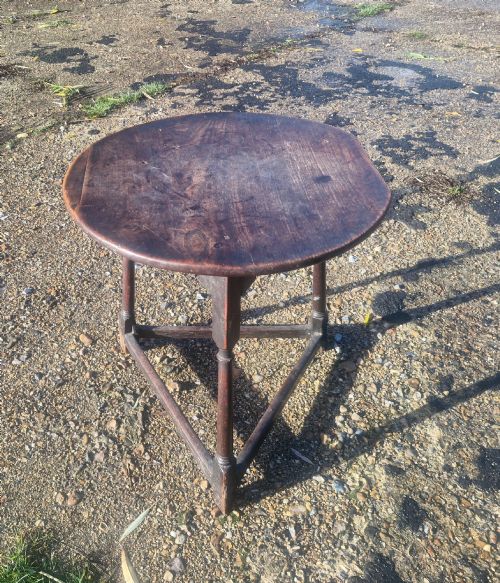
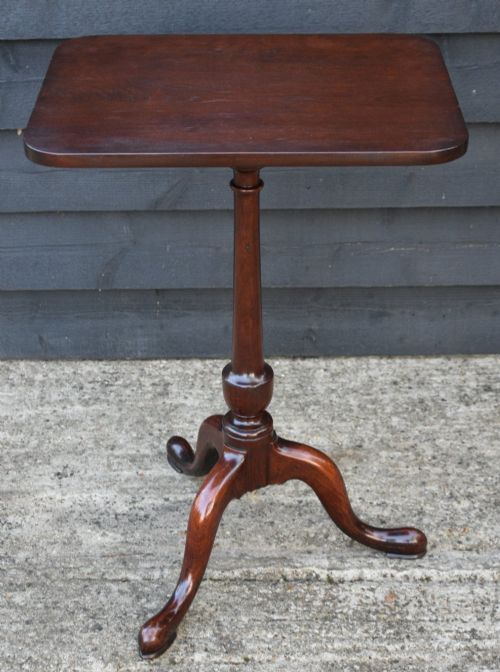
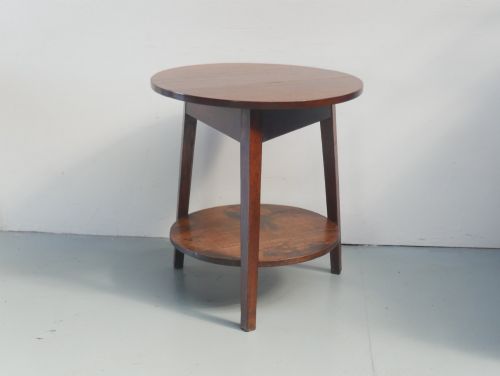
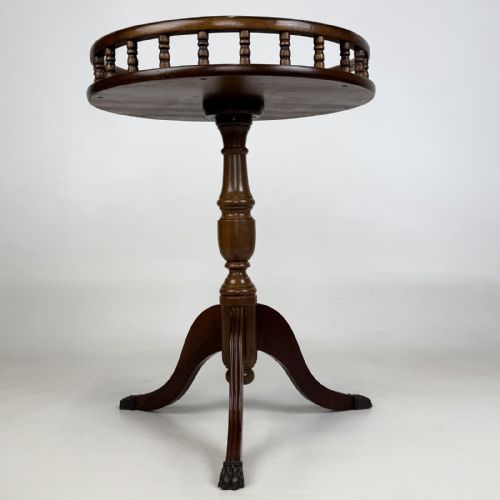
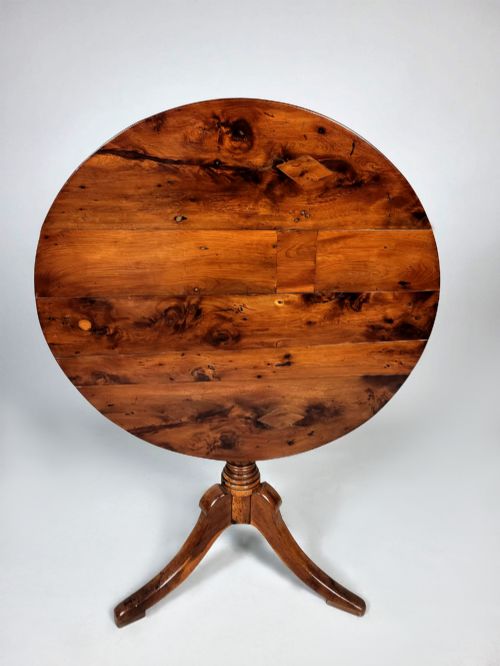
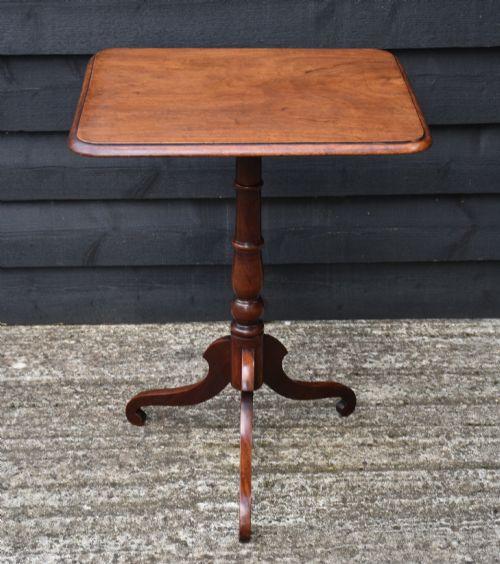
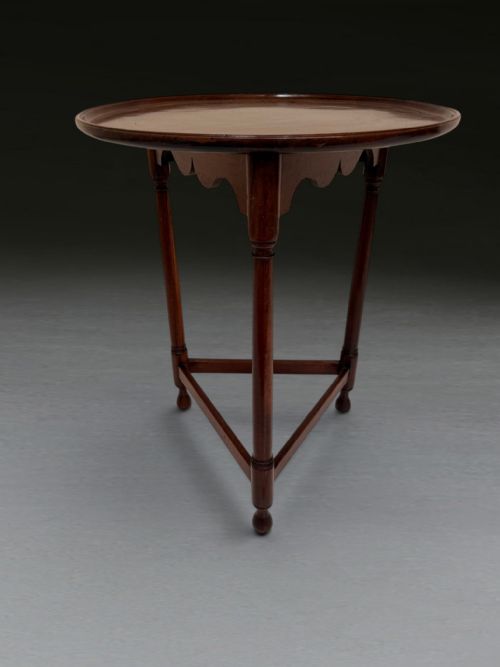
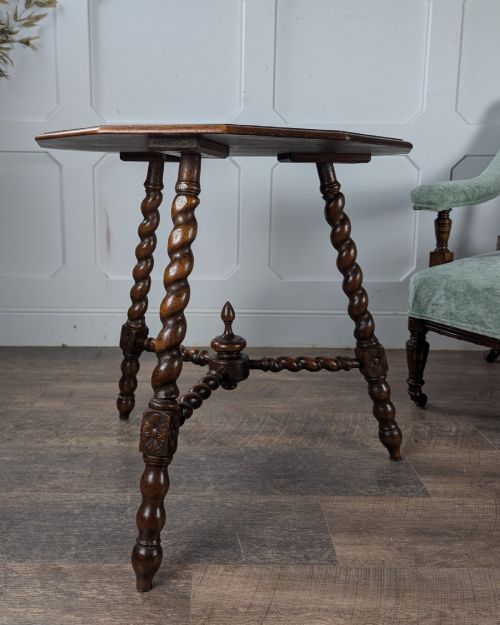
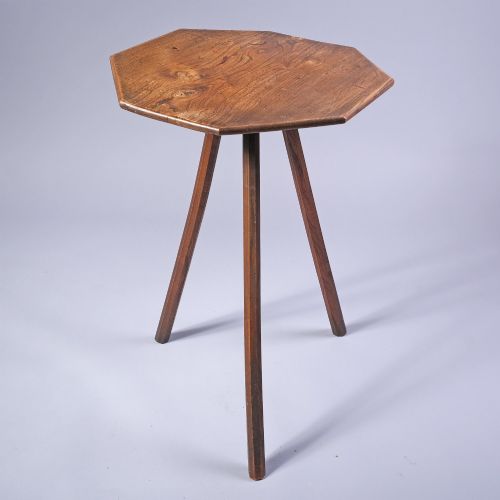
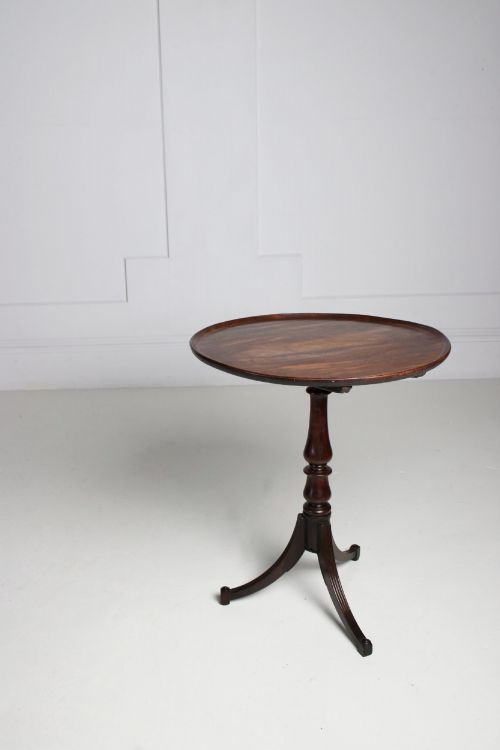
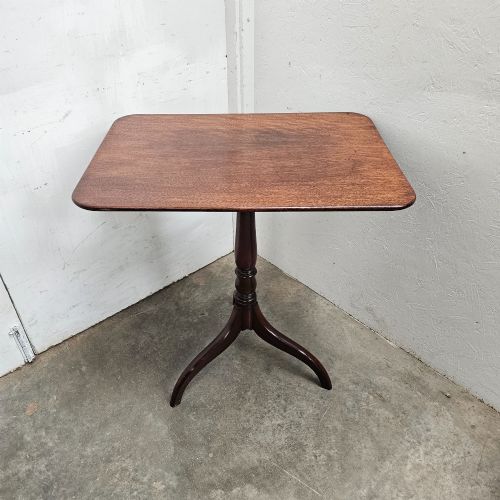
A three leg wine table is a compact pedestal piece designed to hold glasses or lamps, frequently appearing in forms like cricket tables and tilt-top variants. These tables emerge primarily from the eighteenth and nineteenth centuries, spanning Georgian and Victorian periods.
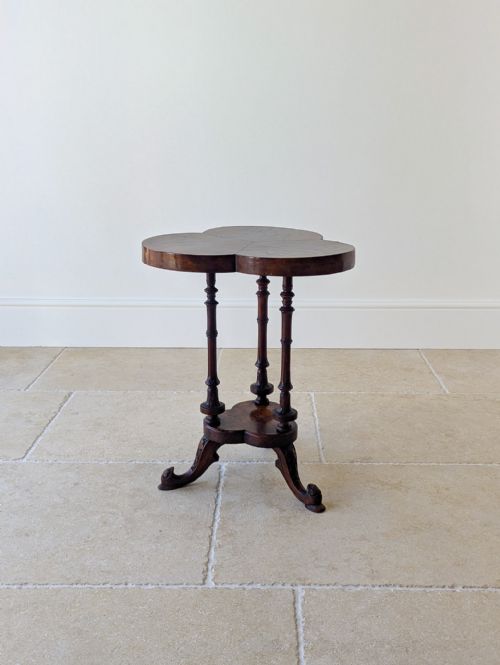
The materials span mahogany, oak, and walnut, reflecting both formal urban cabinetmaking and English country vernacular traditions. Buyers encounter round tops, clover leaf shapes, and trefoil designs supported by three distinct legs.
Originating as utilitarian furniture for domestic hospitality, these pieces suit placement beside armchairs or in hallways. The format remains versatile, functioning as an occasional table, lamp stand, or small display surface.
Construction and materials
Cabinetmakers constructed these tables using dense timbers such as mahogany, oak, and walnut, sometimes incorporating burr walnut veneers or fruitwood highlights. Solid planks formed the circular or shaped tops, while turned or carved pedestals provided central support.
Tripod bases were joined to the central pillar using traditional methods like dovetailing or tenoning to ensure stability on three points. Details such as tilt-top mechanisms, brass fittings, and hand carving required precise woodworking skill.
Three Leg Wine Table Retail Price Guide 2026
Typical asking prices for three leg wine table among the pieces listed under this phrase on Sellingantiques today, from the lower quarter to the upper quarter. They describe what is for sale here now, not the wider market.
Some nineteenth-century tables feature clover leaf and heart-shaped tops, proving that historic woodworkers enjoyed a playful geometry.
Distinctions in quality
Quality rests upon the choice of timber and the crispness of any carved or turned ornamentation. Superior examples display carefully figured mahogany or Burr walnut veneers matched with balanced tripod proportions.
Construction integrity defines the upper tier, where joints remain tight and tilt mechanisms function smoothly without wobble. Finer pieces demonstrate restraint in decoration, letting the grain and proportions articulate the design.
The Three Leg Wine Table Glossary
- Tripod table
- A small freestanding table supported by a central pillar and three legs. This construction ensures stability on uneven floors.
- Cricket table
- A low wooden table with three splayed legs and a round top, rooted in vernacular English tradition. These pieces often feature sturdy oak construction.
- Tilt-top
- A hinged tabletop that folds vertically when not in use, allowing the piece to stand flat against a wall. This mechanism saved valuable floor space in historic interiors.
- Vernacular
- Everyday furniture made by regional joiners using local woods rather than following strict urban court styles. Oak and ash commonly appear in these domestic pieces.
- Dumbwaiter
- A tiered revolving stand used for serving food or wine without servants present. Georgian examples often incorporate multiple circular trays on a central column.
Three Leg Wine Table: Frequently Asked Questions
Where should I place a three leg wine table?
These compact tables fit easily beside armchairs, sofas, or in corners where floor space is limited. Their small tops suit a single lamp, a book, or a glass.
Avoid placing them in areas of heavy foot traffic or direct sunlight, which can dry out historic timber and finishes over time.
How do I identify a Georgian period piece?
Georgian tables typically display dense mahogany or oak timbers with hand-turned pedestals and subtle proportions. Look for construction methods appropriate to the eighteenth century, such as pegged joints and solid top boards.
Regional variations, such as Welsh oak cricket tables, show distinctive vernacular turnery rather than formal London carving.
How do tilt-top mechanisms work?
A tilt-top table uses a wooden catch or block beneath the surface that allows the top to pivot upright. This allowed historic households to store the furniture flat against walls when rooms needed to be cleared.
Inspect the pivot block and hinge pin to ensure the top locks securely into both horizontal and vertical positions.