





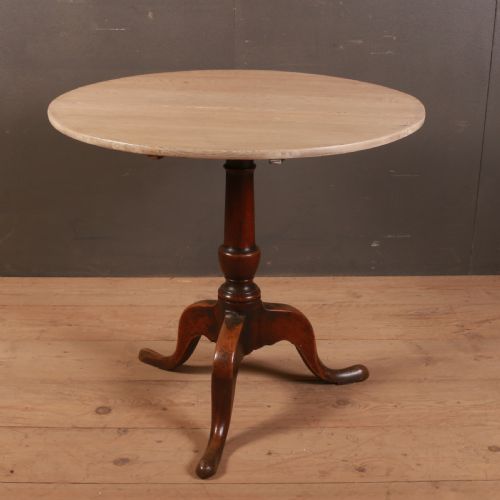


English Country Wine Table
An english country wine table is a compact, honest piece of domestic furniture designed for utility and ease of movement.
English Country Wine Table
When you search for an english country wine table, you find sturdy, practical items designed for everyday use rather than formal display. These tables appear across several eras, including the eighteenth century, Georgian period, nineteenth century, Victorian era, and Edwardian times, reflecting continuous provincial production.
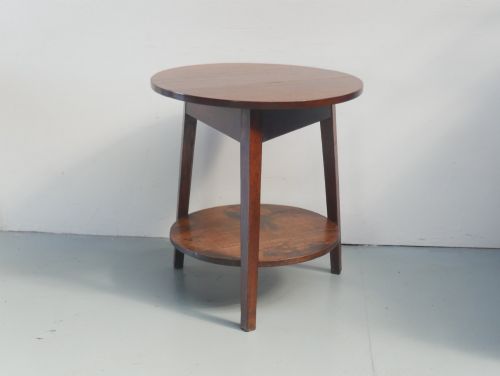
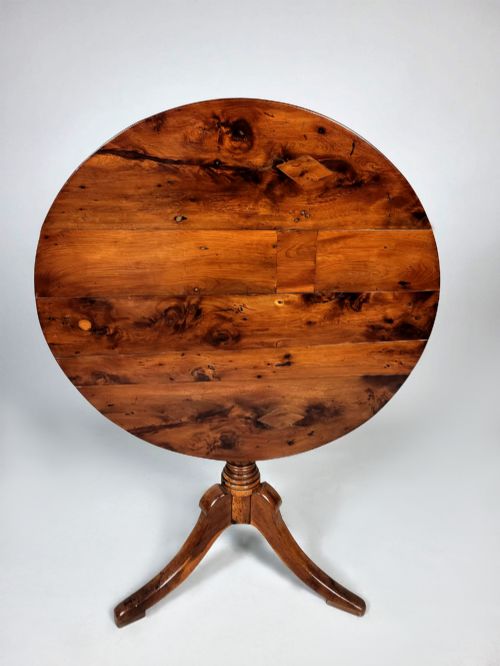
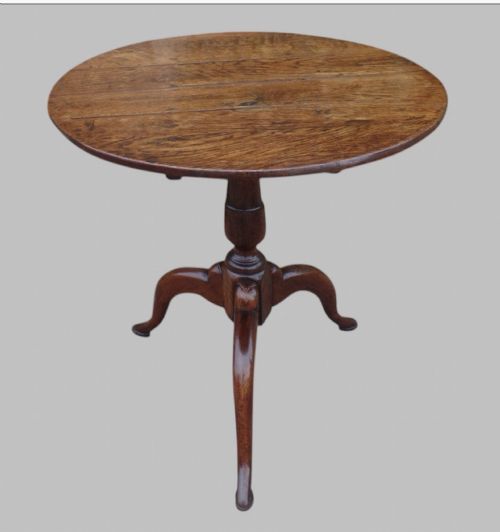
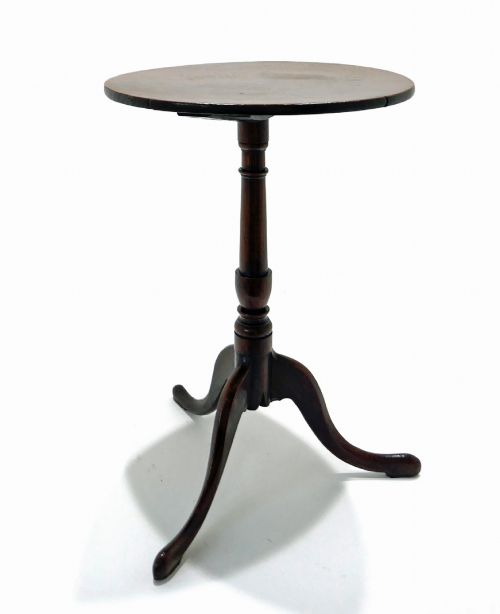
The forms on this page span wine tables, occasional tables, side tables, and cricket tables. The most common iteration you meet is the tripod table supported by a central pillar, often fashioned in oak, fruitwood, or yew wood.
Makers working within the English country vernacular favoured straightforward construction over ostentatious ornament. Such pieces served domestic roles beside chairs or in corners, holding small items within reach of the hearth.
Materials and construction
Timbers native to the British countryside dictate the character of these pieces, with local oak, fruitwood, and yew wood selected for their resilience. Cabinet makers turned slender columns on lathes and joined them to three-legged tripod bases designed to stand steady on uneven flagstone floors.
Some examples incorporate secondary materials like leather tops, brass fittings, or traces of gold leaf, while others rely purely on carved oak and simple turned supports. Tilting mechanisms on certain tripod tables allowed the top to fold flat for storage against a wall when not in use.
English Country Wine Table Retail Price Guide 2026
Typical asking prices for english country wine table among the pieces listed under this phrase on Sellingantiques today, from the lower quarter to the upper quarter. They describe what is for sale here now, not the wider market.
The styles span Georgian, William IV, and Jacobean Revival periods alongside vernacular designs.
Distinguishing quality
Quality in these rural pieces rests on the integrity of the timber and the balance of the proportions. A well-proportioned tripod base aligns harmoniously with the top, maintaining stability without feeling clumsy or overly heavy.
The handling of the wood grain and the crispness of any simple carved detail separate utilitarian workshop output from more considered vernacular design. Original surfaces, pleasing patination, and minimal replacement parts elevate a piece above altered or heavily restored examples.
The English Country Wine Table Glossary
- Tripod table
- A small freestanding table supported by a central pillar and three legs. This configuration prevents wobbling on uneven domestic floors.
- Cricket table
- A small round table with three legs, typically made of oak. The design derives its name from historical vernacular utility.
- Vernacular
- Furniture built by local tradesmen using regional traditions and native woods rather than following metropolitan stylistic dictates. These items prioritise function and local material availability.
- Fruitwood
- Timber sourced from fruit-bearing trees such as apple or pear. It offers a dense, fine grain favoured for turning and small-scale cabinet work.
- Yew wood
- A durable softwood with a highly figured, contrasting grain. Makers utilised yew for decorative tops and structural elements alike.
English Country Wine Table: Frequently Asked Questions
What is an english country wine table?
An english country wine table is a small, portable wooden table designed for domestic use in rural homes. They typically feature a round top raised on a central pillar and three legs.
These pieces were moved easily around a room to hold drinks, candles, or small personal items. Their robust construction suits everyday practical service.
How do I date an oak tripod table?
Dating relies on examining construction marks, timber characteristics, and stylistic conventions. Eighteenth-century examples often display hand-turned shafts and pegged joints specific to regional workshops.
Later Victorian and Edwardian revivals tend to utilise machine-sawn components and standardised fixings. Comparing the wear patterns on the feet helps confirm the age of the piece.
Where should I place a wine table?
These compact tables fit well beside armchairs, in tight corners, or beside a bed as a lamp table. Their small footprint allows them to occupy awkward spaces where larger furniture fails to fit.
Keep them away from direct heat sources and strong sunlight to protect the aged wooden surfaces. Regular light polishing maintains the finish of the timber.
Why do some tables have tilting tops?
Tilting mechanisms allowed rural households to store tables flat against a wall when floor space was needed for other activities. A wooden catch or pivoting block beneath the top secures the surface when horizontal.
This practical feature demonstrates the space-saving ingenuity built into historic domestic furniture. Many surviving examples retain their original tilting action.