
Thonet Style Coat Stand
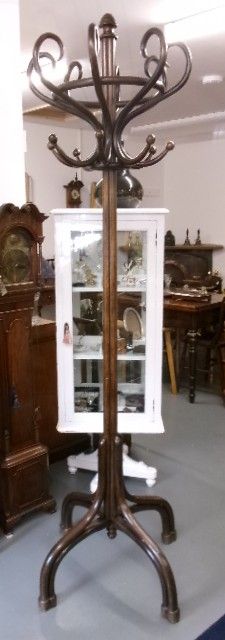
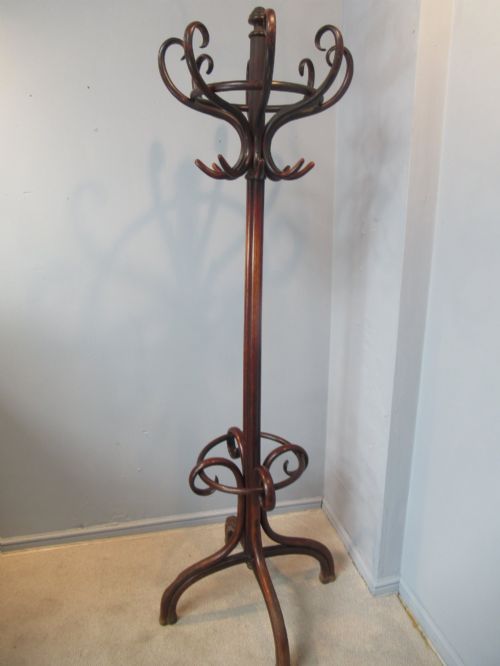
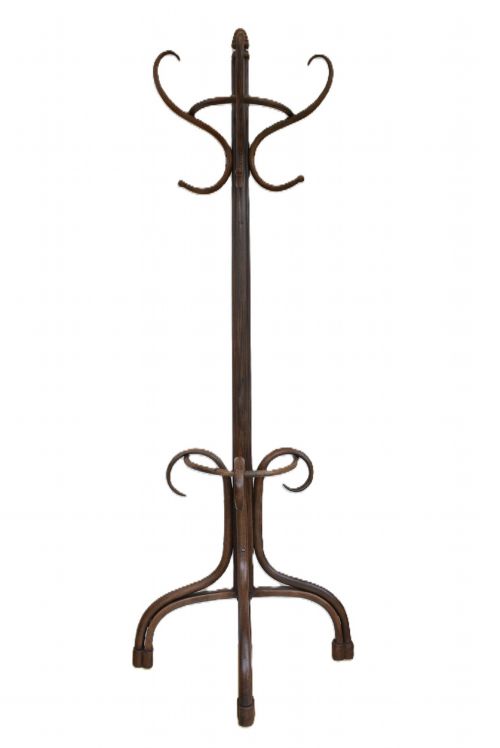
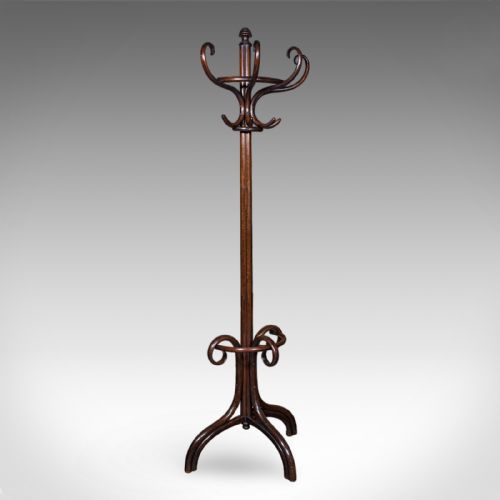
A thonet style coat stand brings lightweight yet sturdy steam-bent timber into a hallway with genuine period character.
Thonet Style Coat Stand
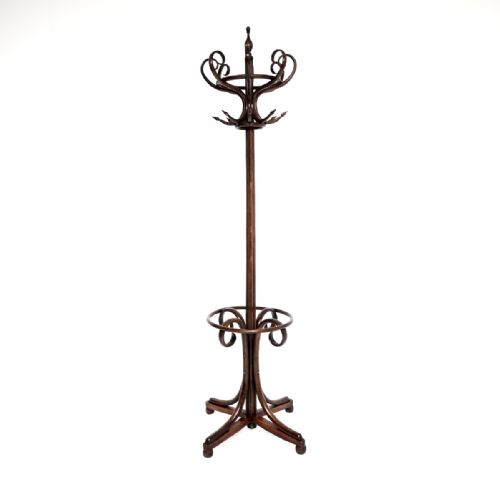
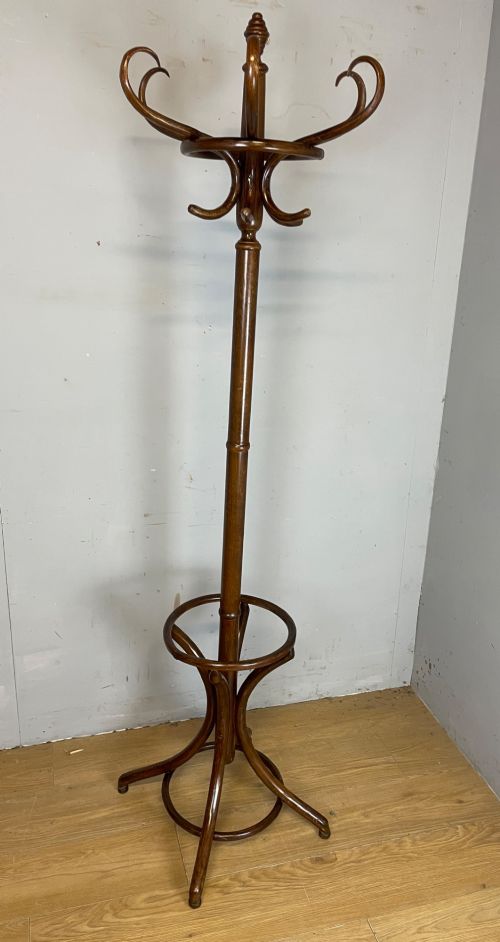
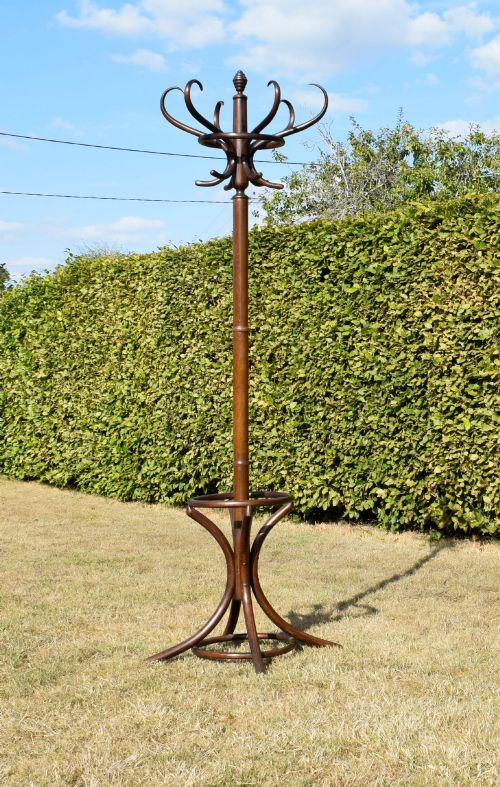
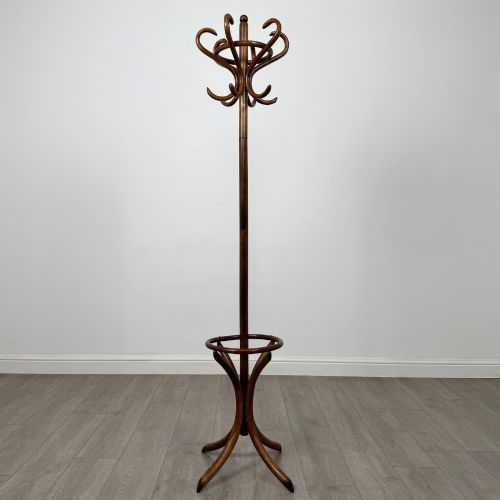
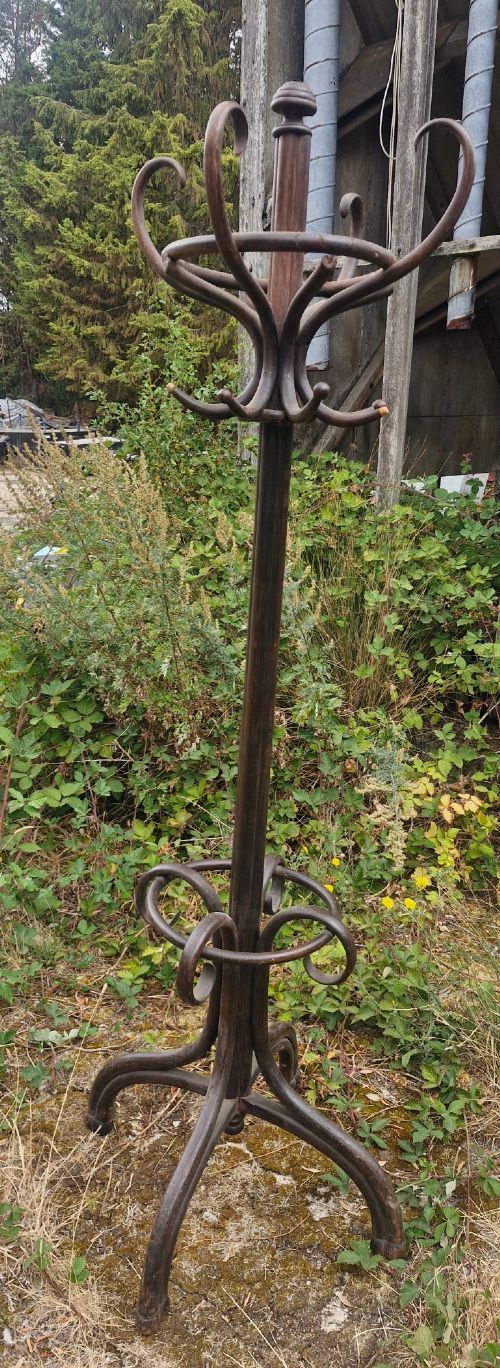
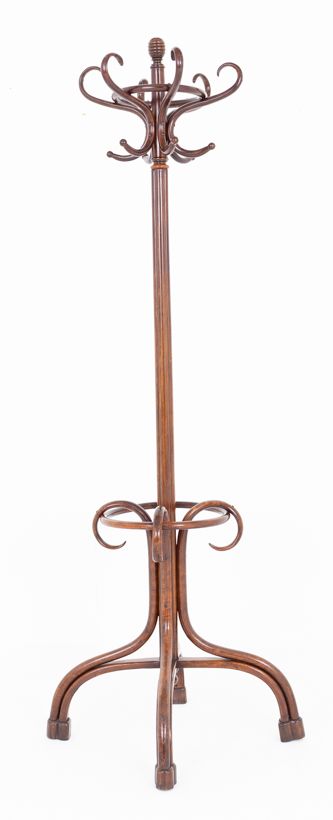
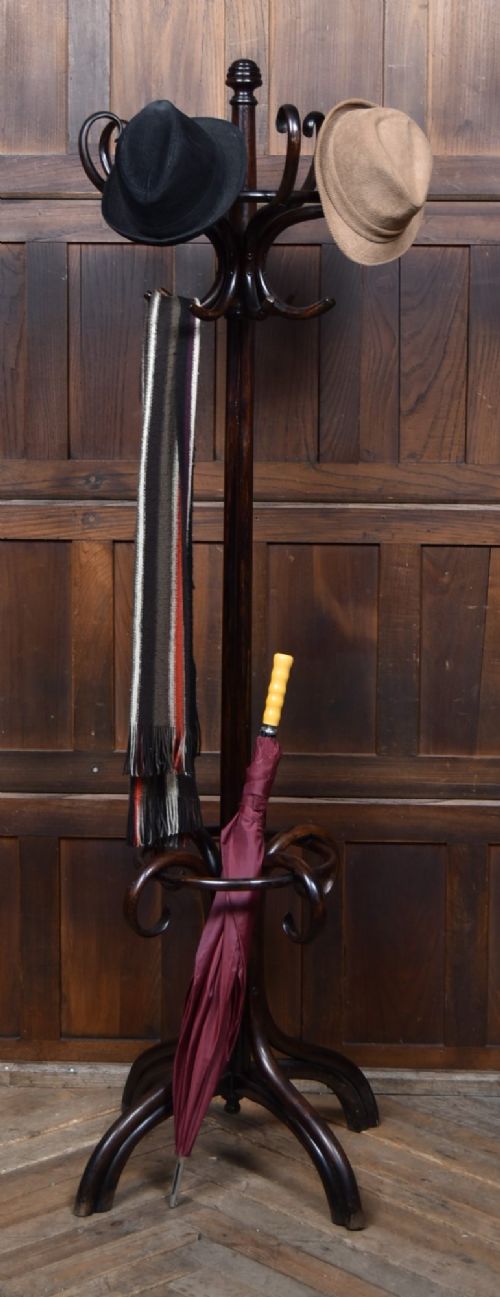
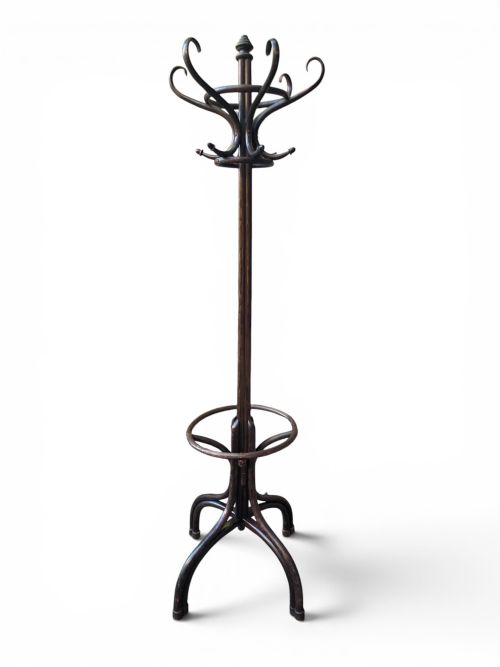
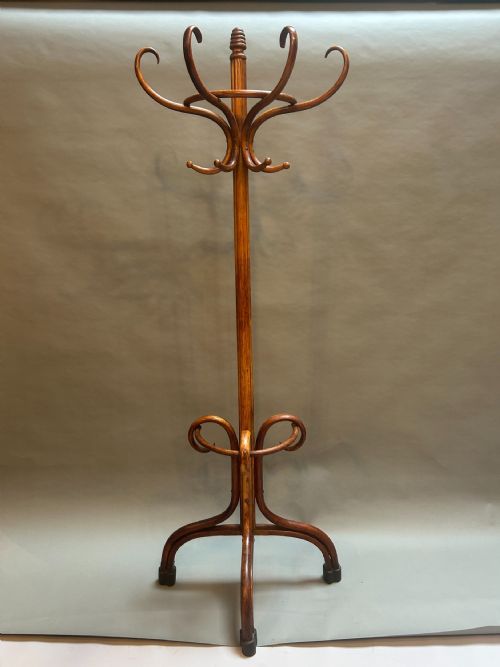
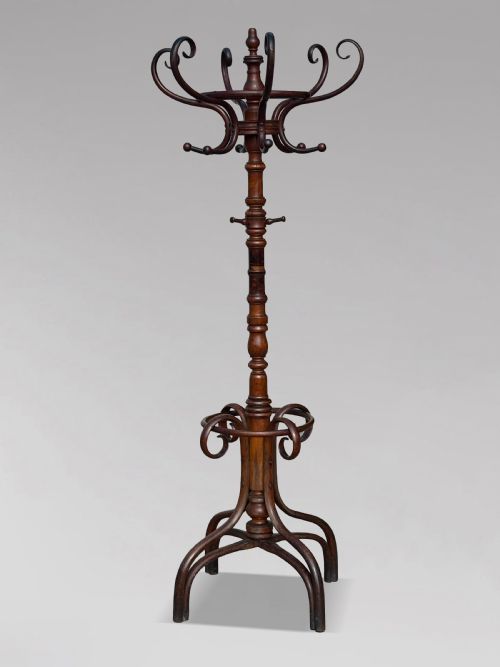
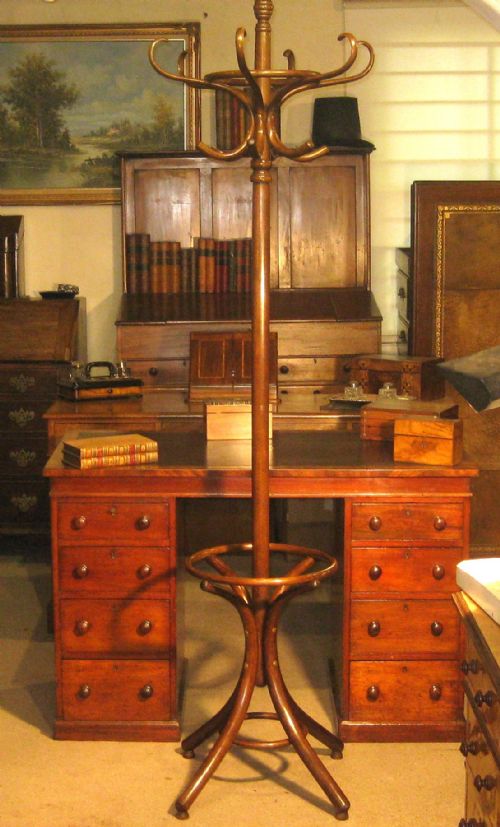
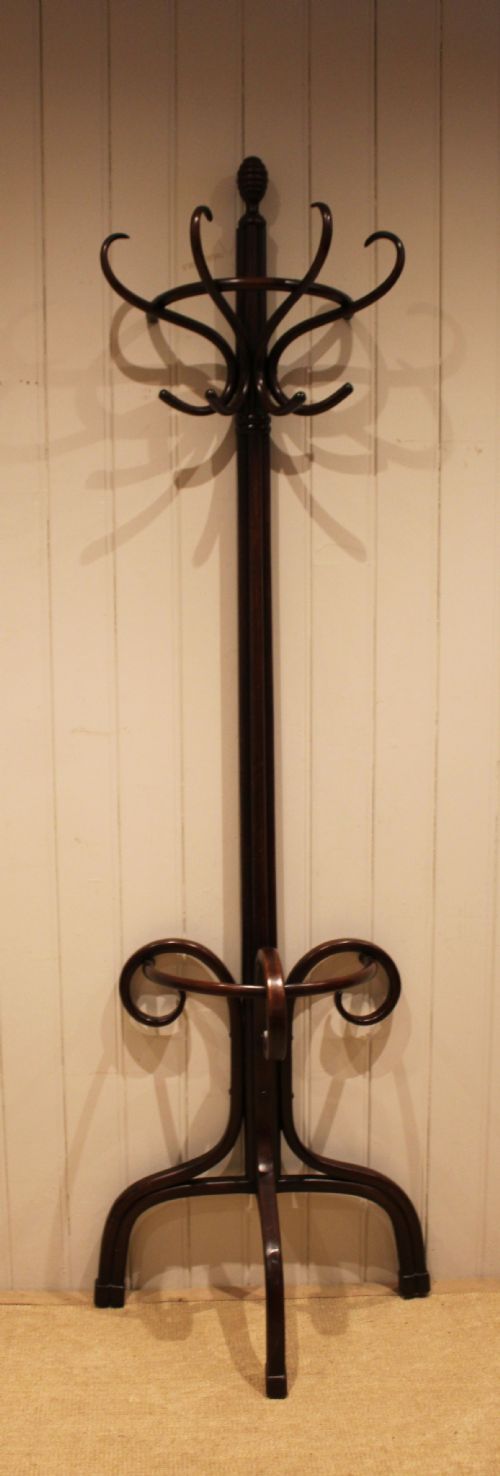
When you examine a thonet style coat stand, you are looking at practical hall furniture designed to hold outerwear, hats and walking sticks. The pieces seen here span from the late nineteenth century through the Edwardian era and into the nineteen-thirties, taking forms such as standard coat stands, hall trees, demi-lune hall stands and revolving variations.
The version you are most likely to meet on this page is an upright freestanding tree with curved hooks radiating from a central column, frequently incorporating a lower umbrella ring. These designs originate from Austrian bentwood production and British interpretations, reflecting the widespread influence of the Thonet firm and makers such as Fischel.
The physical form relies on vertical economy, making these items suited for narrow hallways where floor space is limited. The inventory includes variants with double tops and half-round configurations designed to sit flush against a wall.
Distinctions in standard
The difference between ordinary and superior examples lies in the fluidity of the curves and the crispness of the turned wood components. Higher quality stands display uniform thickness in the bent members and retain tight, secure joints where the curved hooks meet the main pillar.
Makers who applied stamps or paper labels, such as Fischel, often denote a higher grade of production with refined finishing and sturdier gauge timber. The presence of integrated elements like original glass drip pans or double top configurations elevates the complexity of the piece.
The listings show pieces constructed primarily from beech and steamed beechwood, spanning the Victorian, Edwardian and early twentieth-century periods.
Fischel·Thonet
The Thonet Style Coat Stand Glossary
- Bentwood
- Wood shaped by applying steam to soften the fibres before bending them into curves. This technique allows for lightweight frames with high structural strength.
- Demi-lune
- A half-moon shape used for hall stands designed to sit flat against a wall. This profile saves floor space in narrow corridors.
- Hall tree
- A freestanding piece of furniture incorporating hooks for coats and hats alongside a stand for sticks and umbrellas. It serves as an all-in-one entryway organiser.
- Steamed beechwood
- Solid beech timber treated with moisture and heat to achieve extreme flexibility. It forms the primary structural medium for these stands.
- Revolving
- Describing a top tier of hooks that spins around the central column. This feature allows access to garments hung on all sides without moving the base.
Thonet Style Coat Stand: Frequently Asked Questions
What is a bentwood coat stand?
A bentwood coat stand is an upright hall accessory constructed from steam-bent timber components designed to hold garments and accessories.
These pieces typically feature a central wooden column surrounded by curved wooden loops functioning as hooks for hats and coats.
How do I date a coat stand?
Dating relies on stylistic clues, construction methods and occasional maker stamps found on the timber elements.
Victorian and Edwardian examples often exhibit heavier turning and specific joining methods compared to later twentieth-century iterations.
Where should I place a hall stand?
These stands suit entrance halls, corridors and mudrooms where guests deposit outerwear upon arrival.
Half-round variants work well positioned directly against flat walls in tight spaces.
Are these stands sturdy enough for daily use?
Original steam-bent beech furniture offers remarkable structural resilience when the joints remain tight and secure.
The widespread use of solid timber framing allows them to bear the weight of heavy coats and umbrellas comfortably.