
Thonet Coat Stand
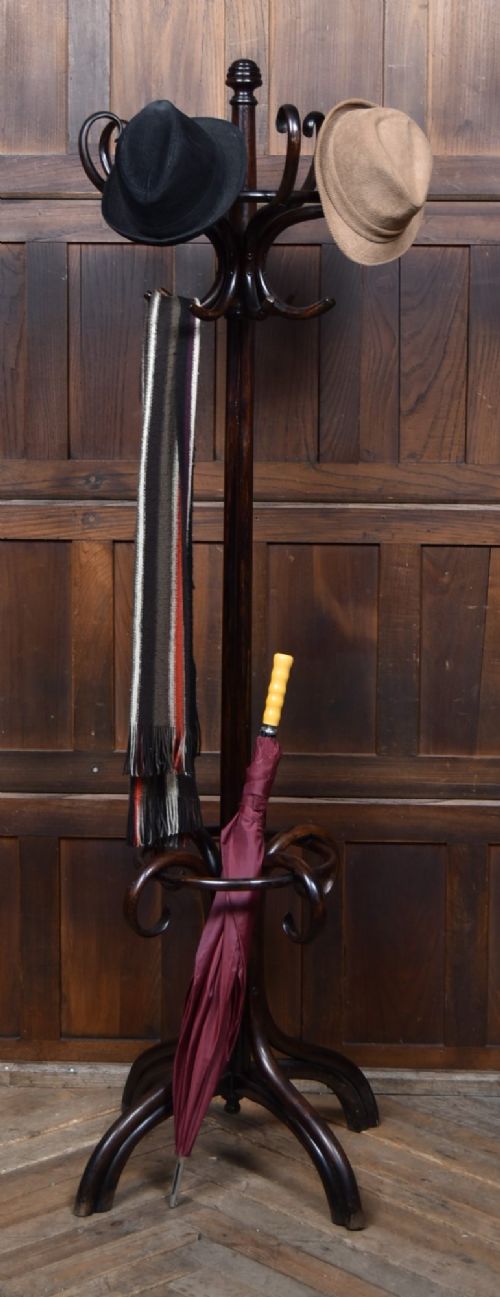
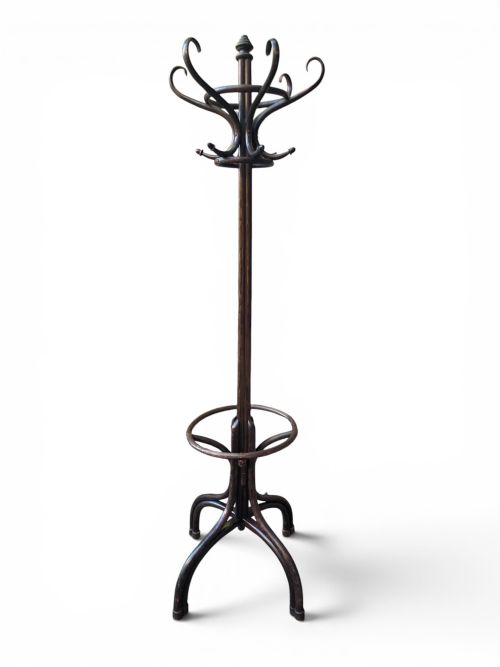
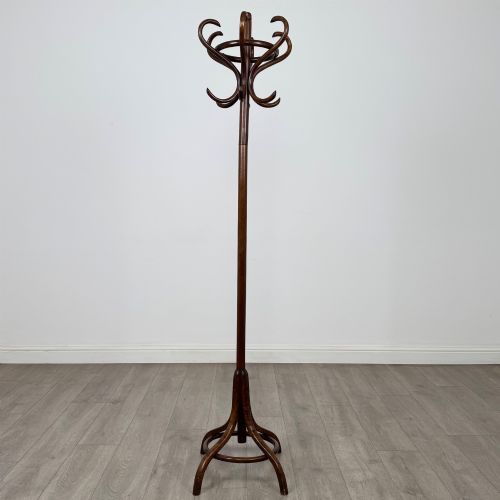
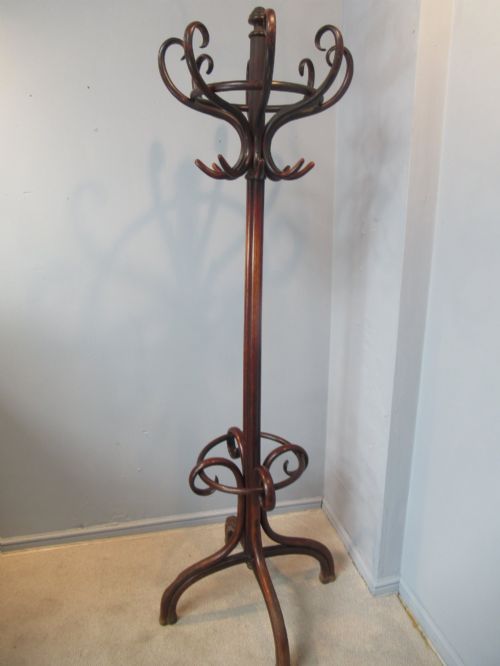
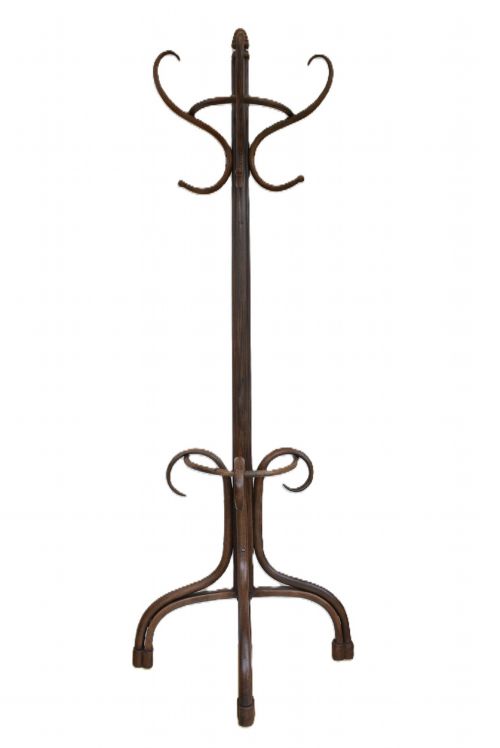
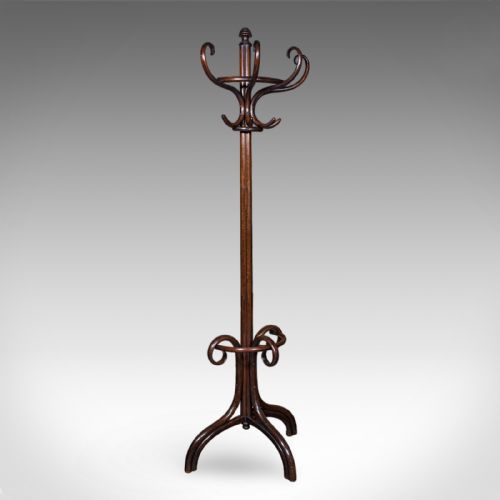
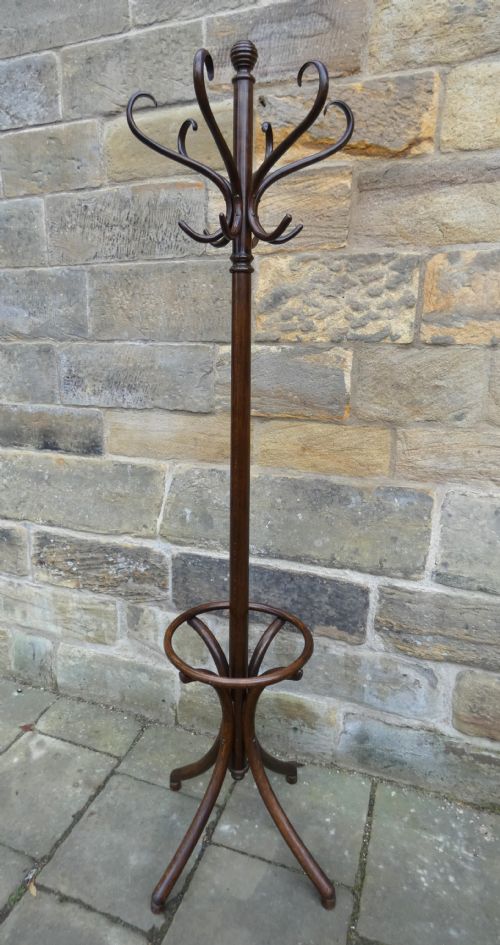
A thonet coat stand brings structural lightness and curved organic lines into an entrance hall.
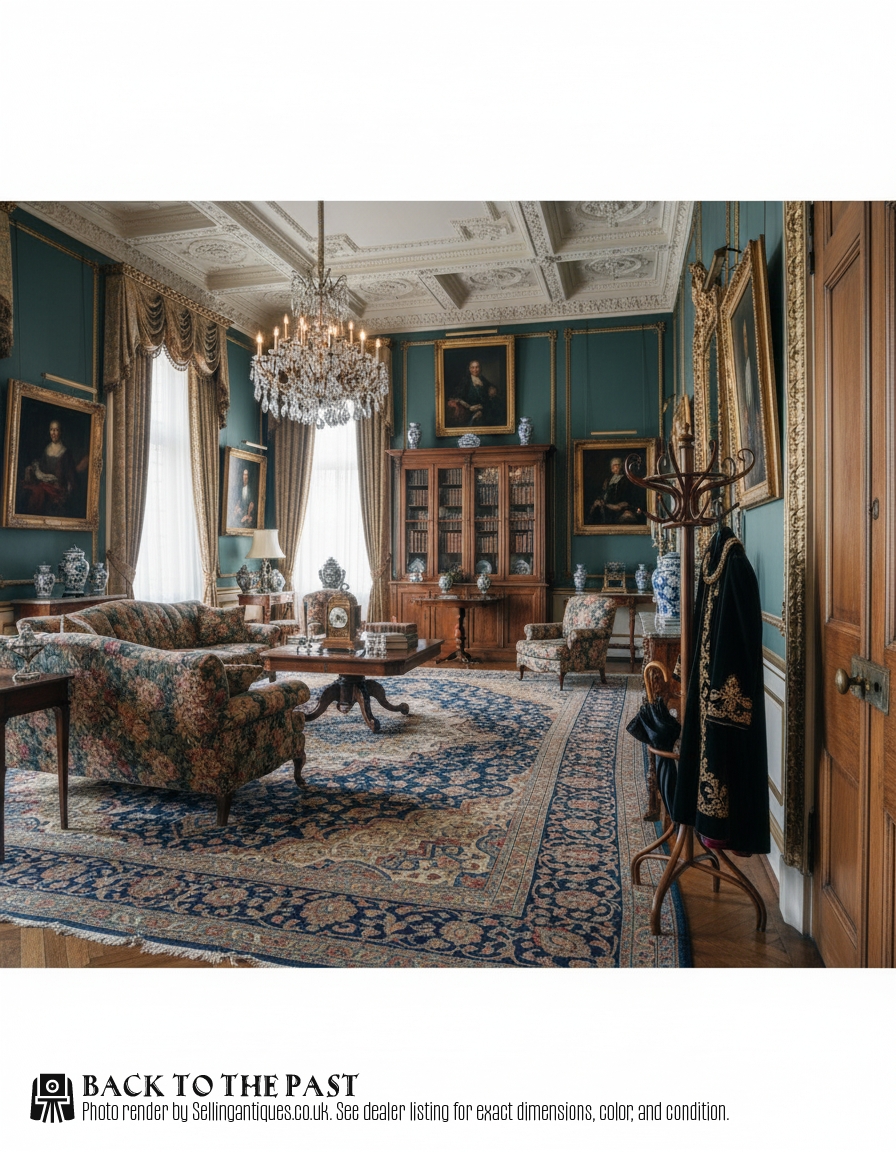
Thonet Coat Stand
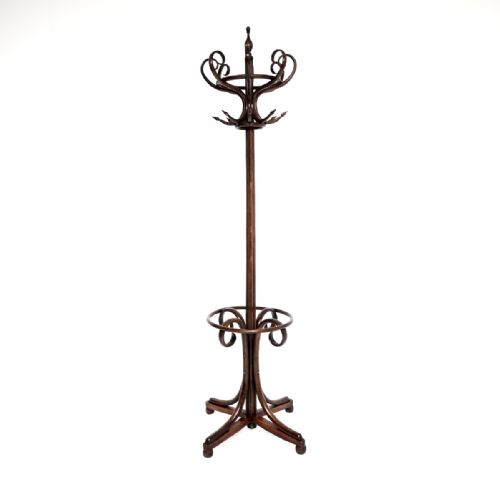
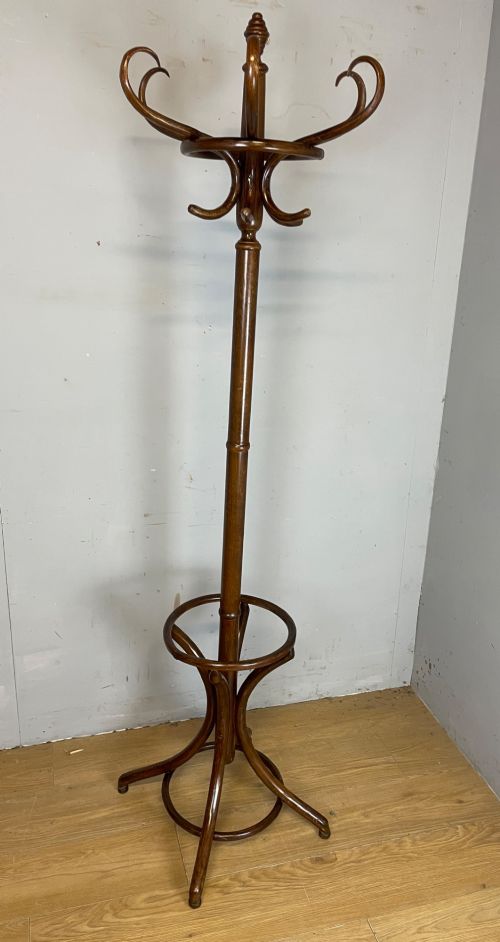
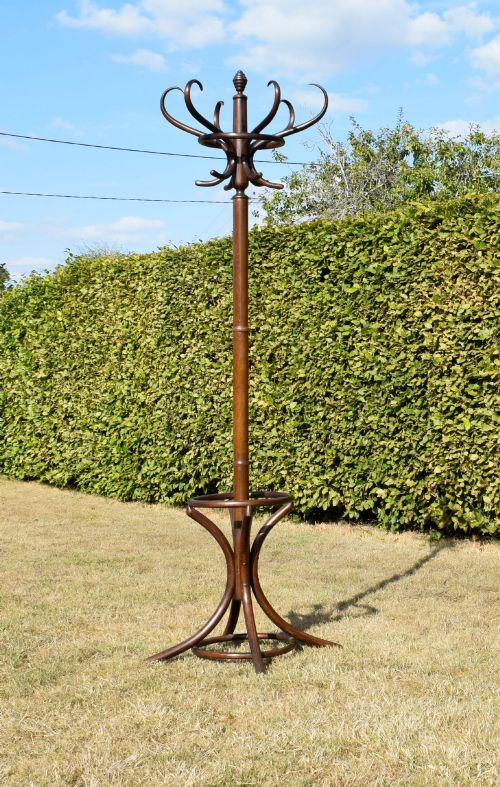
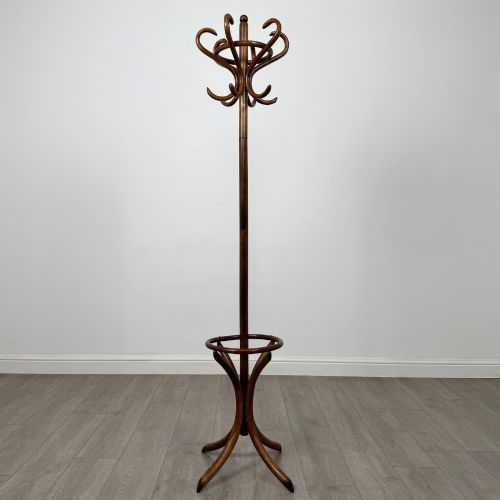
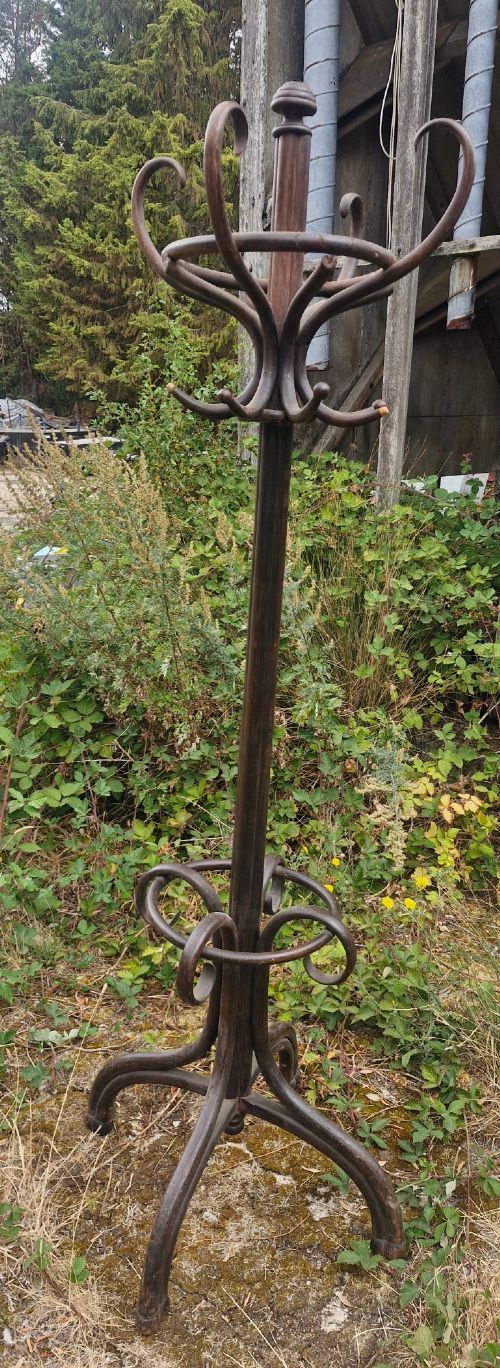
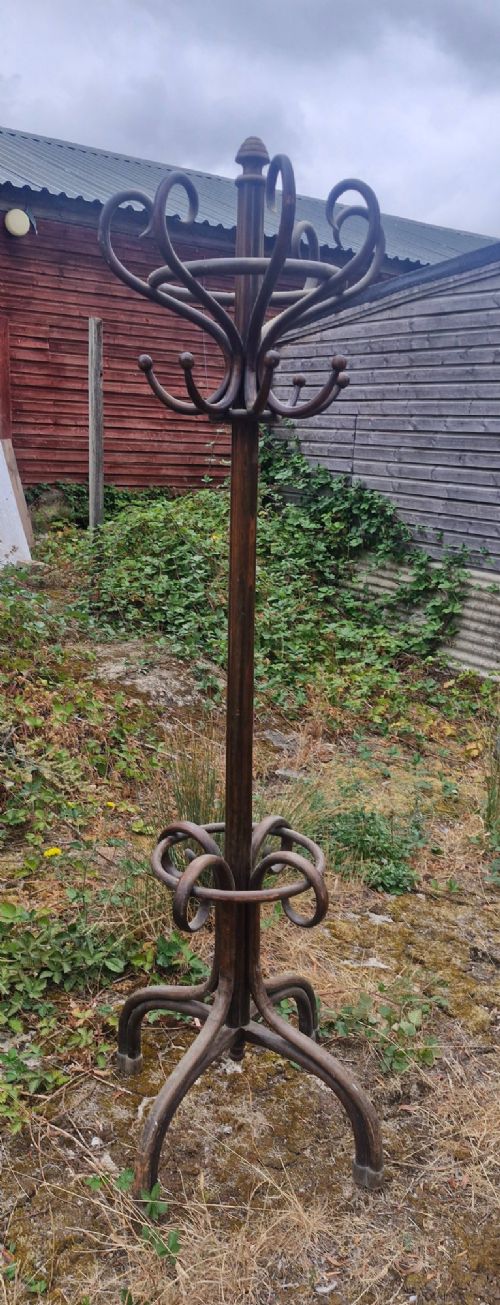
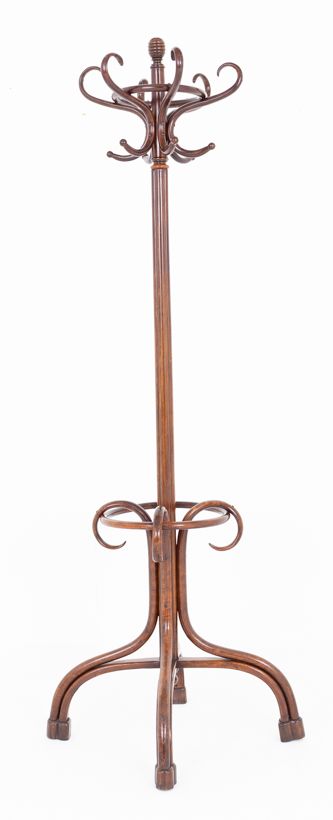
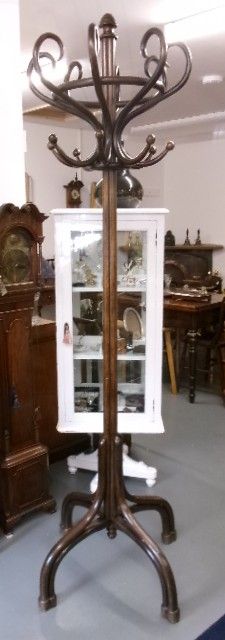
A thonet coat stand is a tall, vertical piece of hallway furniture designed for hats, coats, and walking sticks. These objects emerge from late nineteenth-century and early twentieth-century domestic and commercial spaces, capturing an era of industrial innovation and domestic organisation.
The most common examples on this page date from the Victorian and Edwardian periods up to the 1930s. Buyers will encounter both freestanding circular designs and half-round or wall-standing variants intended to sit flush against a hallway wall.
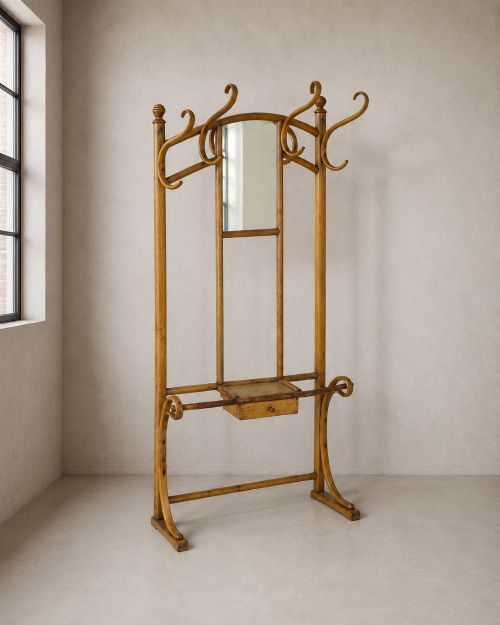
Many items incorporate dedicated upper rings for hats, lower concentric rings for umbrella and stick storage, and revolving mechanisms that allow easy access to garments. Their forms range from simple pole stands to elaborate hall stands combining mirror glass and multiple hanging tiers.
How They Were Made
These pieces rely on solid beech and beechwood subjected to specialised steam-bending techniques. The application of moisture and heat softens the timber grain, allowing craftsmen to force long lengths of wood into smooth, continuous curves around metal or wooden forms.
Makers finished the bent timber with wood stain or clear protective coatings to highlight the natural grain patterns of the beech. Structural joints frequently utilised screwed or bolted configurations to secure the sweeping arches and collar components to the central upright column.
Thonet Coat Stand Retail Price Guide 2026
Typical asking prices for thonet coat stand among the pieces listed under this phrase on Sellingantiques today, from the lower quarter to the upper quarter. They describe what is for sale here now, not the wider market.
Listings feature bentwood pieces spanning the 1880s through to the 1930s, constructed predominantly from steamed beechwood.
What Varies in Quality
Quality rests upon the complexity of the bentwood architecture and the overall substance of the frame. Heavy, robust examples with double top tiers or rotating elements demonstrate superior stability compared to lighter, simpler domestic models.
The presence of original maker stamps, labels, or impressed signatures provides definitive proof of workshop origin. Furthermore, the symmetry of the steam-bent arches and the retention of integrated mirror plates distinguish higher-grade workshop production from standard commercial output.
Thonet·Fischel
The Thonet Coat Stand Glossary
- Bentwood
- Wood that has been shaped by heating and steaming until pliable. This technique allows for sweeping, organic curves without traditional joinery.
- Demi Lune
- A half-moon or semi-circular shape. Pieces with this profile sit flat against a hallway wall to save floor space.
- Hall Tree
- An alternative term for a tall hallway stand equipped for coats, hats, and umbrellas. These items often feature integrated mirrors and drip pans.
- Revolving
- Descriptive of stands built with a rotating upper section. This mechanism lets users spin the hat and coat hooks to access garments easily.
- Stick Stand
- The lower section of a hall stand featuring rings or compartments for walking sticks and umbrellas. It usually includes a metal tray at the base to catch rainwater.
Thonet Coat Stand: Frequently Asked Questions
How do I date a bentwood coat stand?
Dating relies on construction details, period characteristics, and paper labels or branded stamps found on the timber frame. Pieces from the nineteenth century often feature heavier proportions and distinct manufacturer markings.
Later Edwardian and 1930s variants tend toward lighter profiles and simpler hook configurations. Comparing the style of the hardware and any mirror bevelling helps narrow the decade of production.
Are these stands stable enough for heavy coats?
Original bentwood stands are engineered to distribute weight evenly around a central vertical column. Heavier models with wide footprint bases handle heavy winter garments and wet umbrellas securely.
Placing heavier coats on lower tiers and balancing the upper ring maintains overall stability. Lighter or half-round wall-standing variants benefit from being positioned properly against vertical surfaces.
What is the difference between a hall stand and a coat stand?
A coat stand typically consists of a vertical pole with upper hanging hooks and lower umbrella rings. A hall stand is often a more substantial piece that incorporates mirrors, glove boxes, and backboards.
Both forms utilise bentwood construction methods, but hall stands frequently provide greater furniture presence within an entranceway.
How should I care for steamed beechwood furniture?
Steamed beechwood requires basic maintenance to preserve the polished surface and prevent the timber from drying out. Dusting with a dry cloth and occasionally applying suitable furniture wax keeps the finish healthy.
Avoiding placement near direct heat sources or damp environments protects the steam-bent joints from warping or loosening over time.